

- Ring25
- Stone11
- Setting5
- Reports4
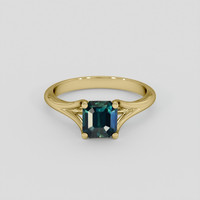
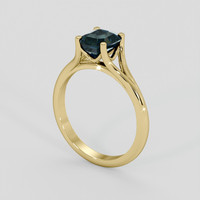
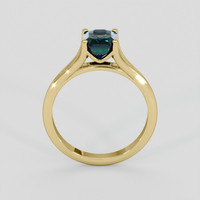
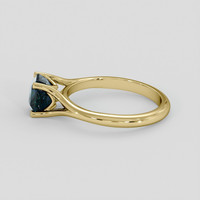





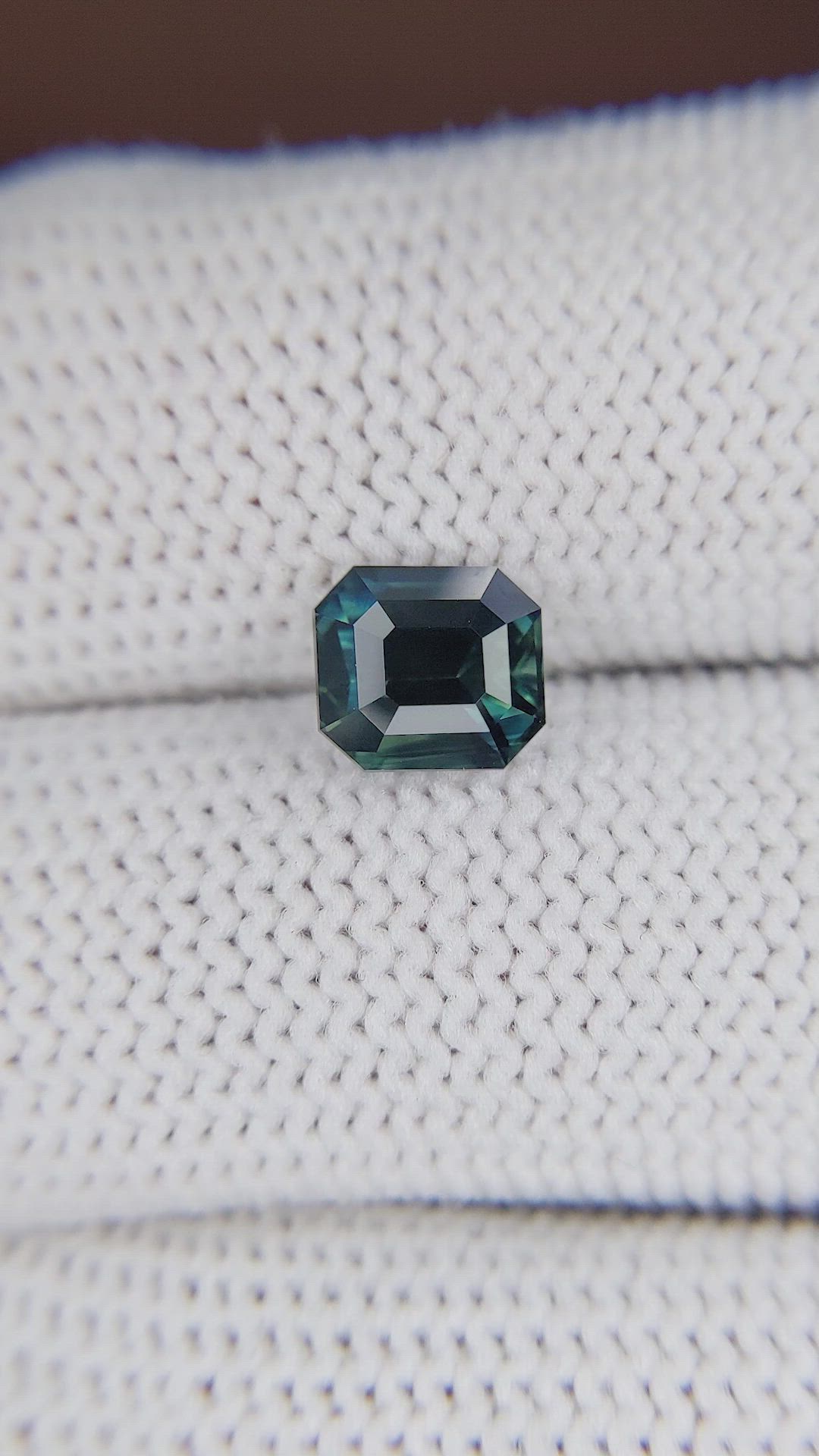
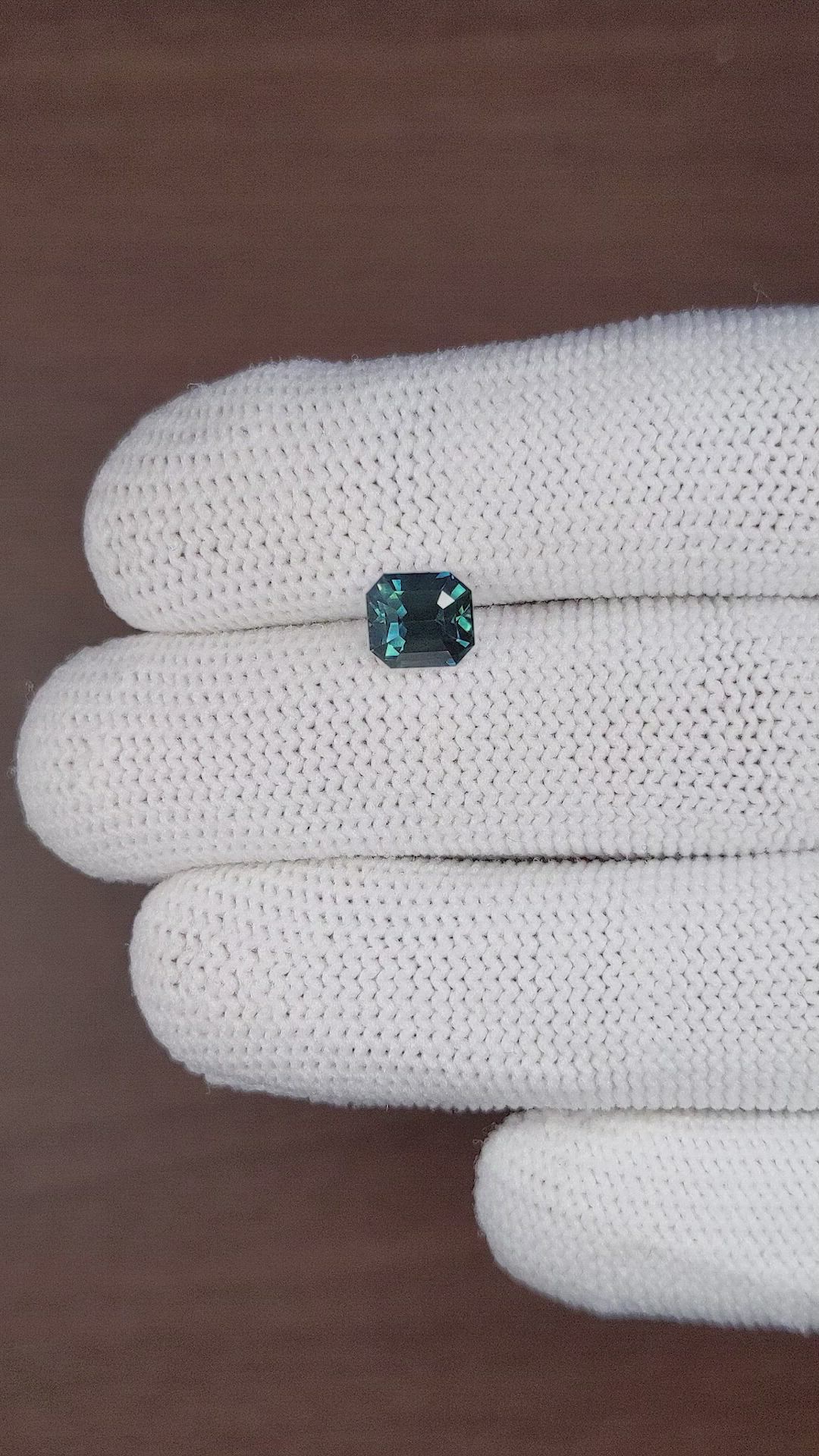
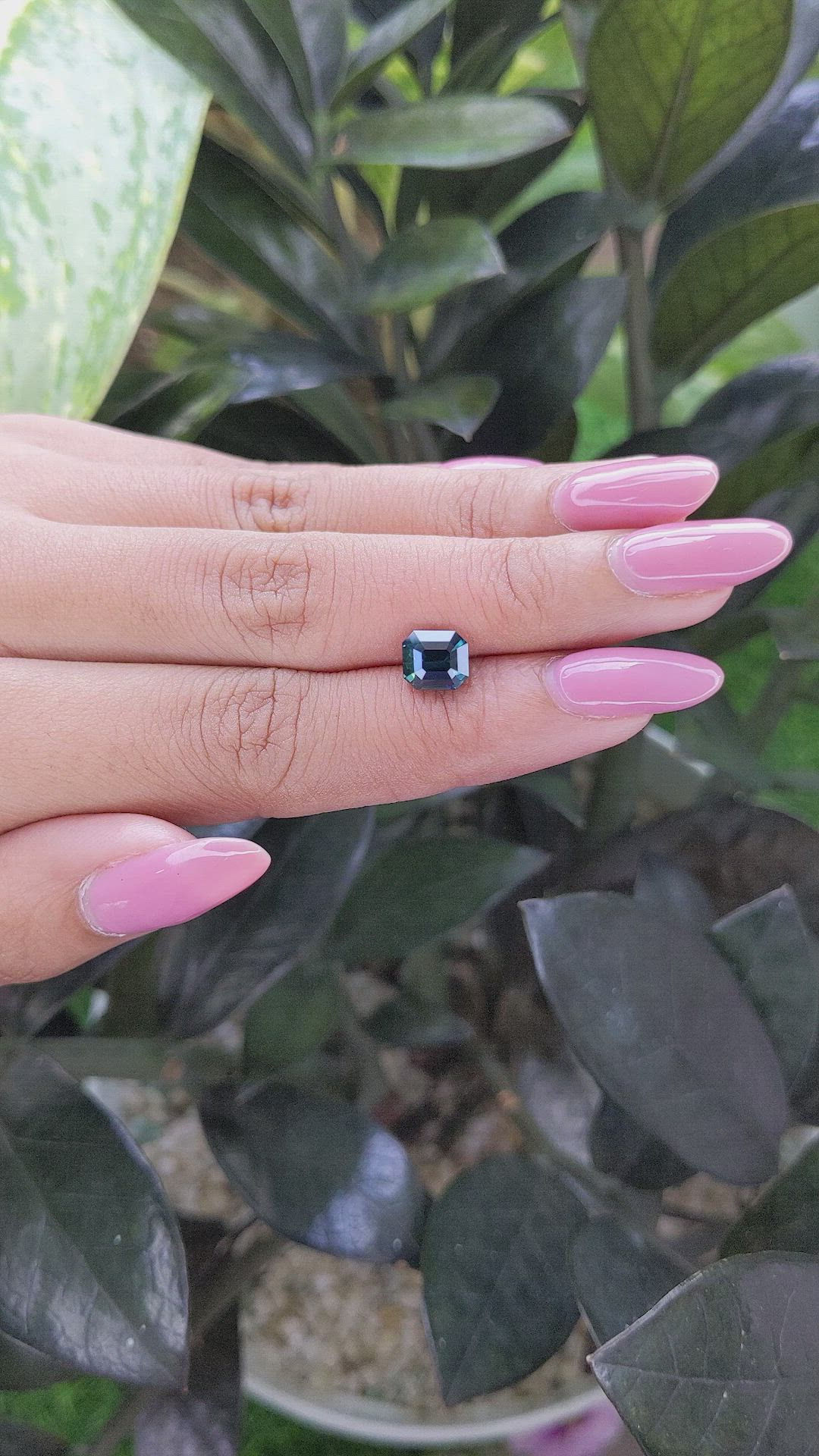
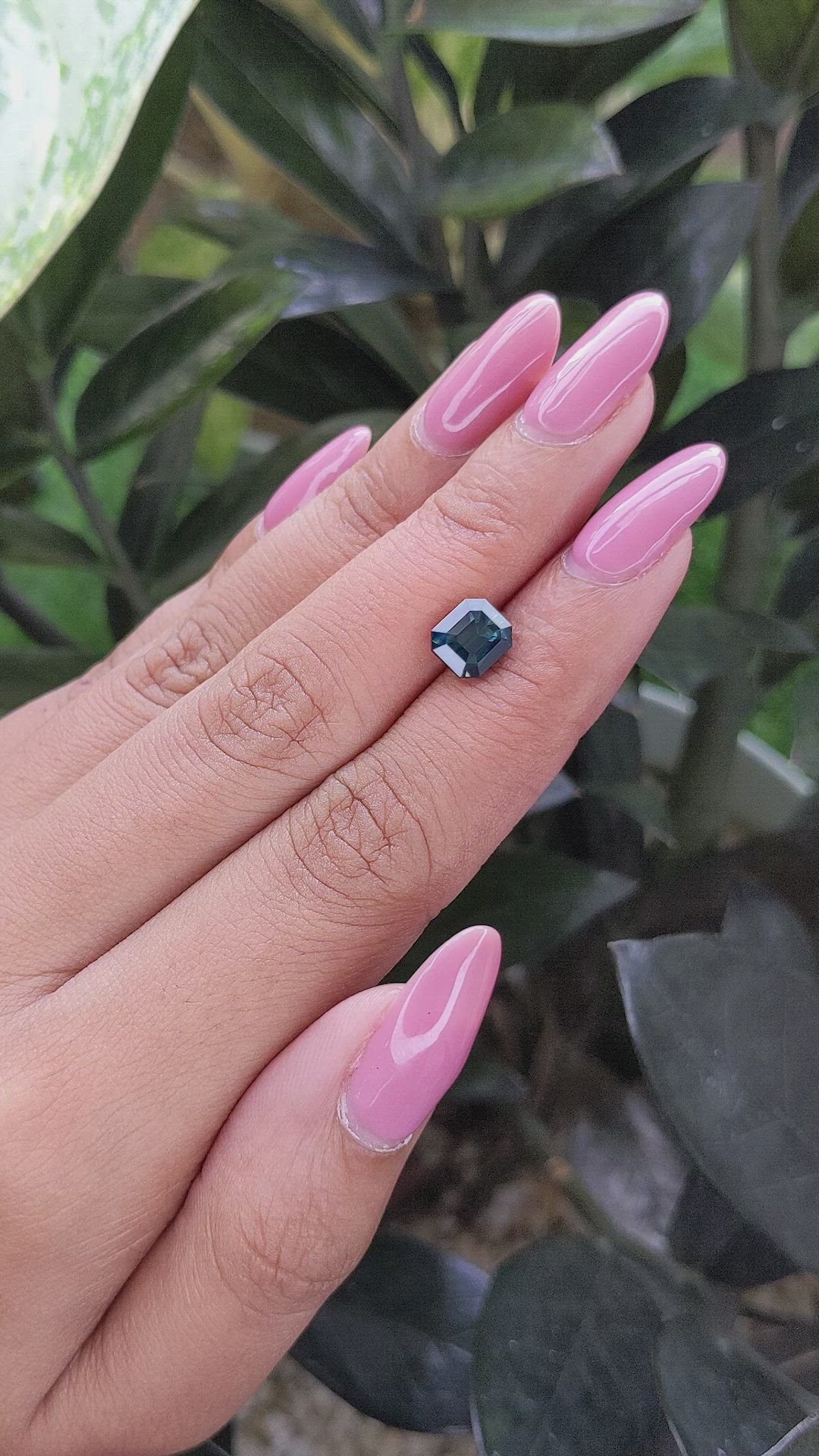
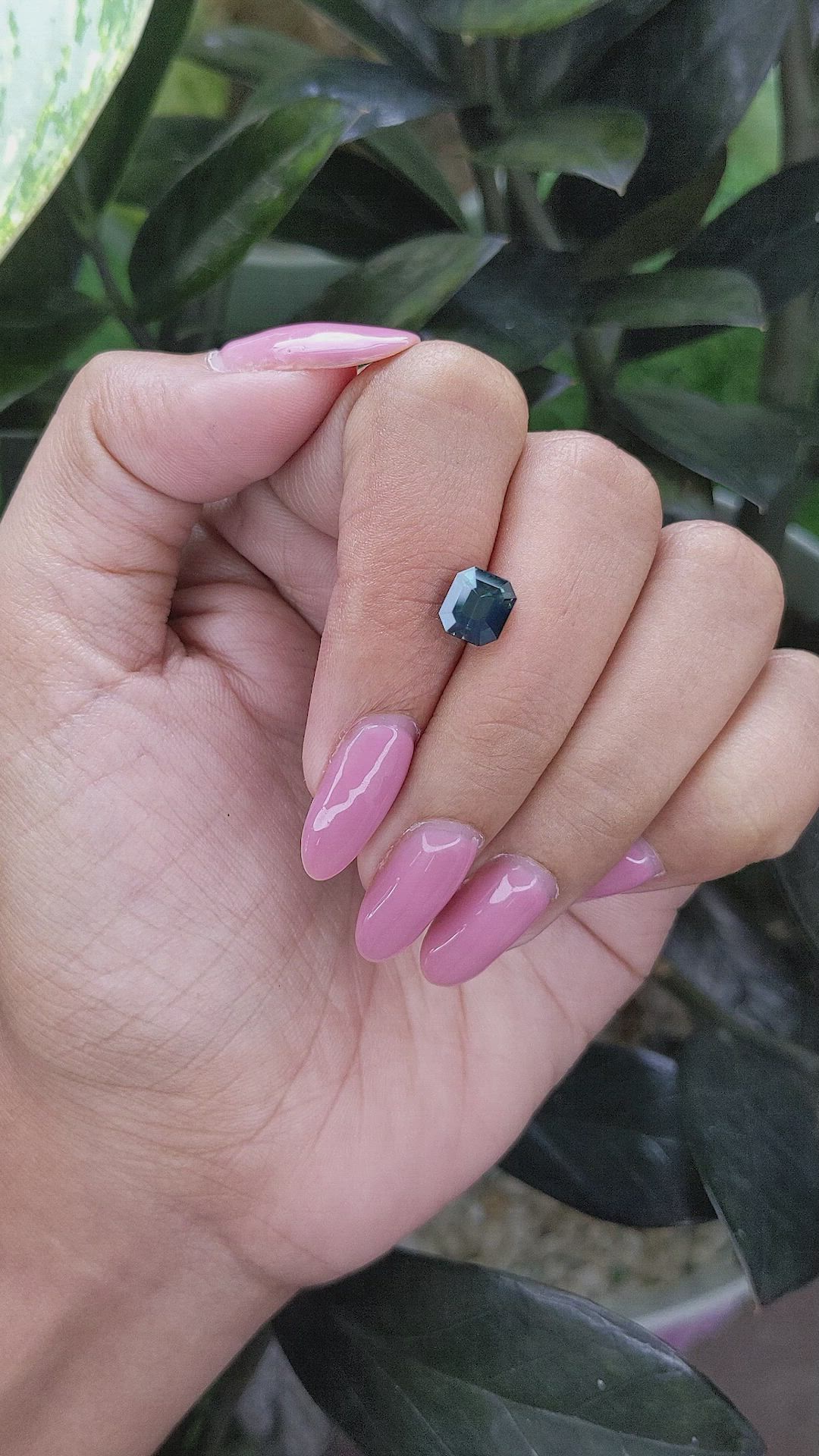

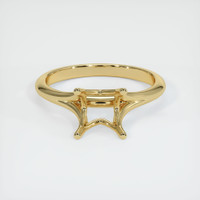
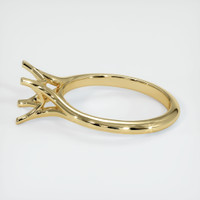





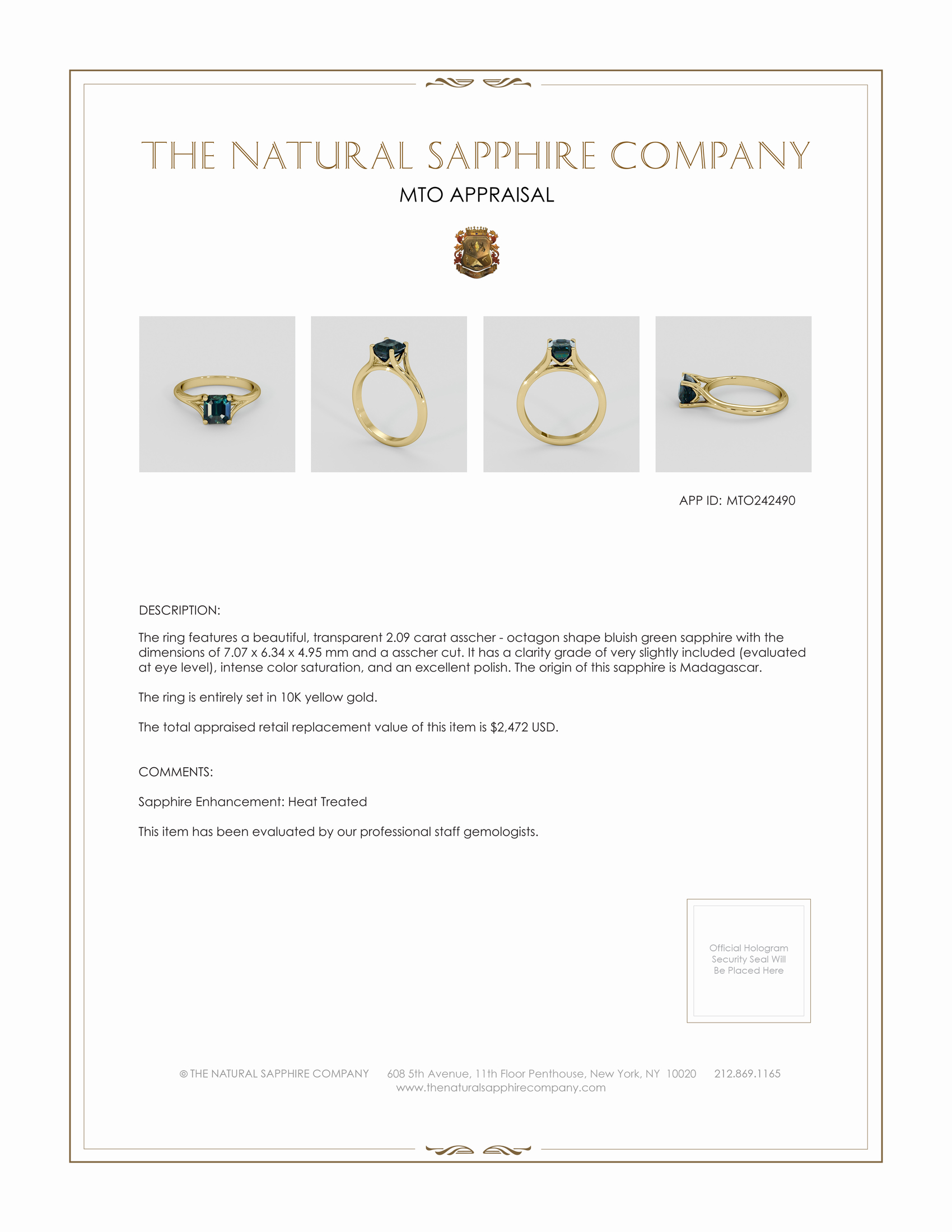


Solitaire Bluish Green Sapphire Ring 2.09 Ct., 10K Yellow Gold


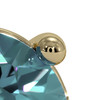
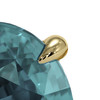


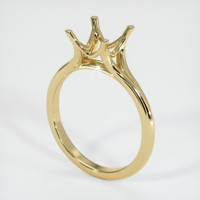
Wax Polymer Replica
Model of your Completed
Setting Design!

View 360° media
Item ID: | S28328 |
|---|---|
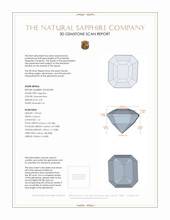
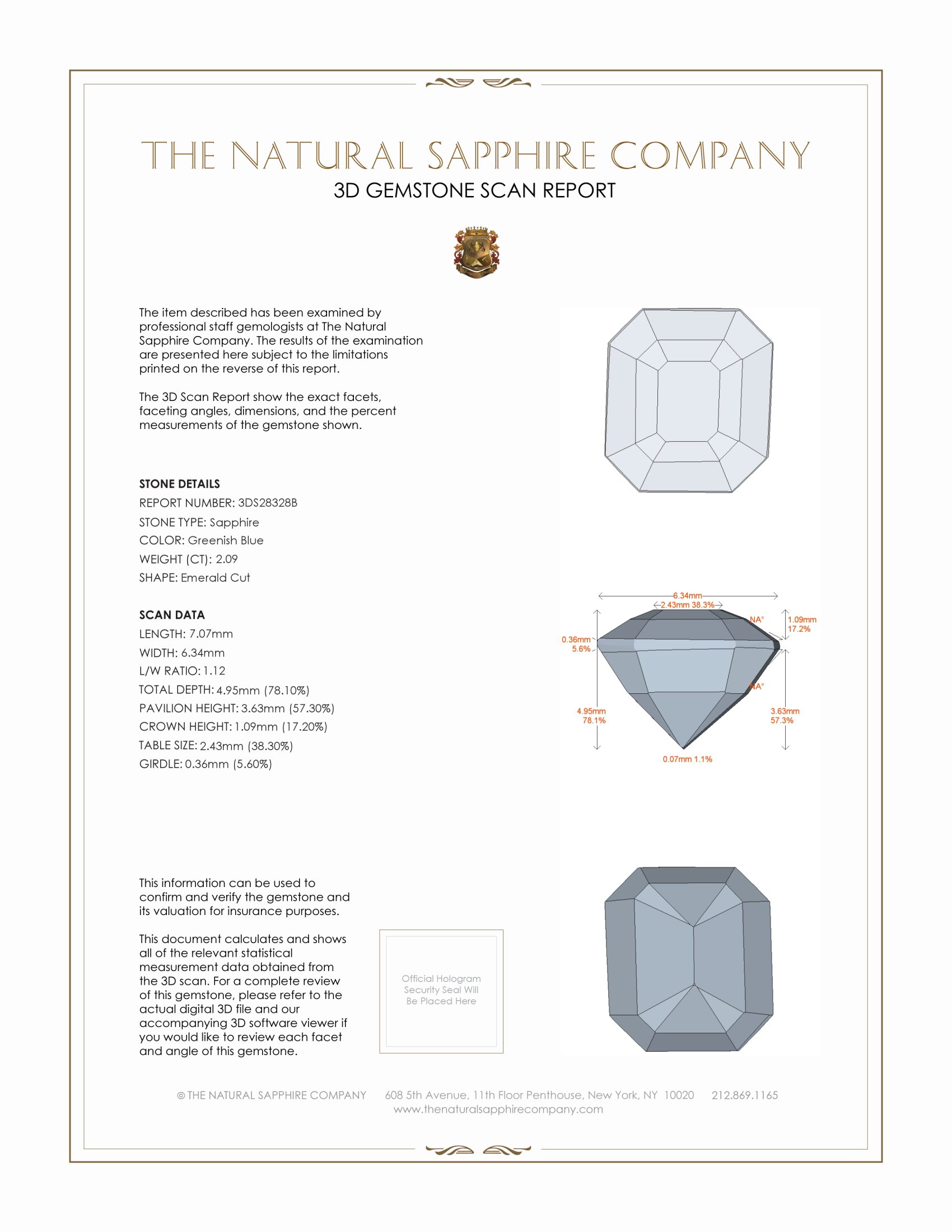
Dimensions (MM): help | Length: 7.07 Width: 6.34 Height: 4.95 |
Weight: | 2.09 Ct. |
Color: help | Bluish Green |
Color intensity: help | Intense |
Clarity: help | Very Slightly Included |
Shape: help | Asscher - Octagon |
Cut: | Asscher Cut |
Cutting style: | Faceted |
Enhancements: help | Heat Treated |
Origin: help | Madagascar |
Per carat price: help | $766 |
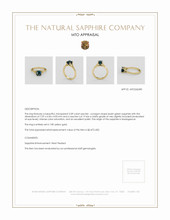
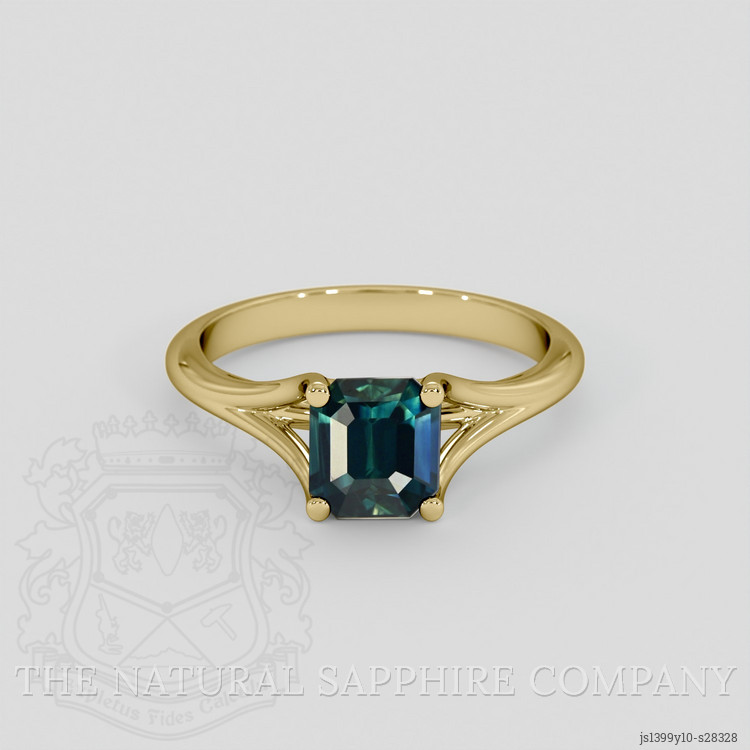
This ring centers on a transparent 2.09 carat asscher octagon shape bluish green sapphire, with calibrated dimensions of 7.07 by 6.34 by 4.95 millimeters, cut in a classical asscher facet arrangement. The asscher cut is executed as a square step cut with truncated corners that create the octagonal outline, and the faceting pattern emphasizes broad, concentric mirror facets on the crown and pavilion that yield a controlled mix of broad flashes and linear scintillation. Proportions for this stone produce a depth that is approximately 74 percent relative to the mean of the length and width, a proportion that concentrates the stone color and enhances perceived saturation without sacrificing transparency, given the excellent polish and precise facet junctions. The sapphire exhibits intense color saturation, a bluish green hue that appears evenly distributed across the table under standard lighting, and a clarity grade of very slightly included, evaluated at eye level, indicating minor internal features that do not compromise overall transparency or the integrity of facet planes. Origin is Madagascar, and the combination of origin, saturated tone, and step cut results in a gemstone that presents a rich, deep body color with lively, controlled reflections typical of a well executed asscher cut.
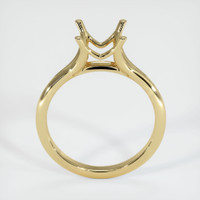
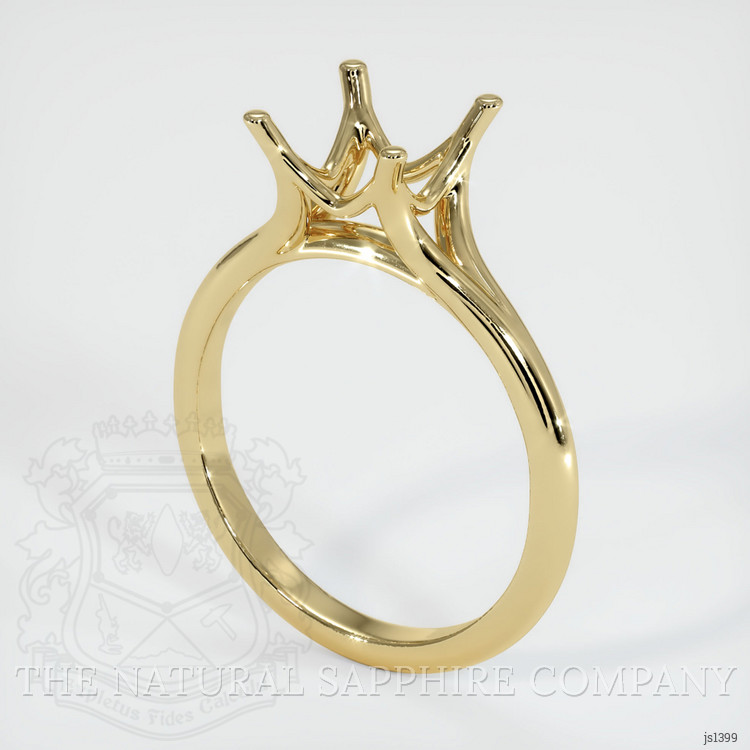
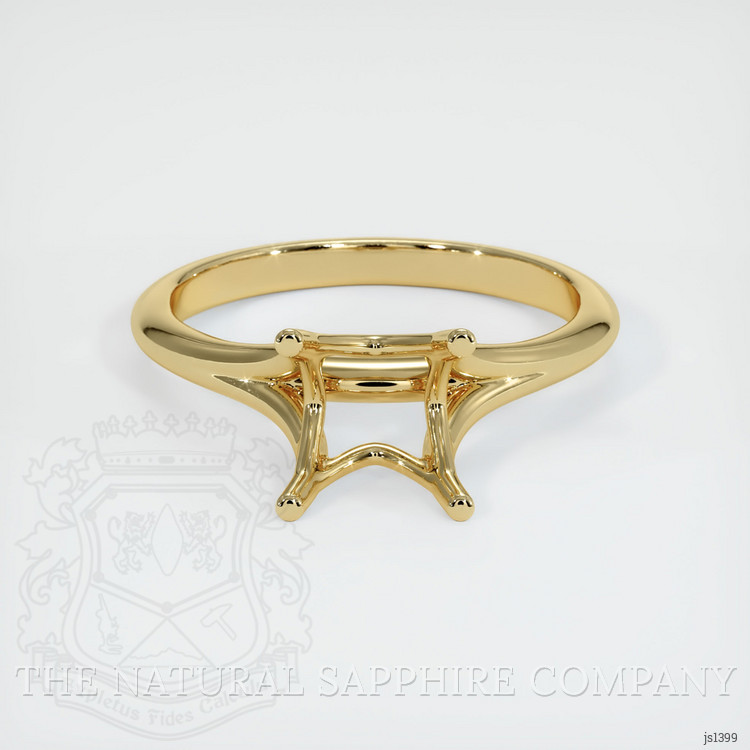
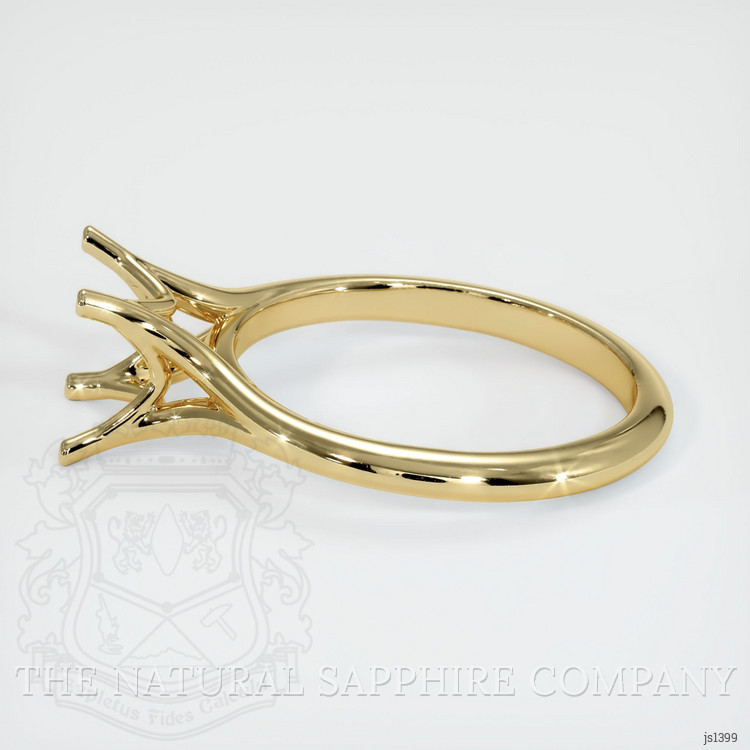
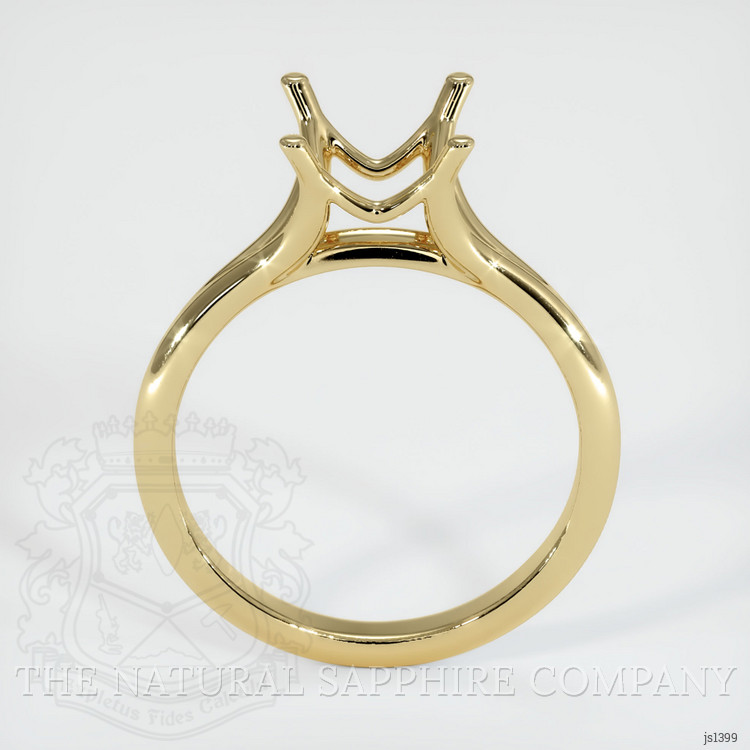
The mounting is forged entirely in 10 karat yellow gold, with a four prong securing architecture that is tailored to the octagonal profile of the asscher cut. The prongs are positioned to protect the truncated corners, while a restrained gallery profile elevates the table sufficiently to allow light entry and exit through the pavilion without exposing the girdle to excessive impact. The ring shank transitions cleanly into a split shoulder that captures light on softly rounded facets, and the overall metal finish is consistent with the gemstone polish, providing continuity between stone and setting. From a craftsmanship standpoint, the precision of the prong seats and the symmetry of the gallery are critical for asscher stones because step facets require accurate alignment to maintain the optical symmetry that produces the characteristic hall of mirrors effect. The choice of 10 karat yellow gold balances color contrast with structural resilience, the alloy composition yielding firmer prongs and a more wear resistant shank compared to higher karat gold alloys, while the warm yellow tone complements the bluish green hue, intensifying perceived saturation through contrast.
Regarding durability and suitability for daily wear, corundum, which includes sapphire, rates nine on the Mohs hardness scale, making it one of the hardest gem materials available after diamond. This intrinsic hardness confers excellent resistance to surface abrasion from common environmental contacts such as coins, keys, and everyday surfaces. Corundum also lacks true cleavage planes, which reduces the risk of catastrophic breakage from directional impact compared with minerals that cleave readily, and the very slightly included clarity grade reported here is consistent with internal features that are unlikely to affect the toughness of the gem in normal use. When combined with the protective four prong setting and a modest gallery height that minimizes snag risk, the sapphire and the 10 karat gold mounting form a durable composition suitable for regular wear. In comparative terms, this sapphire will resist abrasion far better than quartz family stones such as amethyst or citrine, and while diamond remains harder, the absence of cleavage in sapphire offers a practical toughness advantage over some other high hardness materials that may split.
To retain optimal performance and appearance over time, routine care is recommended, including gentle cleaning with warm water and mild detergent and a soft brush to remove oils and residues, periodic inspection of prong integrity, and professional maintenance to retip or tighten prongs if signs of wear appear. Ultrasonic cleaning is generally tolerated by natural corundum, however for any stone with unusual fracture filling or unspecified treatments caution is advised, and The Natural Sapphire Company can provide treatment disclosure and tailored care guidance for this specific gem. Overall, the combination of a well proportioned 2.09 carat asscher octagon sapphire, precise faceting and polish, and a robust 10 karat yellow gold setting yields a ring that balances aesthetic refinement with mechanical resilience, making it an excellent candidate for daily wear while retaining the optical attributes that discerning buyers seek.


