

- Ring21
- Stone6
- Setting5
- Reports5
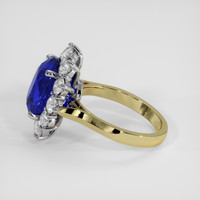



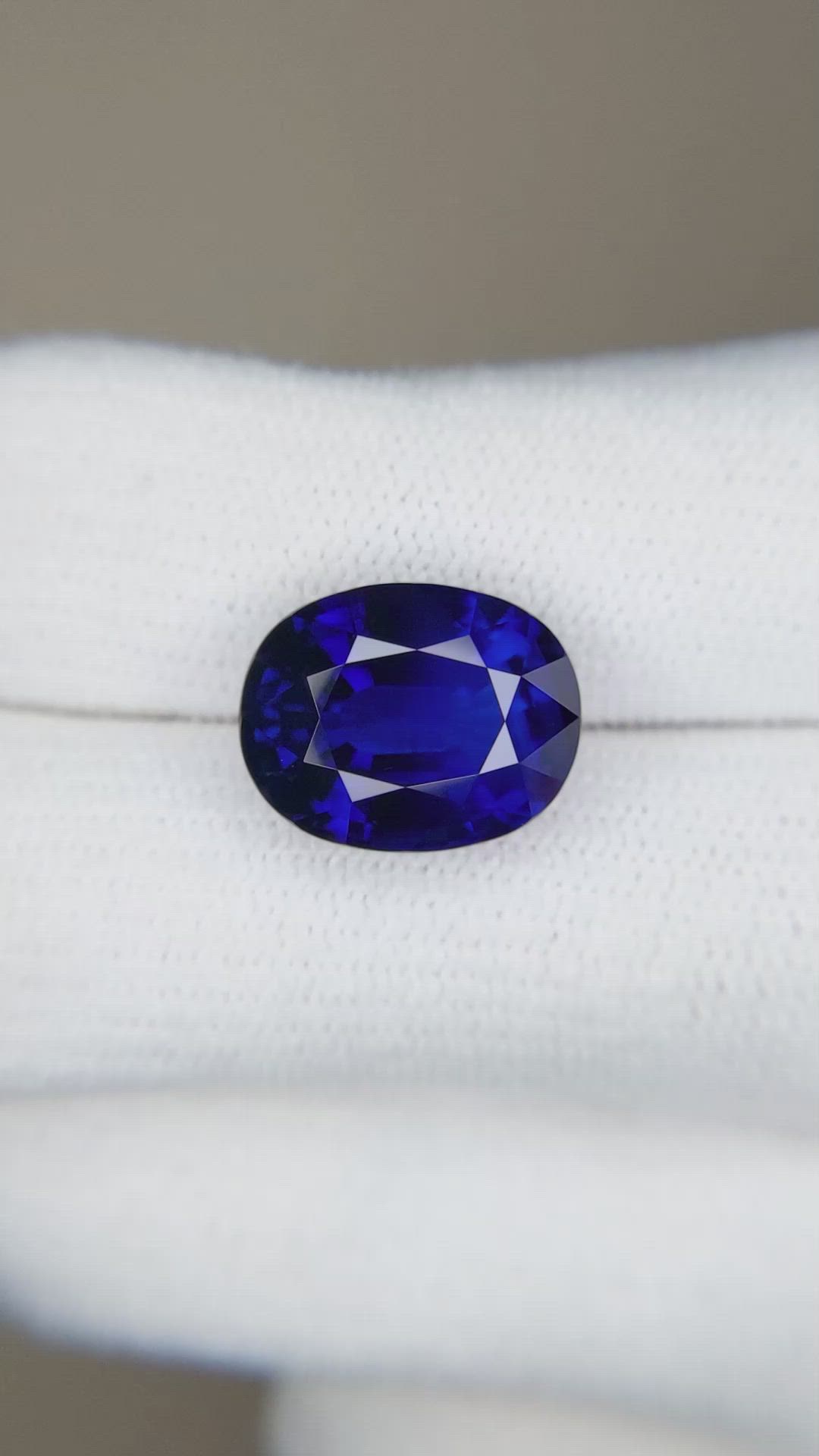
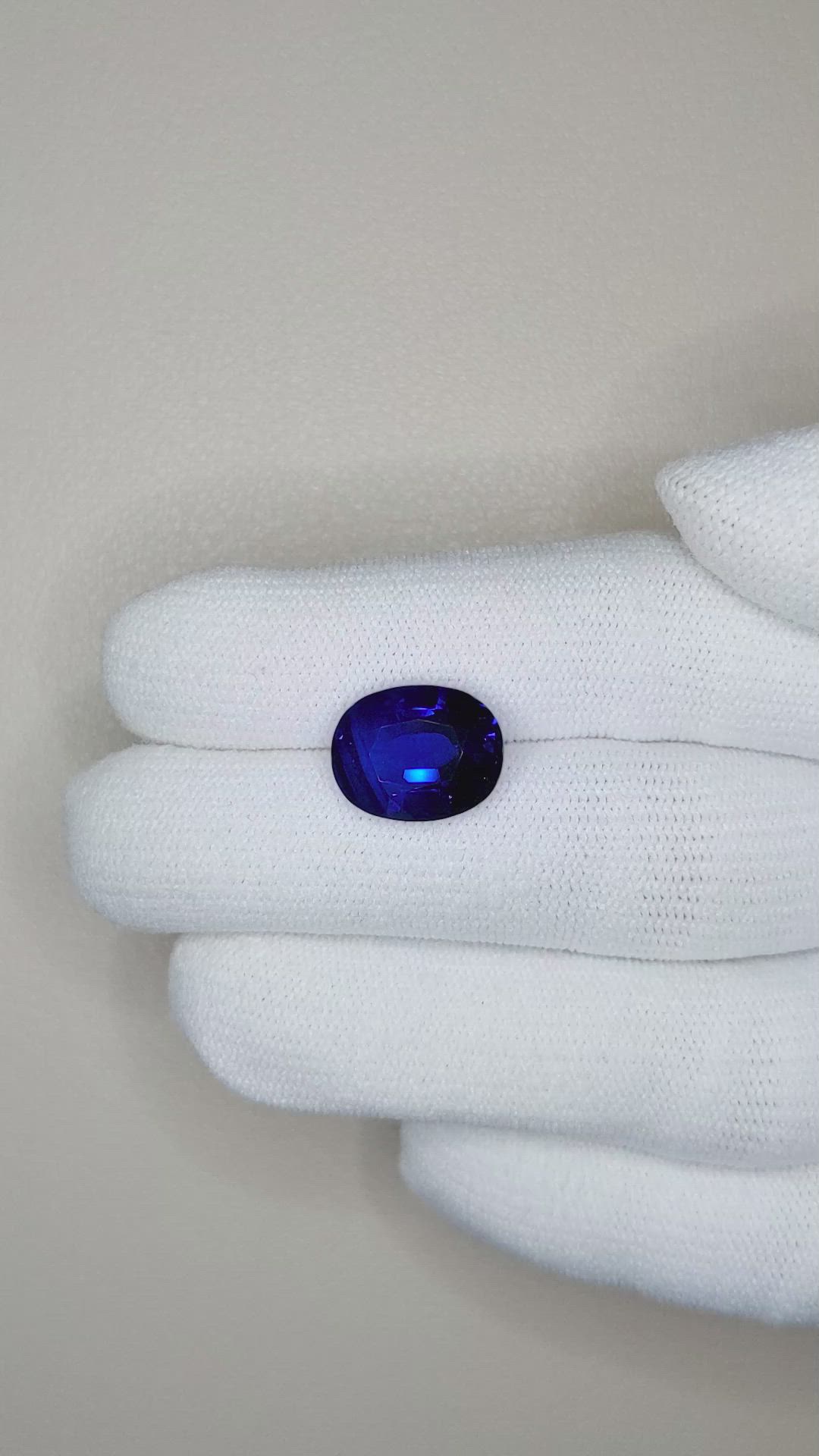
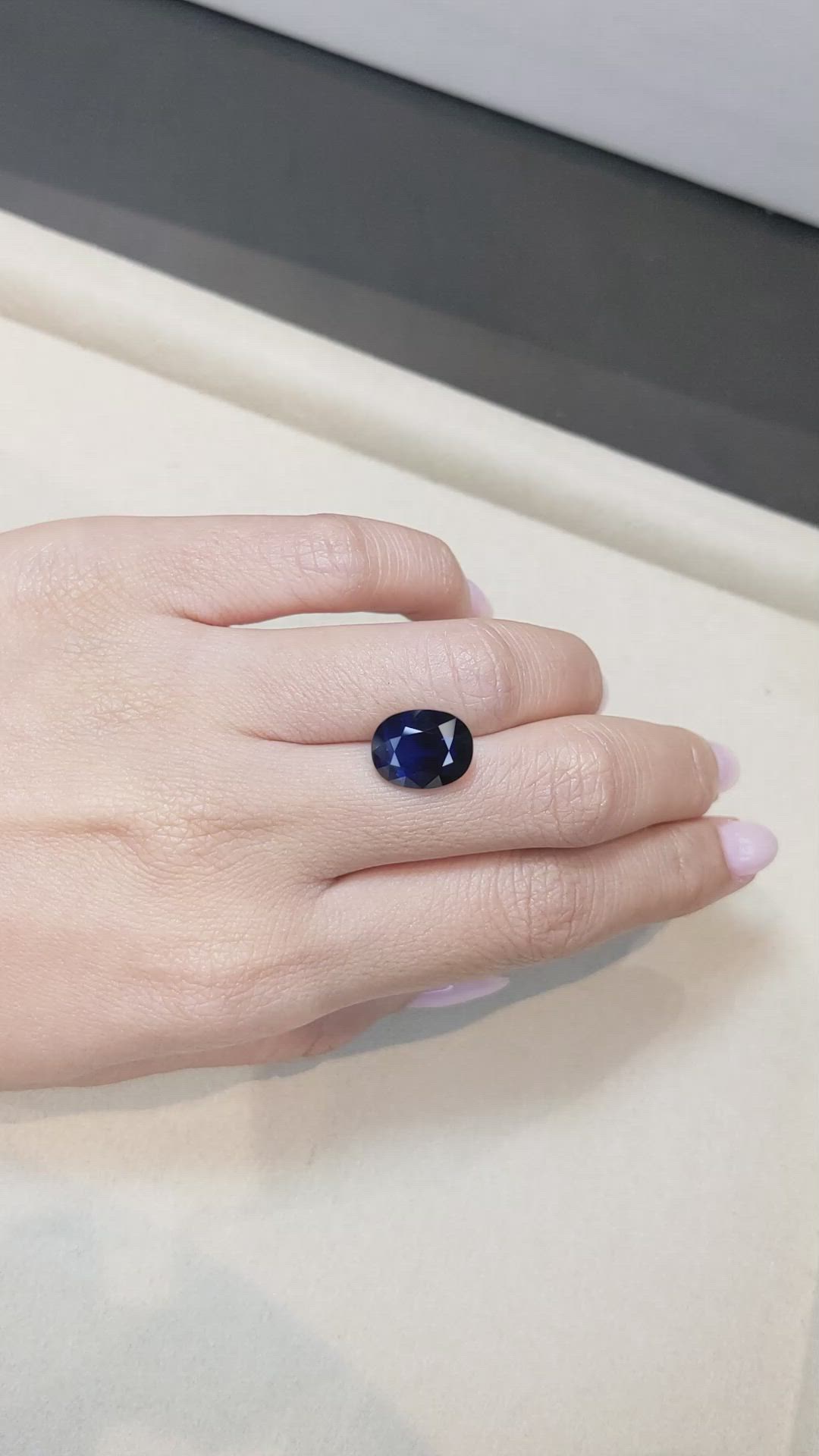



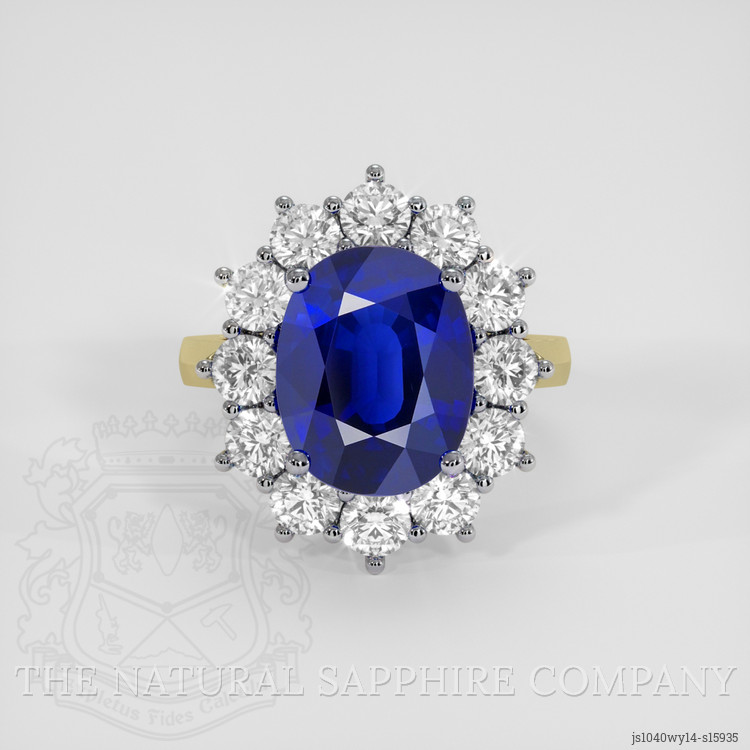
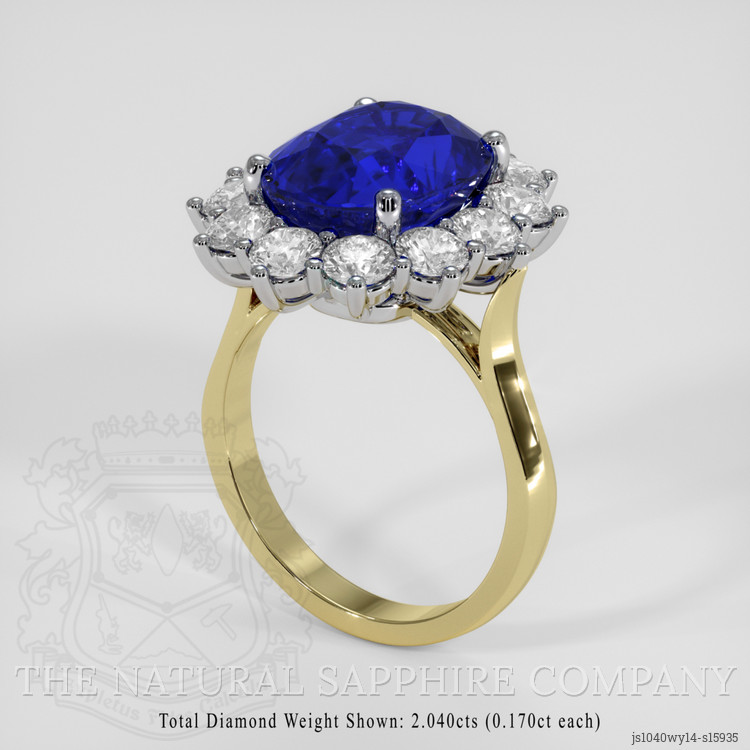
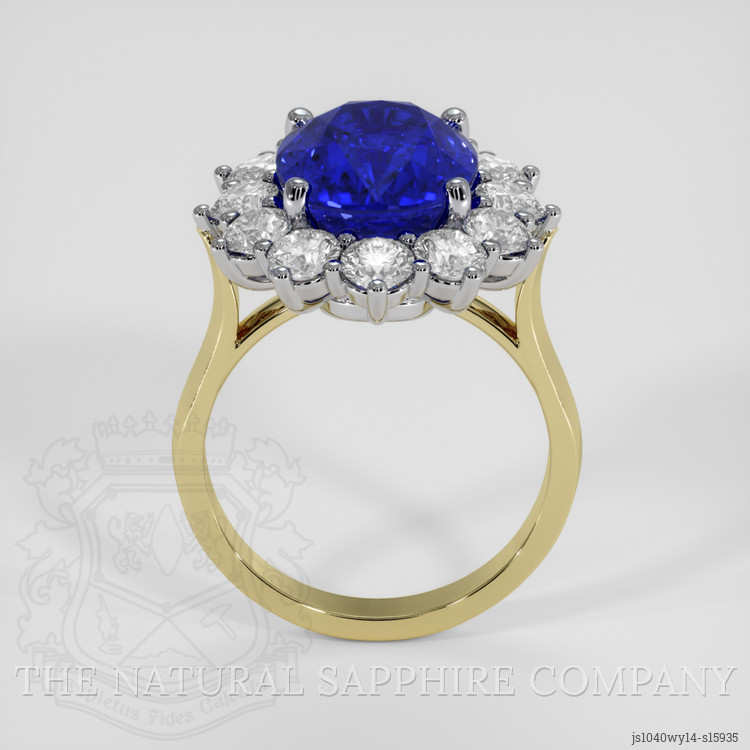
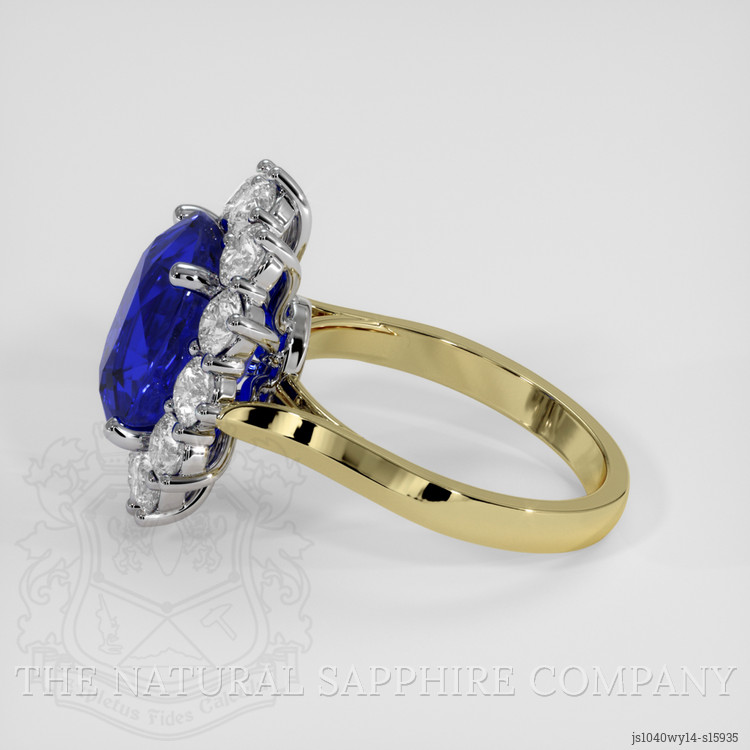
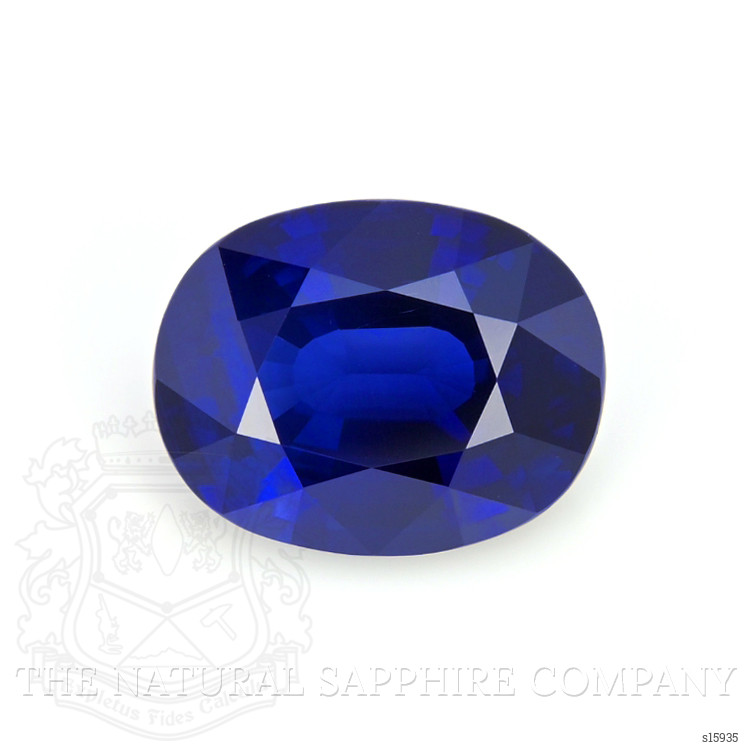

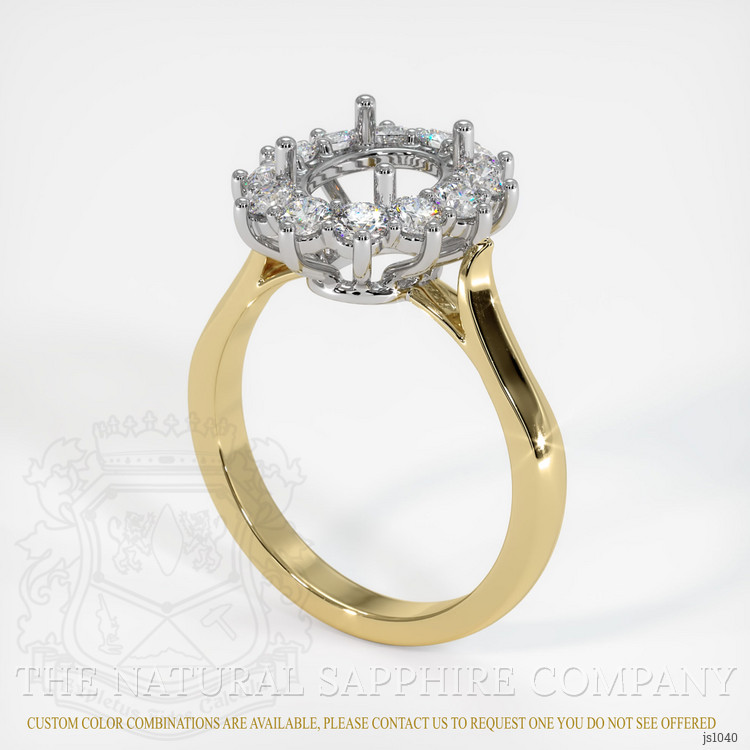
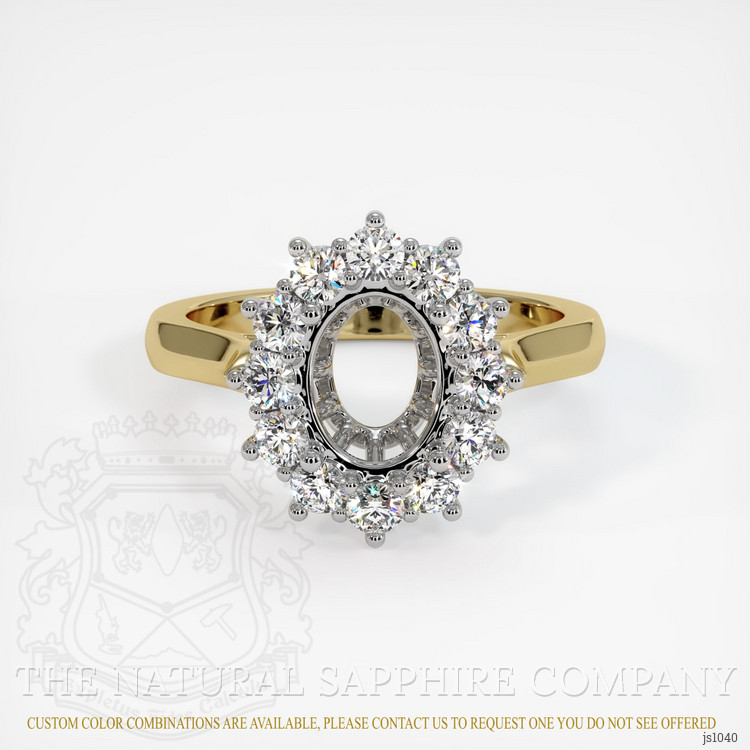

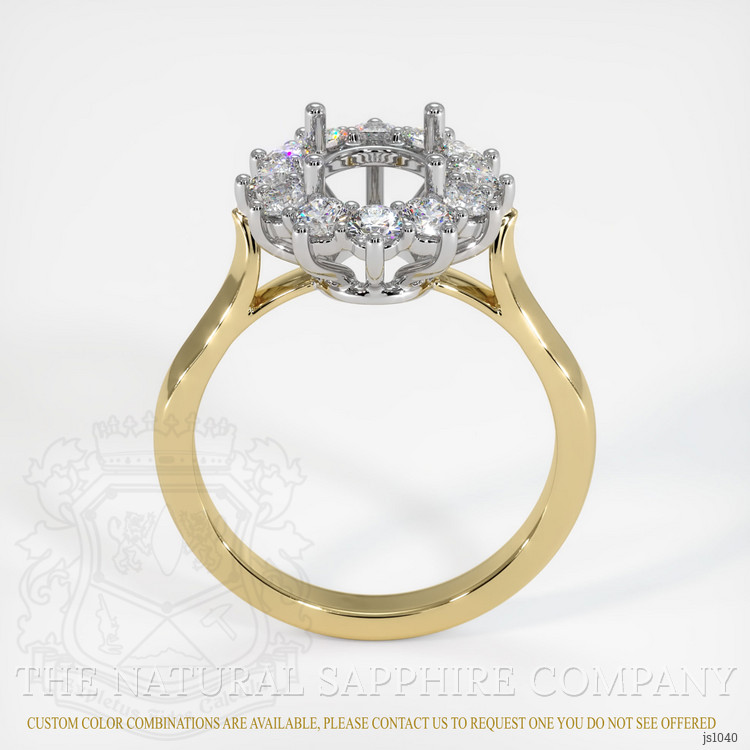


Antique Style Blue Sapphire Ring 7.92 Ct., 14K White & Yellow


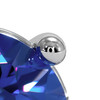
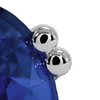
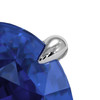
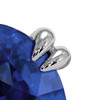


Wax Polymer Replica
Model of your Completed
Setting Design!

View 360° media
Item ID: | S15935 |
|---|---|
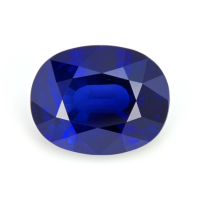
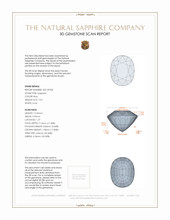
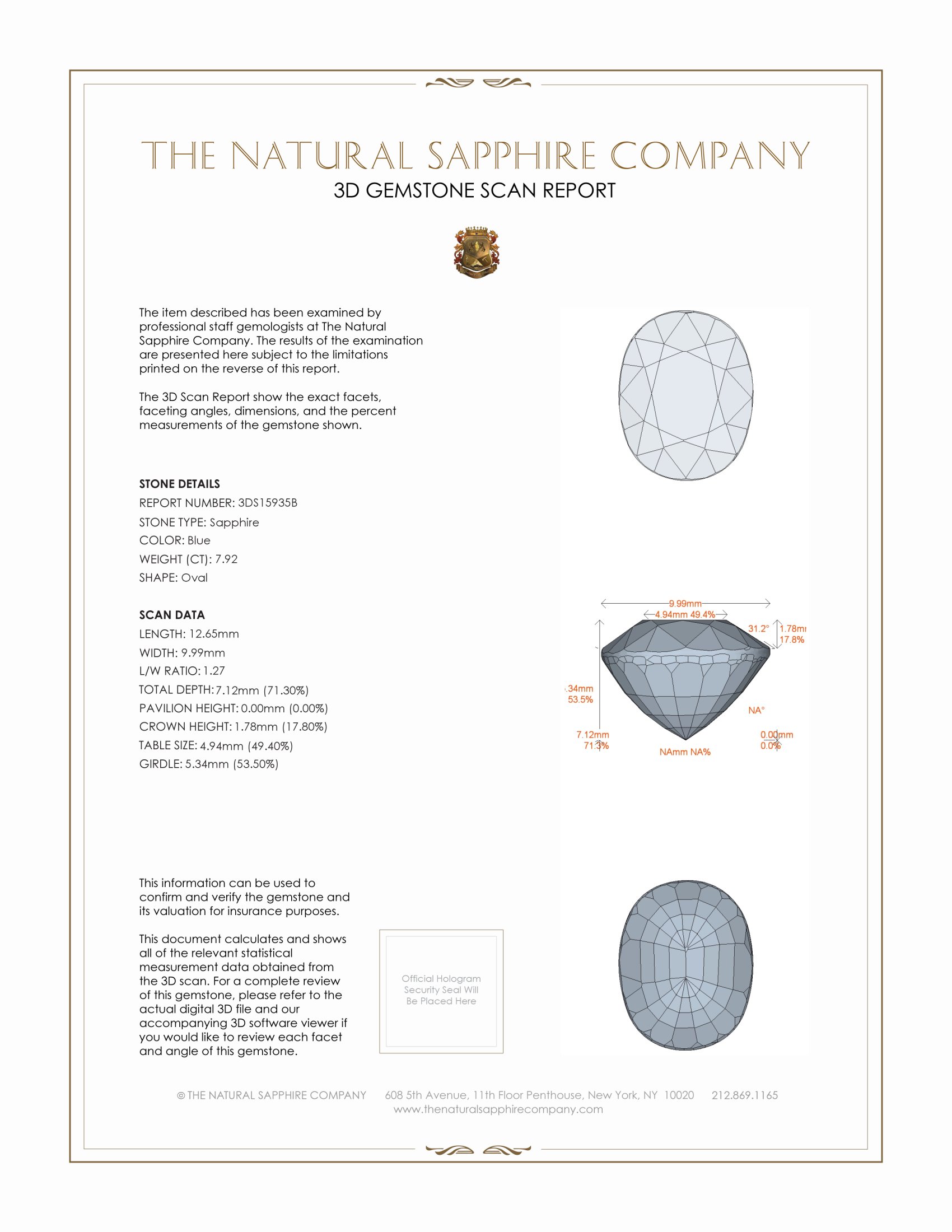
Dimensions (MM): help | Length: 12.65 Width: 9.99 Height: 7.12 |
Weight: | 7.92 Ct. |
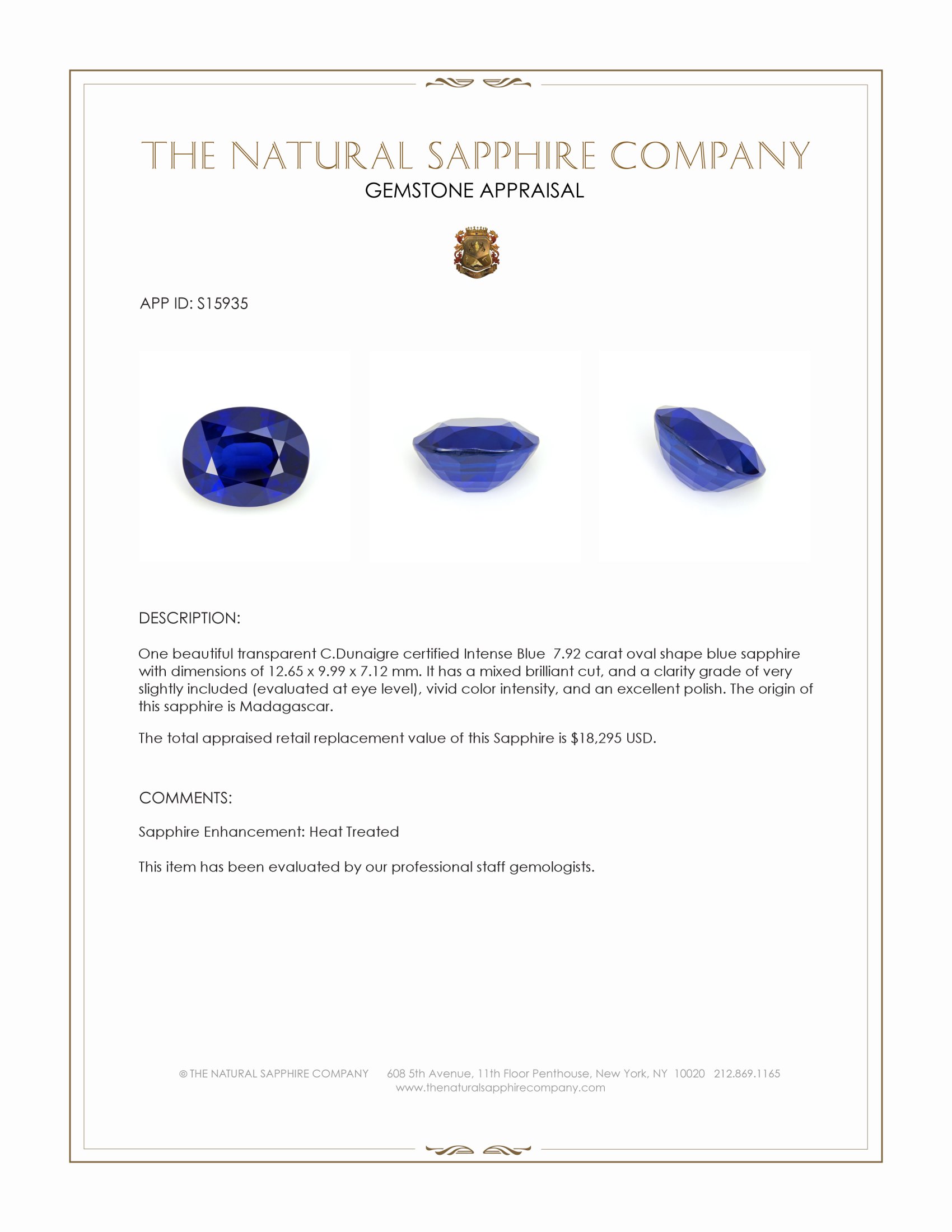
Color: help | Blue |
Color intensity: help | Vivid |
Clarity: help | Very Slightly Included |
Shape: help | Oval |
Cut: | Mixed Brilliant Cut |
Cutting style: | Faceted |
Enhancements: help | Heat Treated |
Origin: help | Madagascar |
Per carat price: help | $2,310 |
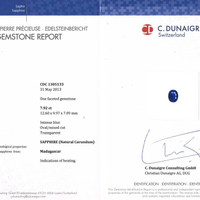
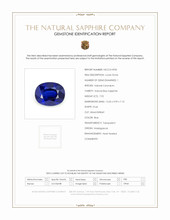
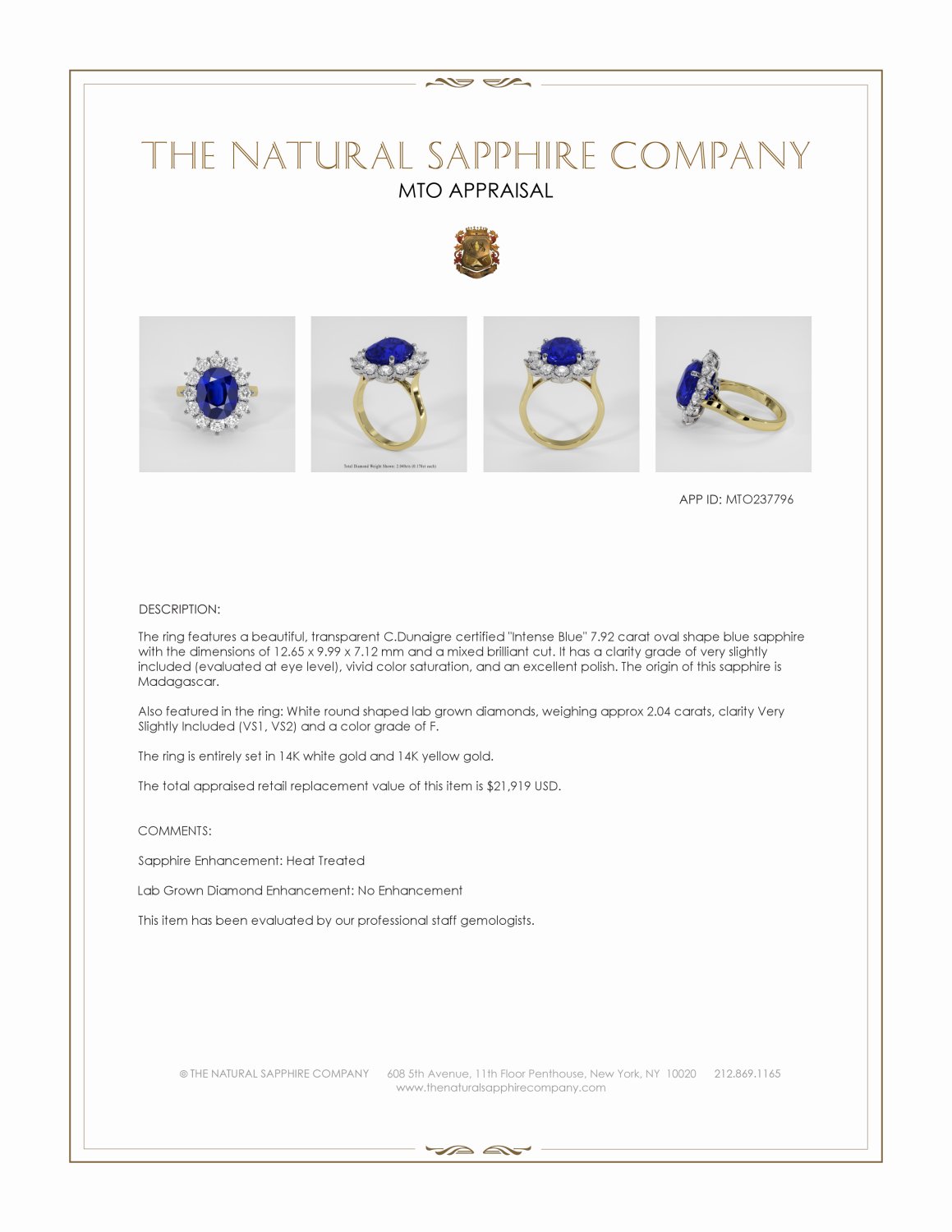
This ring centers a C.Dunaigre certified Intense Blue sapphire, weighing 7.92 carat, with dimensions 12.65 x 9.99 x 7.12 mm, cut to an oval mixed brilliant faceting scheme engineered to balance color saturation and light return. The mixed brilliant configuration combines pavilion and crown facet arrays that are specifically proportioned to reduce windowing and enhance deep blue body color while preserving scintillation across the crown. Clarity is graded as very slightly included when evaluated at eye level, indicating that inclusions are minimal and do not materially interrupt transparency or light transmission. The stone exhibits vivid color saturation, with a tone and hue relationship that reads as a pure, intense blue under standard daylight conditions, and polish is reported as excellent, which amplifies surface reflection and preserves crisp facet junctions. Origin from Madagascar is significant from a gemological perspective, because the crystallographic habit and inclusion suites typical of Malagasy corundum contribute to a distinct internal texture and optical signature that gem reports such as the C.Dunaigre certificate document and authenticate.
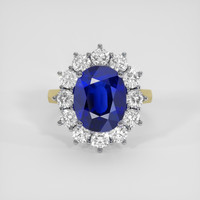
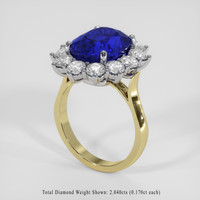
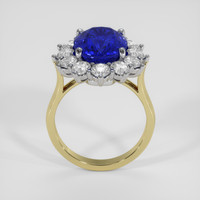
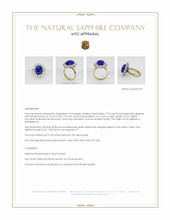
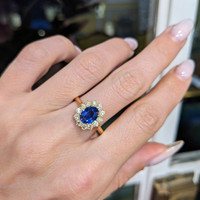
The mounting architecture is executed in two tone 18K metals, with the sapphire seated within an 18K white gold head that carries a halo of white round lab grown diamonds, totaling approximately 2.04 carat, and a shank in 18K yellow gold. The lab grown diamonds are graded F color, and clarity grades range VS1 to VS2, which positions them as high quality melee that deliver neutral white color and lively brilliance against the intense blue center. The halo arrangement is set with precision prongs that place each diamond at the same optical plane to form a consistent reflective bezel, and the white gold surrounds the sapphire to maximize face up whiteness and reduce any color leakage from the mounting. The yellow gold shank is sympathetically contoured and polished to a high gloss finish, creating a warm contrast that visually deepens the sapphire tone. The overall craftsmanship emphasizes facet alignment, consistent pavillion depths, and tight prong spacing to secure the sapphire at its girdle while allowing light ingress from the pavilion to work with the mixed brilliant geometry for optimum saturation and scintillation.
When comparing this natural Madagascar Intense Blue sapphire to laboratory grown sapphire alternatives, several technical differentiators are relevant to discerning buyers. Both natural and synthetic corundum share the same chemical composition and hardness, and both can be fashioned into identical faceting schemes to achieve comparable brilliance. The key contrasts lie in internal growth features, color zoning, and provenance. Lab grown sapphires produced by methods such as the flux method, the Verneuil flame fusion method, or hydrothermal synthesis tend to show more homogenous color distribution and fewer natural inclusions. They can also display growth features that are diagnostic under magnification, such as curved striations in flame fused material or seed plate features in flux grown material, and metallic flux residues in some flux stones. Natural Malagasy sapphires of this size and vivid saturation, especially when accompanied by a reputable lab certificate, present a mosaic of natural inclusions, silk textures, and zoning patterns that record geological formation conditions, and these microstructures can create a velvety depth and complex light scattering that many connoisseurs prefer. From a market perspective, natural sapphires, particularly those with documented origin and strong saturation, typically retain premium value and collectible appeal, whereas lab grown sapphires offer price parity benefits and near perfect clarity at a lower price point.
For clients assessing significance versus practical performance, the Natural Sapphire Company presents this ring as an example where natural provenance, certified origin, and a substantial 7.92 carat intense blue oval combine with expert mixed brilliant cutting and excellent polish to deliver a gem that is both visually compelling and technically superior in its natural characteristics. Buyers seeking geological uniqueness and long term rarity will appreciate the Madagascar origin and the inclusion patterns that attest to natural growth. Buyers focused on budget efficiency and uniform perfection may find lab grown alternatives attractive, but should weigh the differences in internal character, certification of origin, and potential future market behavior. If you would like a loupe level walk through of the sapphire, a comparison set of lab grown stones, or the full C.Dunaigre certificate and high magnification images, The Natural Sapphire Company can provide these resources to assist your evaluation.


