
-oval-blue-sapphire-6.5700-cts-s32059-1.jpg?d=200x200&v=20251022093039)
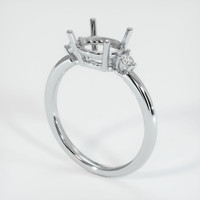
- Ring25
- Stone11
- Setting5
- Reports4



-oval-blue-sapphire-6.5700-cts-s32059-lifestyleimage-1.jpg?d=200x200&v=20251022180524)
-oval-blue-sapphire-6.5700-cts-s32059-lifestyleimage-2.jpg?d=200x200&v=20251022180524)
-oval-blue-sapphire-6.5700-cts-s32059-lifestyleimage-3.jpg?d=200x200&v=20251022180524)



-oval-blue-sapphire-6.5700-cts-s32059-1.jpg?d=750x750&s=nsc&v=20251022093039)
-oval-blue-sapphire-6.5700-cts-s32059-lifestyleimage-1.jpg?d=750x750&s=nsc&v=20251022180524)
-oval-blue-sapphire-6.5700-cts-s32059-lifestyleimage-2.jpg?d=750x750&s=nsc&v=20251022180524)
-oval-blue-sapphire-6.5700-cts-s32059-lifestyleimage-3.jpg?d=750x750&s=nsc&v=20251022180524)



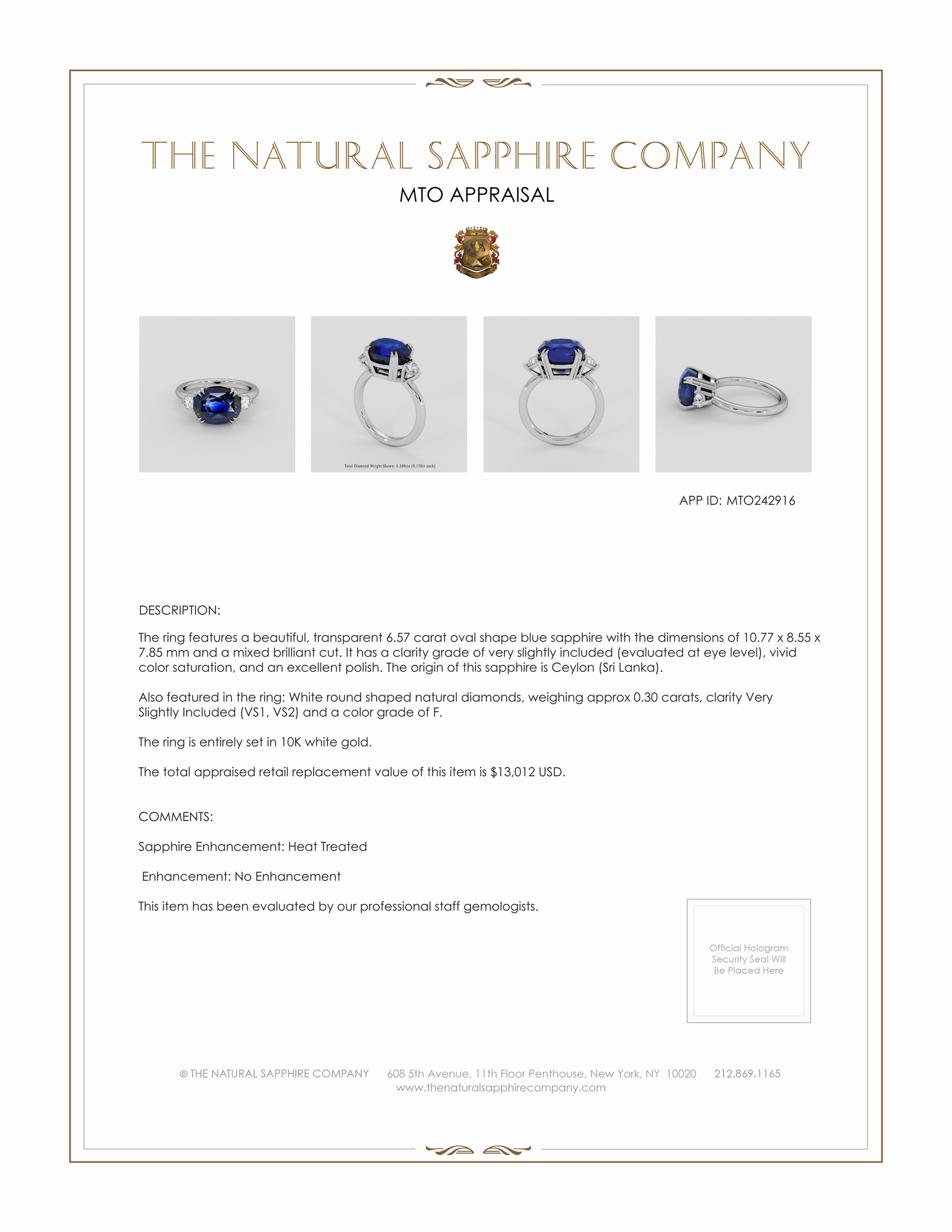

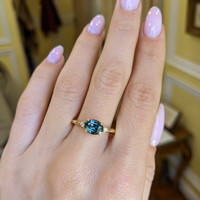
Three Stone Blue Sapphire Ring 6.57 Ct., 10K White Gold





Wax Polymer Replica
Model of your Completed
Setting Design!

View 360° media
Item ID: | S32059 |
|---|---|
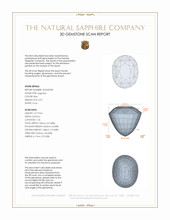
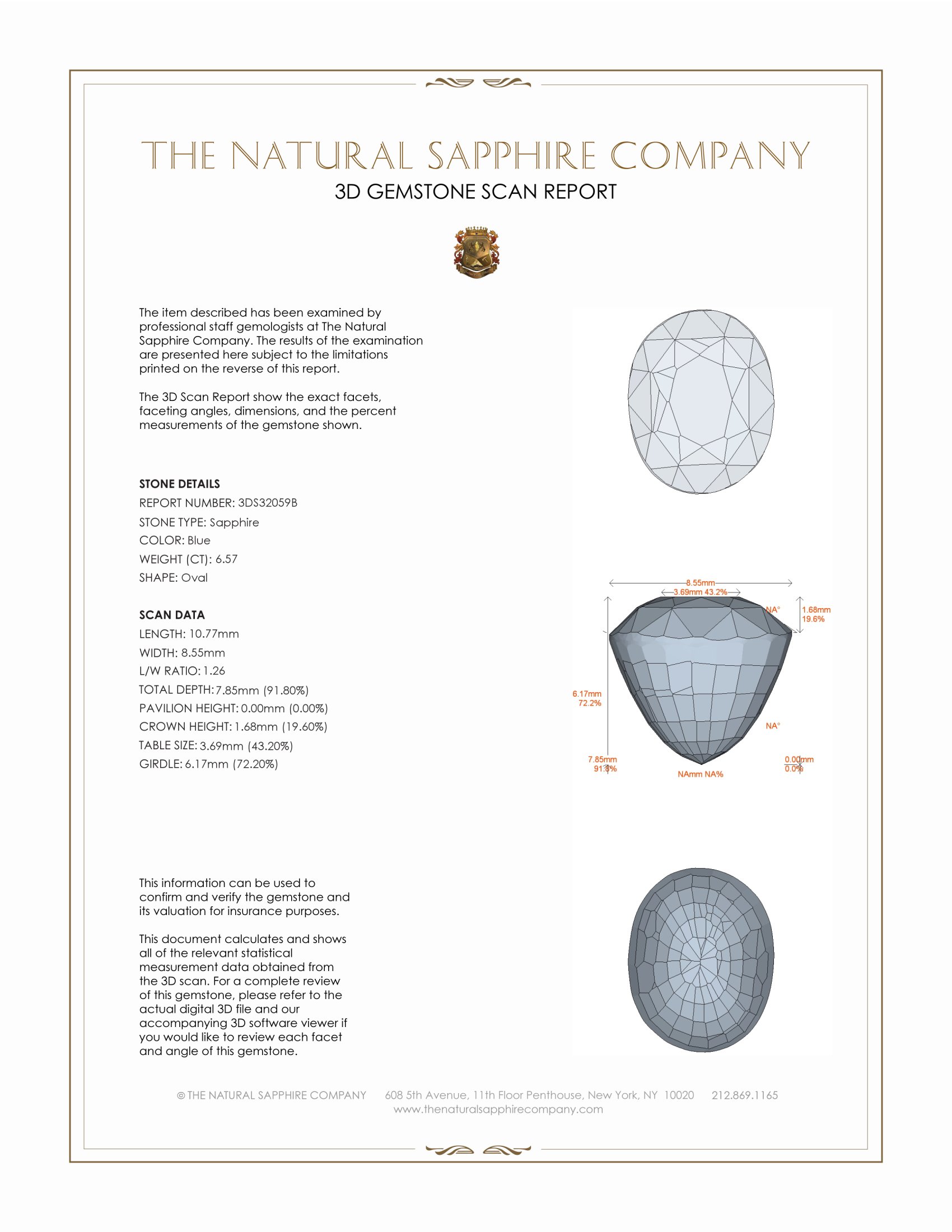
Dimensions (MM): help | Length: 10.77 Width: 8.55 Height: 7.85 |
Weight: | 6.57 Ct. |
Color: help | Blue |
Color intensity: help | Vivid |
Clarity: help | Very Slightly Included |
Shape: help | Oval |
Cut: | Mixed Brilliant Cut |
Cutting style: | Faceted |
Enhancements: help | Heat Treated |
Origin: help | Ceylon (Sri Lanka) |
Per carat price: help | $1,681 |
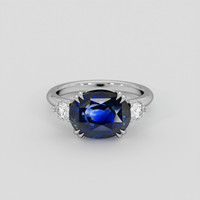
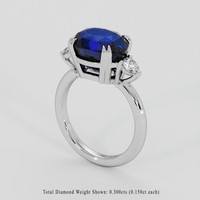
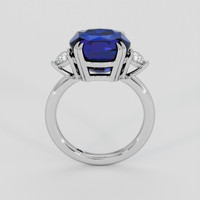
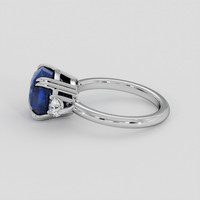
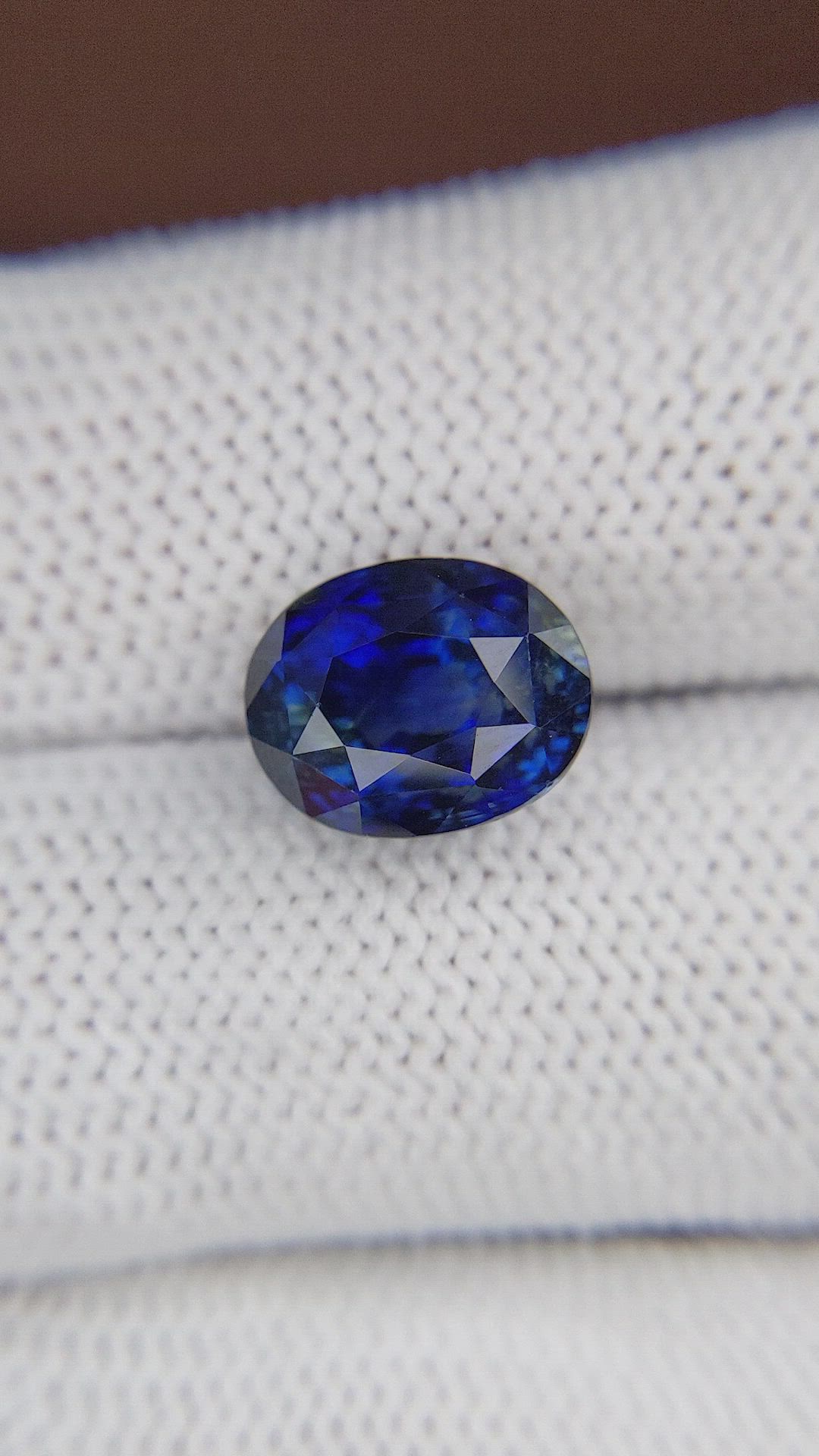
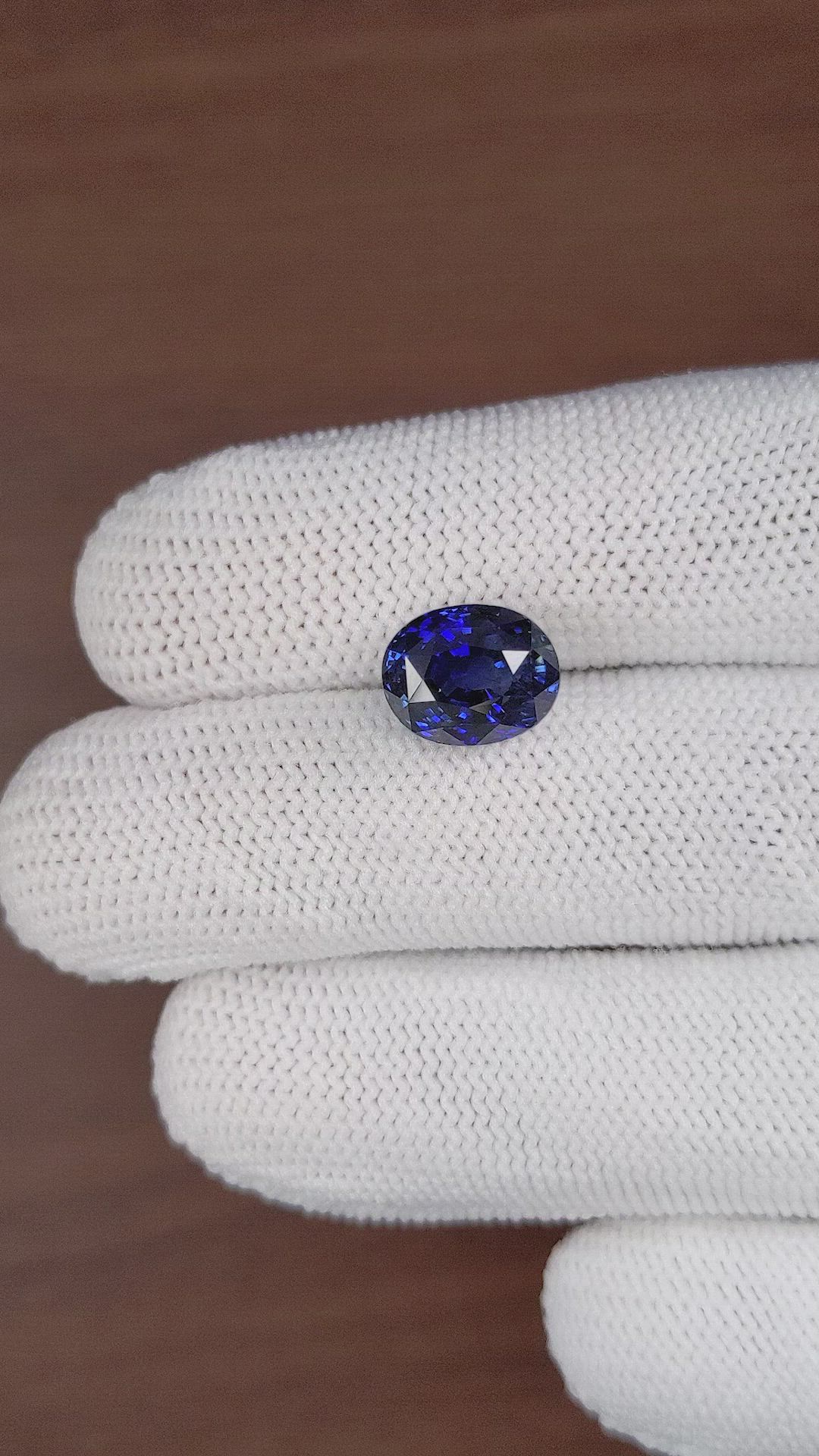
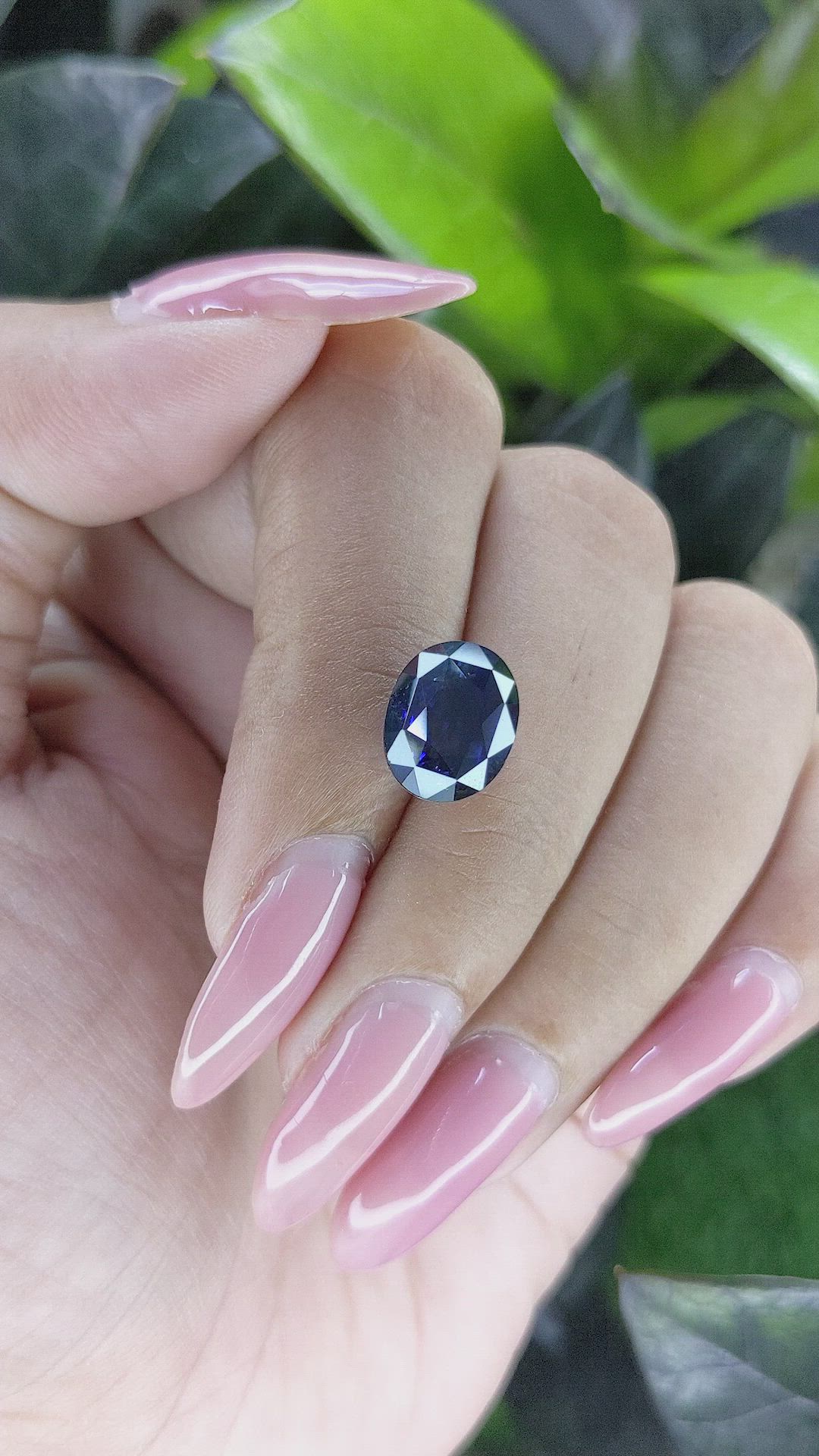
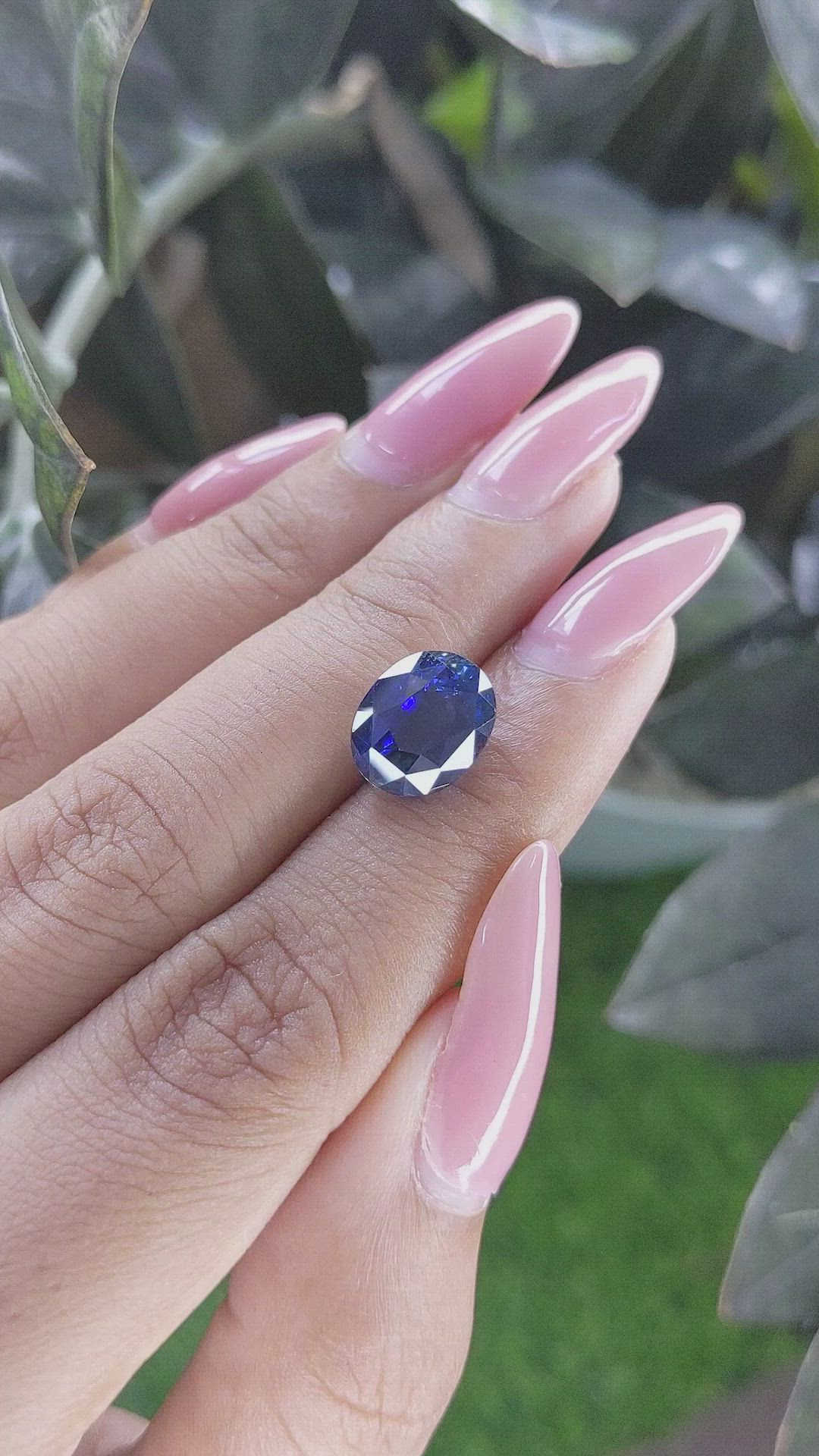
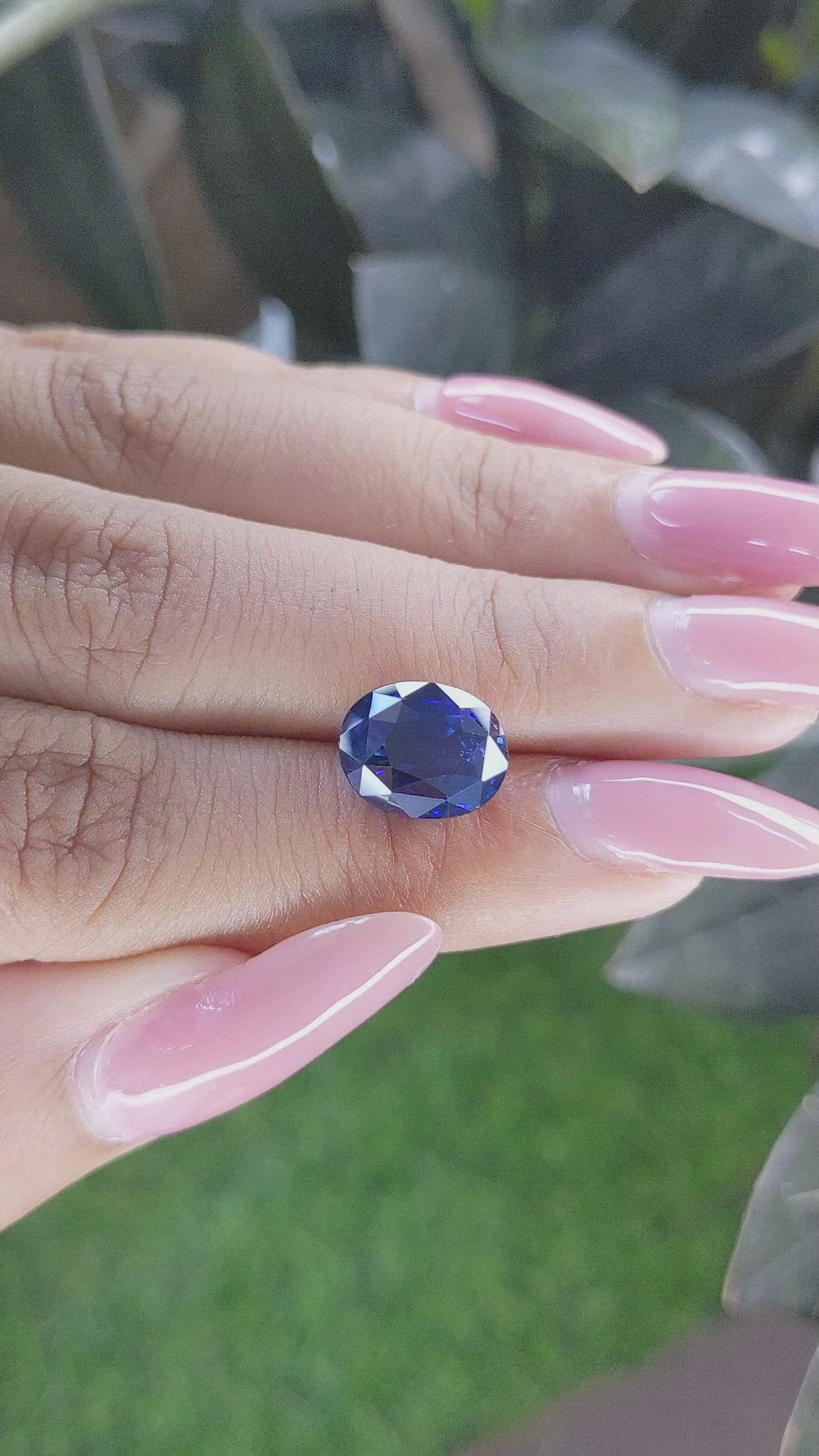
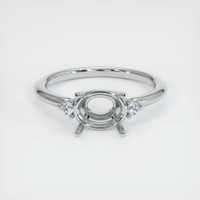
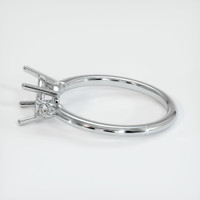
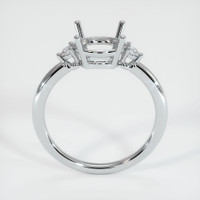
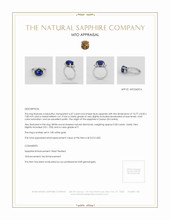
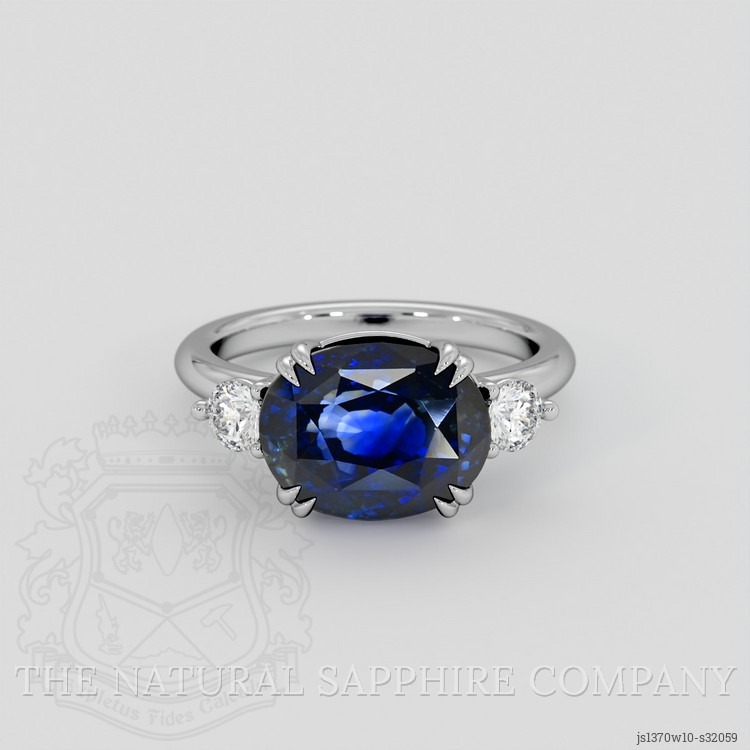
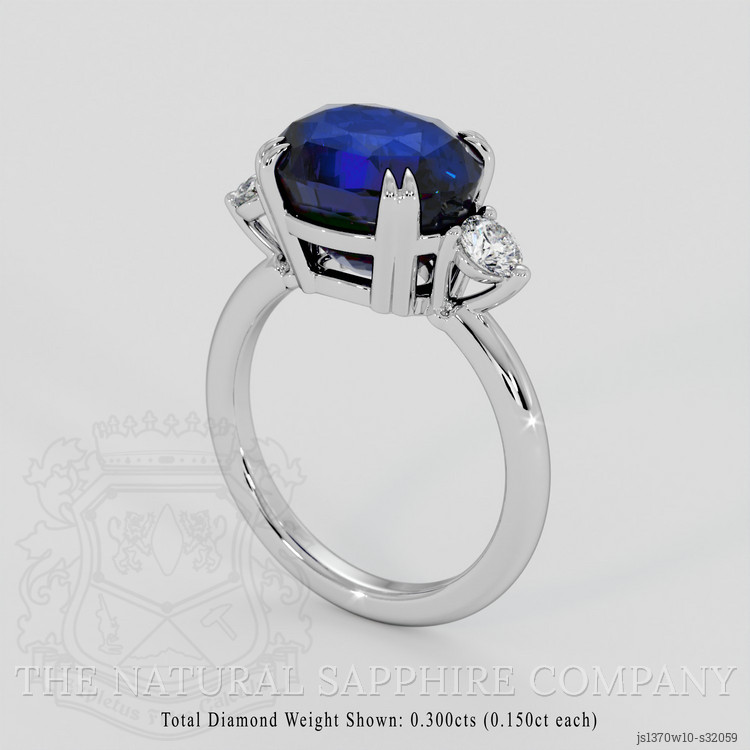
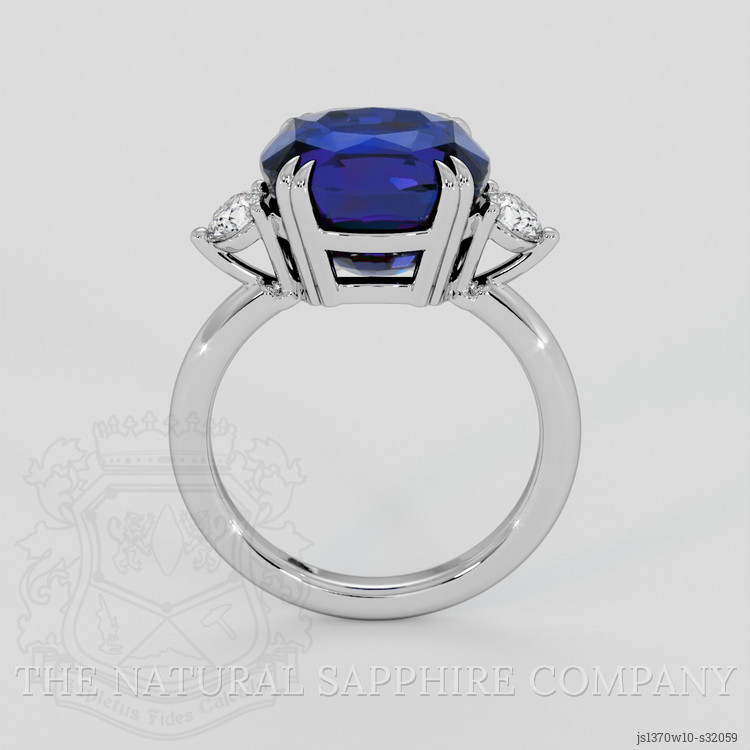
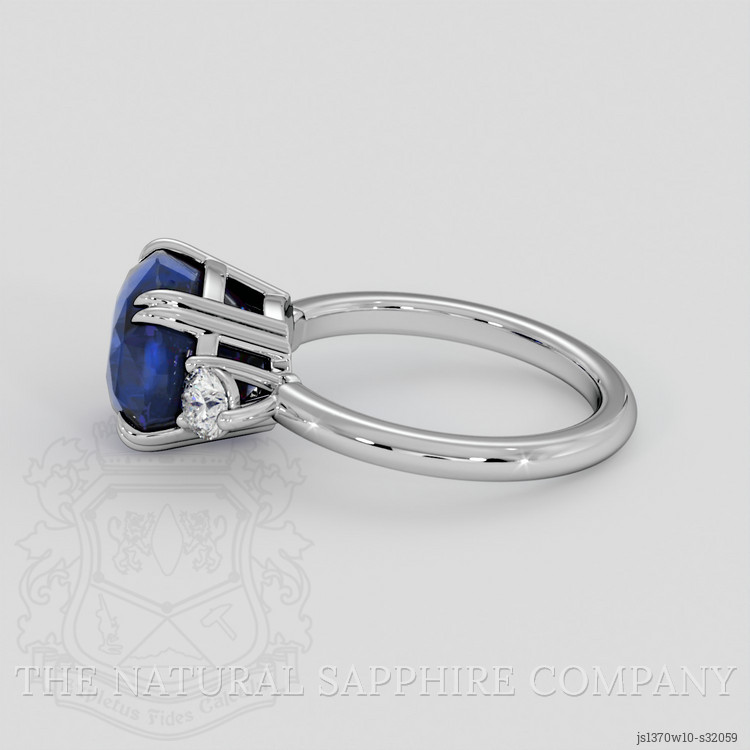
This ring centers on a transparent, oval shaped blue sapphire weighing 6.57 carats, with dimensions of 10.77 by 8.55 by 7.85 millimeters, and a mixed brilliant cut. The sapphire displays vivid color saturation and an excellent polish, with a clarity grade of very slightly included when evaluated at eye level. The stone is identified as originating from Ceylon, Sri Lanka, a source known for producing blues that range from cornflower to deeper royal tones. The design uses a classic four prong gallery that elevates the sapphire to maximize light return and visual depth, while the profile and prong configuration protect the pavilion and girdle without obscuring the table. The mounting is crafted in platinum 950, which provides both structural integrity and a cool white field that complements the blue of the sapphire. Flanking the center stone are white round shaped lab grown diamonds, weighing approximately 0.30 carats total, with clarity grades of very slightly included in the VS1 and VS2 range, and a color grade of F, selected to provide balanced sparkle and color neutrality against the sapphire.
When comparing a natural Ceylon sapphire of this quality to lab grown sapphire alternatives, several objective distinctions are relevant. Inclusions that account for the very slightly included clarity grade are common in natural stones and serve as indicators of natural formation, often imparting a subtle depth and character to the hue and light performance. Lab grown sapphires are produced under controlled conditions that can yield very low inclusion levels and highly consistent color, but they typically exhibit growth structures and features that gemological laboratories can identify as synthetic, such as curved growth lines in some flux grown material or specific metallic inclusions in certain processes. Color saturation in high quality lab grown sapphires can match or exceed natural examples, yet natural Ceylon sapphires often present complex color zoning and nuance that respond distinctively to different lighting environments. From a durability perspective, natural and lab grown sapphires are equivalent, both being corundum and rated similarly on the Mohs scale, and both are excellent for daily wear when set properly in platinum 950.
Selecting this natural Ceylon sapphire ring from The Natural Sapphire Company involves considerations beyond immediate appearance, encompassing provenance, rarity, and potential long term value. The natural origin reported for this sapphire provides documented geographic provenance that many buyers place value on, and the stone’s vivid saturation combined with very slightly included clarity at eye level places it within a category that is both visually striking and characterful. The inclusion of white round lab grown diamonds as side stones offers a practical and ethical balance, providing high quality sparkle with VS clarity and F color while maintaining responsible sourcing for the accent stones. The platinum 950 setting ensures a robust, low maintenance mounting that resists wear and maintains its color over time. For customers weighing natural versus lab grown options, the key differences are provenance and the unique internal character of natural stones, versus near perfection and uniformity that some lab grown sapphires can achieve. Our team can provide detailed documentation and imaging to illustrate the stone’s natural features and to discuss certification options, enabling an informed choice that aligns with the buyer’s priorities for appearance, origin, and long term considerations.


