
-fancy-blue-sapphire-1.4300-cts-s12607-1.jpg?d=200x200&v=20240411051726)
- Ring21
- Stone7
- Setting5
- Reports4



-fancy-blue-sapphire-1.4300-cts-s12607-lifestyleimage-1.jpg?d=200x200&v=20240425021949)




-fancy-blue-sapphire-1.4300-cts-s12607-1.jpg?d=750x750&s=nsc&v=20240411051726)
-fancy-blue-sapphire-1.4300-cts-s12607-lifestyleimage-1.jpg?d=750x750&s=nsc&v=20240425021949)

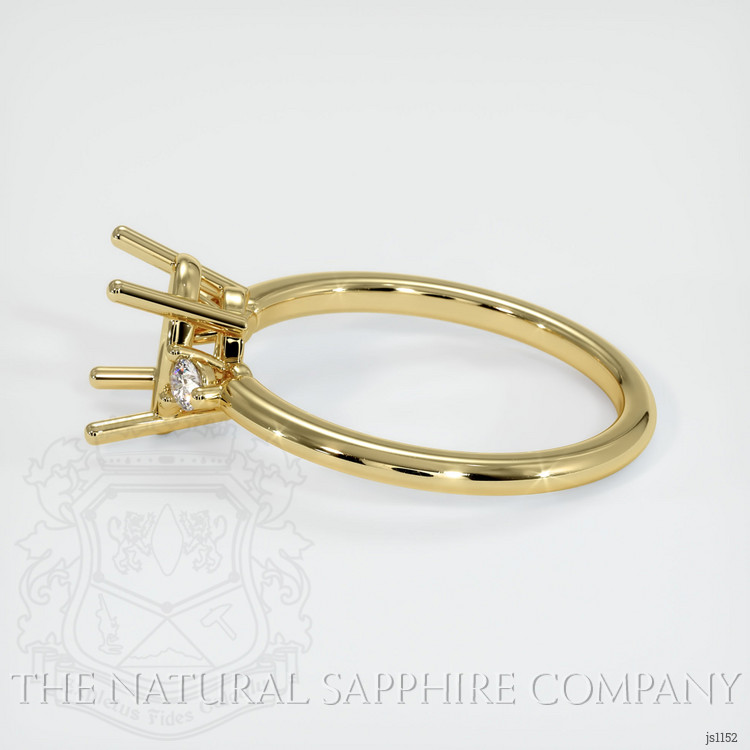
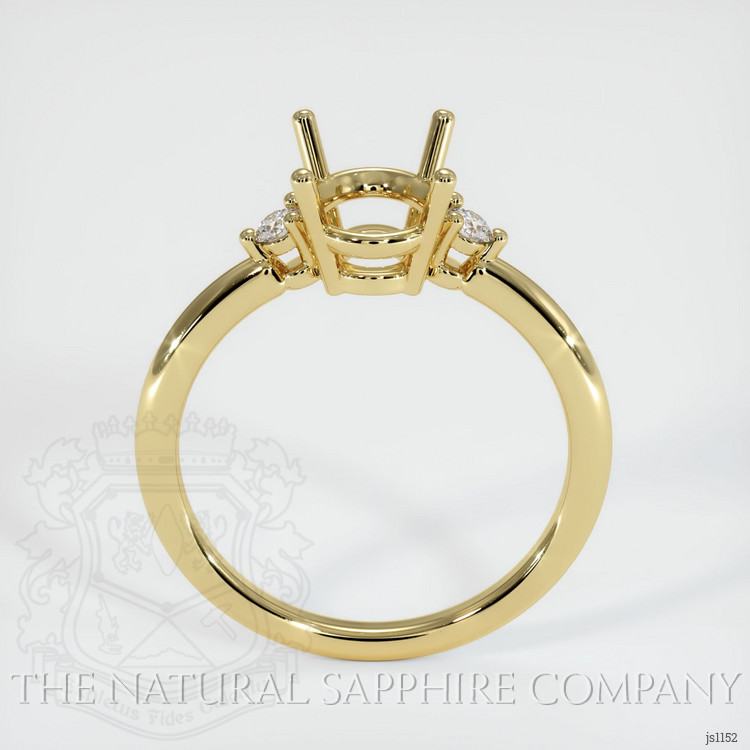



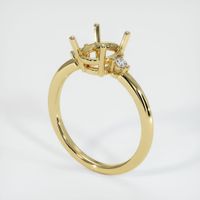
Three Stone Blue Sapphire Ring 1.43 Ct., 18K Yellow Gold




Wax Polymer Replica
Model of your Completed
Setting Design!

View 360° media
Item ID: | S12607 |
|---|---|
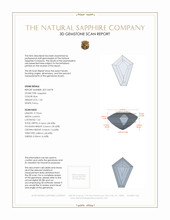
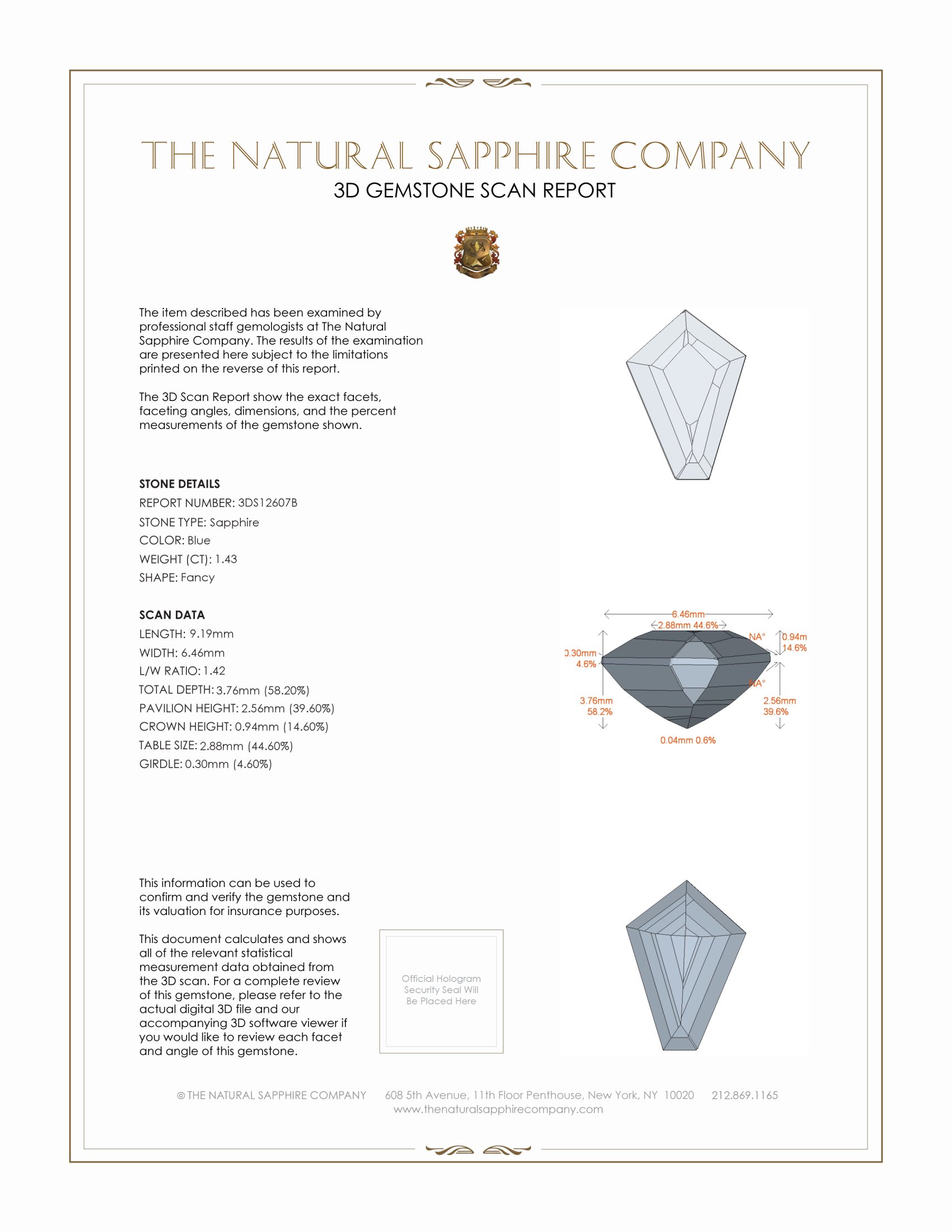
Dimensions (MM): help | Length: 9.19 Width: 6.46 Height: 3.76 |
Weight: | 1.43 Ct. |
Color: help | Blue |
Color intensity: help | Medium |
Clarity: help | Very Slightly Included |
Shape: help | Fancy |
Cut: | Step Cut |
Cutting style: | Faceted |
Enhancements: help | Heat Treated |
Origin: help | Ceylon (Sri Lanka) |
Per carat price: help | $1,500 |
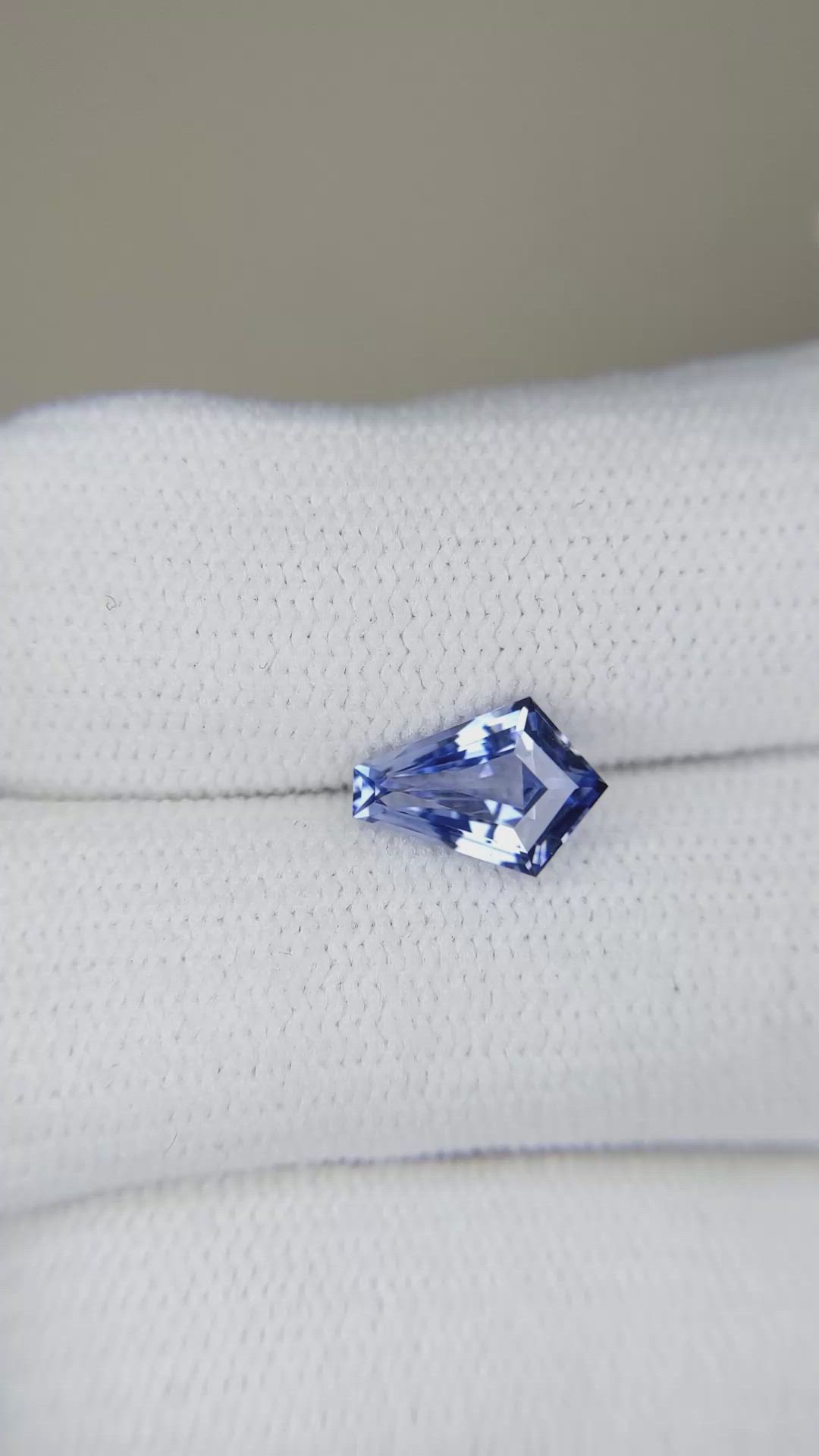
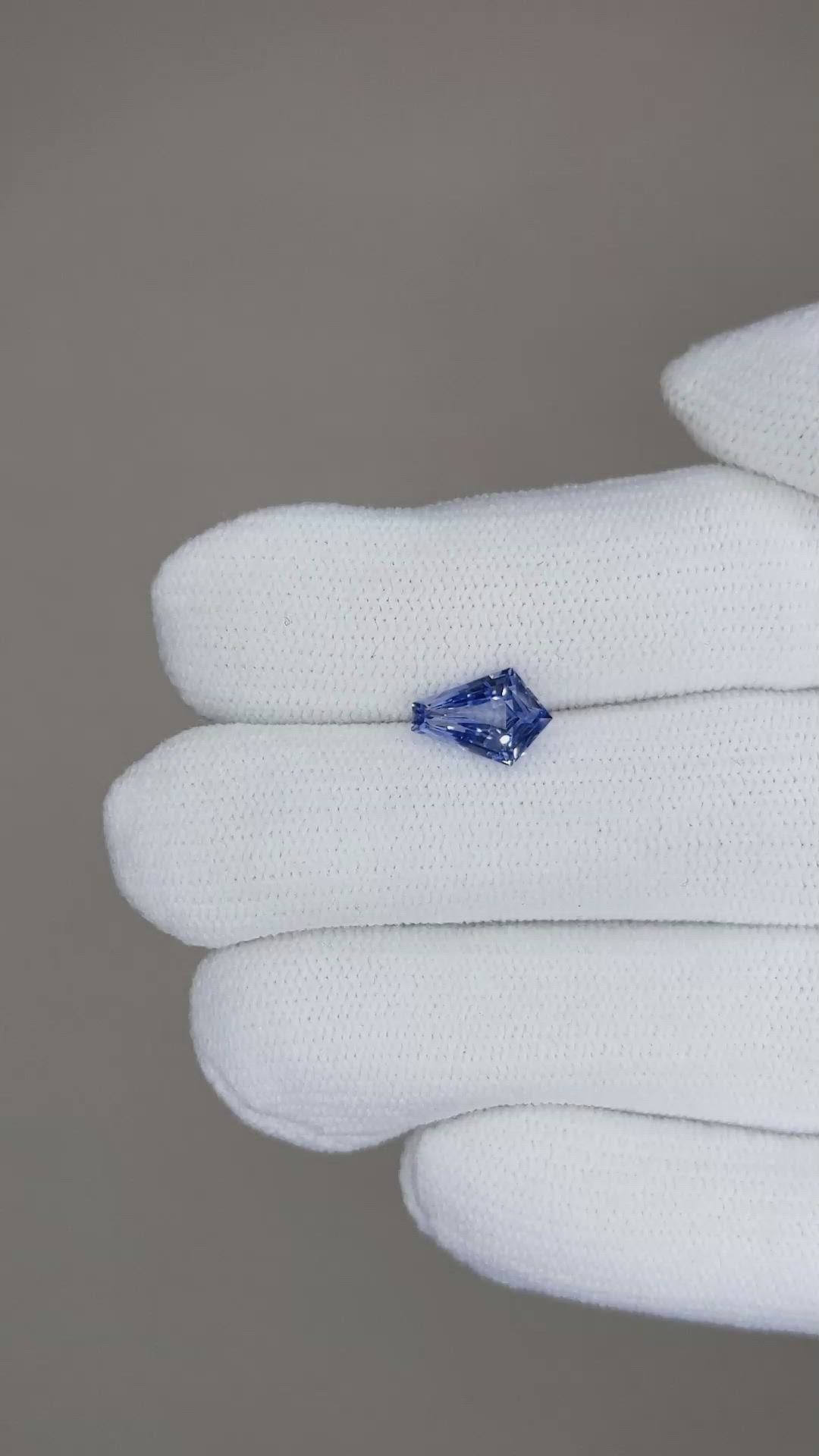
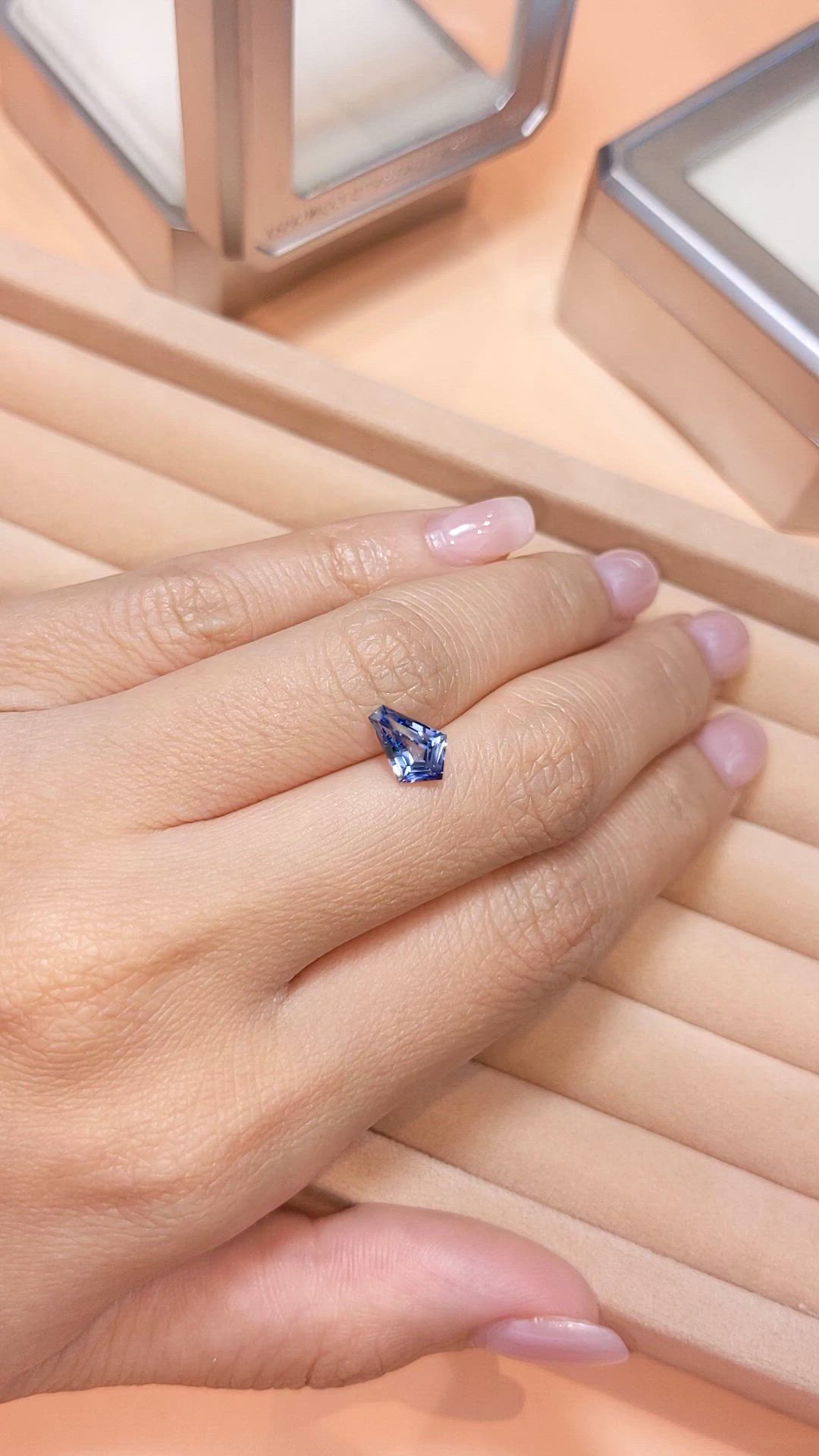
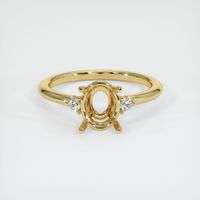
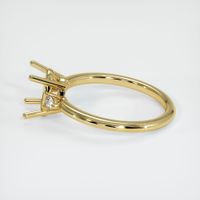
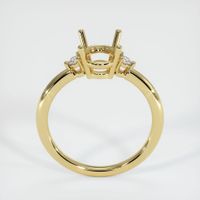
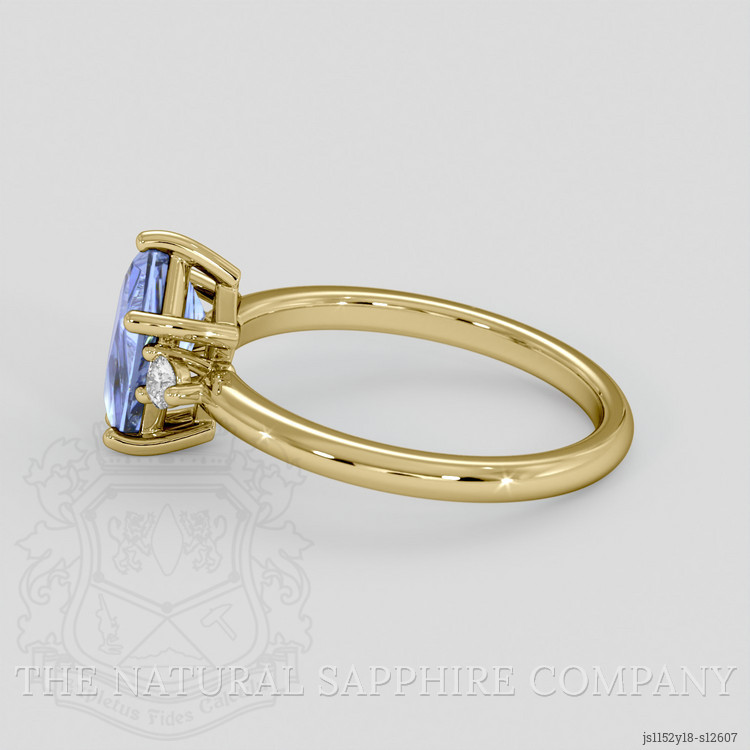
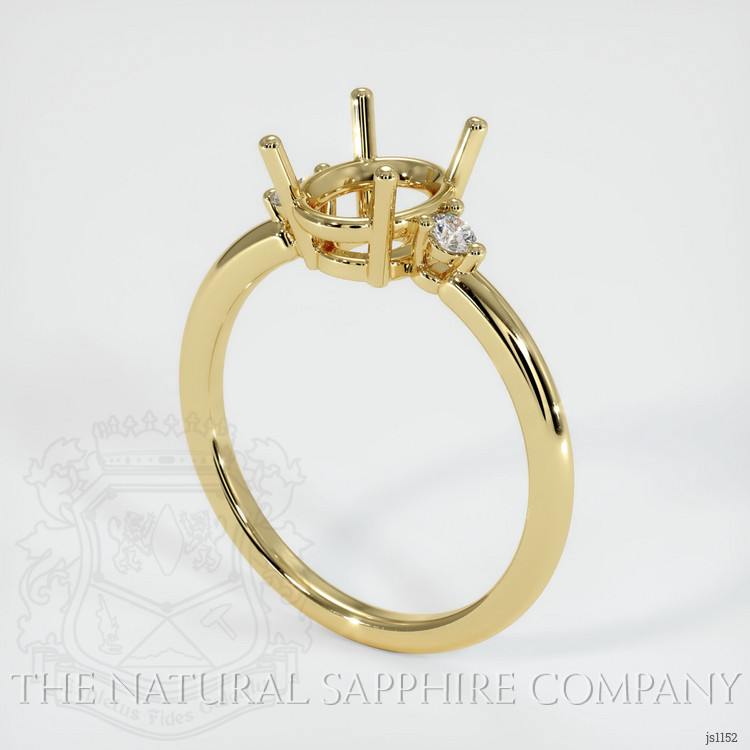
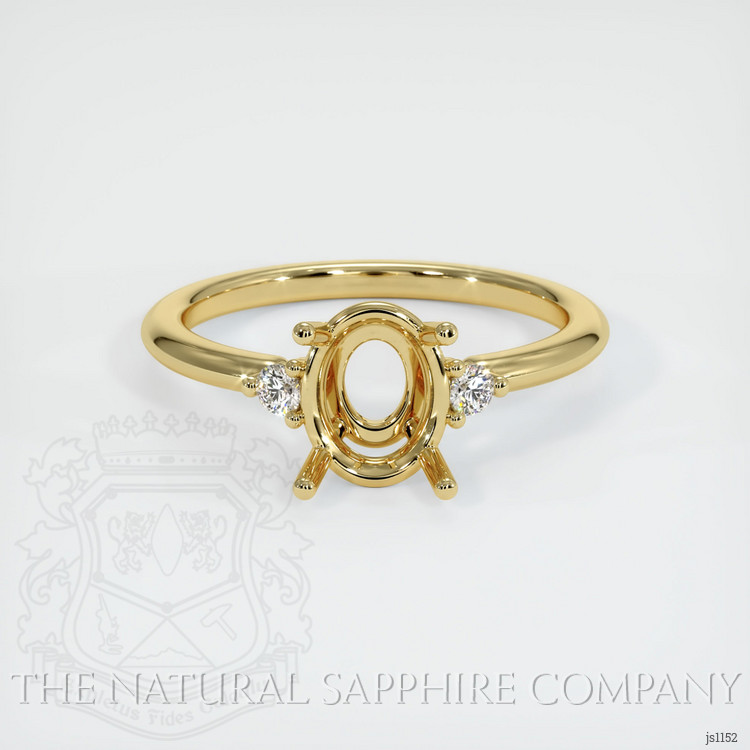
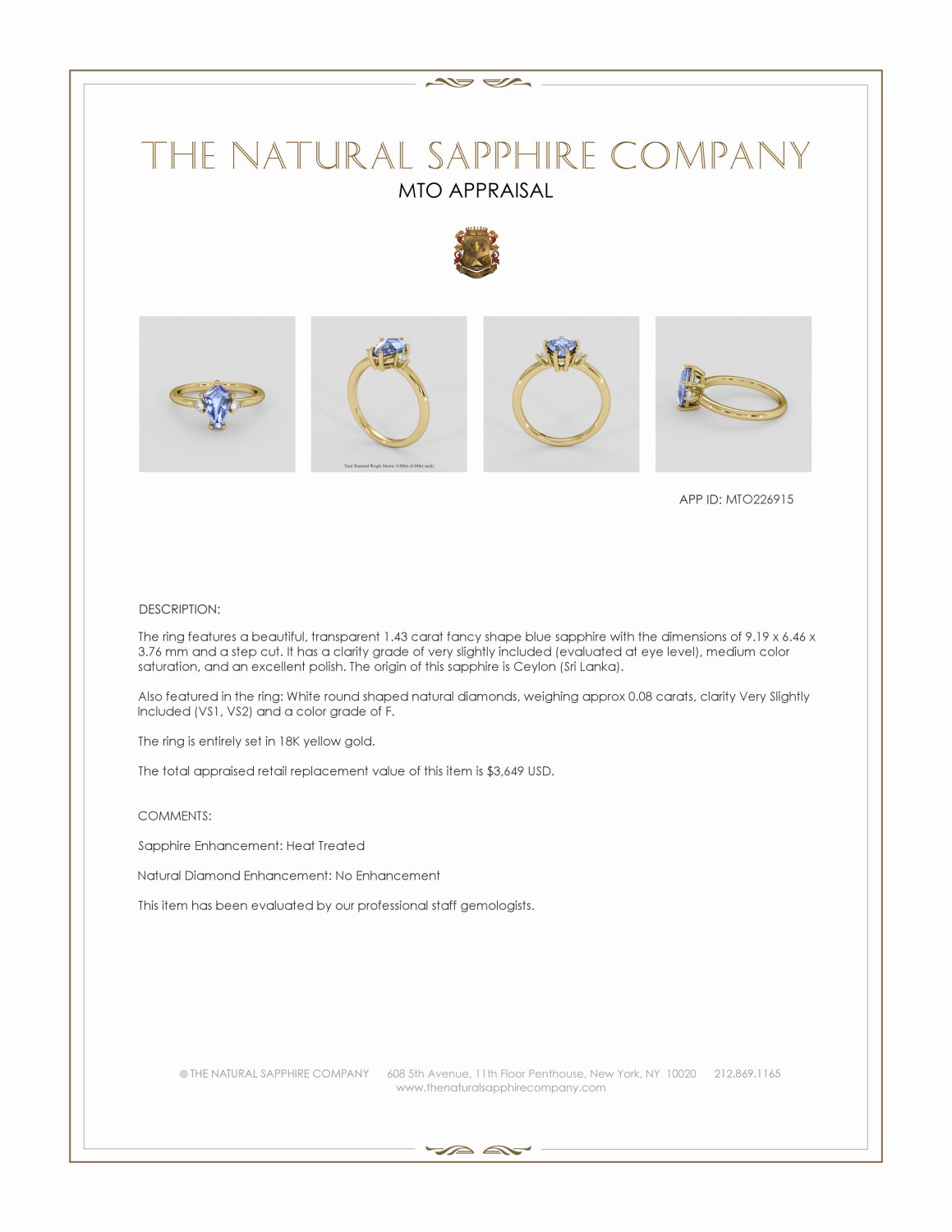
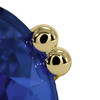
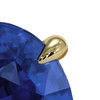
This ring centers on a transparent 1.43 carat fancy shaped blue sapphire, measuring 9.19 by 6.46 by 3.76 millimeters, cut in a step cut that emphasizes even, broad facets and a refined optical plane. The sapphire is graded as very slightly included, evaluated at eye level, and presents medium color saturation with an excellent polish. Its provenance is Ceylon, Sri Lanka, a source known for sapphires that combine clear tone with lively, cooler blue hues. Flanking the center stone are two white round natural diamonds, weighing approximately 0.08 carats in total, with clarity grades of Very Slightly Included, VS1 and VS2, and a color grade of F. The mounting and entire ring are executed in 18 karat yellow gold, chosen for its warm contrast to the blue sapphire and for its traditional jewelry appeal. The design is restrained, allowing the step cut sapphire to remain the focal point, while the small, high-quality side diamonds provide measured brilliance and visual balance.
In terms of durability, this ring benefits from the intrinsic hardness and toughness of corundum, sapphire’s mineral species, which rates a nine on the Mohs scale. Compared with commonly used gemstones in similar designs, such as tanzanite or opal, sapphire offers substantially greater resistance to scratches and everyday abrasion, making it an appropriate choice for a regularly worn ring. The step cut used here presents broad facet planes and a shallower crown than many brilliant cuts, which highlights color and clarity while producing less scintillation. That geometry can be less forgiving of edge impacts than rounded brilliant cuts, because linear facet edges and corners may be more noticeable if a chip occurs, however, the clarity and excellent polish reported for this stone reduce the likelihood of preexisting stress points. The ring’s setting, crafted in solid 18K yellow gold, secures the sapphire with robust prongs that elevate the stone while maintaining a close guard at the girdle. Compared to bezel-set designs that offer maximal edge protection, a well-executed prong setting like this one prioritizes visual openness and light performance, while requiring slightly more attentive wear and periodic inspection to ensure the prongs remain intact. Compared with halo or pavé styles on the market, which introduce numerous small diamonds and additional prongs and beads, this side-stone layout is lower profile and generally less susceptible to loss of multiple stones, and it concentrates mechanical stress on fewer setting elements, simplifying maintenance.
When compared to similar rings available on the market, the principal durability trade-offs relate to metal choice, setting style, and the stone cut. The use of 18K yellow gold provides a lustrous, stable alloy composition that resists tarnish and maintains color richness, but it is softer than lower-karat gold alloys such as 14K, and will show surface scratches more readily over long term daily wear. That softness is mitigated in this design by a solid shank and fully formed mounting, which distribute wear away from the girdle and critical prong shoulders. In contrast, some comparable commercial offerings use thinner bands, lower quality alloys, or plated metals, which can compromise long-term structural integrity or require re-plating and more frequent repair. The choice of VS clarity diamonds of F color is consistent with a design intent to combine eye-clean appearance with durable accent stones, and their small size reduces exposure to impact compared with larger side stones. Practical care recommendations include avoiding hard knocks on edges, having the prongs and setting inspected annually by a qualified jeweler, and cleaning with mild soapy water and a soft brush to preserve the polish. Routine professional checks are especially advisable for step cut central stones, to ensure facet junctions and corners remain protected.
The Natural Sapphire Company engineered this piece to balance visual refinement with structural considerations, using a Ceylon sapphire with measured dimensions and excellent polish, eye-clean side diamonds, and a substantial 18K yellow gold mounting. The result is a ring that outperforms many delicate or plated alternatives in scratch resistance and longevity due to the sapphire’s hardness and the integrity of the solid gold setting, while accepting the usual prudent care expectations associated with prong-set, step cut gemstones. For wearers seeking a ring that showcases the clarity and refined color of a Ceylon sapphire, this design offers a considered compromise between protection and optical presentation, with straightforward maintenance practices extending the piece’s long-term durability.


