
- Ring25
- Stone11
- Setting5
- Reports4







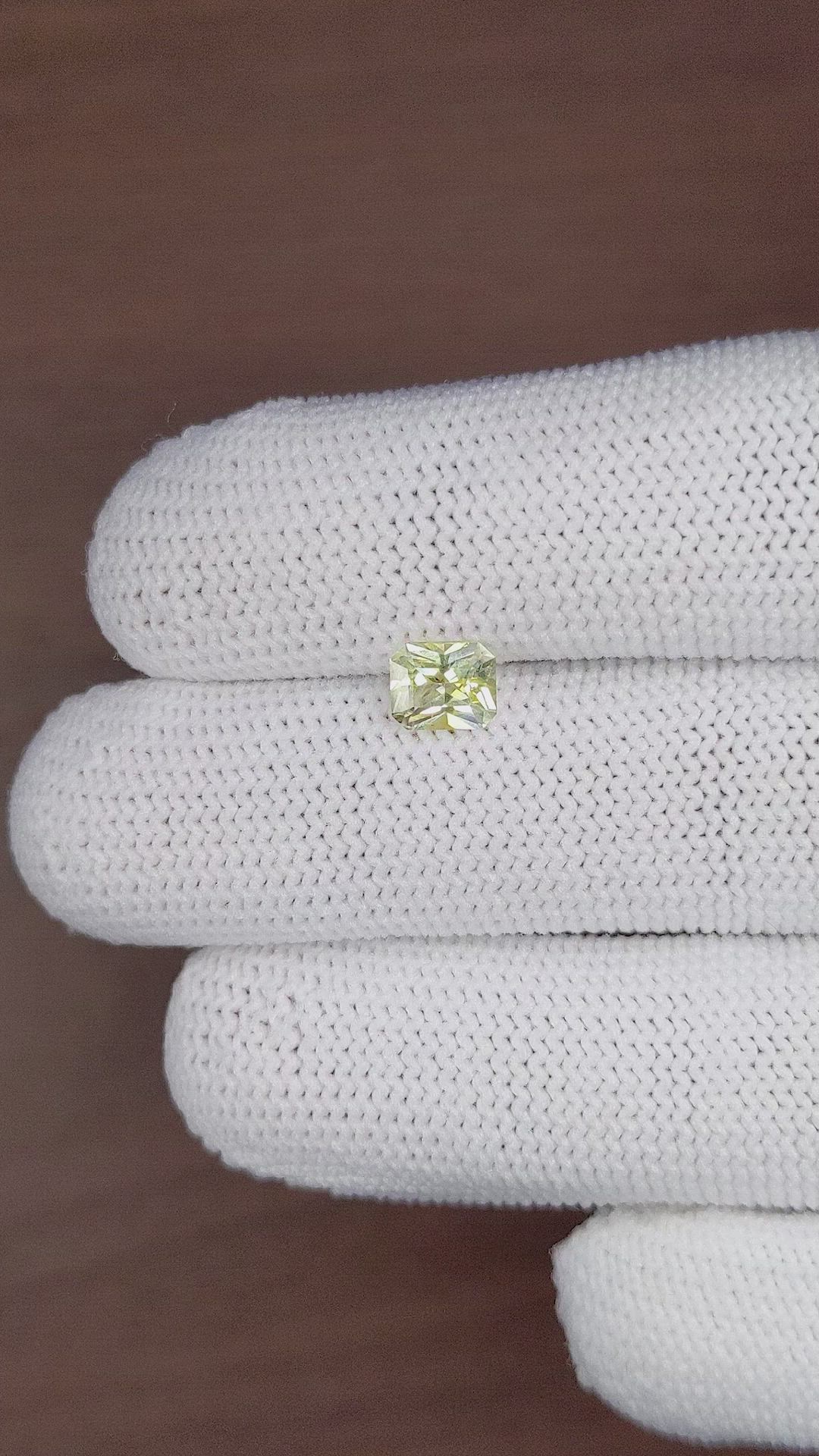
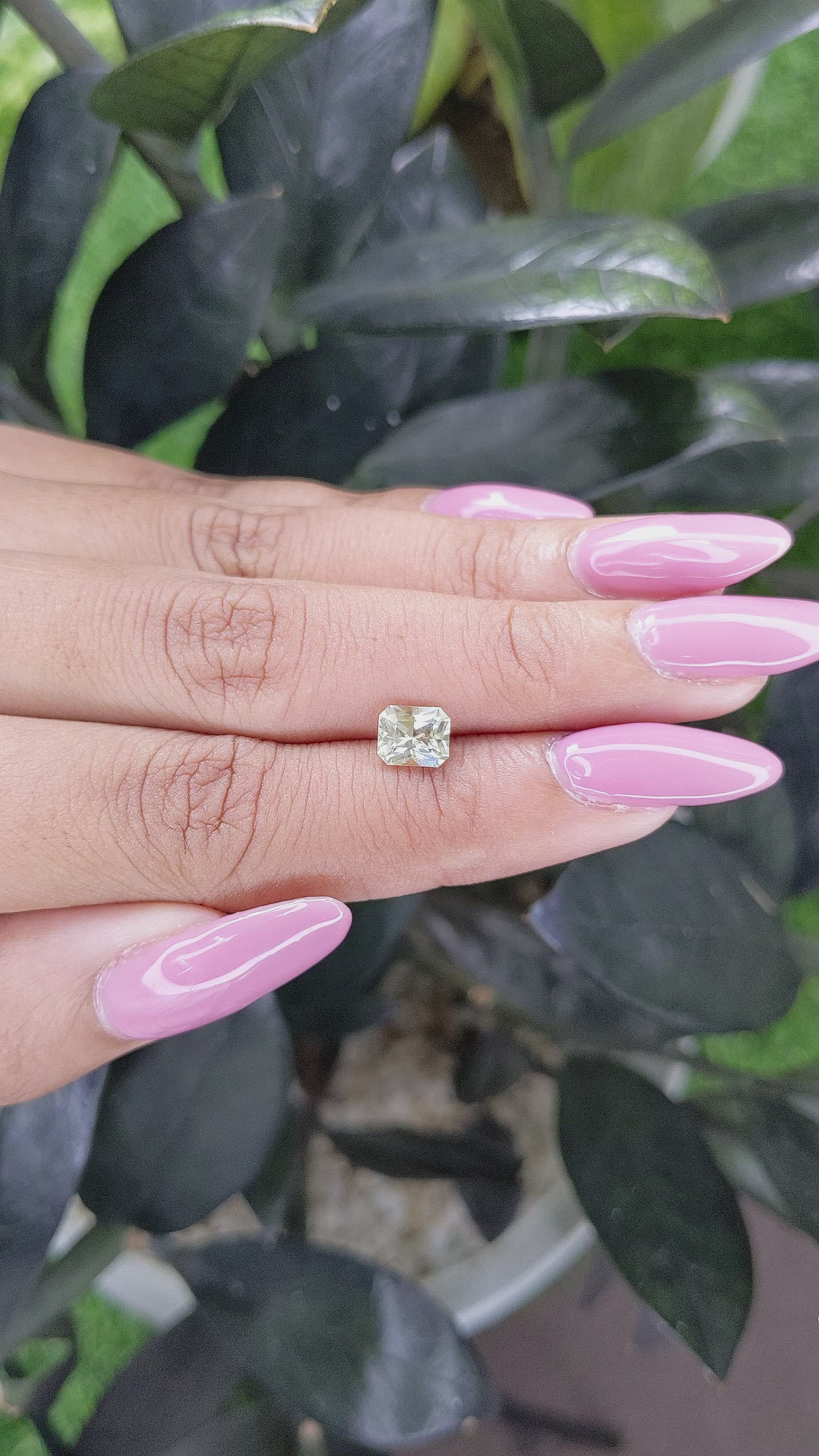
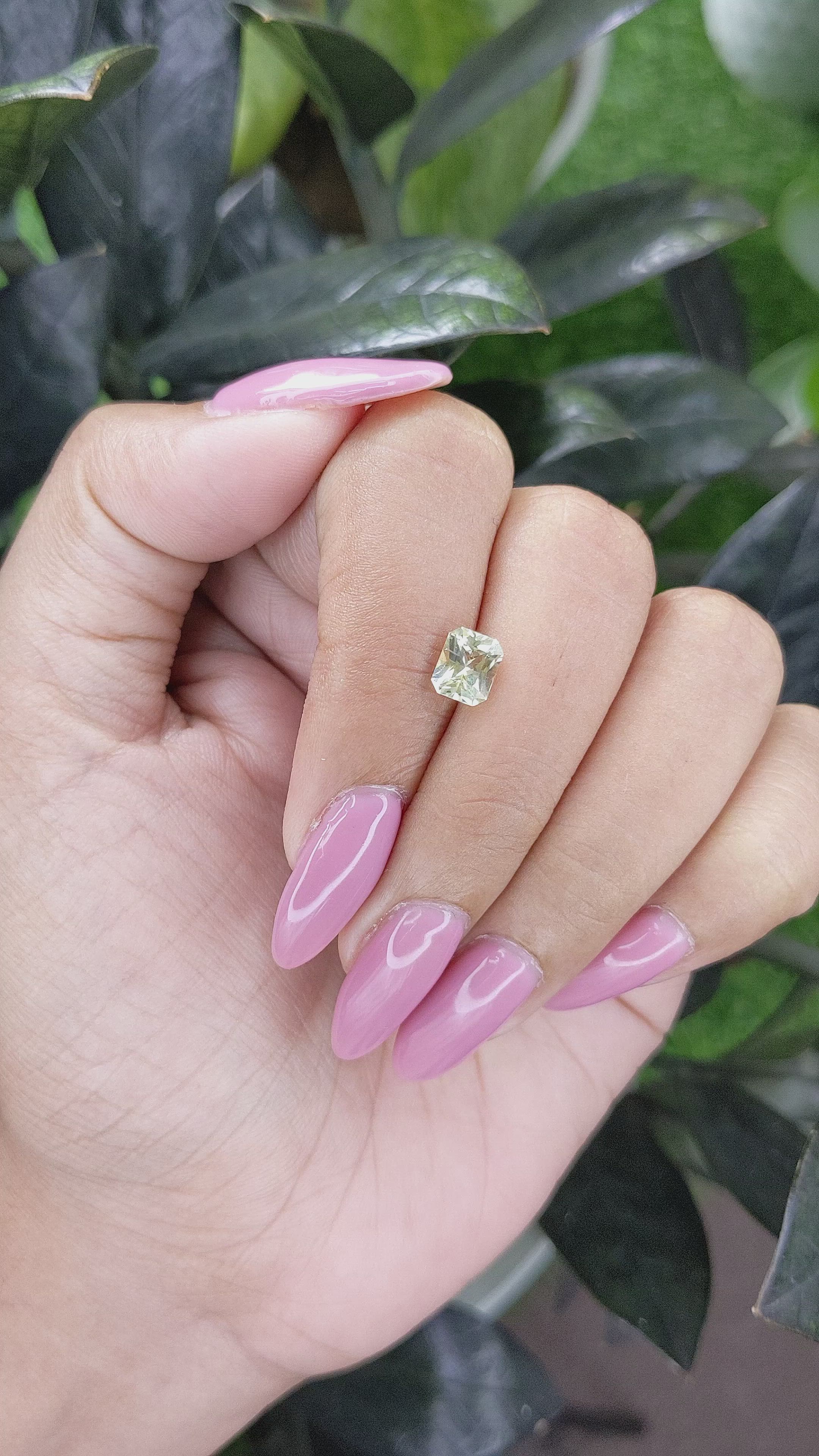
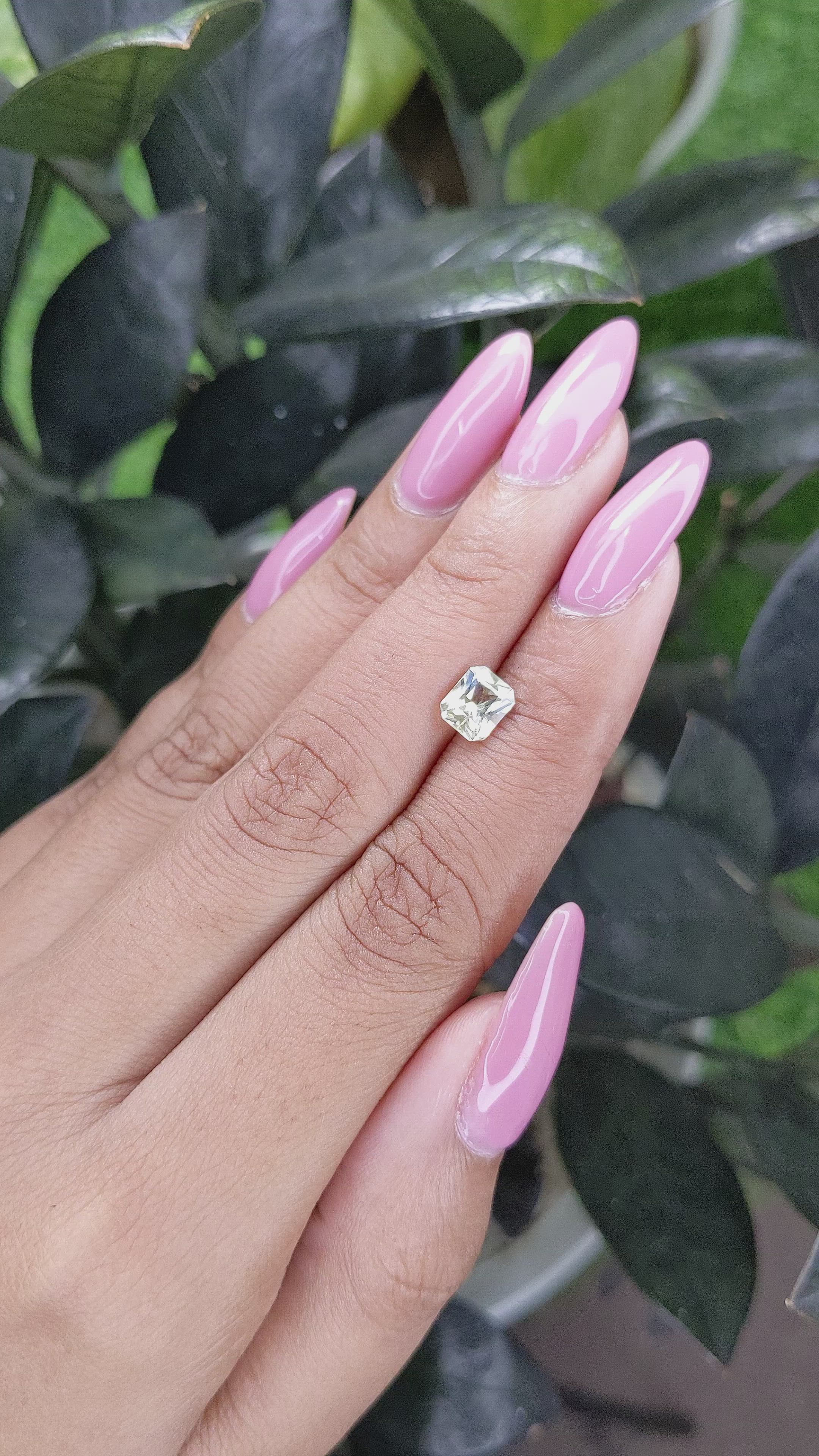

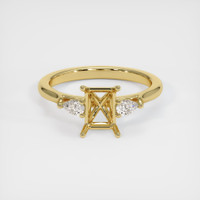
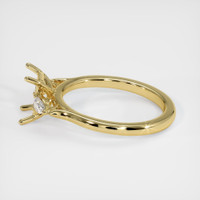
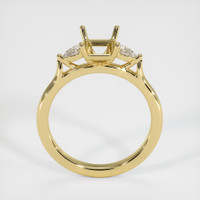



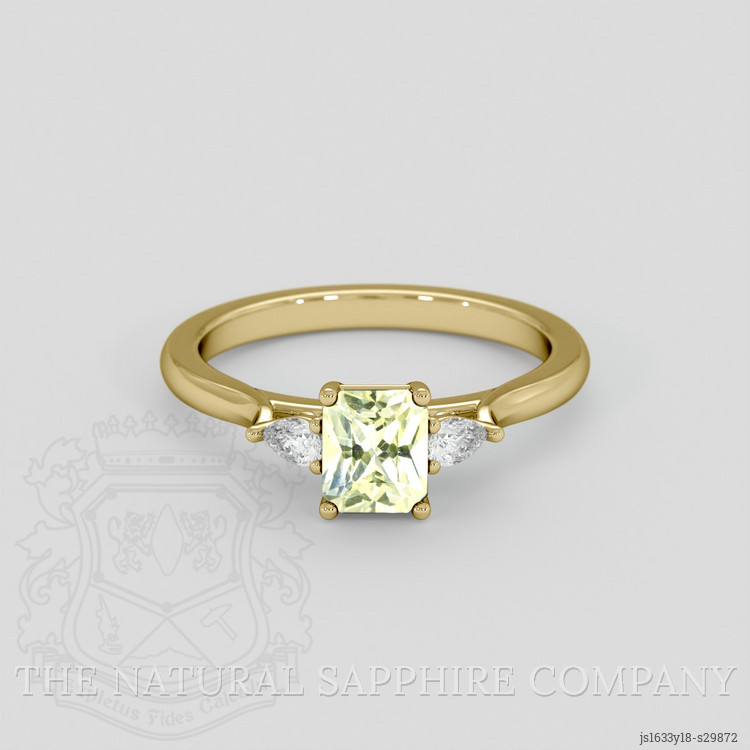
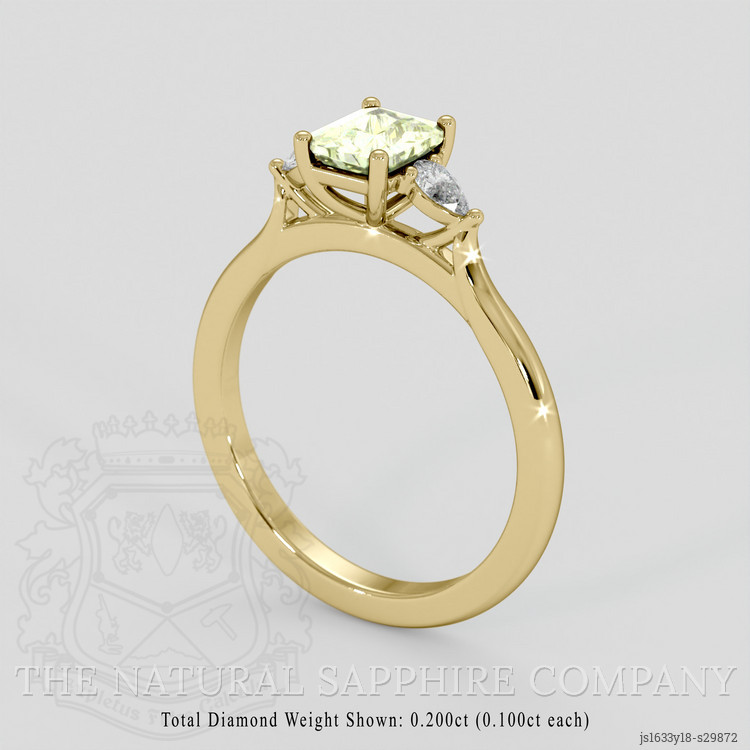
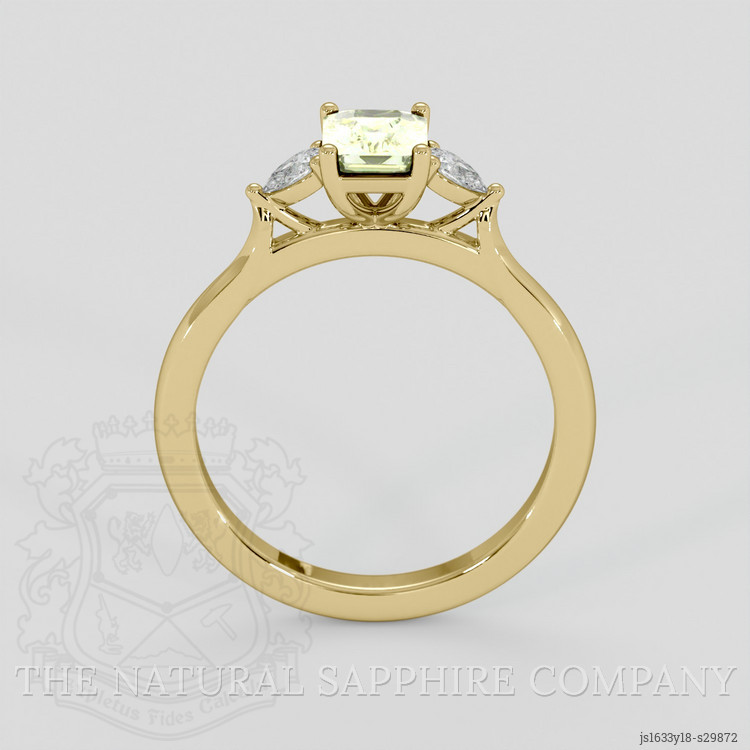
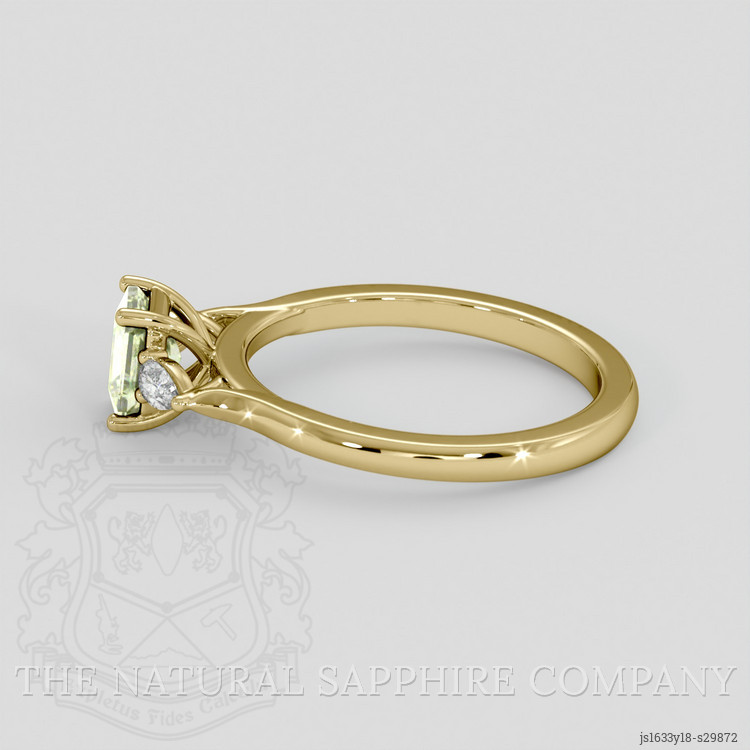


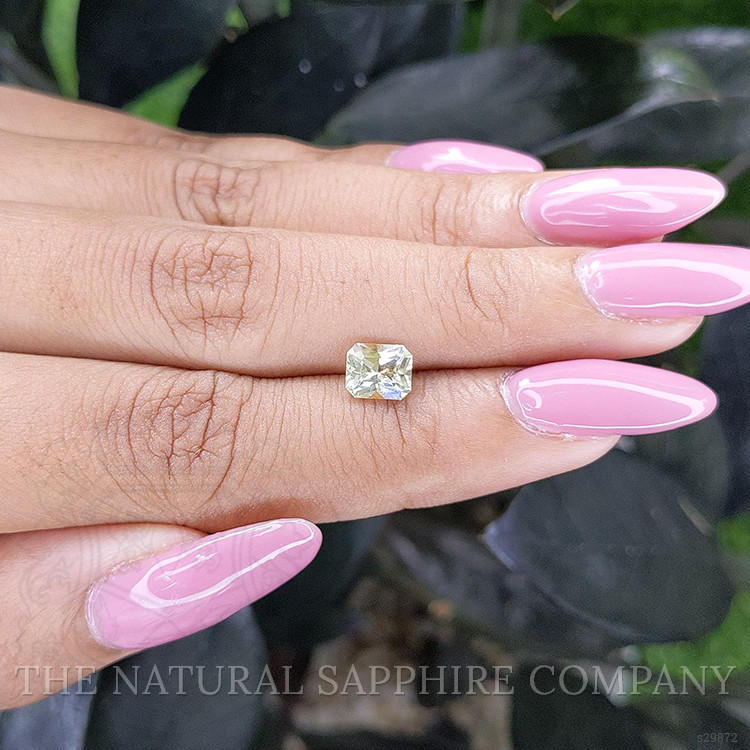

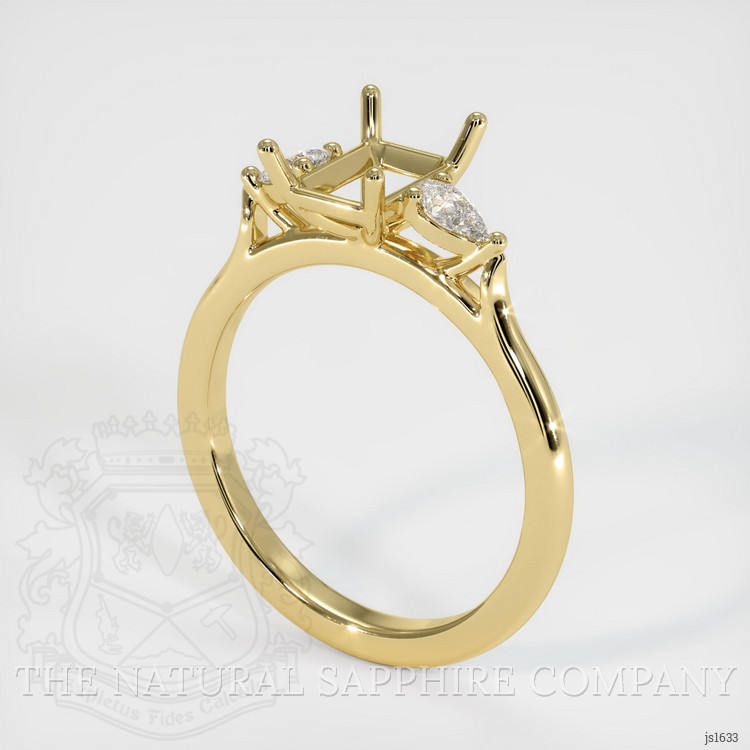
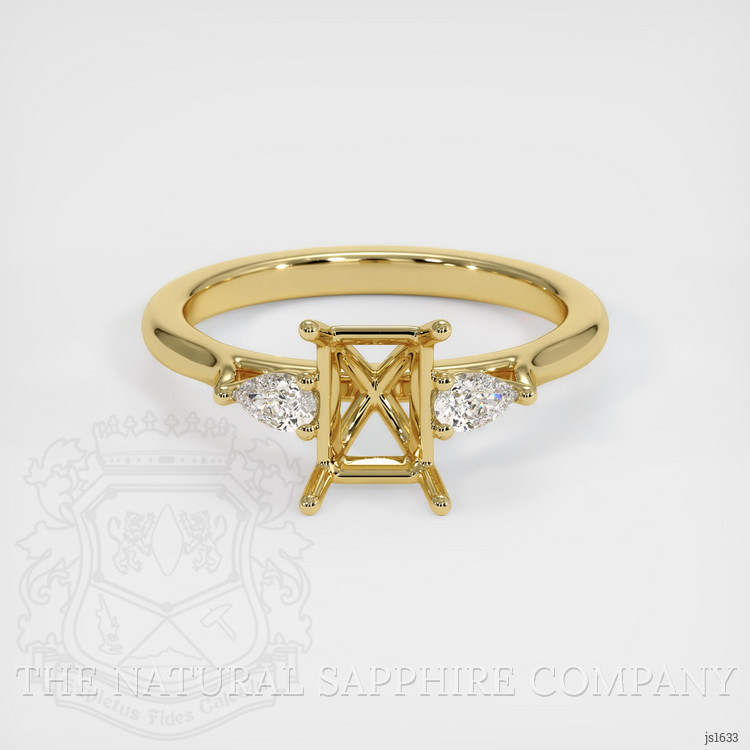
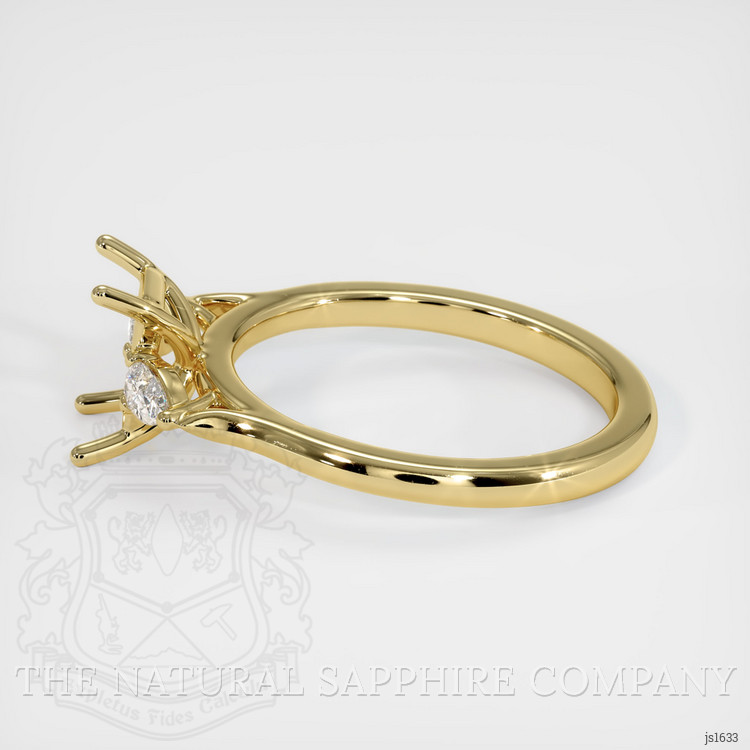



Three Stone Bi Color / Parti Sapphire Ring 1.20 Ct., 18K Yellow Gold
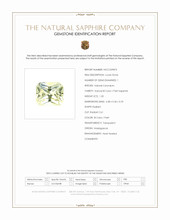
Item ID: | S29872 |
|---|---|
Dimensions (MM): help | Length: 6.38 Width: 5.34 Height: 3.7 |
Weight: | 1.20 Ct. |
Color: help | Bi Color / Parti |
Color intensity: help | Light |
Clarity: help | Very Slightly Included |
Shape: help | Radiant |
Cut: | Radiant Cut |
Cutting style: | Faceted |
Enhancements: help | Heat Treated |
Origin: help | Madagascar |
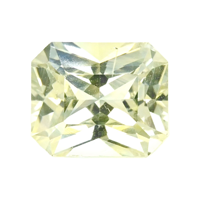
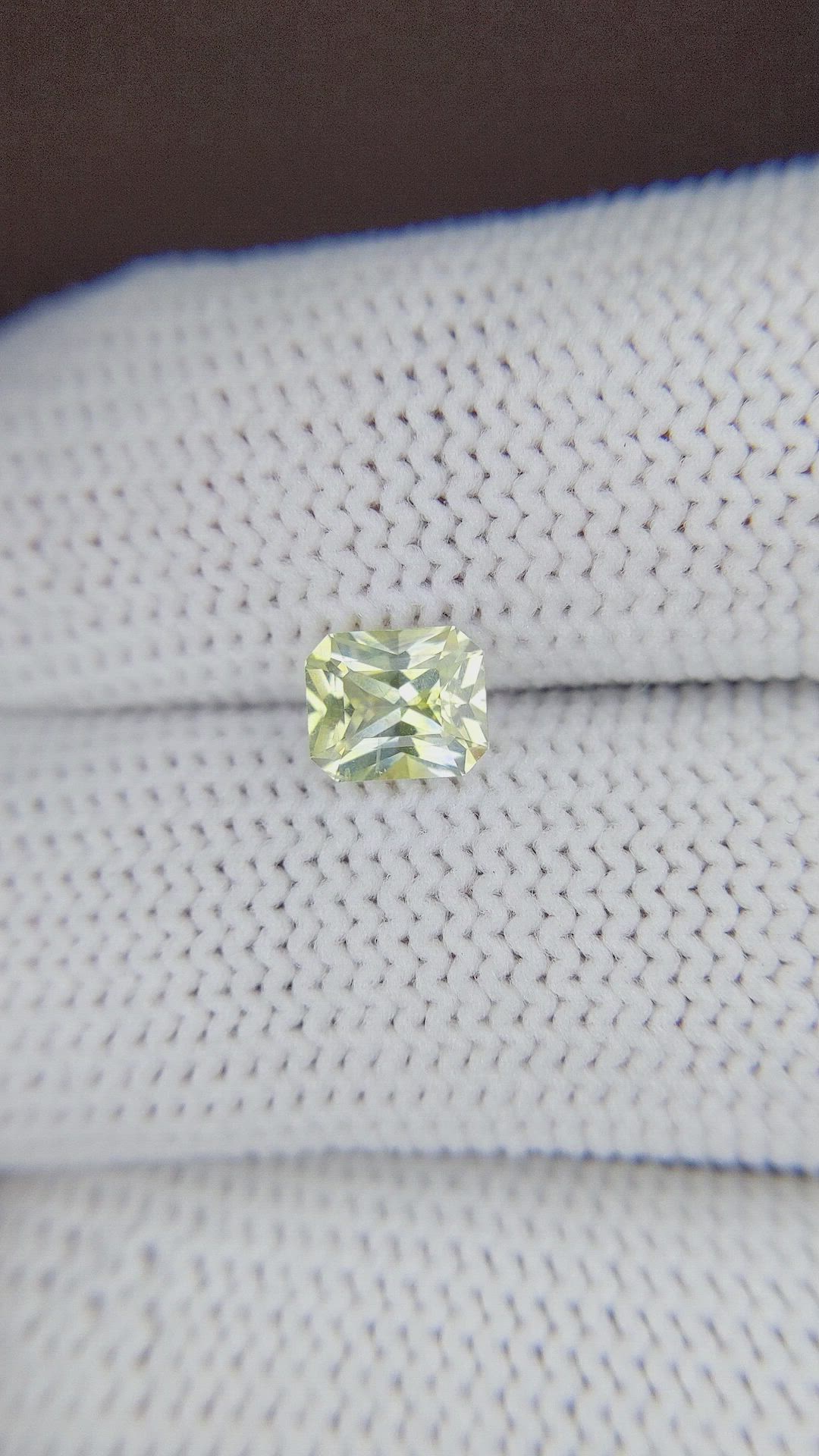
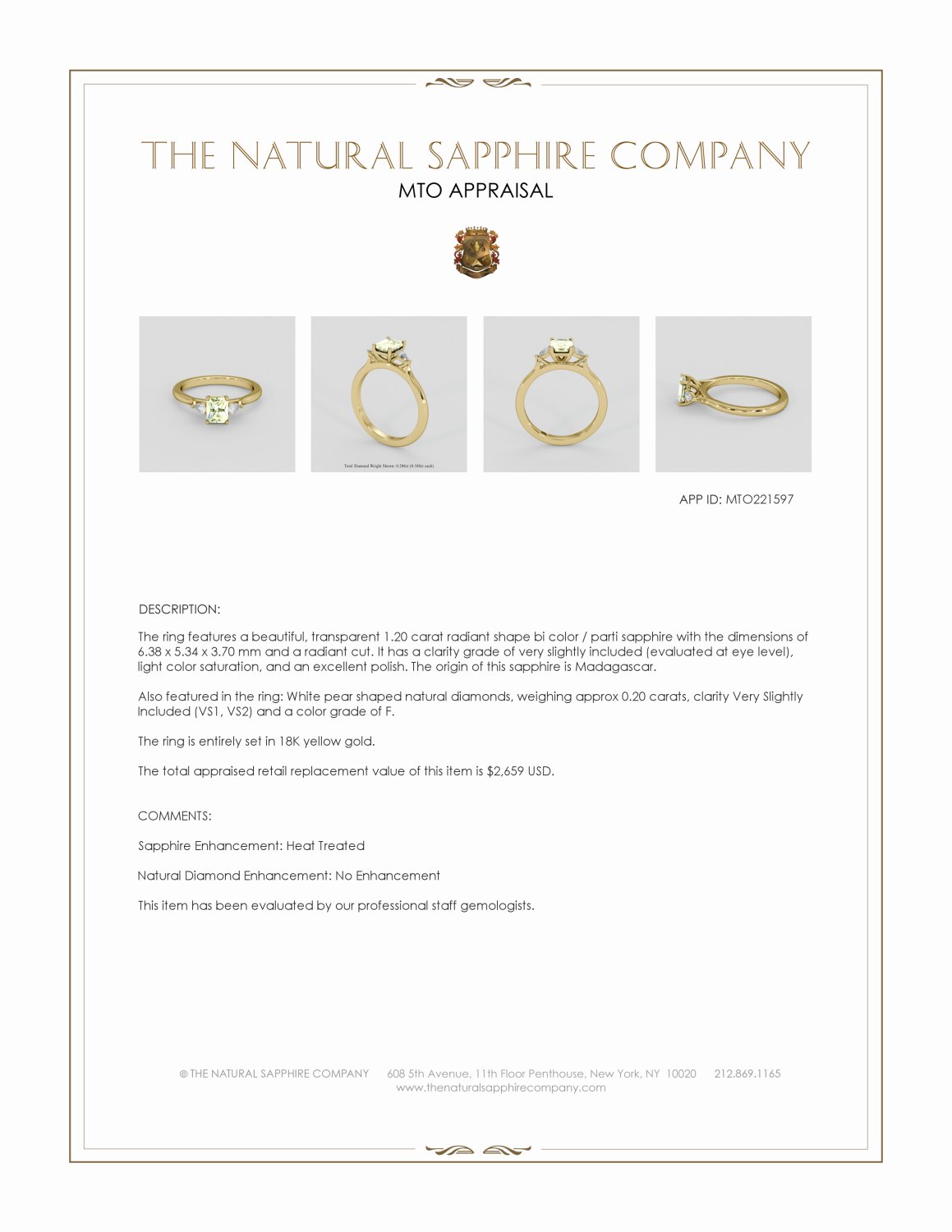
This ring centers on a transparent 1.20 carat radiant shape bi color sapphire, a gem that presents a precise balance between measured proportions and visual depth, dimensions 6.38 x 5.34 x 3.70 mm, radiant cut, clarity grade very slightly included as evaluated at eye level, light color saturation, excellent polish. The radiant cut in this instance is a purposeful synthesis of modified brilliant and step facet geometry, designed to manage light return across the pavilion and crown so that the bi color character reads cleanly face up while maintaining scintillation. The pavilion depth at 3.70 mm supports a controlled light path that preserves transparency, while the table and crown faceting pattern has been planned to reduce the visual impact of very slight inclusions when viewed unaided. The resulting optical behavior is lively without overbrilliance, which suits the delicate, light saturation of the sapphire, and the excellent polish ensures crisp facet junctions and minimal surface disturbance so that the gem communicates both brilliance and the subtle bi color zoning that defines its personality.
From a lapidary perspective the radiant faceting executed for this stone emphasizes faceted transitions that favor colour separation without sacrificing overall balance, the mix of pavilion and crown facets yields a lively face up appearance that retains the bi color expression under varied lighting. Radiant cuts typically distribute light using truncated corners and a denser facet array than a traditional emerald shape, and in this sapphire the facet junctions have been left sharp to preserve contrast, while slight rounding at the crown facets reduces facet windows that could otherwise expose internal features. Clarity described as very slightly included at eye level indicates inclusions that do not detract from visual appeal at normal observation distances, and the cutter has oriented the stone to take advantage of the natural inclusion distribution, using facet alignment to mask or integrate small feathers and crystals into the overall scintillation pattern. The overall polish grade being excellent speaks to the final finishing steps, which create mirror flat facets that enhance both luster and optical precision.
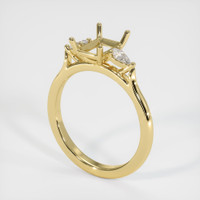
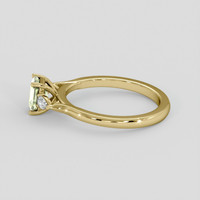
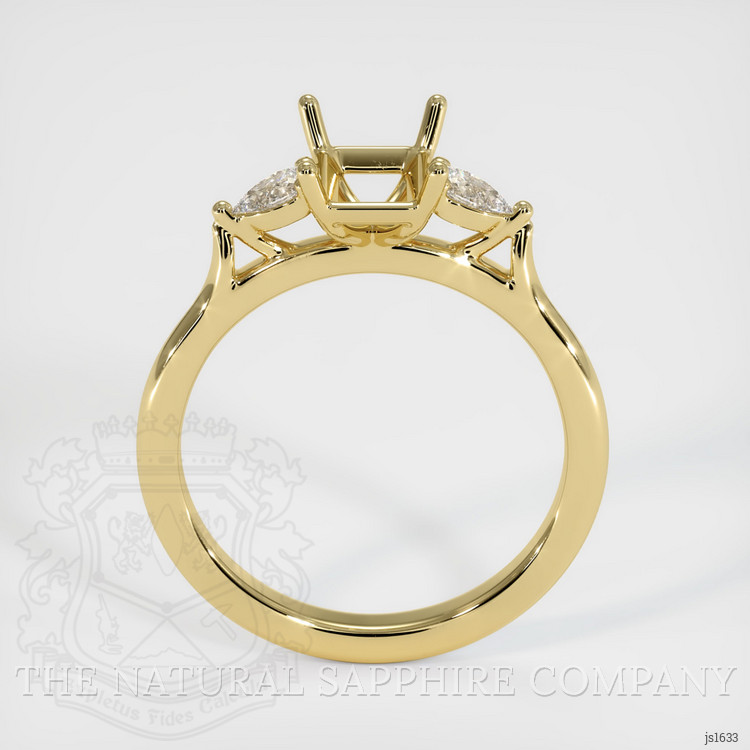
The shoulder diamonds are white pear shaped natural diamonds with a combined weight of approximately 0.20 carats, clarity grades VS1 and VS2, and a color grade of F, selected to complement the sapphire rather than compete with it. Each pear shaped accent stone is calibrated to sit in a traditional three point arrangement adjacent to the radiant center, each approximately 0.10 carat, lending a measured peripheral brilliance and a silhouette that visually narrows the transition from the central stone to the band. The diamonds are cut to provide clean pavilion facets and well defined culet alignment, delivering contrast and white light return that frames the sapphire without overwhelming its bi color presence. The mounting is executed in 14K yellow gold, a metal choice that enhances the warm tone of the lighter yellow green tendencies in the sapphire while providing a durable and secure setting for both center stone and accents. Craftsmanship details include precise claw prongs for the radiant corners, an open gallery under the pavilion to allow light ingress and easy cleaning access, and neatly finished shoulders and shank with uniform thickness to ensure long term comfort and structural integrity.
Provenance plays a central role in the character and desirability of this gem, Madagascar being the source of this particular sapphire, and the origin drives both gemological expectation and collector interest. Madagascar produces sapphires that commonly display distinctive zoning and bicolor effects due to the complex pegmatitic and metamorphic environments in which corundum forms, and the trace element profile of many Malagasy sapphires often includes varied concentrations of iron and titanium that modulate hue towards yellow and green under certain light angles. Knowledge of origin allows a trained buyer to anticipate the typical inclusion types and pleochroic responses, permitting a cutter to orient the crystal intentionally to maximize the preferred color presentation while respecting clarity. In practice this means the cutter and setter at The Natural Sapphire Company can present a stone that highlights the rare bi color attribute, both as a visual signature and as a statement of geological story. For connoisseurs the Madagascar origin adds provenance value because it ties the aesthetic to a known geological system, and it provides a reliable context for long term expectations of stability and wear, with sapphire s inherent hardness and the thoughtful setting in 14K gold delivering a piece that is both visually refined and suited to regular use.


