


- Ring25
- Stone11
- Setting5
- Reports4





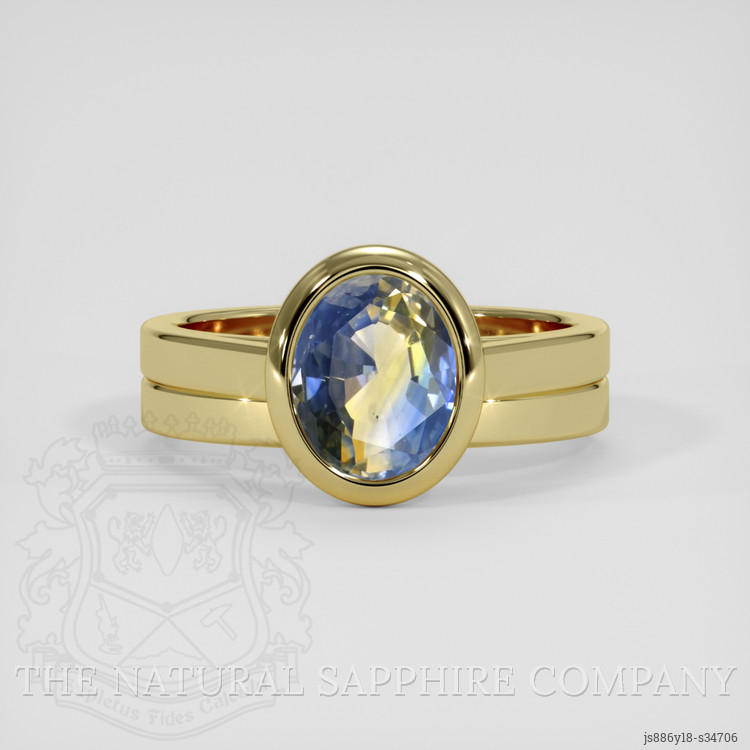
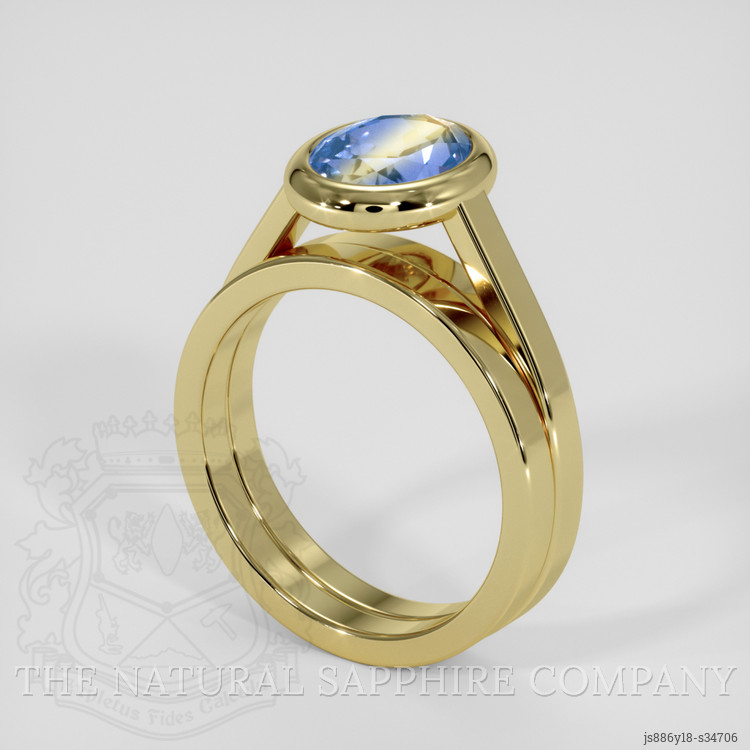
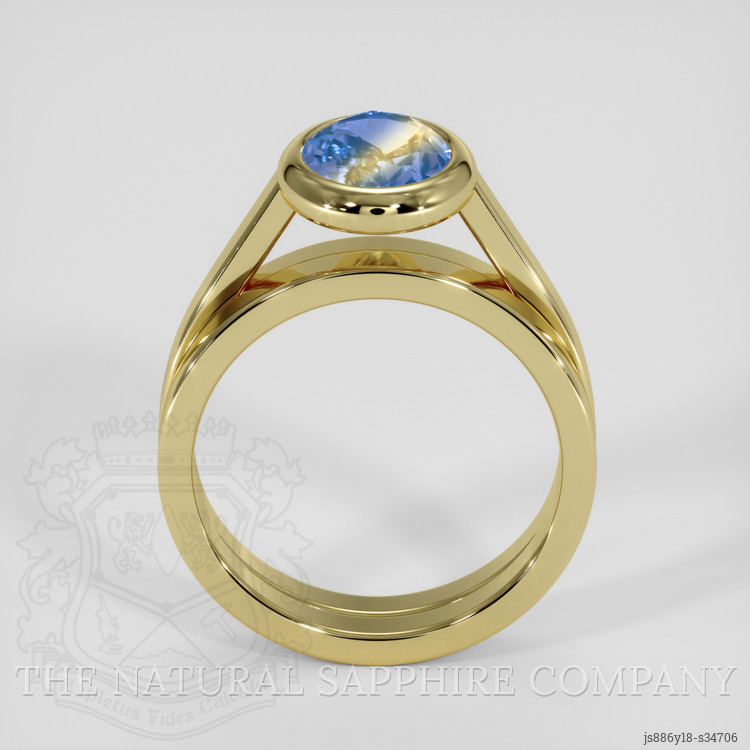
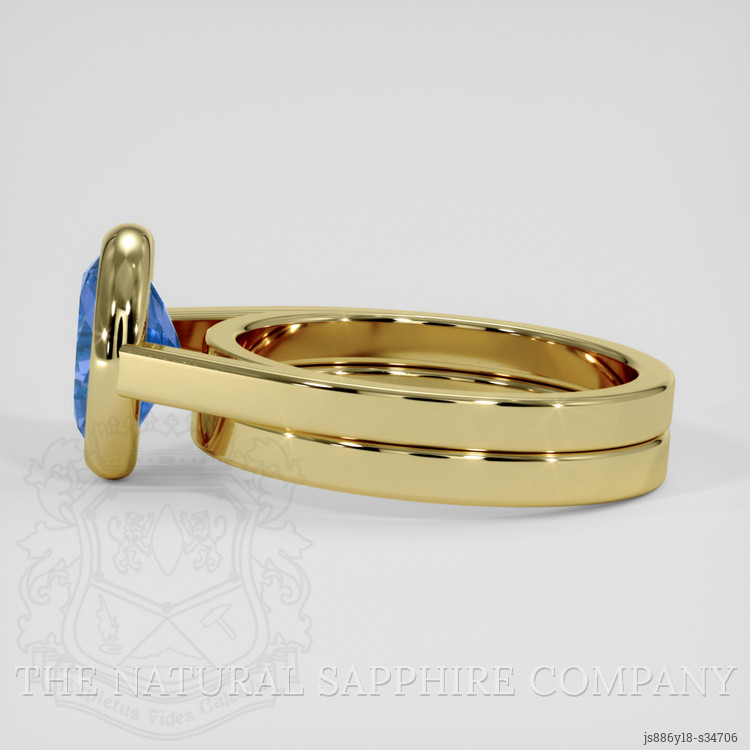


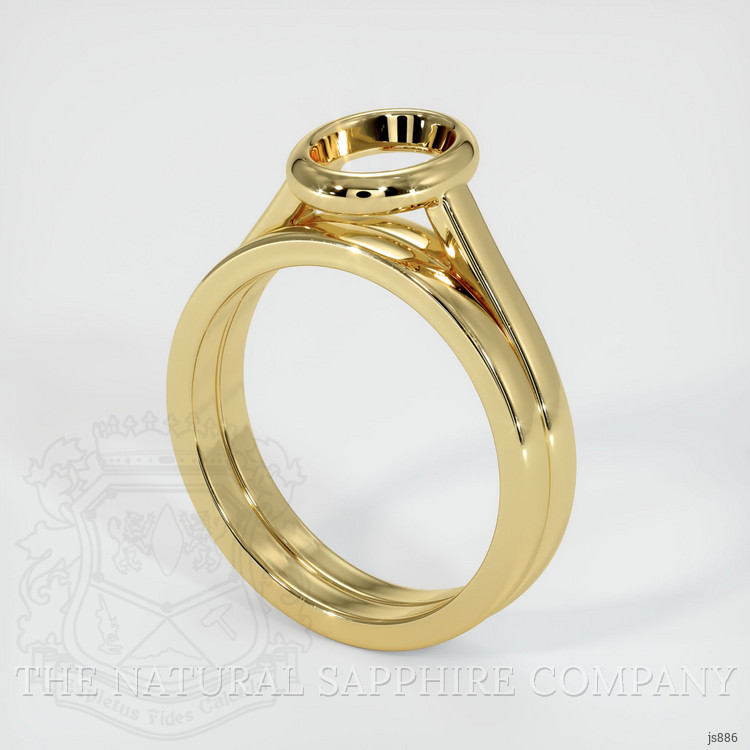
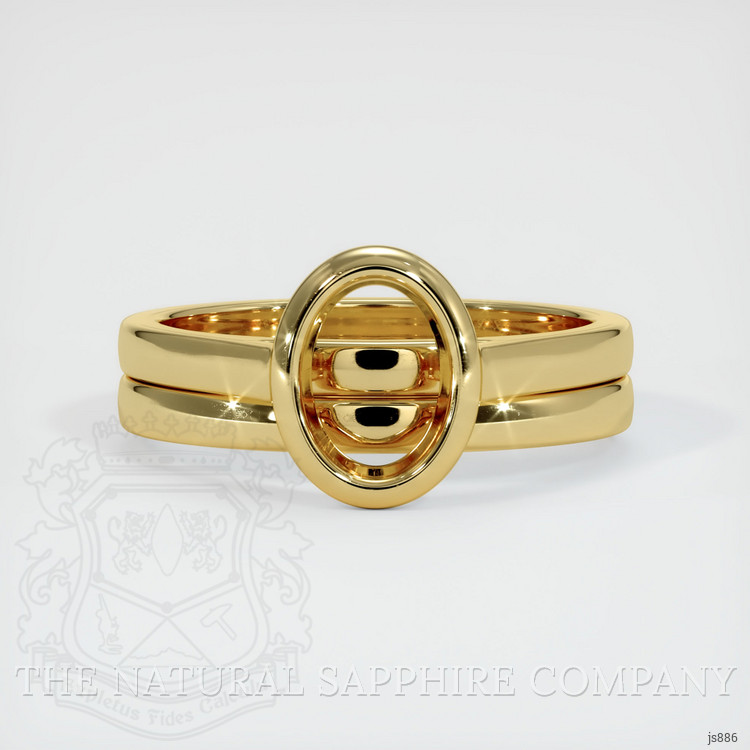
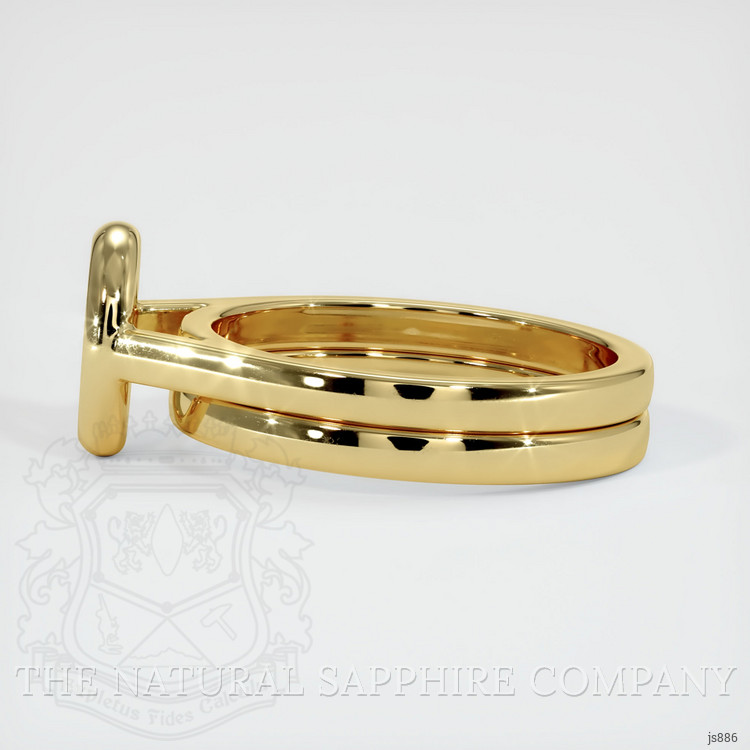
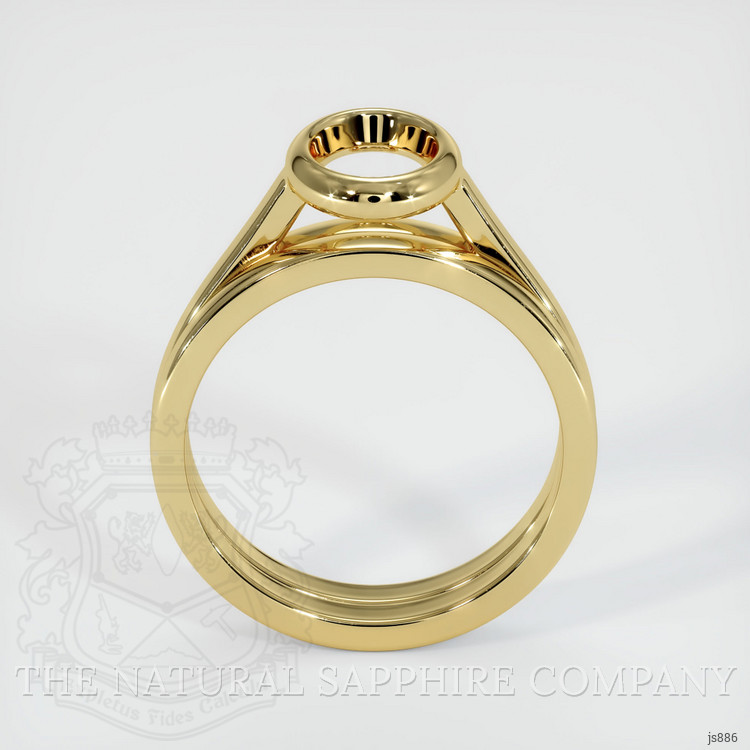



Wedding Set Bi Color / Parti Sapphire Ring 1.85 Ct., 18K Yellow Gold


Wax Polymer Replica
Model of your Completed
Setting Design!

View 360° media
Item ID: | S34706 |
|---|---|
Dimensions (MM): help | Length: 8.25 Width: 6.62 Height: 4 |
Weight: | 1.85 Ct. |
Color: help | Bi Color / Parti |
Color intensity: help | Medium |
Clarity: help | Very Very Slightly Included |
Shape: help | Oval |
Cut: | Mixed Brilliant Cut |
Cutting style: | Faceted |
Enhancements: help | No Enhancement |
Origin: help | Ceylon (Sri Lanka) |
Per carat price: help | $960 |
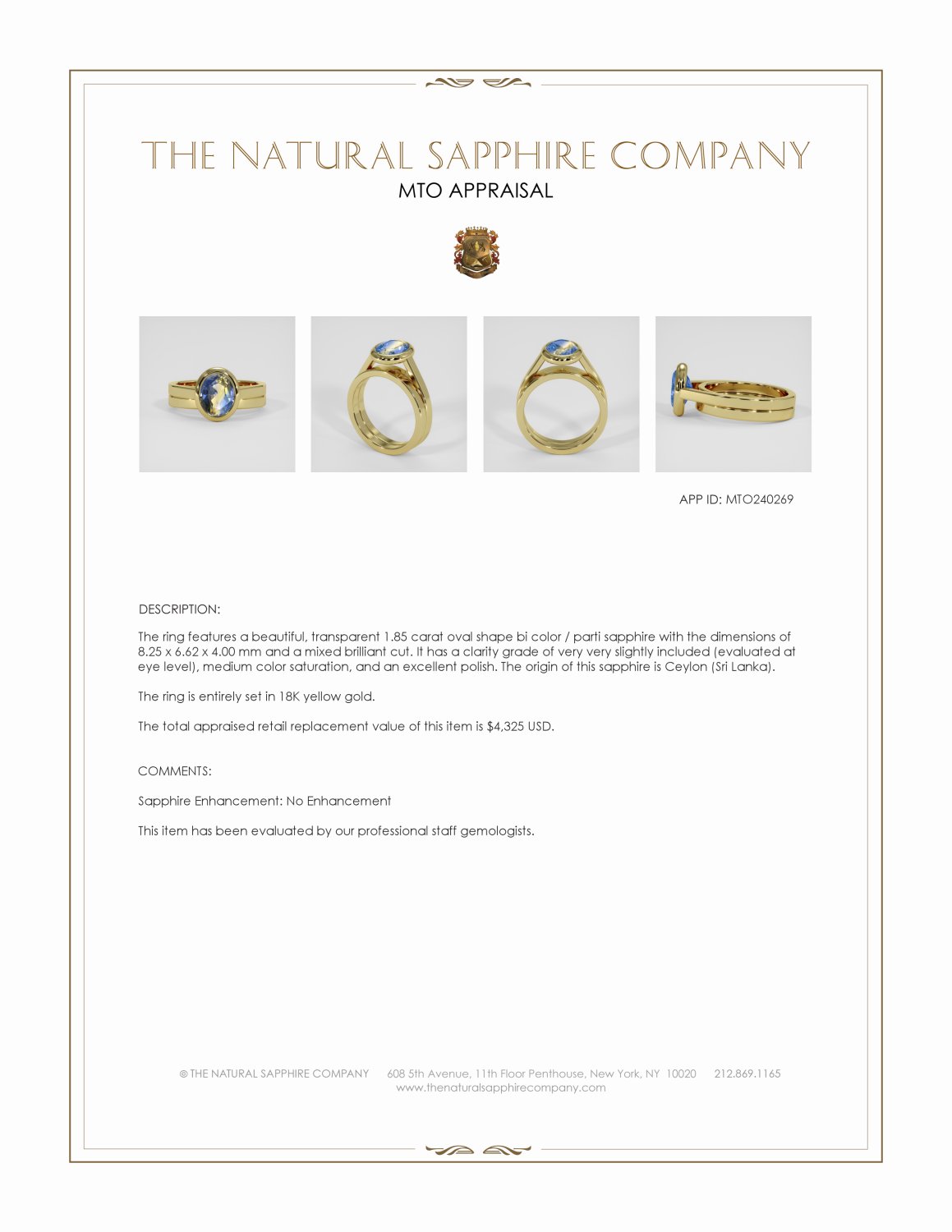
This ring centers a transparent one point eight five carat oval bi color parti sapphire, with calibrated dimensions of eight point two five by six point six two by four point zero zero millimeters, presented in a mixed brilliant cut. The mixed brilliant faceting combines a brilliant crown with a more step oriented pavilion, a configuration chosen to optimize both scintillation and color distribution in an oval outline. The proportions yield a pavilion depth that is approximately fifty four percent of the average of the length and width, a depth plane that supports strong light return while allowing the stone to read true to carat face up. Clarity is described as very very slightly included, evaluated at eye level, which in practice means the stone exhibits outstanding transparency and only the most minute inclusion features that do not detract from the overall visual performance. Color saturation is medium, which for a parti sapphire is desirable because it maintains distinct zones of blue and yellow while avoiding an overly dark or overly pastel appearance, and the excellent polish ensures crisp facet junctions and a bright, lively surface scintillation.
The gem is mounted in solid eighteen karat yellow gold, with a low bezel rim and an elevated open gallery that balances protective metalwork with optical access to the pavilion. The bezel setting secures the oval girdle evenly along its perimeter, reducing localized stress and minimizing the risk of chipping along the edge, while the gallery allows incident light to enter the pavilion and reflect back through the crown, enhancing the bi color effect. The band architecture incorporates split shoulder elements that provide structural support to the bezel and create a visual channeling effect, directing the eye toward the center stone. The choice of eighteen karat yellow gold is deliberate. The warm alloy complements the yellow component of the parti sapphire, creating sympathetic color harmony, and the higher gold content yields a durable yet malleable mounting that accepts a fine hand finish. Polishing is executed to an exacting standard, maintaining smooth interior surfaces for comfortable wear and crisp external planes for resilient daily use.
When compared to lab grown alternatives, the natural Ceylon origin and the particular combination of bi color zoning and very very slightly included clarity present a different set of attributes that discerning buyers should weigh carefully. Lab grown sapphires, whether produced by flame fusion, flux growth, or hydrothermal methods, can deliver remarkably uniform color saturation and very high clarity, often producing stones with fewer visible inclusions and a very consistent hue. Flame fusion material commonly exhibits characteristic curved growth lines and distinctive gas bubble patterns, while hydrothermal and flux grown material display their own formative signatures. By contrast, natural Ceylon parti sapphires frequently show natural growth zoning, silk type rutile inclusions, and trace element distributions that produce the multi tonal character treasured by collectors. These natural inclusion patterns are not flaws in the same sense as manufacturing defects, they are diagnostic indicators of natural formation and provenance, and they interact with faceting to produce dynamic color shifts and pleochroic effects that are difficult to reproduce synthetically.
From a technical authentication standpoint, the two classes are separable using standard gemological tools and instrumentation. Microscopy reveals growth structures and inclusion morphology, polarized light and strain patterns differ between natural and synthetic growth, and trace element analysis can identify geochemical signatures consistent with Ceylon origin. Both natural and lab grown corundum share fundamental material properties including hardness and general toughness, however rarity and collectability diverge. A one point eight five carat, transparent, medium saturated, bi color sapphire with very very slightly included clarity from Ceylon is uncommon, and it carries provenance value and a premium that reflects its natural formation and unique color zoning. Lab grown alternatives offer cost effective, visually uniform options that are attractive for budget conscious or ethically focused buyers, but they do not replicate the specific natural growth history that gives this stone its singular bi color character. At The Natural Sapphire Company we document origin and provide detailed grading information so that clients may assess the technical and market differences between natural and lab grown sapphires, and choose the option that best aligns with their priorities for aesthetics, rarity, and long term value.


