- Stone14
- Reports3
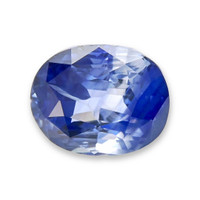
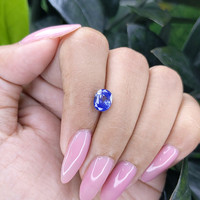
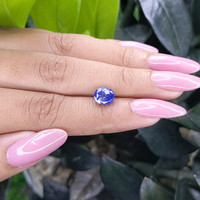
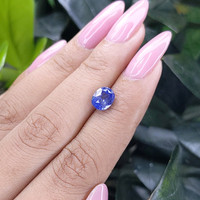
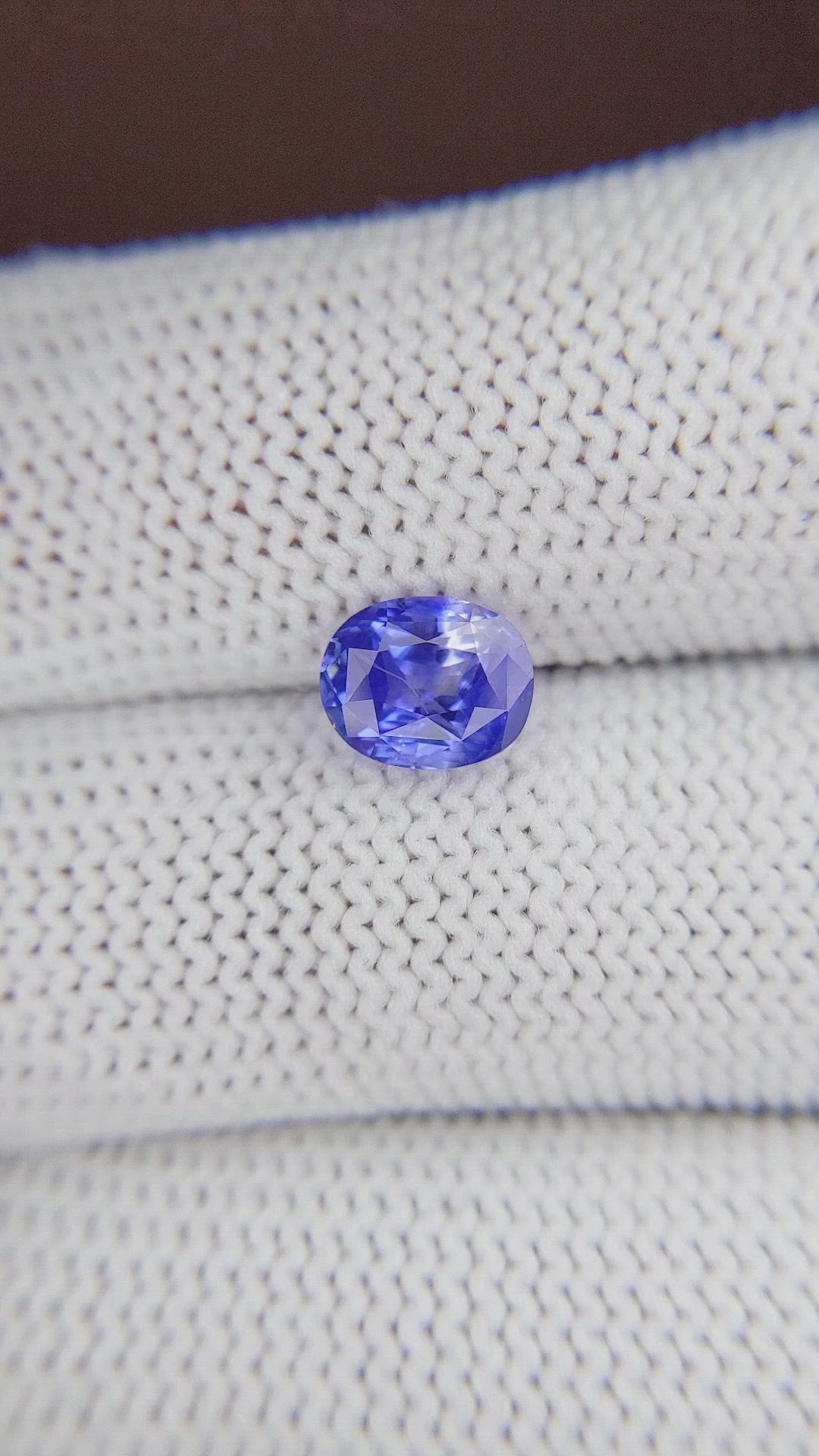
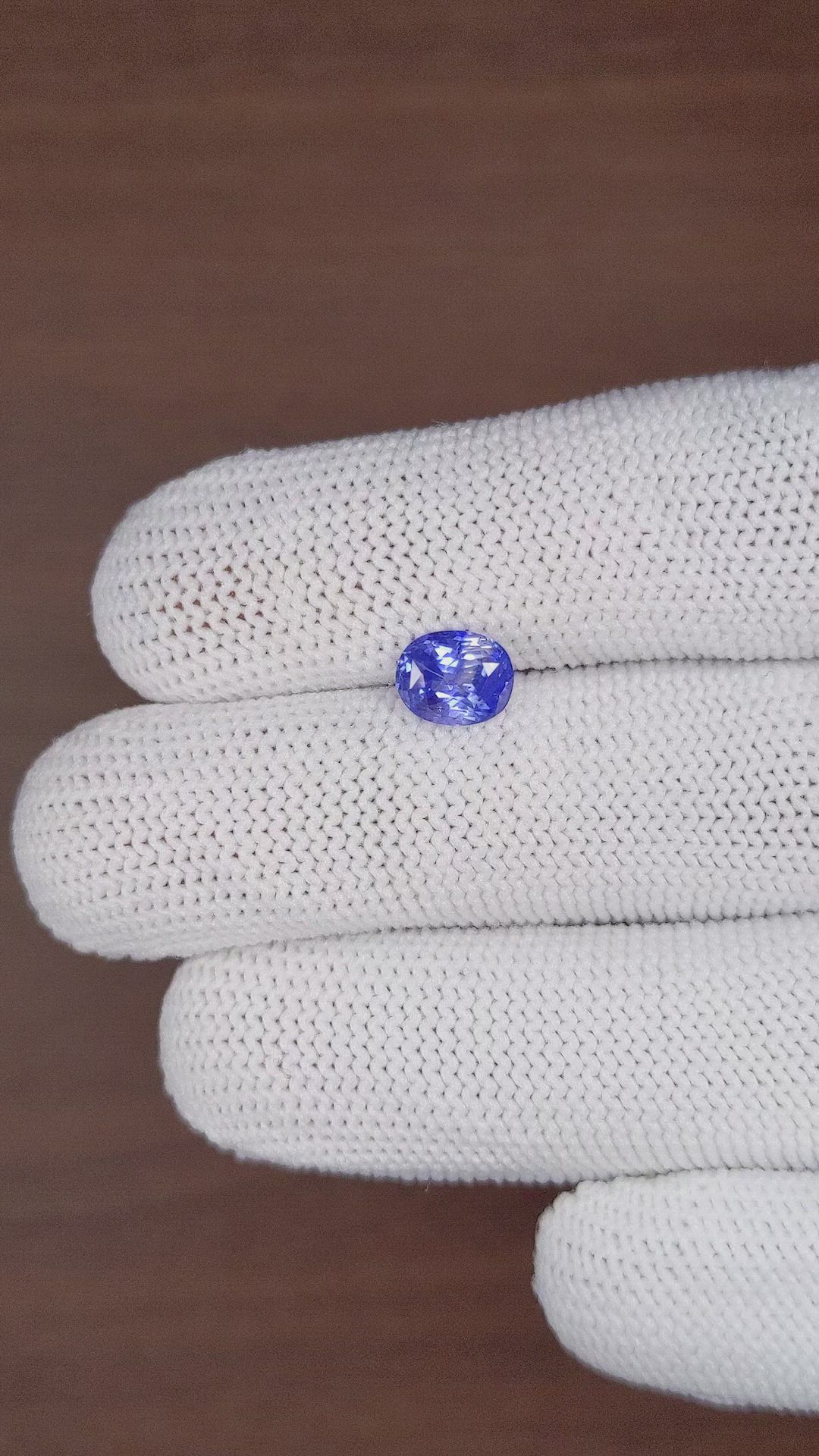
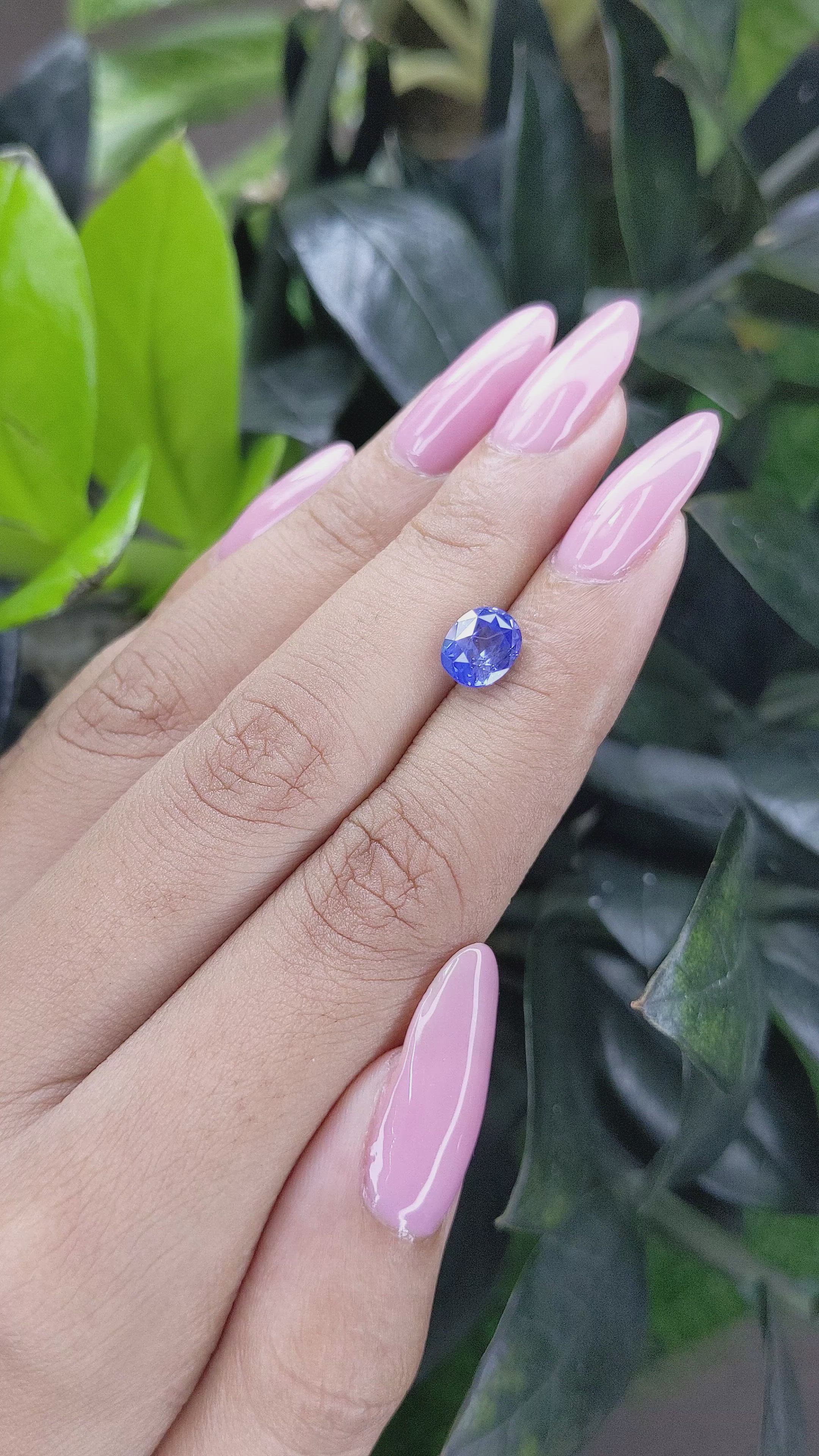
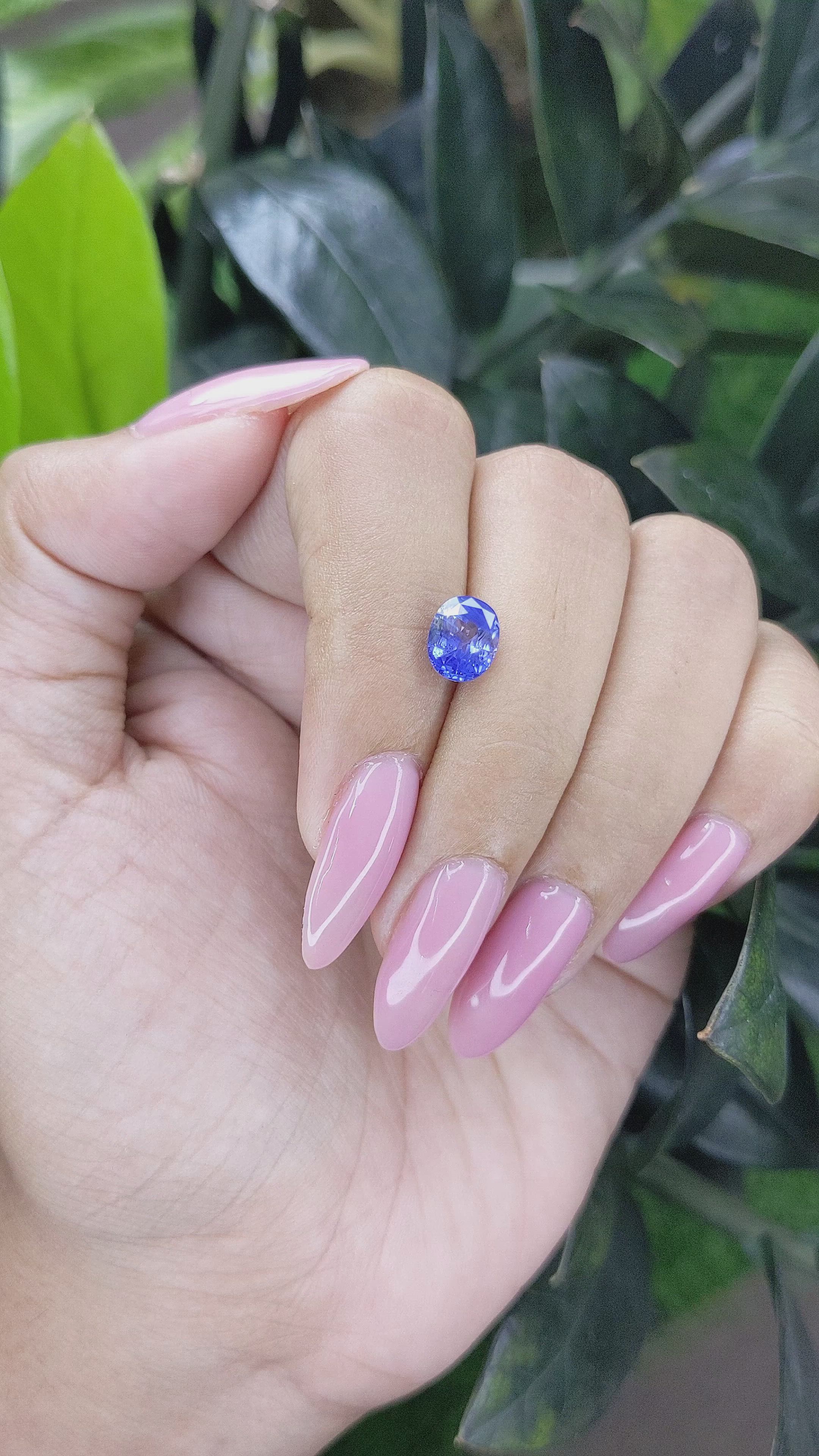
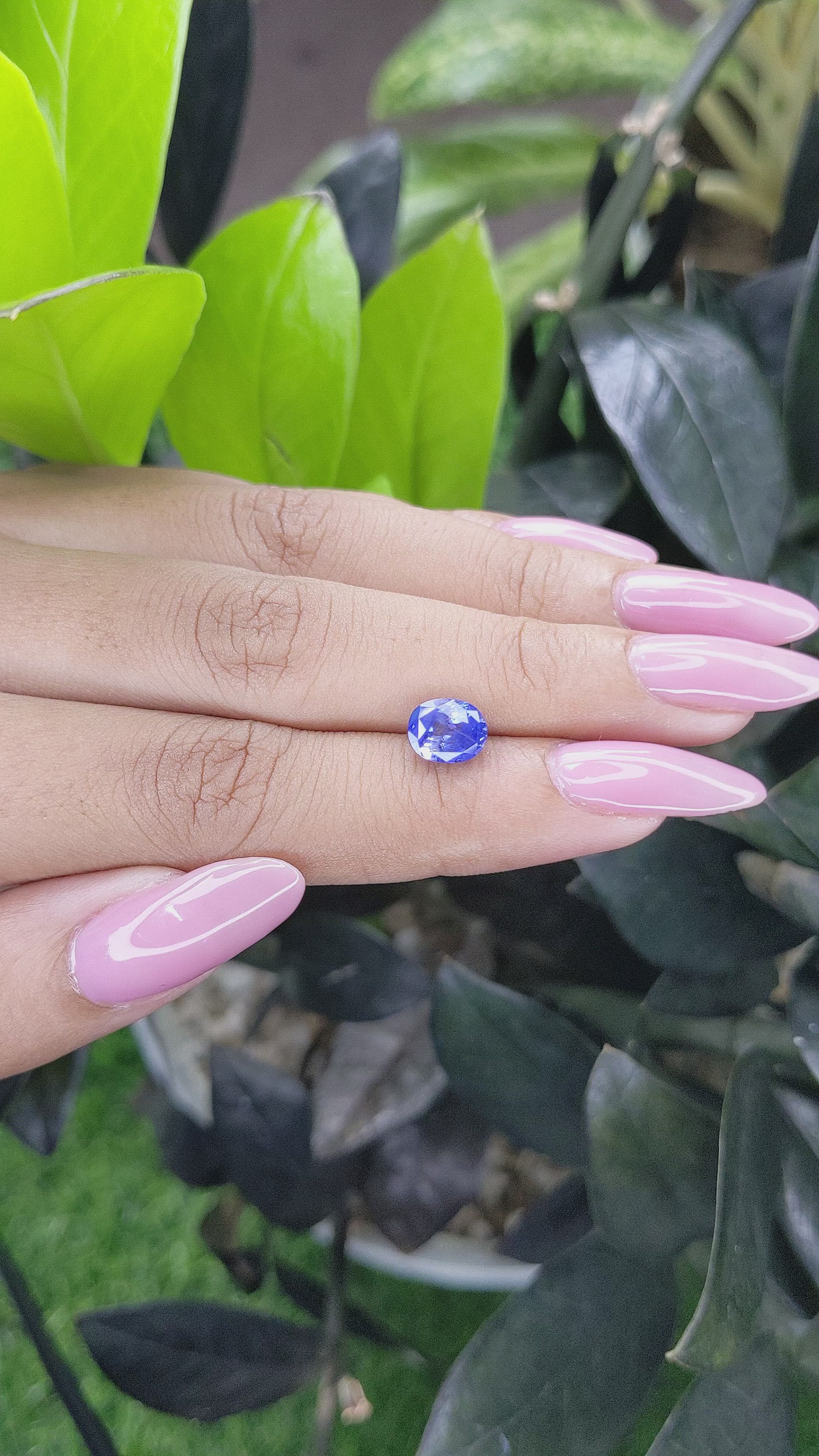

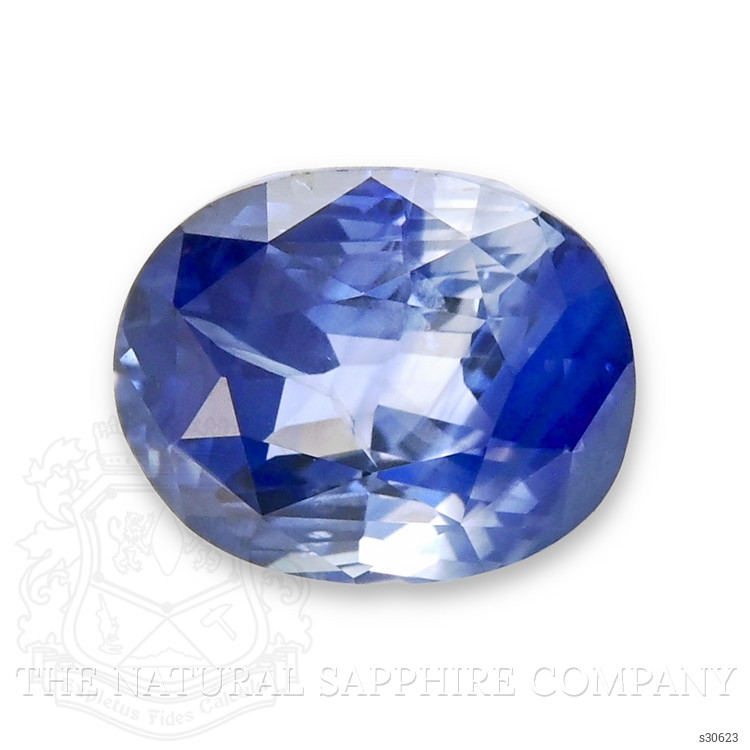
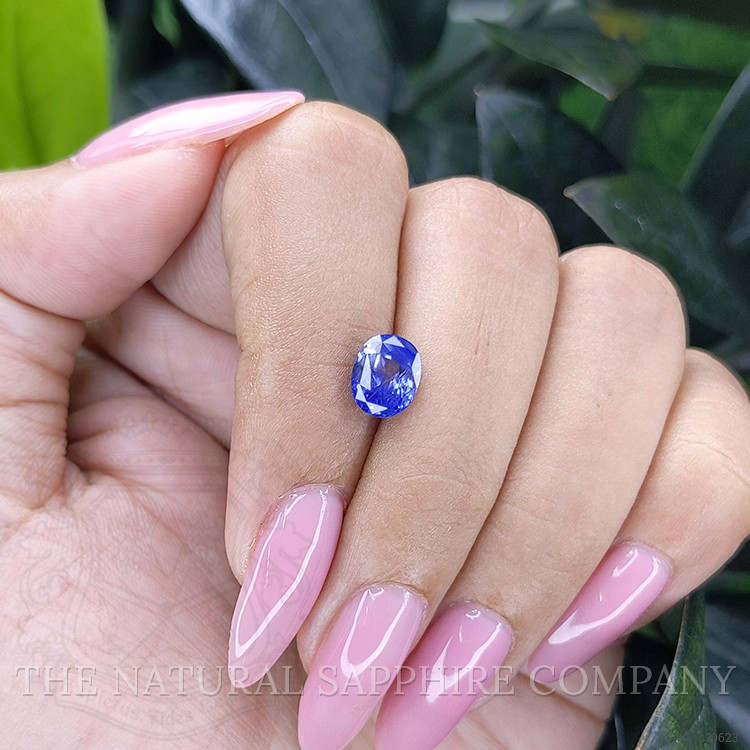
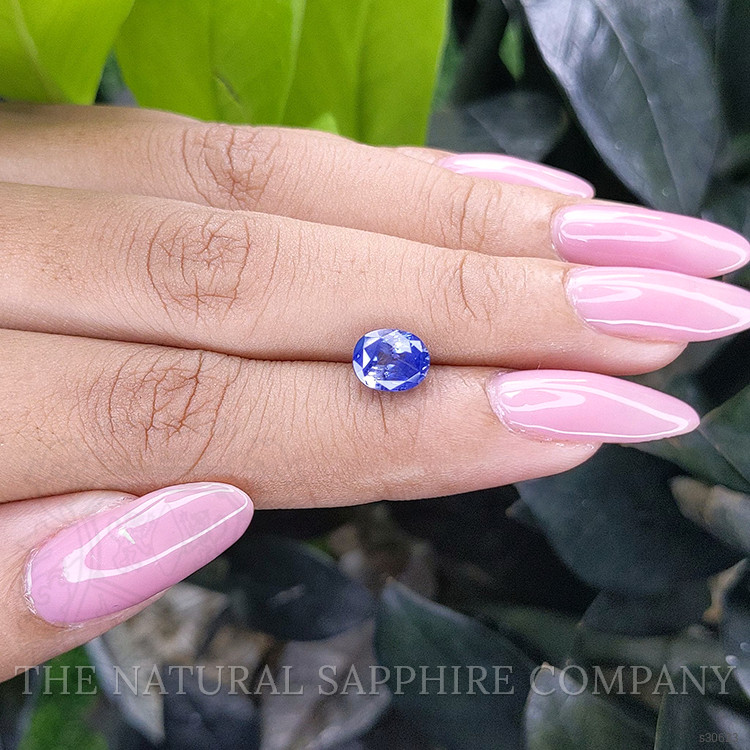
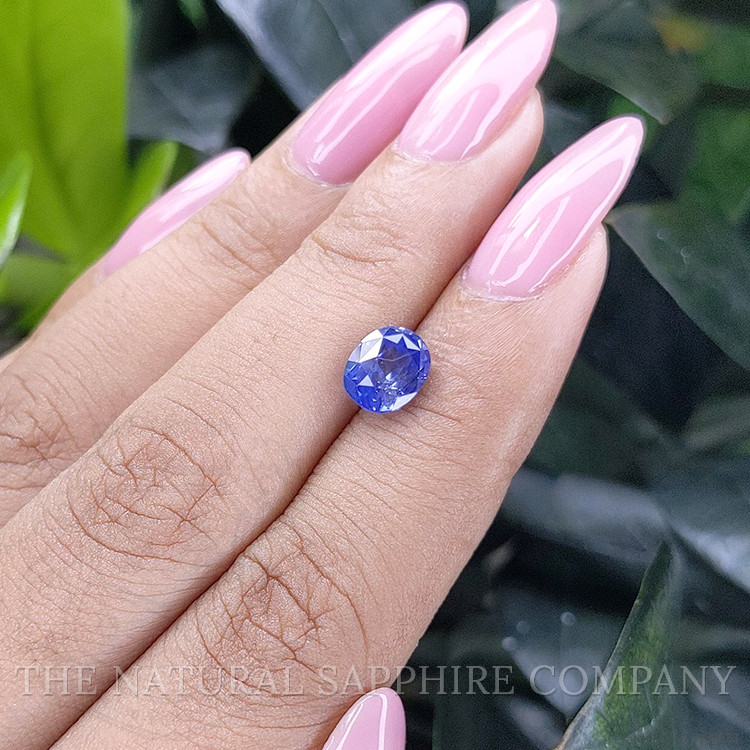

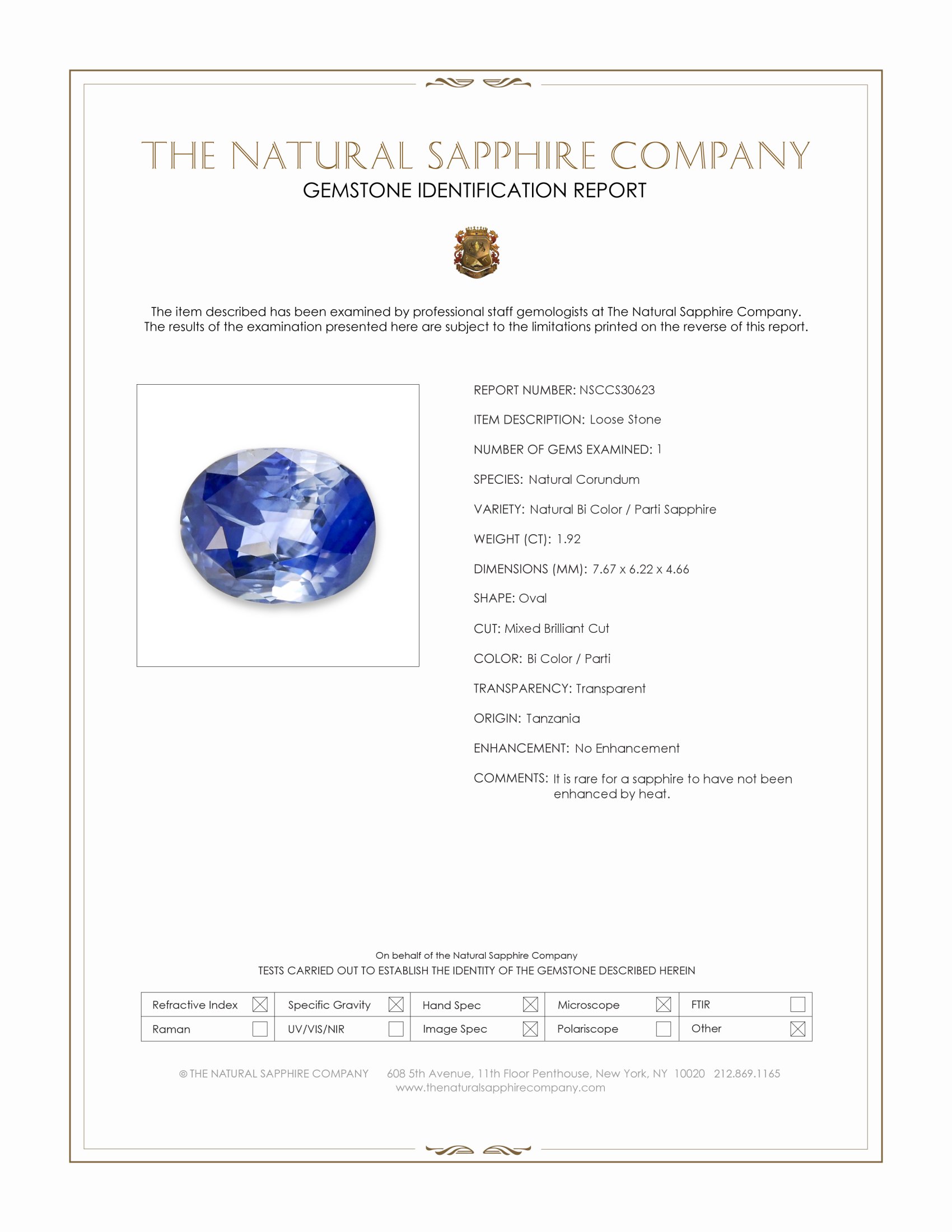
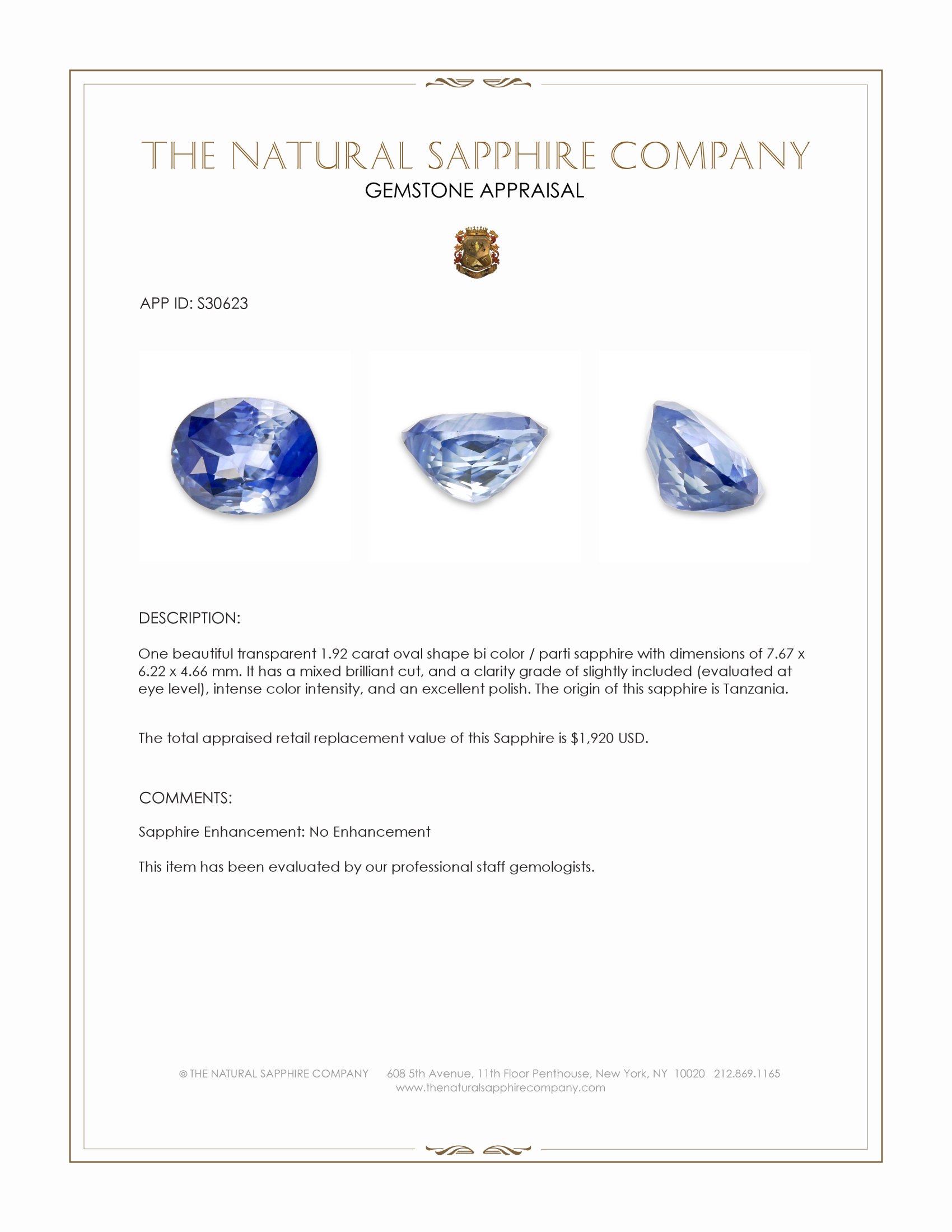
1.92 Ct. Bi Color / Parti Sapphire from Tanzania
This loose stone ships by Nov 10
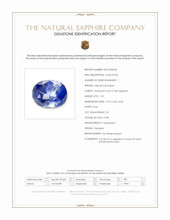
Item ID: | S30623 |
|---|---|
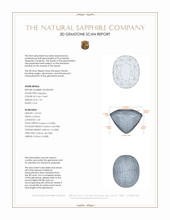
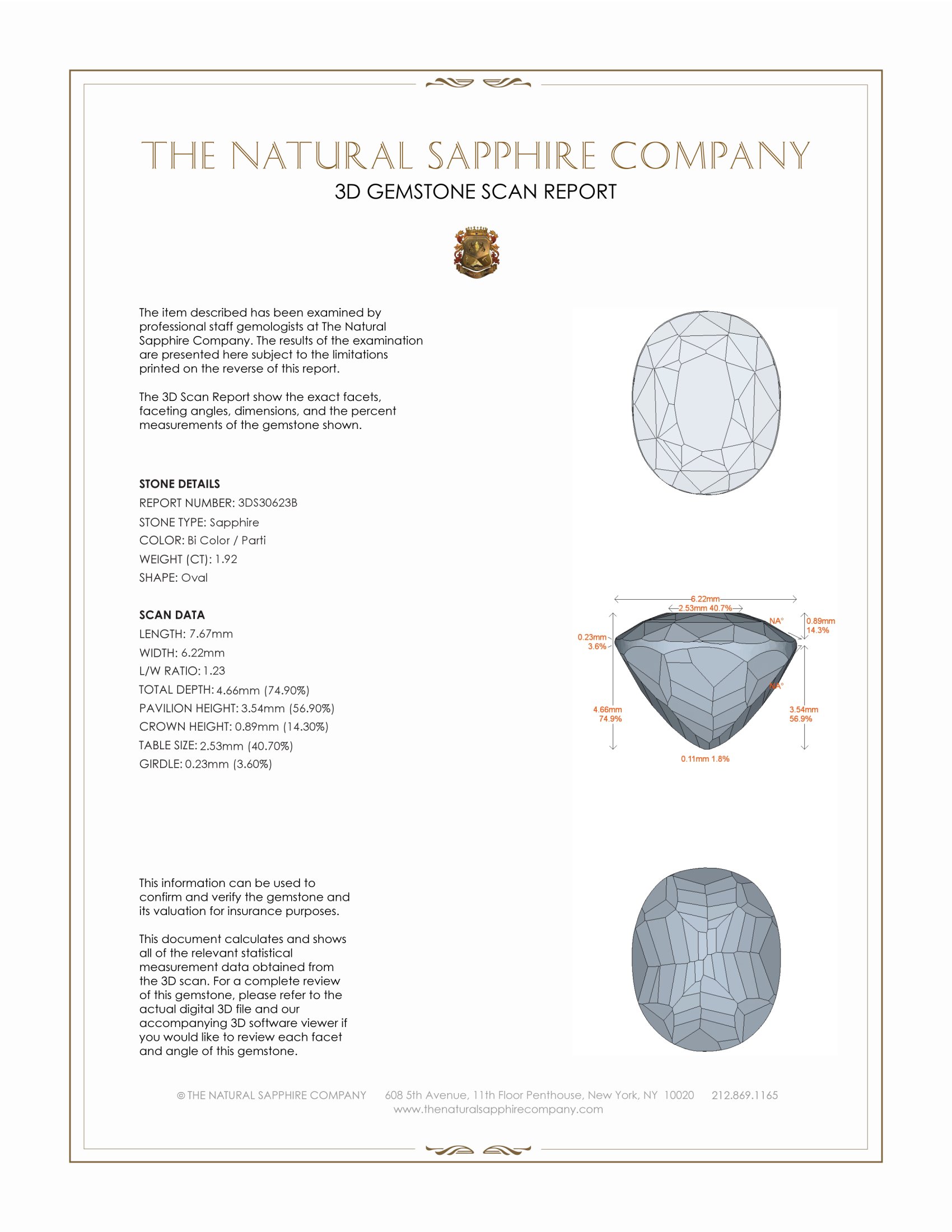
Dimensions (MM): help | Length: 7.67 Width: 6.22 Height: 4.66 |
Weight: | 1.92 Ct. |
Color: help | Bi Color / Parti |
Color intensity: help | Intense |
Clarity: help | Slightly Included |
Shape: help | Oval |
Cut: | Mixed Brilliant Cut |
Cutting style: | Faceted |
Enhancements: help | No Enhancement |
Origin: help | Tanzania |
Per carat price: help | $1,000 |
This 1.92 carat oval bi color parti sapphire from Tanzania presents a precise balance of weight, dimensions, cut, and natural color, as documented by The Natural Sapphire Company. The gem measures 7.67 by 6.22 by 4.66 millimeters, producing an overall depth percentage of approximately 67 percent when measured against the average diameter, a proportion that supports strong light return without excessive windowing. The sapphire is faceted, executed as a mixed brilliant cut, with a crown arranged to harvest pavilion return and a pavilion geometry engineered to redirect light through the table, yielding concentrated flashes of brilliance and controlled contrast. The stone exhibits intense color intensity across two distinct color areas, and the clarity is graded slightly included evaluated at eye level, indicating modest internal features that do not dominate the visual field. The polish has been assessed as excellent, with facet junctions rendered crisply to preserve sharp facet reflections. No enhancement has been performed on this sapphire, which retains its natural, unheated character, and the Tanzanian origin is consistent with the mineralogical signature and zoning patterns observed.
The mixed brilliant faceting strategy applied here is a purposeful compromise between pure brilliant and step cutting philosophies, optimizing both brilliance and color saturation. On the crown, smaller star and bezel facets increase scintillation and break up larger color fields, while on the pavilion, strategically angled mains and lower facets reduce leakage and strengthen return, particularly important for a parti sapphire where two color zones must coexist without creating a flat window. Corundum has a refractive index that ranges from approximately 1.762 to 1.770 and a dispersion near 0.018, values that produce a measured level of fire and brilliance that is lower than diamond but significantly higher than many other colored stones. Within the category of sapphires, this gem compares favorably in reflective performance to heavily included or poorly proportioned pieces, because its mixed brilliant geometry and ideal depth preserve internal light paths. Compared to step cut sapphires, which emphasize color and produce broad flashes, the mixed brilliant of this stone achieves finer scintillation and a livelier dynamic under point light, while retaining strong color presence that step cuts normally favor.
Clarity and polish interact strongly with the reflective character of this sapphire. Slight inclusions evaluated at eye level are often microscopic crystals or thin silk that scatter light at a fine scale, which can soften contrast but also enhance perceived depth in certain orientations. In this specimen the inclusions are not obtrusive, allowing crisp facet reflections to dominate, especially in the table and crown areas where excellent polish minimizes surface microrelief that would otherwise diffuse light. When compared to other natural sapphires in the market, unheated stones with similar clarity grades typically display a more natural, less homogenized appearance than heat treated material, where heat may reduce silk and increase transparency. The absence of enhancement here means the stone’s reflective qualities derive from intrinsic crystal structure and cutting choices, rather than post treatment, and this authenticity often results in a more interesting interplay between reflective brilliance and color zoning. For buyers who appreciate technical nuance, the way slight inclusions interact with mixed brilliant facet arrays can produce a subtle silky shimmer without compromising crisp facet architecture.
From a practical and aesthetic perspective, the reflective qualities of this Tanzanian bi color sapphire make it exceptionally suitable for designs that showcase movement and light. The oval outline and mixed brilliant faceting create an elongated table that encourages return when set in open prong or low bezel mounts, while the depth and facet angles reduce the tendency toward windowing that can mute parti coloration. Compared to other sapphires, especially stones that are deeper or shallower than optimal for their dimensions, this gem demonstrates above average light performance for its size class, translating directly to visual impact in jewelry. The Natural Sapphire Company recommends settings that allow light to enter from multiple directions to maximize the contrast between the two color zones and to accentuate scintillation, and also recommends professional cleaning and occasional inspection to maintain the excellent polish. As an unenhanced, Tanzanian origin sapphire with disciplined cutting and clear technical pedigree, this piece offers collectors and connoisseurs a combination of natural provenance, thoughtful craftsmanship, and reflective behavior that stands apart from more common, heavily treated or poorly proportioned examples. For further technical data, viewing options, or mounting recommendations, our gemologists at The Natural Sapphire Company are available to provide measured facet diagrams, light performance notes, and custom setting guidance.


