
- Stone12
- Reports3

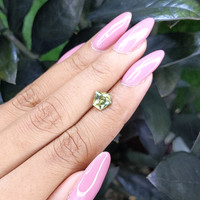

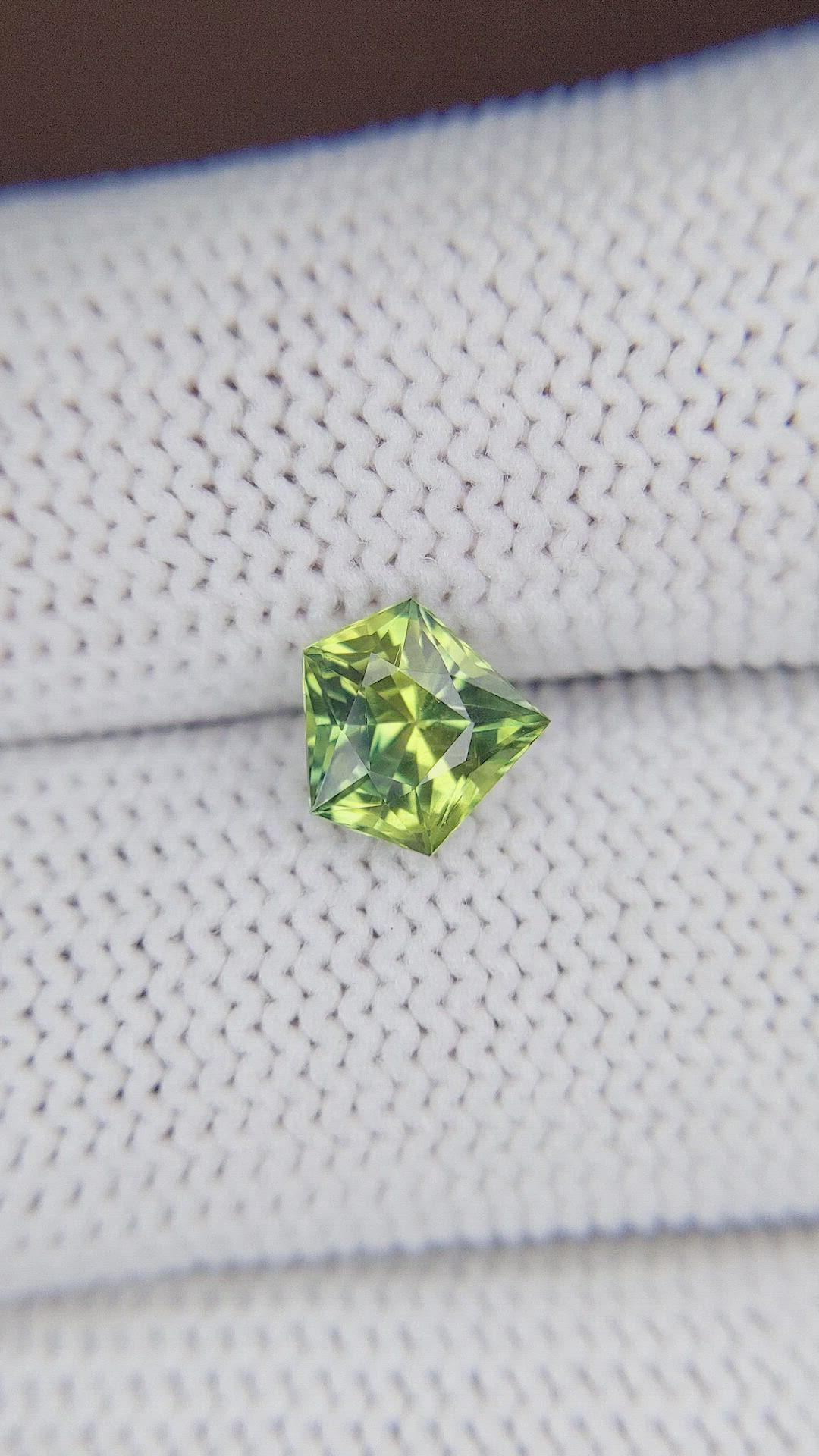
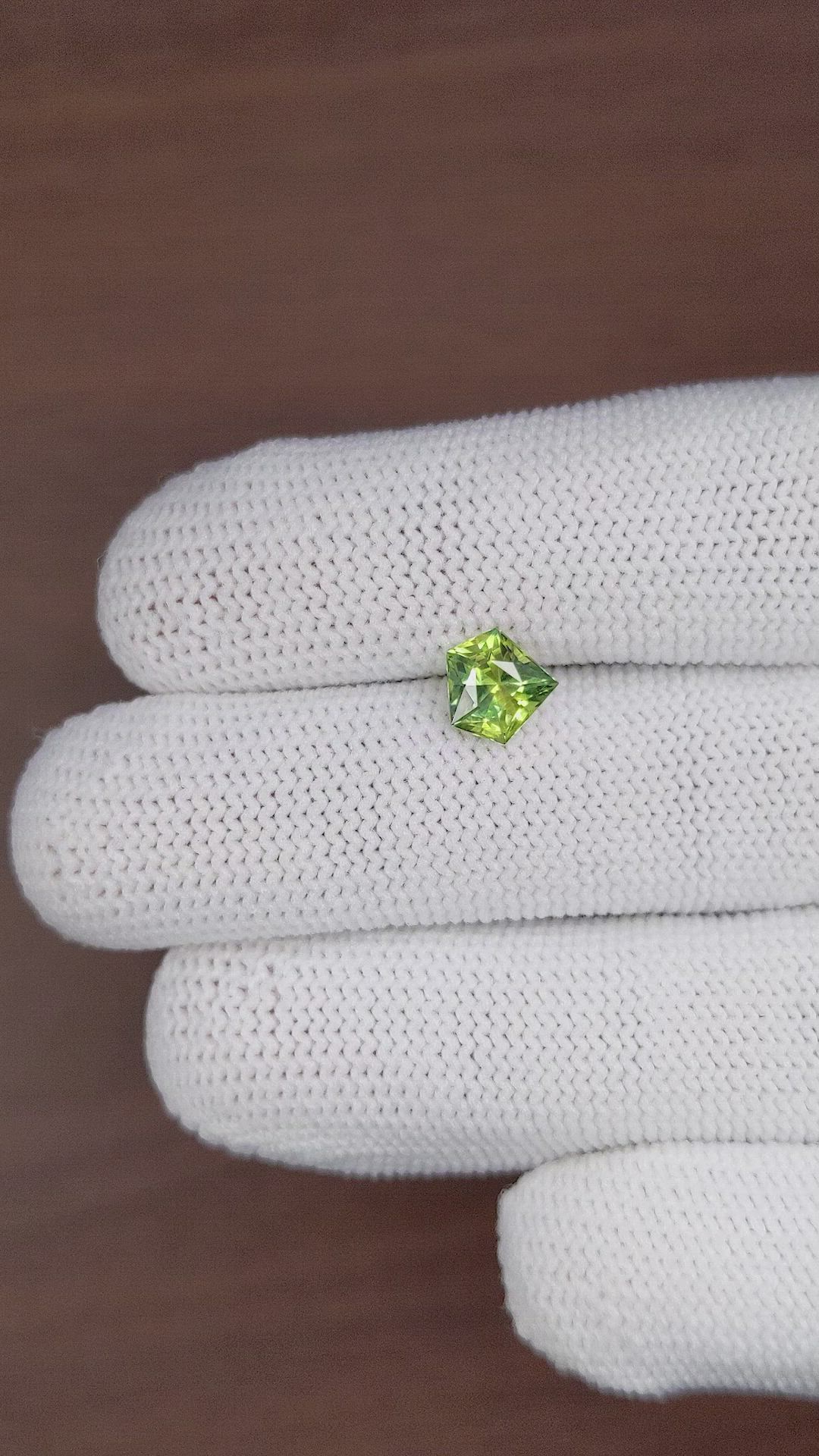
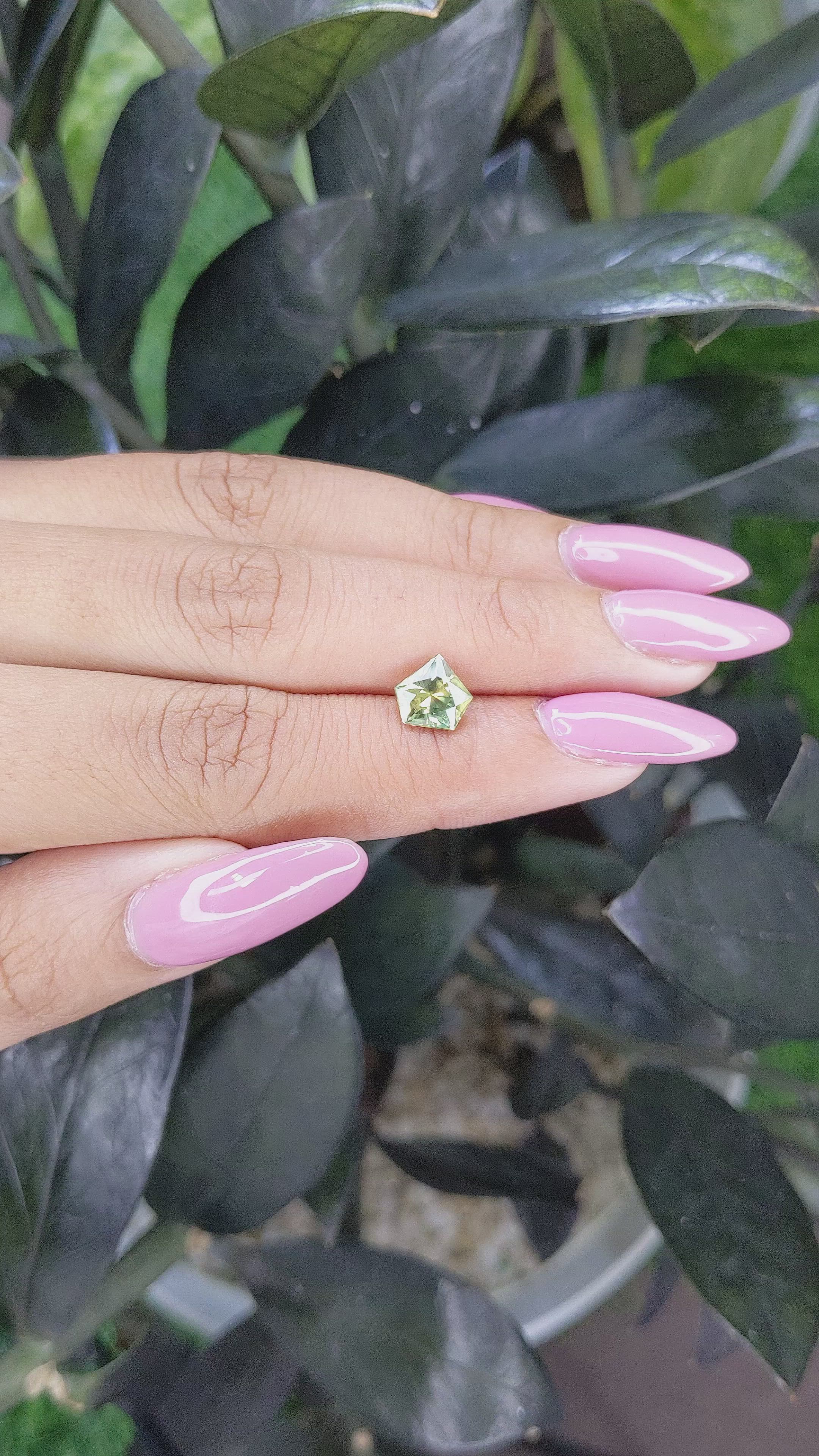
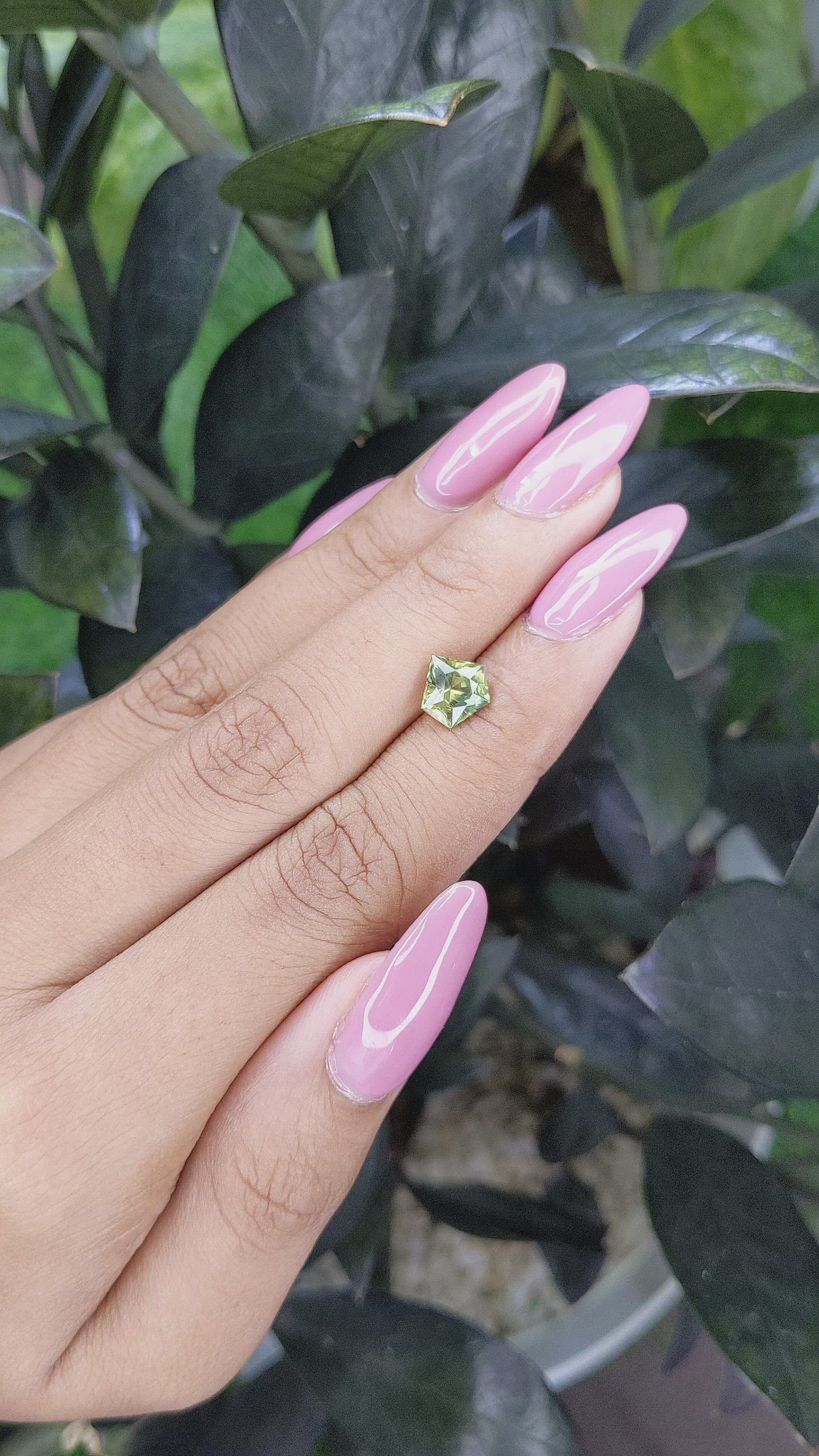


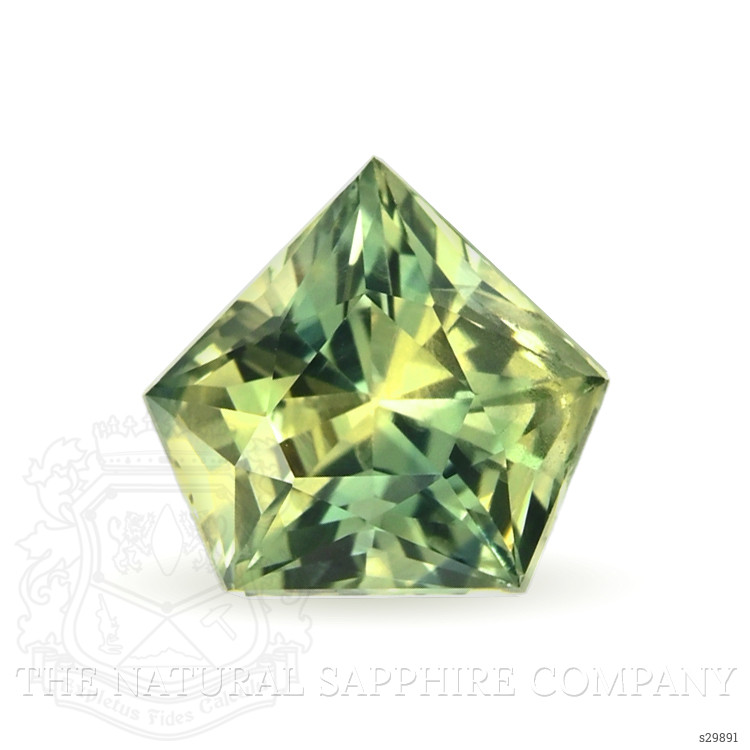
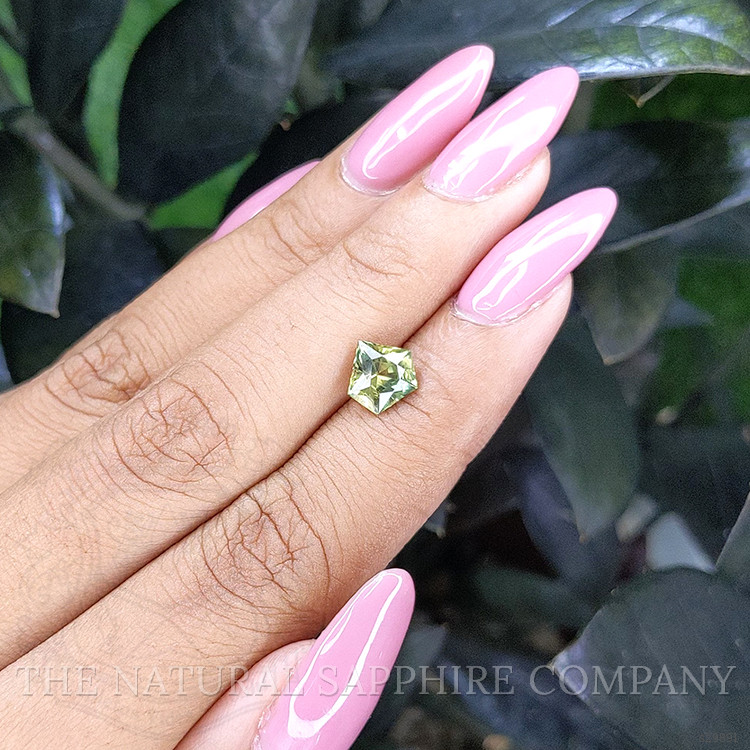
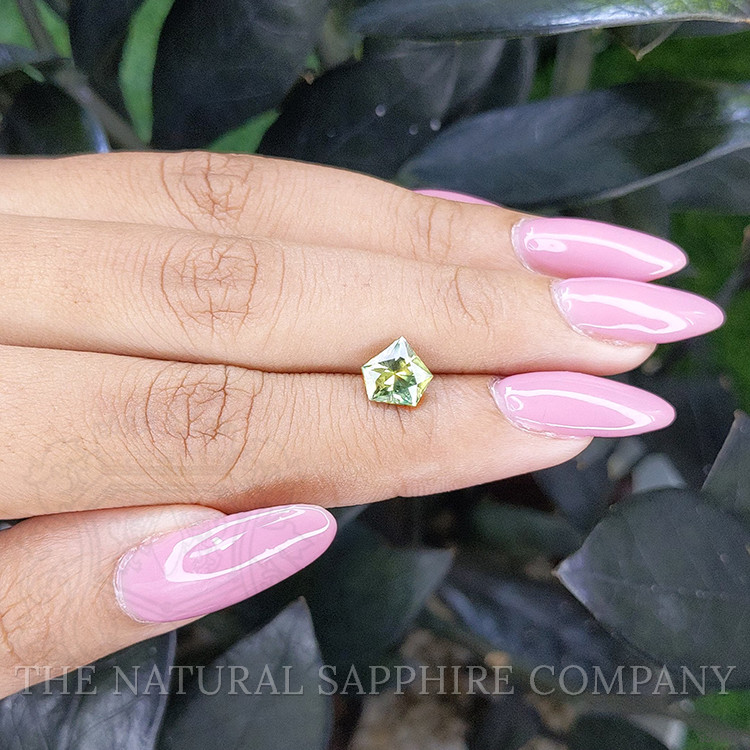


1.60 Ct. Bi Color / Parti Sapphire from Australia
This loose stone ships by Nov 11
Item ID: | S29891 |
|---|---|
Dimensions (MM): help | Length: 7.33 Width: 7.85 Height: 4.56 |
Weight: | 1.60 Ct. |
Color: help | Bi Color / Parti |
Color intensity: help | Medium |
Clarity: help | Very Slightly Included |
Shape: help | Fancy |
Cut: | Mixed Brilliant Cut |
Cutting style: | Faceted |
Enhancements: help | No Enhancement |
Origin: help | Australia |
Per carat price: help | $900 |
This 1.60 carat transparent fancy shape bi color parti sapphire from Australia presents a precisely measured and responsibly documented specimen, weighing 1.60 carats with dimensions of 7.33 by 7.85 by 4.56 millimeters. The cutting style is faceted, executed as a mixed brilliant cut that combines a brilliant facet scheme on the crown with step or modified pavilion facets to balance fire and color saturation, and the stone displays an excellent polish that maximizes facet contrast and light return. Clarity is graded as very slightly included when evaluated at eye level, indicating minor internal characteristics that do not materially interrupt the overall face up appearance, while the transparency and absence of enhancement attest to the natural state of the crystal. Origin reporting to Australia is consistent with the material habit and color distribution seen here, and the dimensional proportions were chosen to retain as much weight as possible while producing a lively face up presentation, particularly important for a bi color sapphire where preservation of the color split is often at odds with maximizing brilliance.
The hue and tone of this sapphire are best described as a medium color intensity in a bi color range, sitting between a yellow green and a blue green depending on viewing angle and light source, with the parti effect manifesting as distinct yet smoothly transitioning zones rather than abrupt banding. The mixed brilliant cut amplifies this behavior by creating small, high intensity flash facets on the crown that reveal the cooler blue green tones, while the broader pavilion facets emphasize the warmer yellow green. Pleochroism is evident, as expected for corundum with multiple absorption directions, and the facet architecture has been planned to show complementary colors from different orientations, thereby leveraging both hue and tone to produce optical depth. The very slightly included clarity grade allows internal reflections and small pinpoint inclusions to act as additional light scatterers in certain orientations, without degrading the overall clarity impression, and the excellent polish ensures those scattering effects remain controlled and contribute to scintillation rather than haze.
When compared to sapphires from other famous locations the hue and tone relationships are instructive for the knowledgeable buyer. Sri Lankan sapphires, often referred to as Ceylon, typically show lighter, more saturated blues and yellows with higher brilliance and a generally brighter, more vivid face up, so a Ceylon parti sapphire with similar hues will usually read as lighter and more lively than this medium toned Australian example. Montana parti sapphires are a closer analog in terms of green and minty character, however Montana material tends to skew toward lower tone pastel expressions, and the Australian stone here carries a slightly deeper tone and a more pronounced balance between the cool and warm components. Malagasy sapphires from Madagascar frequently produce highly saturated, evenly distributed colors, which contrasts with this Australian stone where deliberate retention of bi color zoning was prioritized, yielding a more complex and variegated face up. Classic Kashmir sapphires are an instructive point of contrast in tone, as Kashmir is known for deep, velvety blue with strong saturation and plush tone, a profile fundamentally different from the parti characteristic of this sapphire, which trades deep uniform saturation for dynamic duality of hue.
From a craftsmanship and setting perspective the cutting choices seen here optimize both aesthetic and practical considerations for the collector or designer seeking a distinctive center stone. The mixed brilliant facet arrangement balances scintillation with color retention, producing crisp facet junctions and a lively pattern that changes with movement, and the pentagonal or fancy outline creates a modern architectural silhouette that complements bezel as well as prong settings. The medium tone and moderate saturation make this gem versatile, allowing designers to employ metal color and setting depth to influence perceived temperature and contrast, while the very slightly included clarity permits confident use as a focal element without concern for distracting inclusions. The absence of enhancement preserves the natural origin narrative, an important attribute for provenance conscious buyers, and The Natural Sapphire Company documents and certifies this specimen accordingly. For connoisseurs comparing hue and tone across regions, this Australian bi color sapphire offers an intriguing middle ground, combining some of the cool clarity associated with Ceylon material, the parti character found in Montana examples, and the deeper tonal weight more typical of Australian corundum, making it a technically interesting and visually rewarding choice for bespoke jewelry.


