
- Stone12
- Reports3
-radiant-purple-sapphire-1.1000-cts-s22814-1.jpg?d=200x200&v=20250317170627)
-radiant-purple-sapphire-1.1000-cts-s22814-lifestyleimage-1.jpg?d=200x200&v=20250514024903)



-radiant-purple-sapphire-1.1000-cts-s22814-1.jpg?d=750x750&s=nsc&v=20250317170627)
-radiant-purple-sapphire-1.1000-cts-s22814-lifestyleimage-1.jpg?d=750x750&s=nsc&v=20250514024903)


1.10 Ct. Bi Color / Parti Sapphire from Tanzania
This loose stone ships by Nov 5
Item ID: | S22814 |
|---|---|
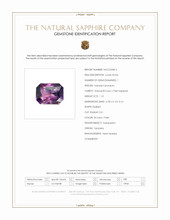
Dimensions (MM): help | Length: 6.78 Width: 5.13 Height: 3.16 |
Weight: | 1.10 Ct. |
Color: help | Bi Color / Parti |
Color intensity: help | Vivid |
Clarity: help | Slightly Included |
Shape: help | Radiant |
Cut: | Radiant Cut |
Cutting style: | Faceted |
Enhancements: help | Heat Treated |
Origin: help | Tanzania |
Per carat price: help | $600 |
This 1.10 carat radiant shape bi color parti sapphire presents as a transparent, faceted gemstone with dimensions of 6.78 x 5.13 x 3.16 mm. The stone is fashioned in a radiant cut, a pavilion and crown arrangement that combines precise geometric facets to maximize light return while preserving weight from the rough. Clarity is evaluated as slightly included at eye level, a grade that indicates the presence of small natural features which are consistent with origin and formation, yet do not materially detract from overall transparency. Color intensity is vivid, with a distinct parti color distribution that yields visible variation in hue across the table and facets. Surface condition is described as excellent polish, and the sapphire has been heat treated, a stable and commonly applied enhancement to optimize color and to diminish localized color zones. The stated origin for this specimen is Tanzania, and the piece is presented with full disclosure by The Natural Sapphire Company.
The geological narrative of this sapphire begins deep within the crust, millions of years ago, where aluminum rich protoliths and aluminous sediments were subjected to regional metamorphism and localized magmatic activity. Corundum, the mineral species of sapphire and composed primarily of aluminum oxide, crystallized under conditions of elevated temperature and pressure, often in association with silica poor, aluminum rich host rocks. The incorporation of trace elements during crystal growth, principally iron, titanium, and in some cases vanadium or chromium, produced the range of hues that are expressed in this stone. Parti color, the occurrence of two or more distinct colors within a single crystal, arises from variations in trace element concentration and from growth sector zoning as the crystal accreted over time. Fluid inclusions and differential cooling rates can produce subtle shifts in oxidation state and chromophore distribution, resulting in the partitioning of color that is now observable as this bi color effect. Over geologic time frames, tectonic uplift and erosion liberated the corundum crystals from their host rocks, concentrating them in placer deposits and primary veins in regions such as Tanzania where the necessary geologic environments were present.
From a lapidary and gemological perspective, the radiant cut employed here was selected to emphasize the parti coloration while delivering balanced light performance for a relatively small carat weight. The 6.78 x 5.13 x 3.16 mm proportions were maintained to yield an efficient table and crown relationship, allowing the vivid color to present evenly across the table while the faceting pattern breaks and refracts light to create scintillation. The faceted cutting style, with its mixture of step and brilliant type facets, supports both depth of color and optical dispersion, making the bi color transitions engaging without appearing uneven under standard viewing conditions. Clarity characteristics graded as slightly included at eye level reflect internal features that are consistent with natural formation and common to corundum from metamorphic environments. These features are stable under normal wear, and the excellent polish contributes to the apparent clarity and brilliance by minimizing surface light scattering. Heat treatment applied to this sapphire has been conducted to a gemological standard, altering color centers and improving tone and saturation, a treatment that is long established in the trade and considered permanent under normal conditions of use.
In terms of practical use and provenance, this sapphire is suitable for precision mounting where its radiant shape and vivid parti color can be displayed to advantage, including ring, pendant, or bespoke setting designs that account for the 6.78 x 5.13 x 3.16 mm table dimensions and the 3.16 mm depth. The slightly included clarity should be considered in setting design to protect any internal features from direct impact, while the excellent polish and durable corundum composition make the gem appropriate for daily wear with standard precautions. The heat treatment is disclosed in keeping with industry best practice, and the Tanzanian origin is noted for its geological context and typical gemological characteristics. The Natural Sapphire Company provides full disclosure of these attributes and stands behind the material quality and documentation associated with this stone. This description addresses the material, gemological, and geological aspects of the sapphire in a factual, measured manner to assist in assessment, selection, and design decisions.


