- Stone14
- Reports3
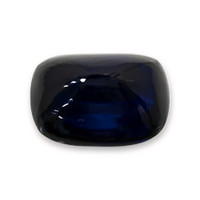
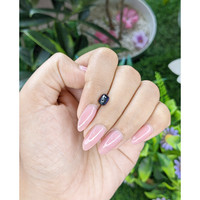
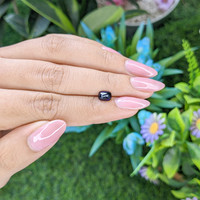
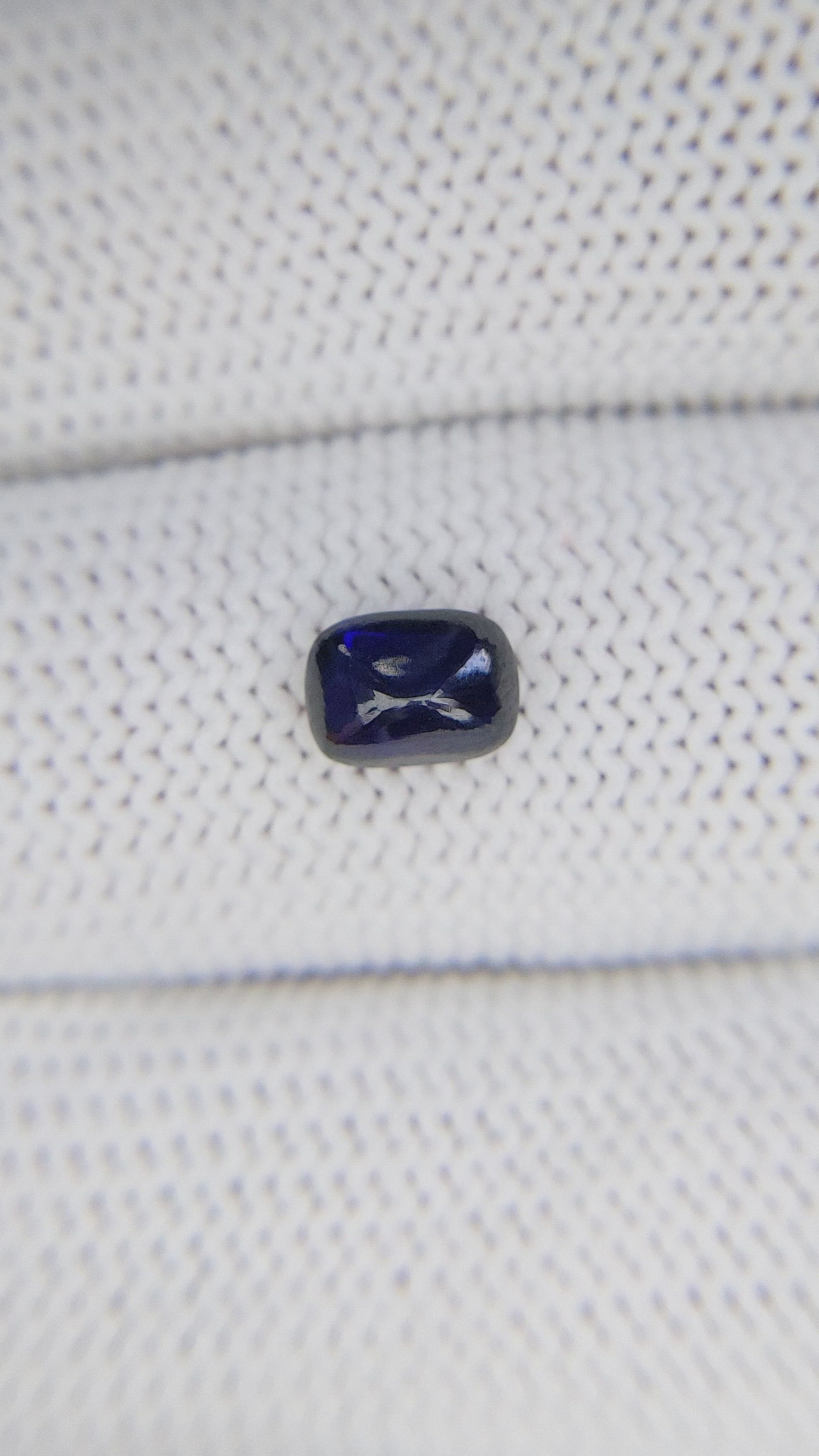
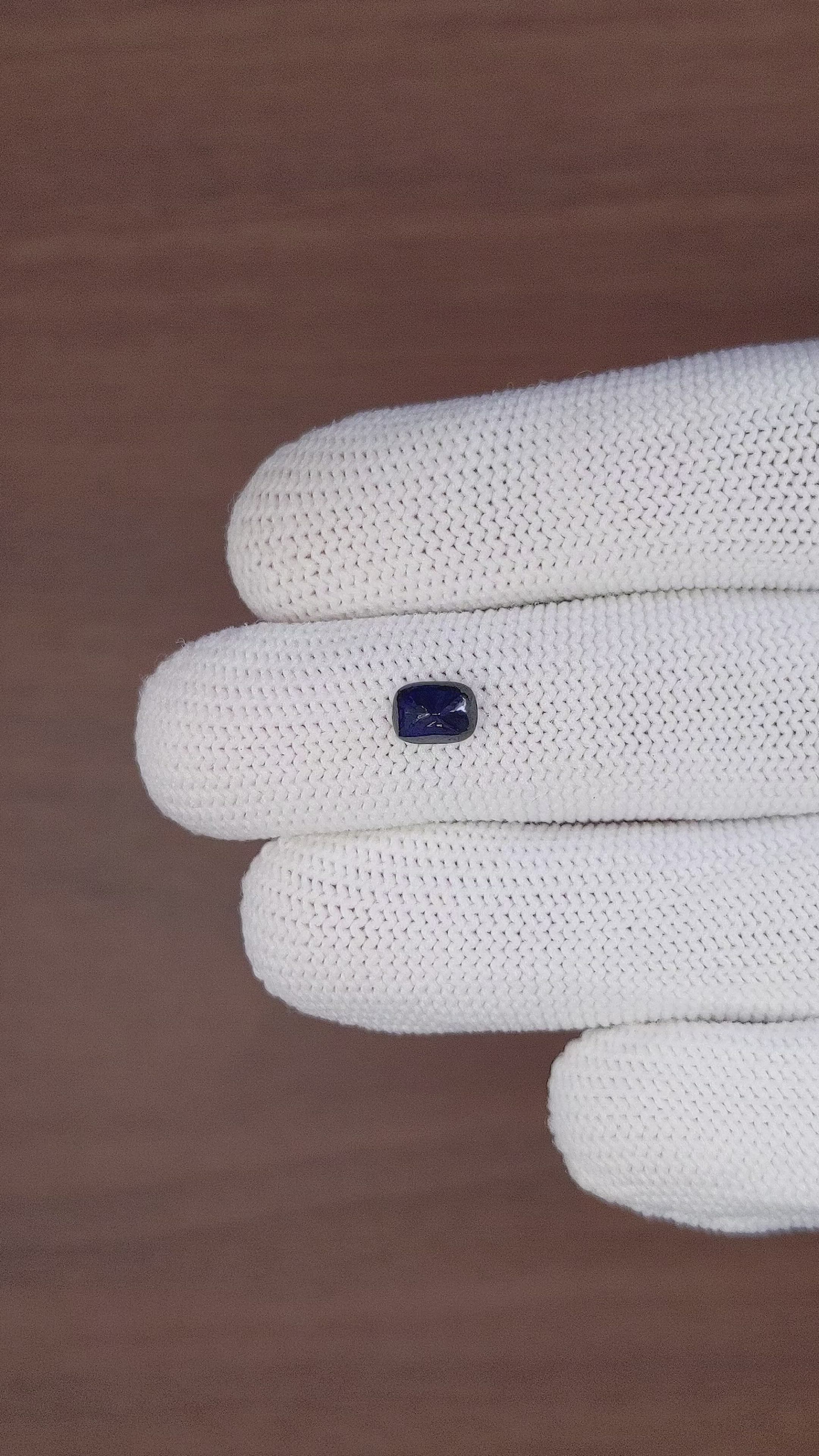
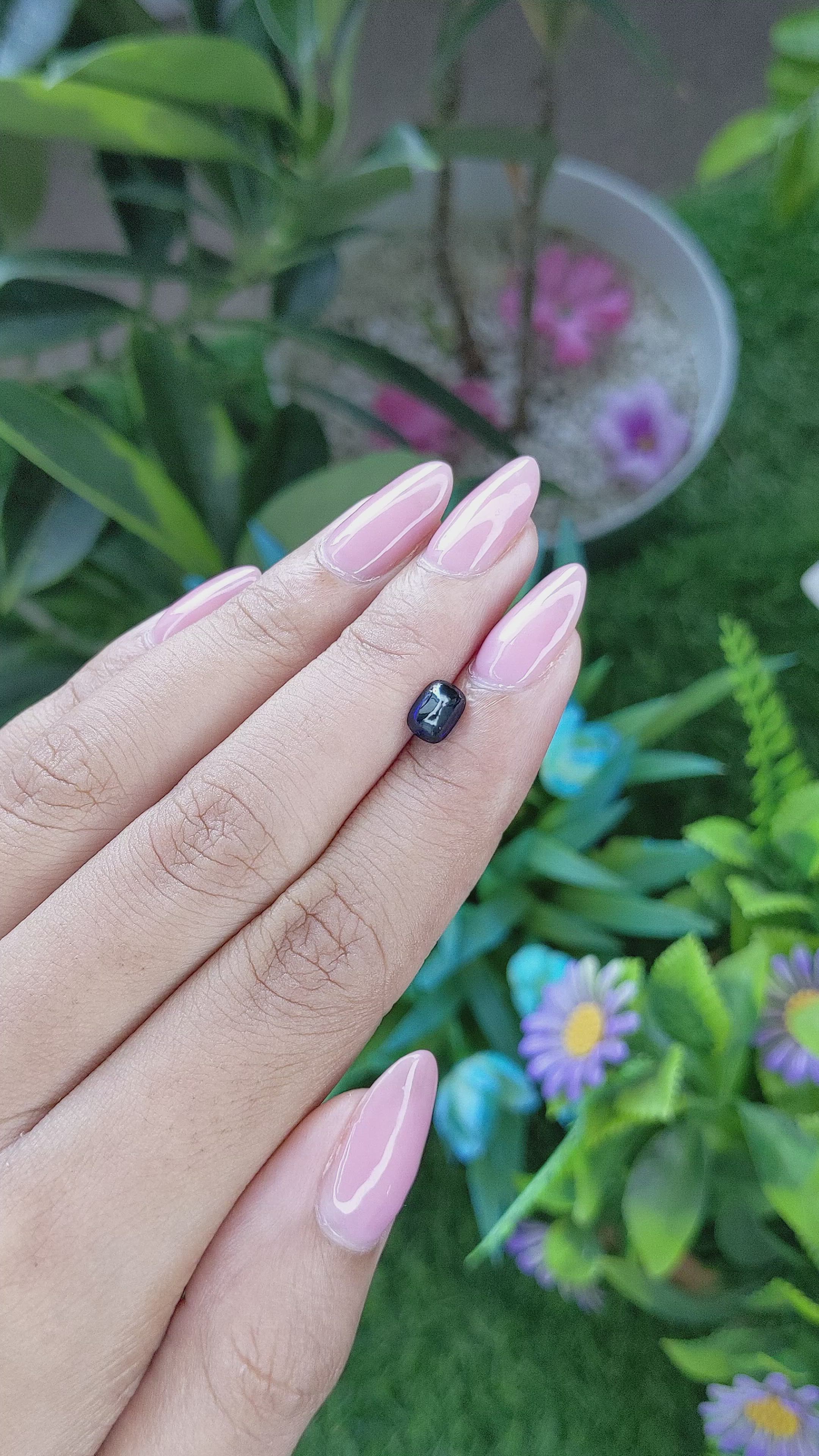
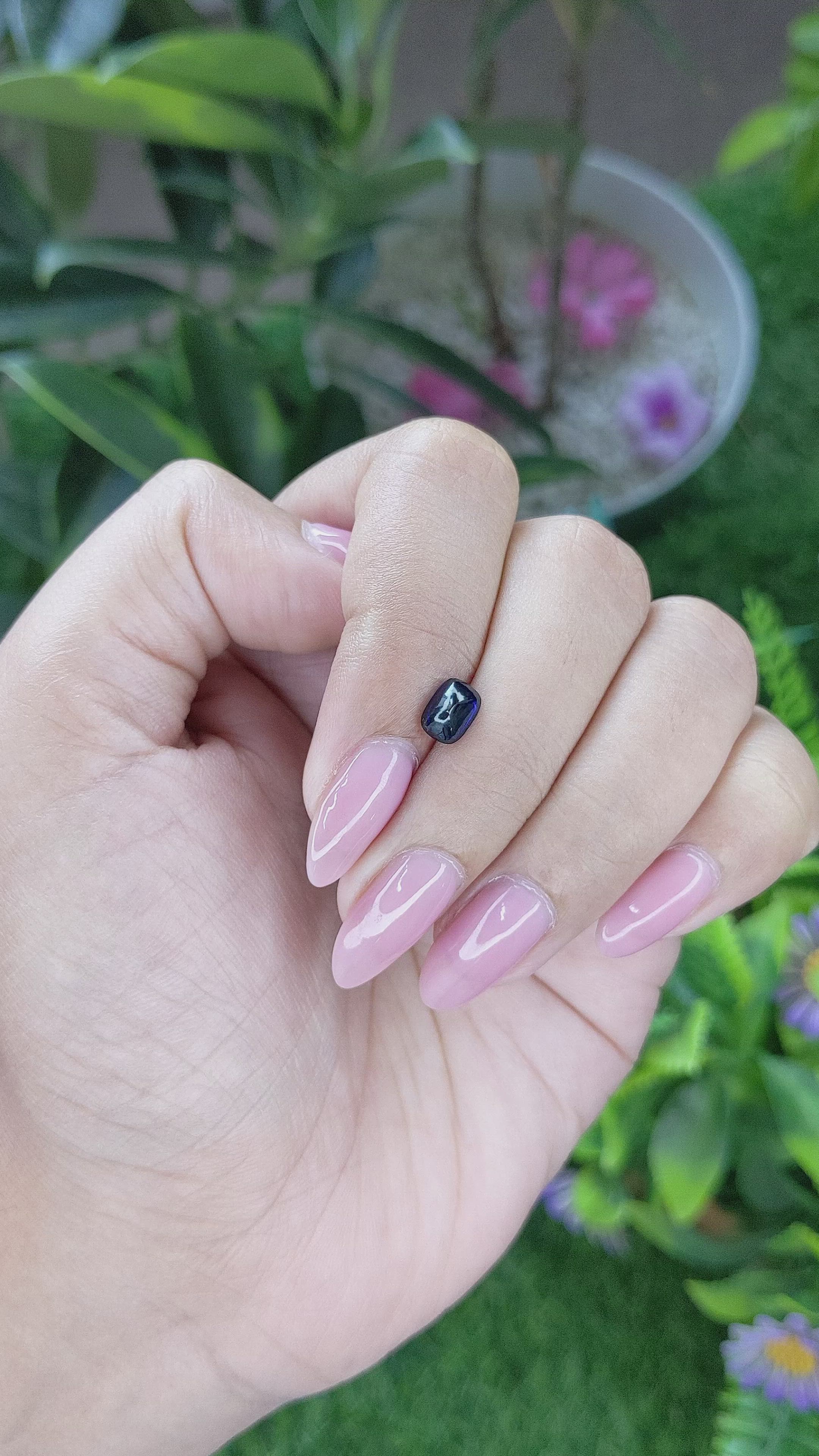
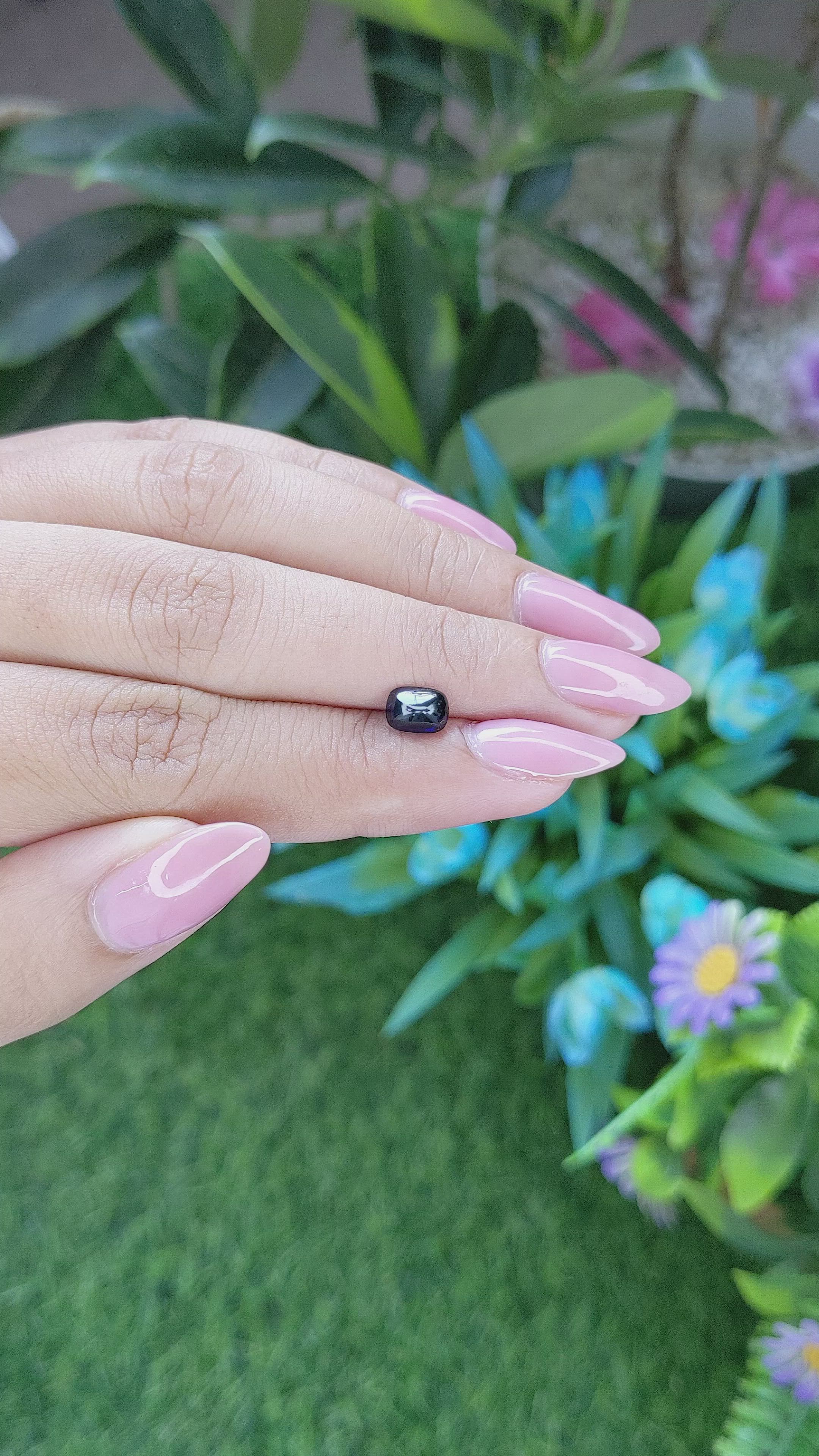



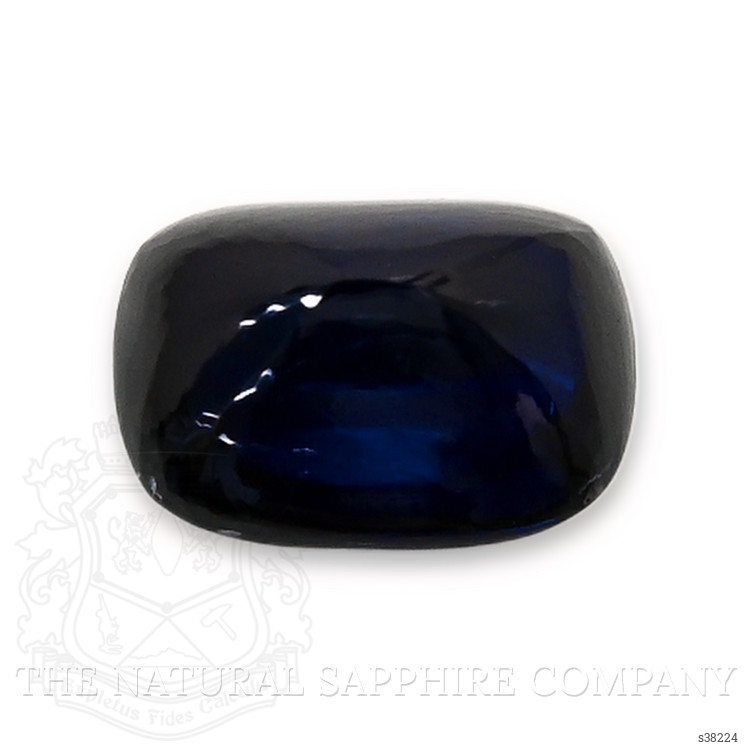
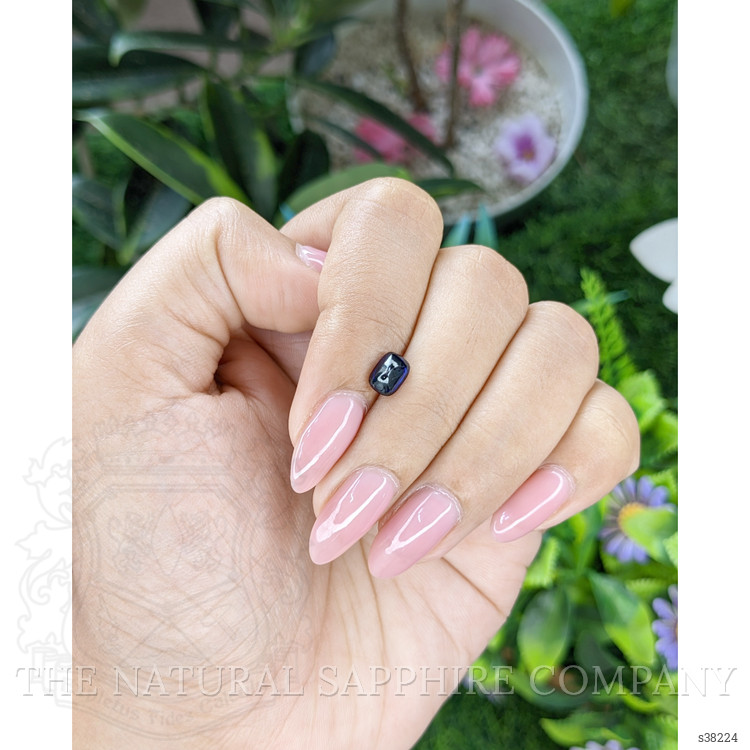
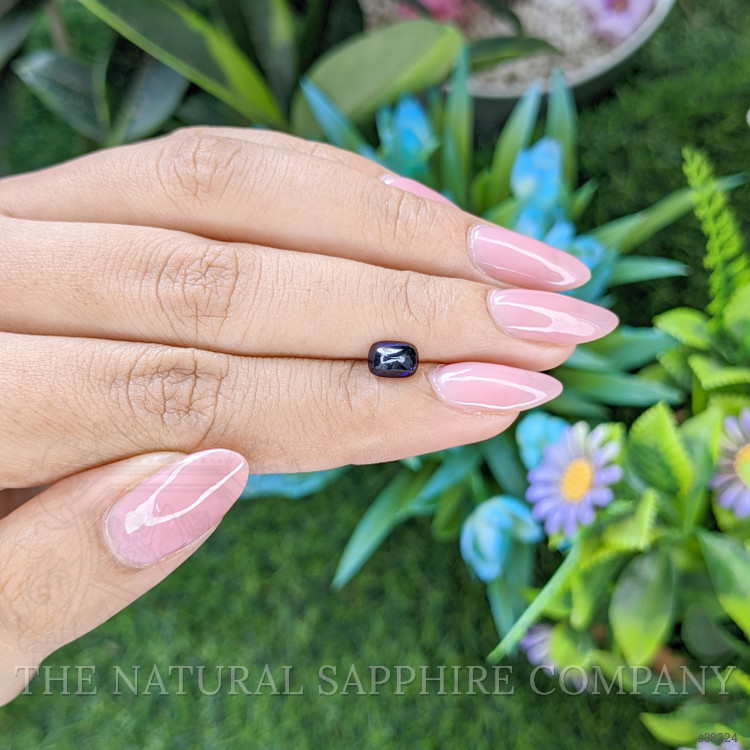
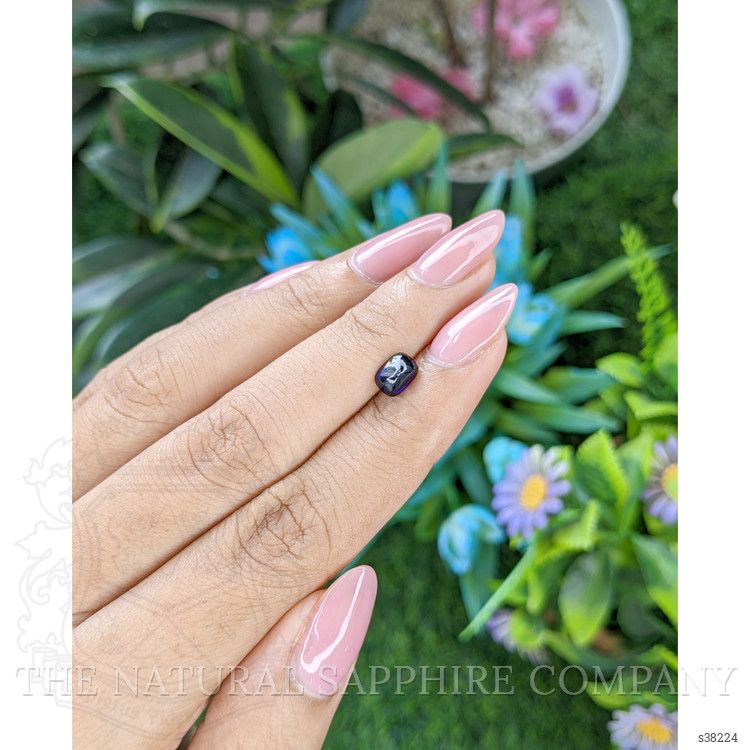


1.05 Ct. Blue Cabochon Sapphire from Madagascar
This loose stone ships by Nov 11
Item ID: | S38224 |
|---|---|
Dimensions (MM): help | Length: 6.56 Width: 4.78 Height: 3.48 |
Weight: | 1.05 Ct. |
Color: help | Blue |
Color intensity: help | Dark |
Clarity: help | Very Slightly Included |
Shape: help | Cushion |
Cut: | Sugar Loaf |
Cutting style: | Cabochon |
Enhancements: help | No Enhancement |
Origin: help | Madagascar |
Per carat price: help | $1,276 |
This 1.05 carat, transparent blue sapphire presents a cushion outline with dimensions 6.56 x 4.78 x 3.48 mm, and it has been fashioned in a sugar loaf cut to emphasize depth of color and surface luster. The sugar loaf cut is a domed cabochon style with minimal faceting, selected to preserve weight and maximize the perception of saturation in stones with dark color intensity. At this scale the cutter prioritized an even dome profile and an excellent polish to enable specular highlights across the surface while maintaining a smooth transition to the girdle. The clarity is graded very slightly included at eye level, indicating that the stone is essentially clean to normal visual inspection, with only minor internal features that do not detract from the overall visual appeal. No enhancement has been applied, so the rich blue is the result of natural trace element chemistry and original formation, and the provenance is Madagascar, which is known for producing a broad range of sapphire characters from deep velvety blues to lighter cornflower hues.
To explain how this particular sapphire acquired its color and crystal habit, it is necessary to consider corundum chemistry and the metamorphic environments of Madagascar. Sapphires are crystalline aluminum oxide, corundum, with trace substitutions that impart color. In the case of blue tones, iron and titanium substitute into aluminum lattice sites and interact through intervalence charge transfer to produce the absorption bands that yield blue. During regional metamorphism and high grade contact metamorphism, aluminum rich protoliths or basaltic host rocks experienced elevated temperatures and pressures that allowed corundum nuclei to grow. Over millions of years these nuclei captured varying concentrations of iron and titanium as the rock equilibrated, producing growth zones with subtly different hues and saturation. Slow crystal growth favored the development of compact crystal faces and strong atomic ordering, which contribute to the high degree of transparency observed in this specimen. The lack of heat treatment means the lattice has remained in its original structural state since crystallization.
The geological narrative continues with uplift, cooling, and erosion, processes that mobilized gemstones from primary host rocks into secondary deposits. In Madagascar, episodes of tectonic activity uplifted metamorphic and igneous terranes, and surface weathering liberated corundum crystals into alluvial systems. During fluvial transport, denser corundum resisted abrasion and concentrated in gravels, while fine sediment was removed. This physical history explains why many market grade sapphires from Madagascar exhibit rounded crystal terminations and, in some cases, residual surface features that cutters work with rather than against. When a cutter at The Natural Sapphire Company selected this rough, they made a strategic decision to retain maximum weight and concentrate the stone center, rather than faceting to enhance brilliance. The sugar loaf profile therefore retains the deep, velvety blue that a smaller faceted stone might lose.
From a gemological perspective, this sapphire conforms to corundum normative properties with a refractive index that typically ranges around 1.762 to 1.770 and a birefringence near 0.008, which is consistent with optical behavior seen in natural blue sapphires. The specific gravity is approximately 4.00, which contributes to a pleasant heft for its 1.05 carat mass in a small, wearable package. The cutter achieved an excellent polish, minimizing surface disturbances that can scatter light and diminish perceived saturation, which is particularly important in stones graded with dark color intensity. The sugar loaf form produces a controlled play of light, creating a luminous band across the dome when viewed under directional lighting, while the cushion footprint offers a classic and adaptable silhouette for a variety of settings, from minimalist bezels to bespoke halo designs.
For the discriminating buyer who values provenance, geology, and lapidary technique, this Madagascar sapphire offers a comprehensive story that links deep time to modern craftsmanship. It began as aluminum rich material subjected to heat and pressure millions of years ago, it accumulated the precise trace element signature that yields its blue, it survived transport and depositional sorting, and it was then carefully cut and polished to present an uncompromised natural color without enhancement. The Natural Sapphire Company stands behind this gem as an example of the synergies between geological formation and deliberate lapidary choices, offering collectors and designers a stone that combines scientifically grounded character, artisanal finishing, and a level of eye level clarity that makes it a versatile component in refined jewelry.


