
- Stone14
- Reports3


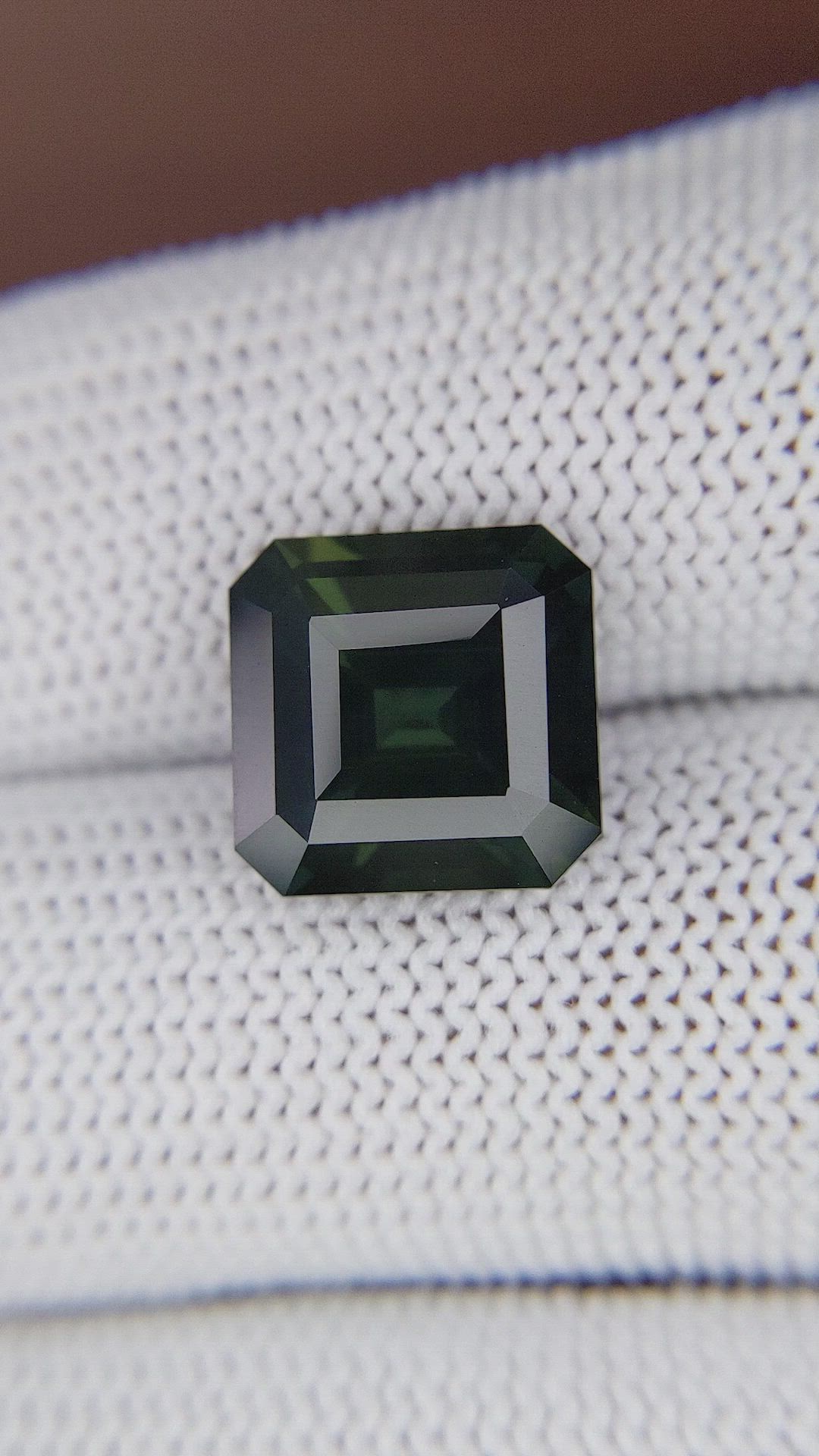
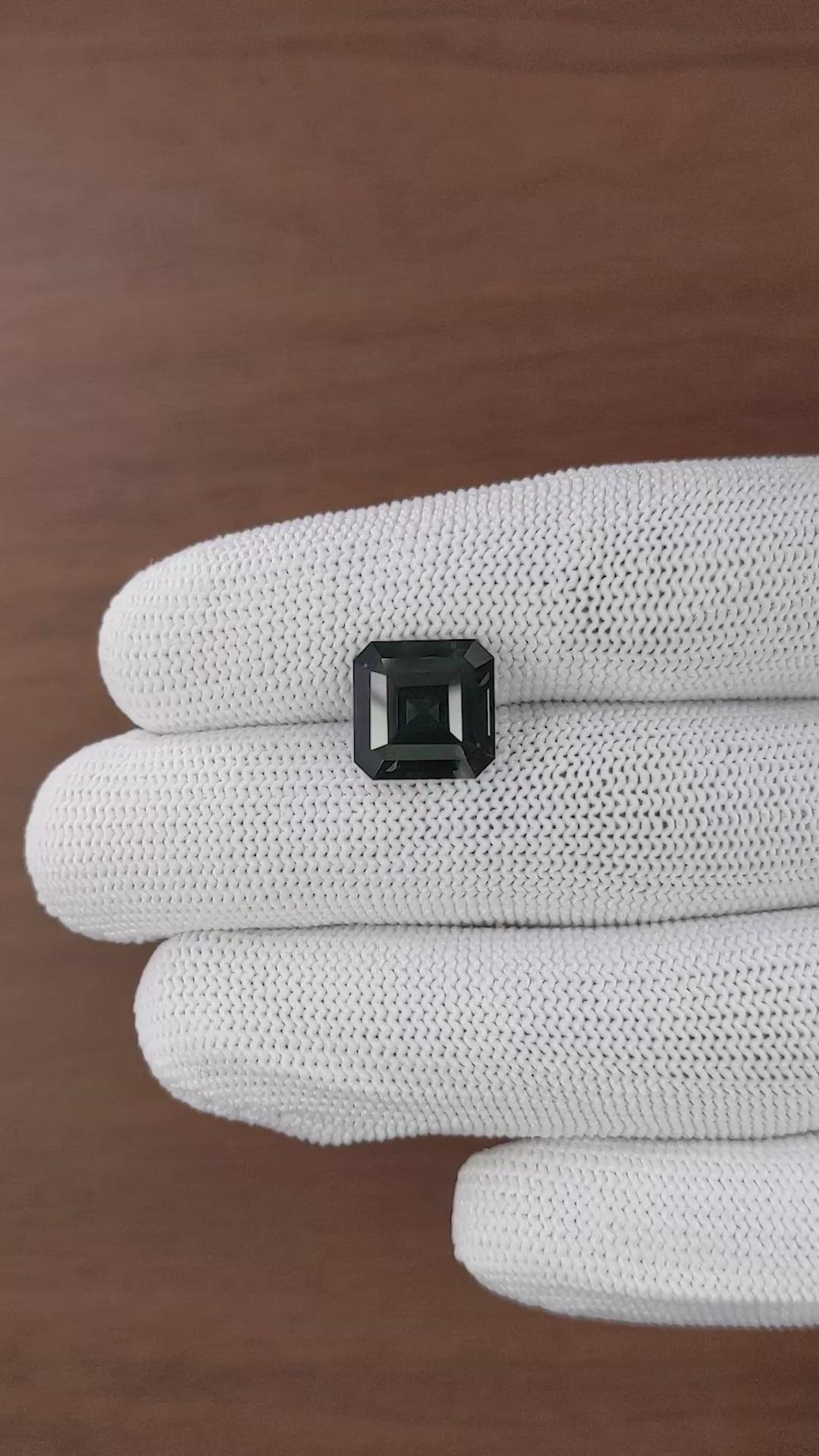
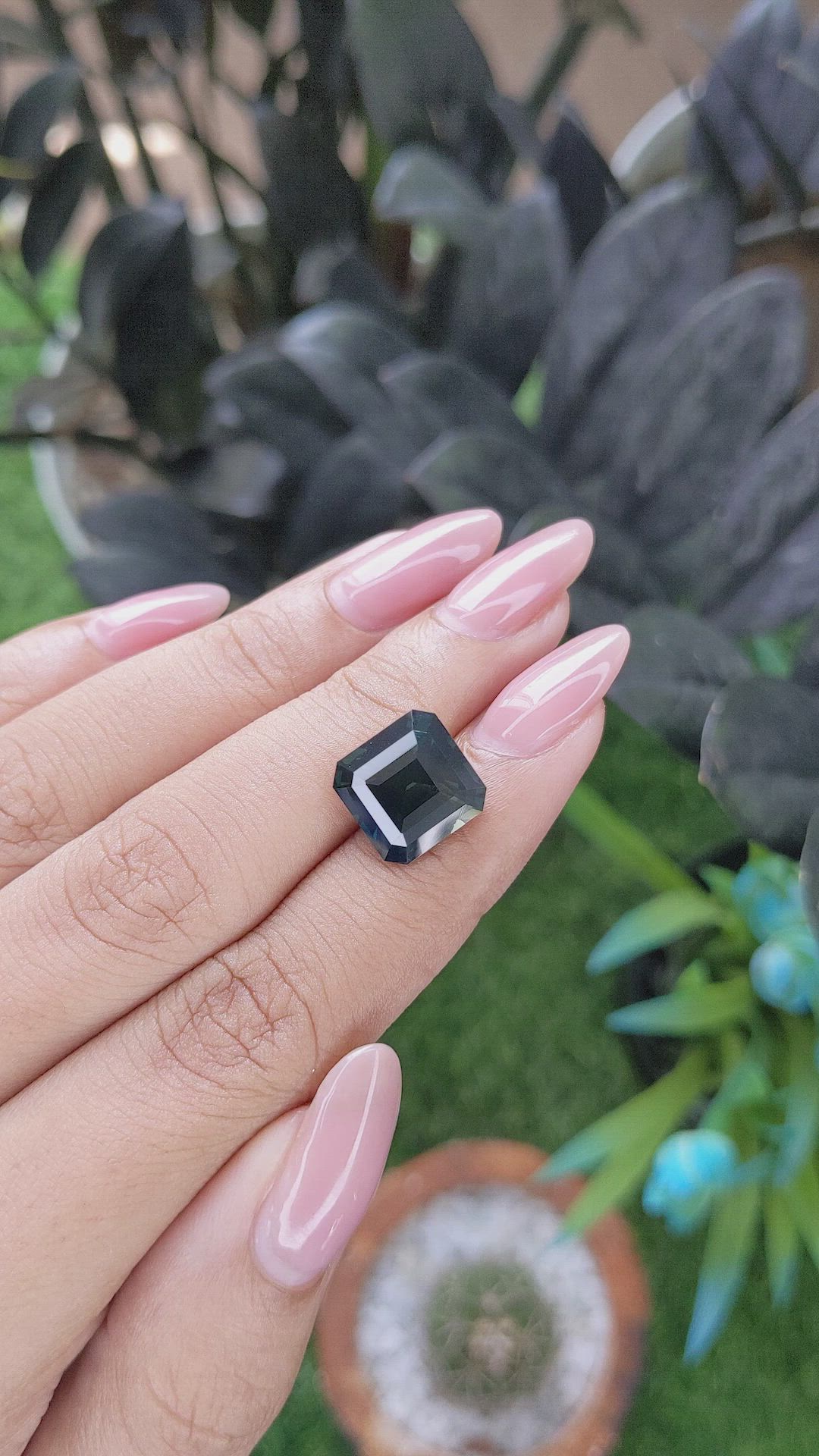
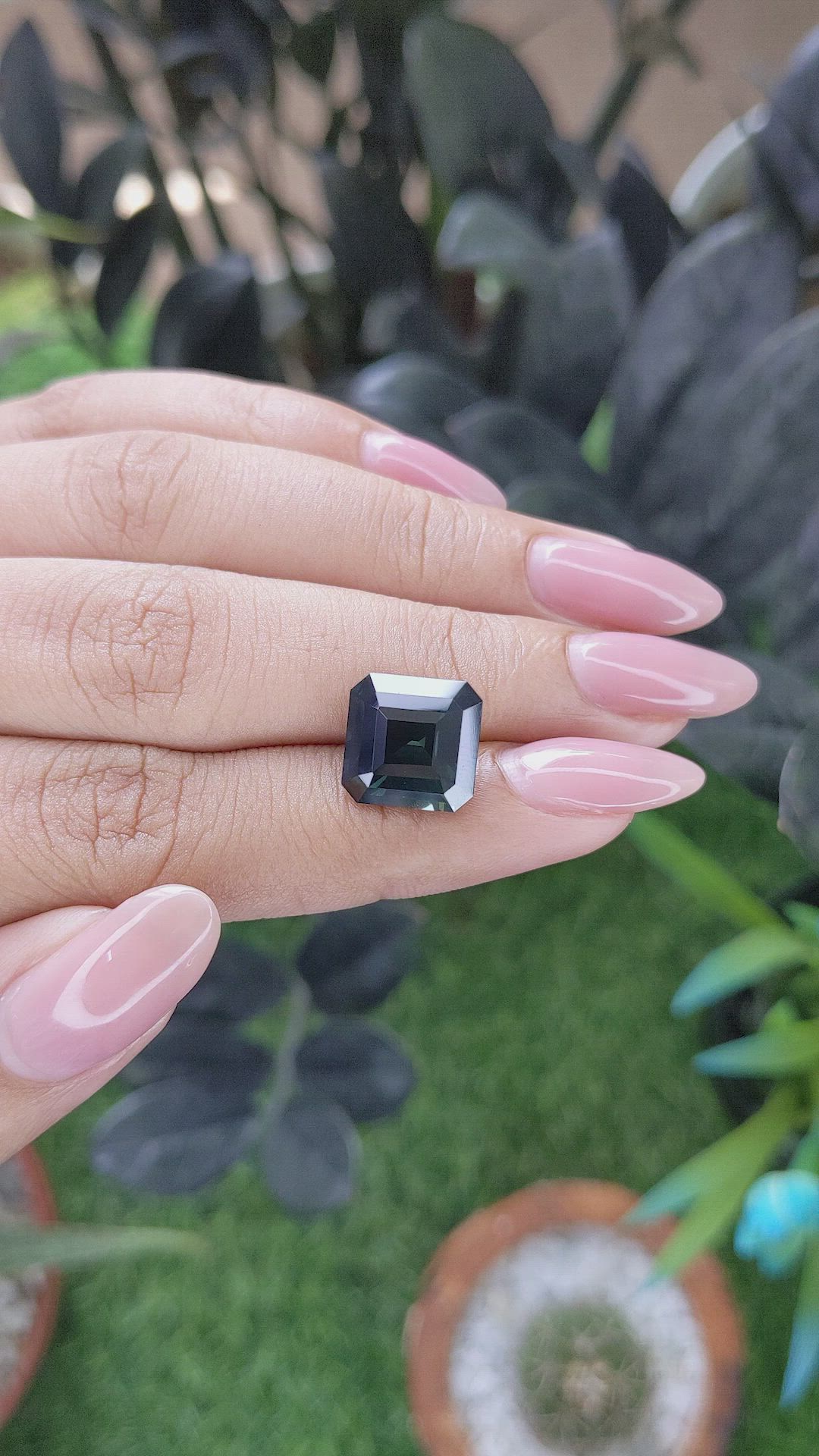
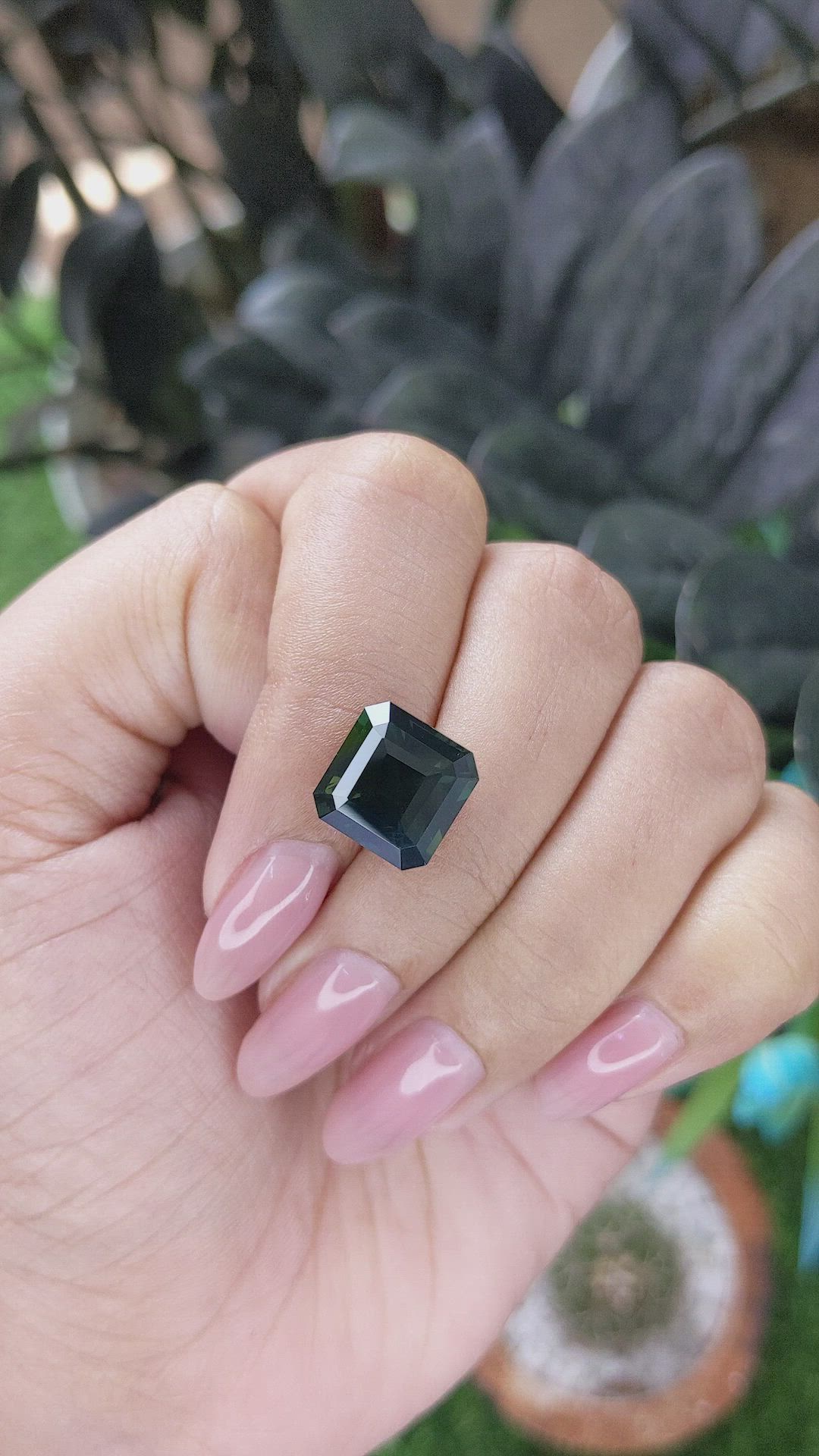


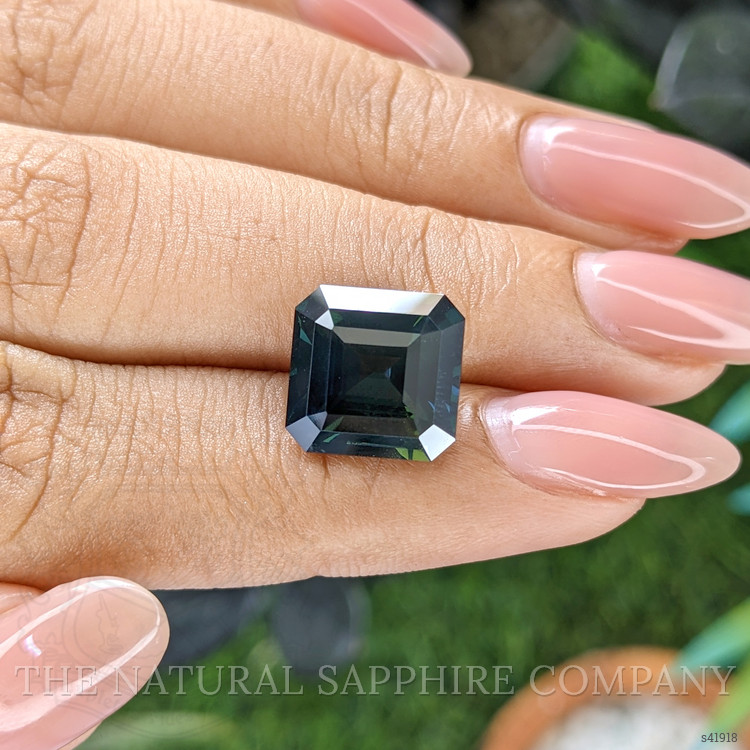


8.03 Ct. Bluish Green Sapphire from Madagascar
This loose stone ships by Aug 5
Item ID: | S41918 |
|---|---|
Dimensions (MM): help | Length: 11.04 Width: 10.87 Height: 7.16 |
Weight: | 8.03 Ct. |
Color: help | Bluish Green |
Color intensity: help | Dark |
Clarity: help | Eye Clean |
Shape: help | Asscher - Octagon |
Cut: | Asscher Cut |
Cutting style: | Faceted |
Enhancements: help | Heat Treated |
Origin: help | Madagascar |
Per carat price: help | $2,117 |
This transparent bluish green sapphire from Madagascar is a refined and substantial gemstone, weighing eight point zero three carats and measuring eleven point zero four by ten point eight seven by seven point one six millimeters. Offered by The Natural Sapphire Company, it presents a sophisticated asscher octagon shape, a format especially appreciated by collectors who value architecture, symmetry, and quiet visual power. The asscher cut is built with broad step facets that draw the eye inward, creating a hall of mirrors effect rather than the splintery sparkle associated with many brilliant cuts. In a sapphire of this size, that cutting style makes clarity, polish, and color distribution especially important, because every facet acts like a window into the body of the gem. This stone has an eye clean clarity grade, evaluated at eye level, meaning that inclusions are not readily visible without magnification. Combined with excellent polish, the surface finish supports clean reflections across the broad facets and gives the gem a crisp, composed appearance.
The color is one of the most distinctive qualities of this sapphire. Its bluish green hue sits in the elegant teal family, with a dark color intensity that gives it depth, seriousness, and a collector grade presence. When compared with sapphires from Sri Lanka, often known for brighter cornflower blue or lighter pastel blue tones, this Madagascar sapphire appears more moody, deeper, and more mineral in character. Compared with classic Kashmir sapphires, which are famous for velvety medium to medium dark blue with a soft internal glow, this gem moves away from pure blue and introduces a green influence that creates a cooler, more oceanic personality. Compared with many Montana sapphires, which can show blue green or grayish teal tones, this stone has a richer dark saturation and a more dramatic face up presence. Compared with Australian sapphires, which are often very dark blue to greenish blue and sometimes inky, this Madagascar gem retains transparency and a defined bluish green identity, giving it a refined balance between depth and visibility.
Madagascar has become one of the most important modern sources for fine sapphire, producing gems in a wide range of colors, including blue, pink, yellow, violet, and teal varieties. The island geology is complex and gem rich, and its sapphire deposits have earned respect among knowledgeable buyers for stones that can combine attractive color, good transparency, and meaningful size. This sapphire has been heat treated, a widely accepted and stable enhancement used to improve or clarify color and appearance in corundum. For an educated buyer, that disclosure is important because it separates responsible representation from vague sales language. Heat treated sapphires can still be highly desirable, particularly when the gemstone has strong size, appealing color, good clarity, and fine cutting. At eight point zero three carats, this stone is not a common commercial size, and the combination of carat weight, eye clean appearance, transparent body, dark bluish green tone, and excellent polish gives it strong presence as a center stone for a custom ring or a serious collection piece.
The asscher octagon shape adds further distinction because it is less common in sapphire than oval, cushion, or emerald shapes, and it requires careful planning from the cutter. The clipped corners give durability benefits compared with sharp cornered designs, while the step cut geometry emphasizes calm symmetry and depth. In jewelry, this gem would suit a refined setting in platinum, white gold, or yellow gold, depending on whether the buyer wants to emphasize its cool blue green character or warm the contrast around the stone. Its hue can be compared again to famous origins in a way that shows its individuality. It is not the bright royal blue associated with fine Burmese sapphire, not the silky cornflower blue associated with the finest Sri Lankan material, and not the pure velvety blue associated with legendary Kashmir stones. Instead, it offers a modern Madagascar teal, dark, transparent, architectural, and quietly dramatic. For a buyer who values origin, disclosure, cut precision, and a color that stands apart from traditional blue sapphire, The Natural Sapphire Company presents this gem as a sophisticated and memorable choice.


