
- Stone10
- Reports3
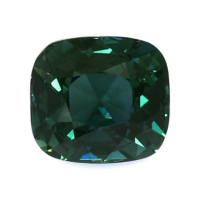
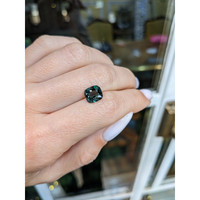
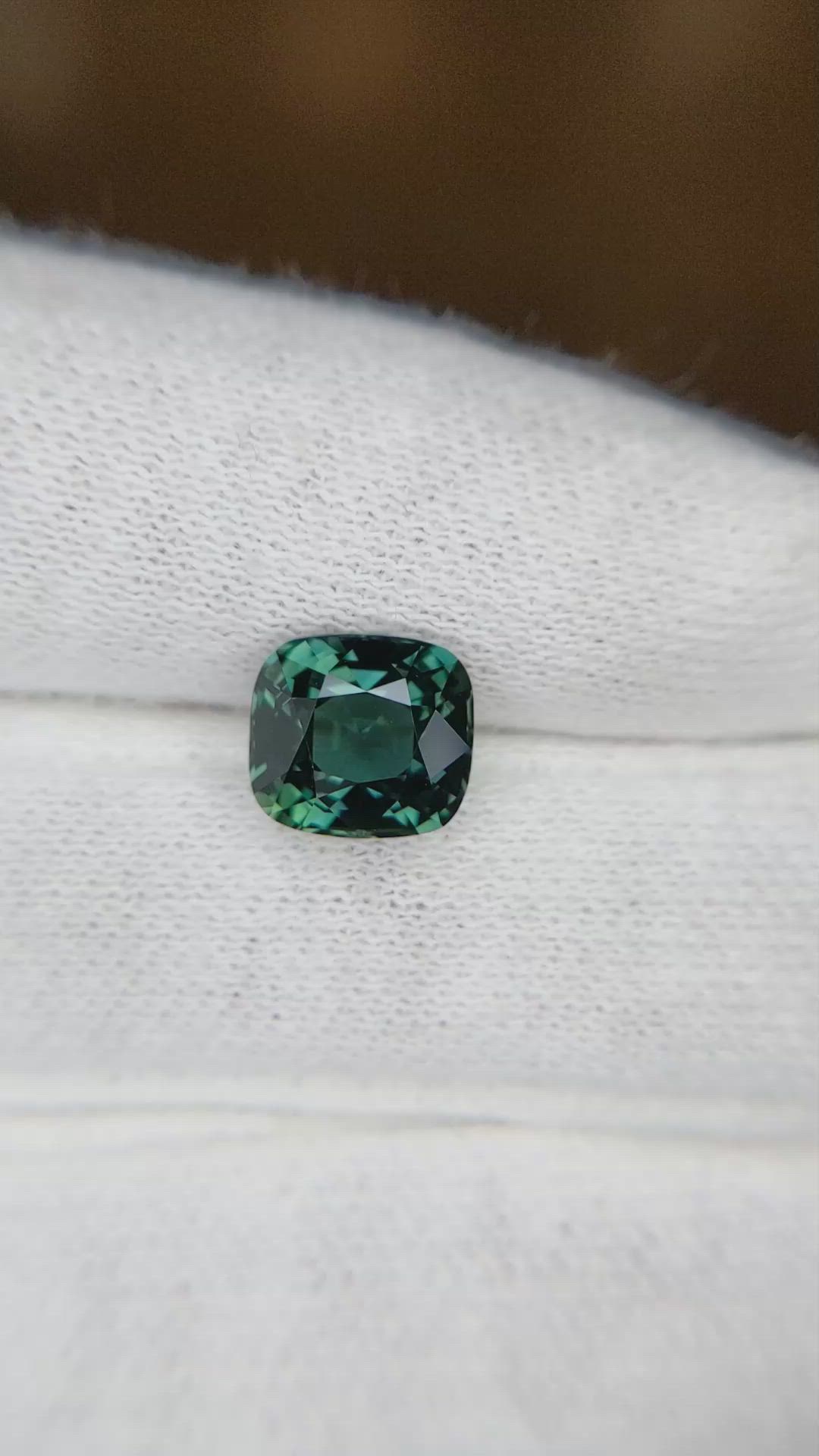
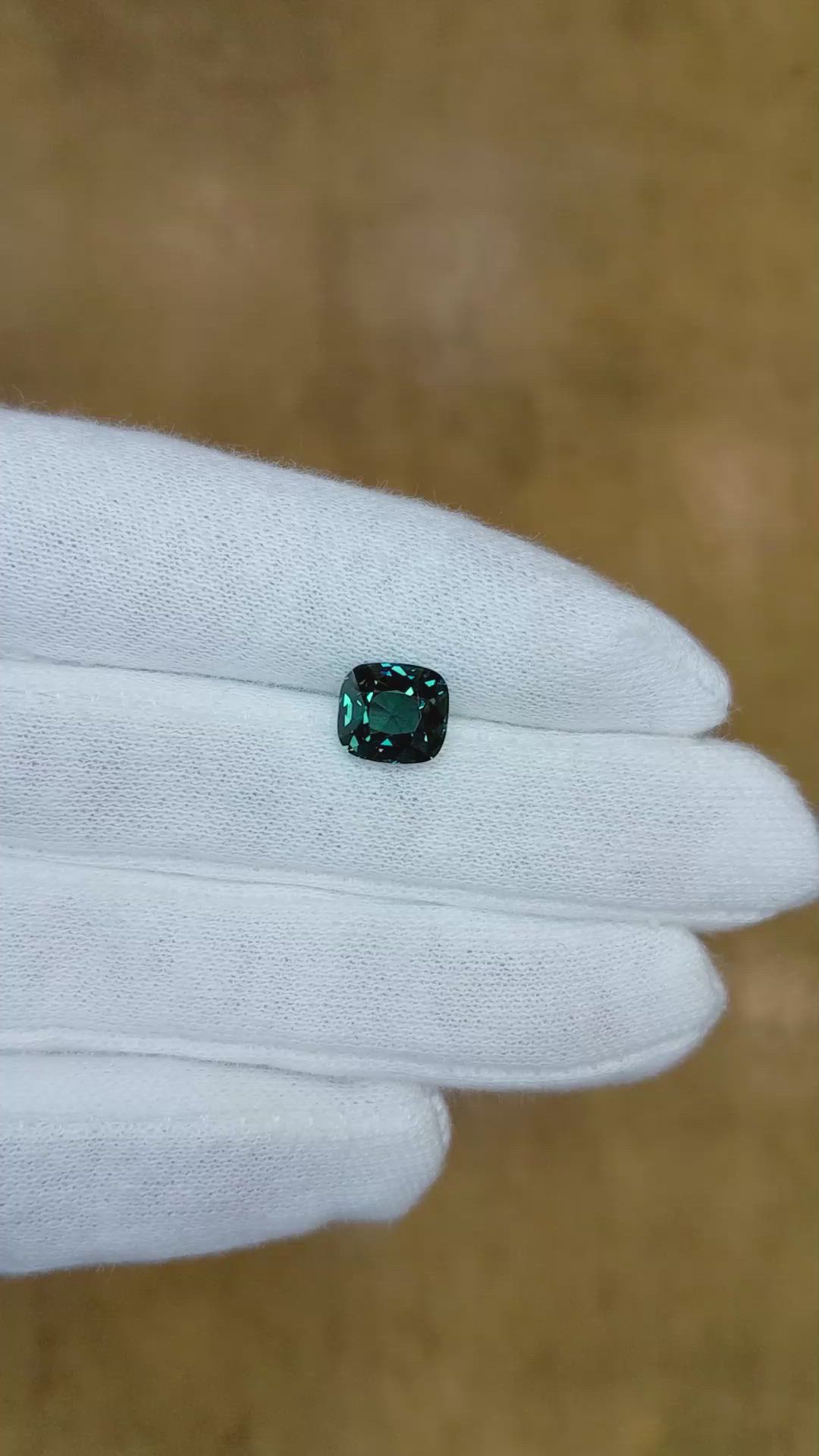


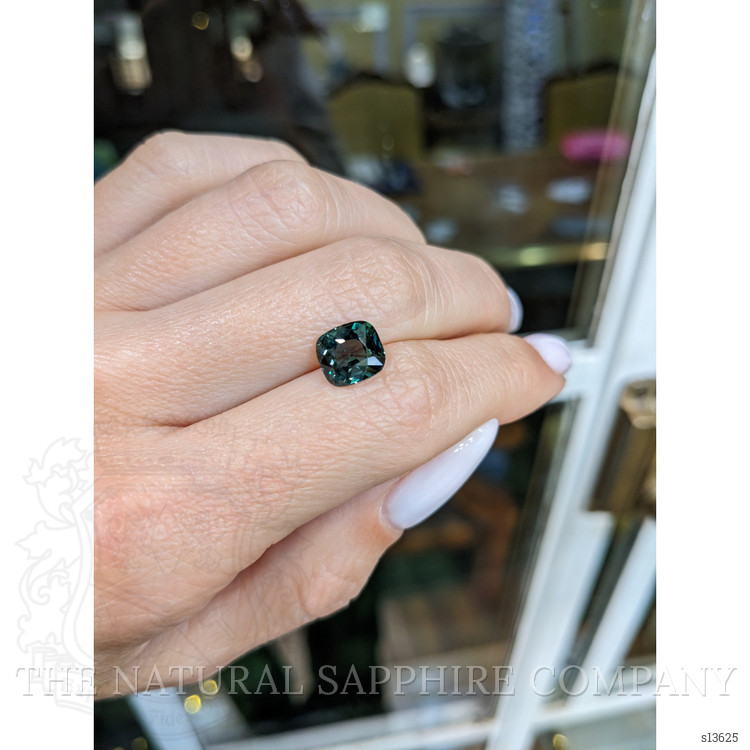


3.15 Ct. Bluish Green Sapphire from Madagascar
This loose stone is available to ship now
Item ID: | S13625 |
|---|---|
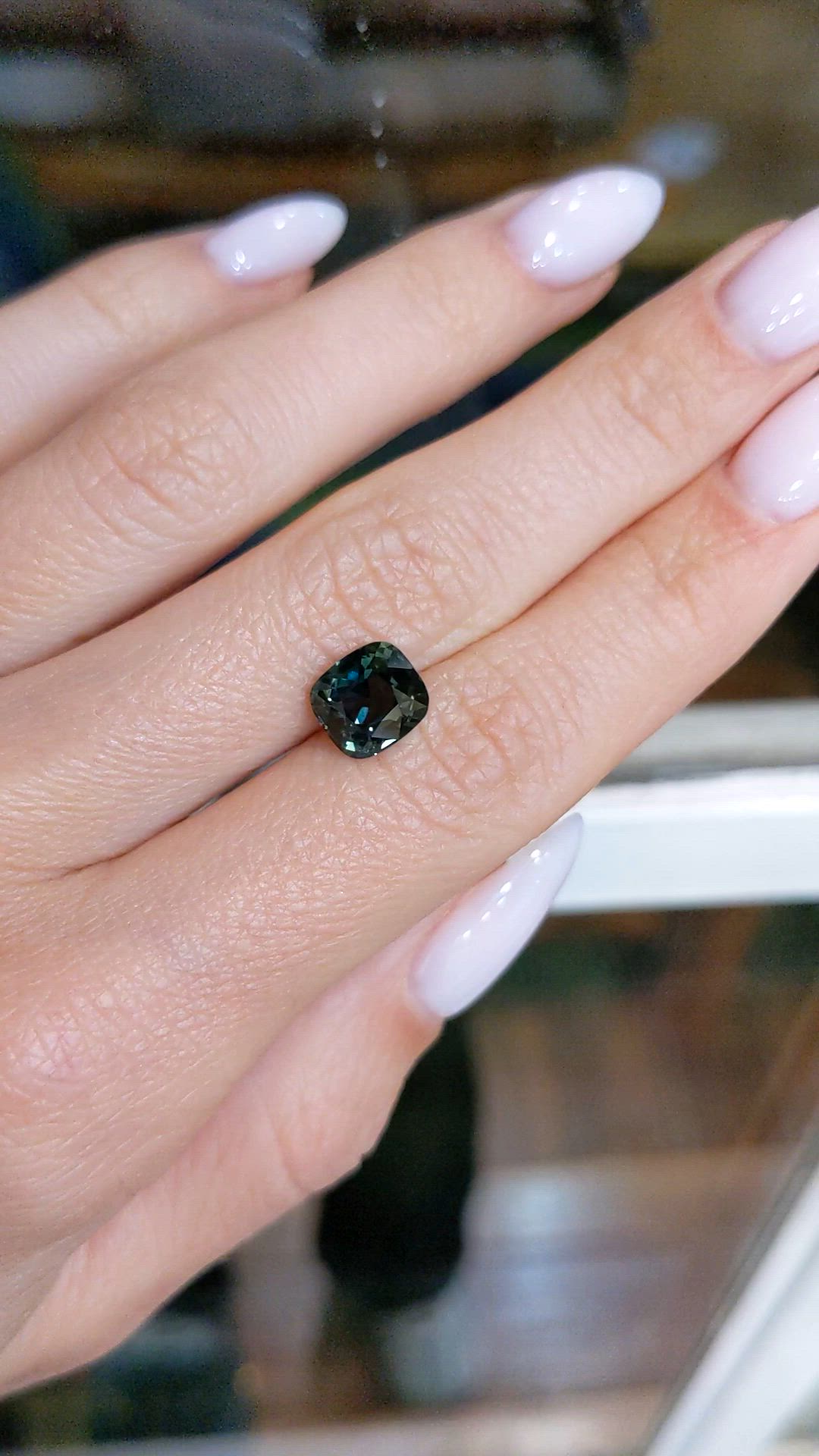
Dimensions (MM): help | Length: 8.2 Width: 7.47 Height: 5.55 |
Weight: | 3.15 Ct. |
Color: help | Bluish Green |
Color intensity: help | Vivid |
Clarity: help | Eye Clean |
Shape: help | Cushion |
Cut: | Mixed Brilliant Cut |
Cutting style: | Faceted |
Enhancements: help | No Enhancement |
Origin: help | Madagascar |
Per carat price: help | $1,480 |
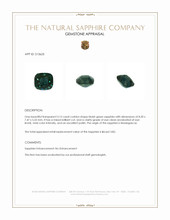
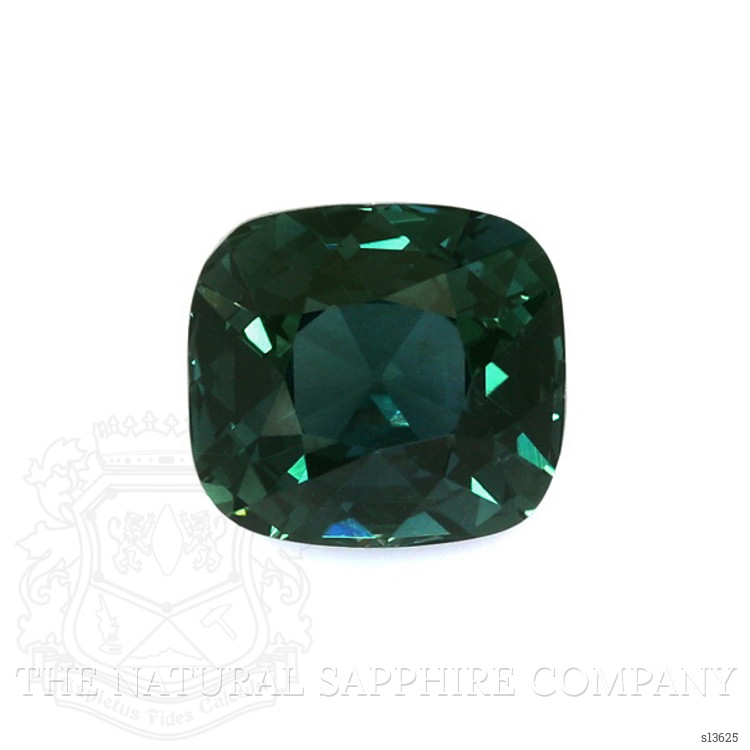
This sapphire is a transparent cushion shape bluish green sapphire, weighing 3.15 carat, with dimensions of 8.20 x 7.47 x 5.55 mm, presented by The Natural Sapphire Company. The cutting style is faceted, using a mixed brilliant cut that combines a faceted crown and pavilion geometry to enhance both color depth and light return. Clarity is graded as eye clean evaluated at eye level, which means the stone appears free of visible inclusions under normal visual inspection. Color intensity is vivid, producing a saturated bluish green tone that is both lively and refined, while polish is excellent, yielding a smooth and reflective surface. This sapphire has no enhancement, retaining its natural state, and its reported origin is Madagascar, a source known for producing gemstones with distinctive hue and strong saturation. The combination of weight, shape, and mixed brilliant faceting makes this gem well suited to a variety of refined jewelry applications, from solitaire rings to elaborate pendant compositions.
Optically, the mixed brilliant cut of this cushion sapphire balances internal fire and face up color, permitting the vivid bluish green to read strongly while allowing for scintillation around the table. The faceted pavilion angles are designed to return light effectively, creating lively sparkle on movement, while the cushion outline softens the overall presentation compared with strict geometric cuts. At the given dimensions, the stone has a pleasing table size relative to depth, which contributes to a well proportioned appearance on the finger or on a necklace, and the excellent polish ensures minimal surface disruption to light paths. The eye clean clarity at this size permits the gem to present uninterrupted color and brilliance, making it suitable for settings that expose the pavilion and girdle for light interaction, or for lower profile settings that protect the girdle for daily wear. The fact that the stone is unenhanced enhances its appeal from a gemological perspective, preserving natural zoning and inclusions that can provide character, while the Madagascar origin helps contextualize the color profile within known regional characteristics.
When considering complementary gemstones for a custom piece, the vivid bluish green of this sapphire harmonizes with a range of tones and cuts, allowing for both contrasting and tonal designs. For a classic halo ring, small round brilliant diamonds create a bright, colorless frame that increases perceived size and emphasizes the sapphire color, while tapered baguette diamonds on the shoulders lend a clean, architectural transition from center to shank. For a more colorcentric approach, pairing with lighter green sapphires or mint green tourmaline stones produces a layered green palette that emphasizes cool undertones and creates a garden like harmony. For contrast that warms and enriches the sapphire, small rose cut or brilliant cut champagne sapphires can be used sparingly in a station necklace, providing a complementary temperature shift without overpowering the center stone. Emeralds offer a deeper, richer green contrast that can intensify the green component in the sapphire, but stone selection should prioritize clarity and cut to maintain balance, since emeralds typically show different inclusion characteristics. In terms of cut relationships, placing step cut side stones such as emerald cut or baguette diamonds adjacent to the cushion center can create a pleasing play between faceting styles, where the mixed brilliant center provides dispersion and scintillation, while the step cut accents provide flashes of polished light.
Metal choice and setting style further influence the overall aesthetic and perceived color of the sapphire. A platinum or white gold mount will present the bluish green as crisper and more jewel like, because the cool metal tones do not add warmth to the palette. Yellow gold will introduce a warm contrast that can push the sapphire toward a greener appearance in some lighting conditions, creating a vintage inspired look that reads as rich and opulent. Rose gold lends warmth and a soft romantic quality, particularly effective when paired with lighter green accents or champagne sapphires. From a design perspective, a four prong or low bezel setting preserves the cushion outline and keeps the sapphire secure while allowing light access, whereas a higher gallery with side stones adds architectural interest and can protect the girdle for daily wear. For pendants and earrings, mirrored pairs of small mixed brilliant cut sapphires or matched diamond accents can form balanced compositions that highlight the center stone color, while custom engraving or milgrain edge work can provide period inspired detail without detracting from the gem.
Provenance and treatment status are important for both appraisal and personal attachment, and The Natural Sapphire Company provides documentation and guidance on certification, so clients can make informed choices when commissioning a bespoke design. The unenhanced nature of this Madagascar sapphire, combined with its vivid color intensity and eye clean clarity, makes it an excellent candidate for a signature piece that emphasizes natural beauty and lasting wearability. Whether conceived as a striking single stone ring, a refined pendant, or an intricate multi gemstone creation, careful selection of companion stones, metal, and setting will accentuate the sapphire characteristics described here, resulting in a custom jewel that is balanced, enduring, and representative of quality gemcraft.


