
- Stone13
- Reports4


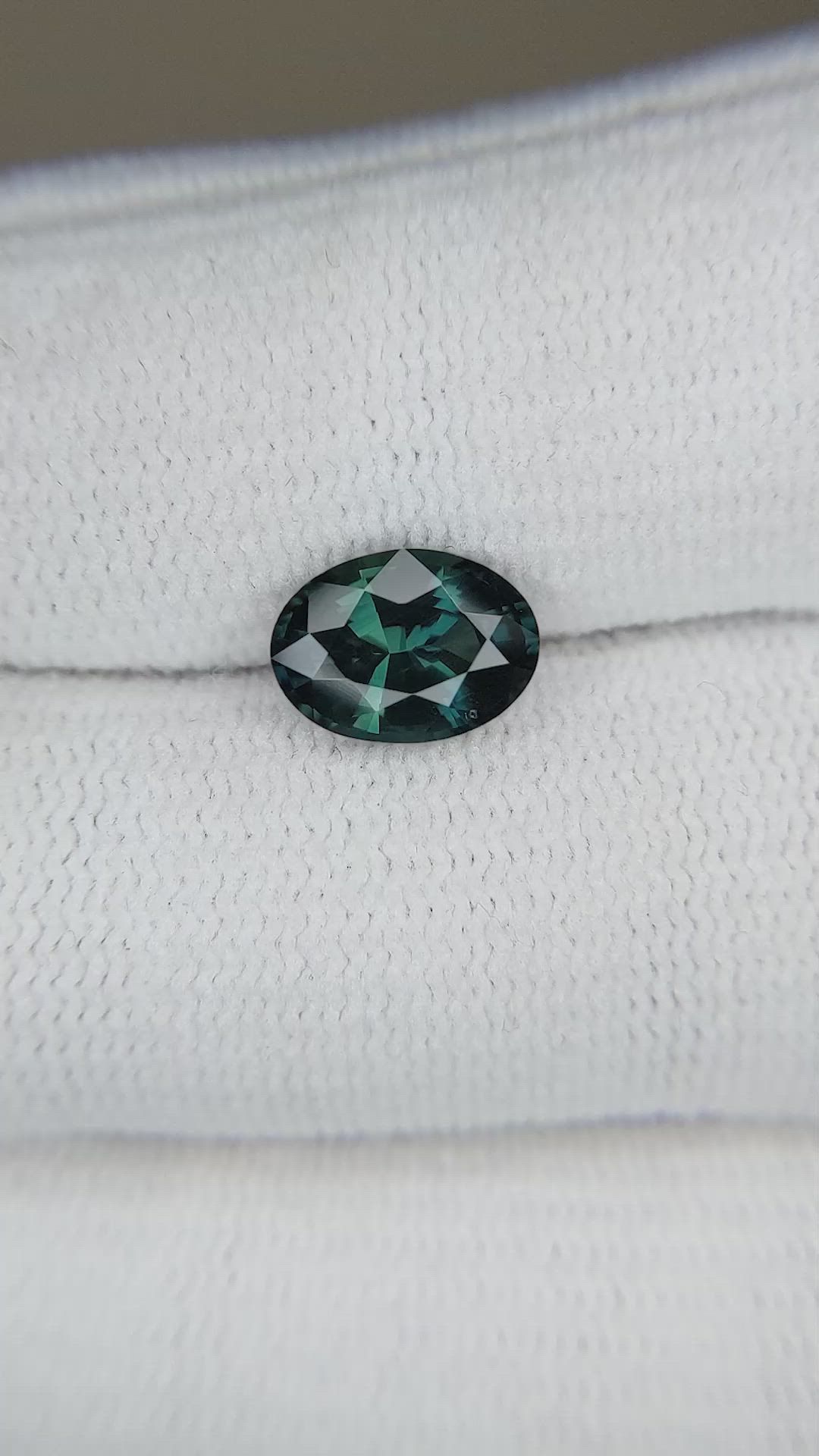
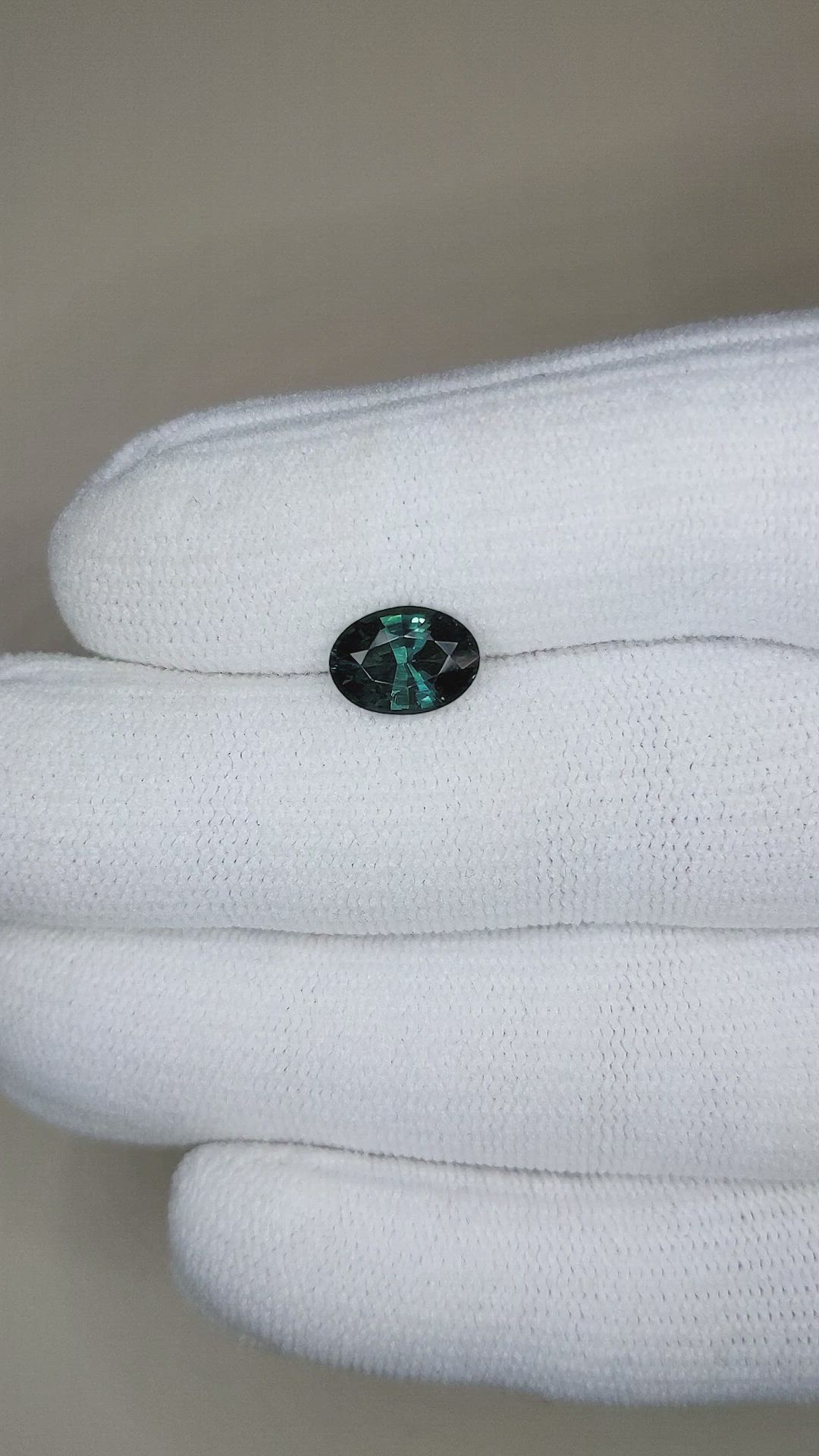
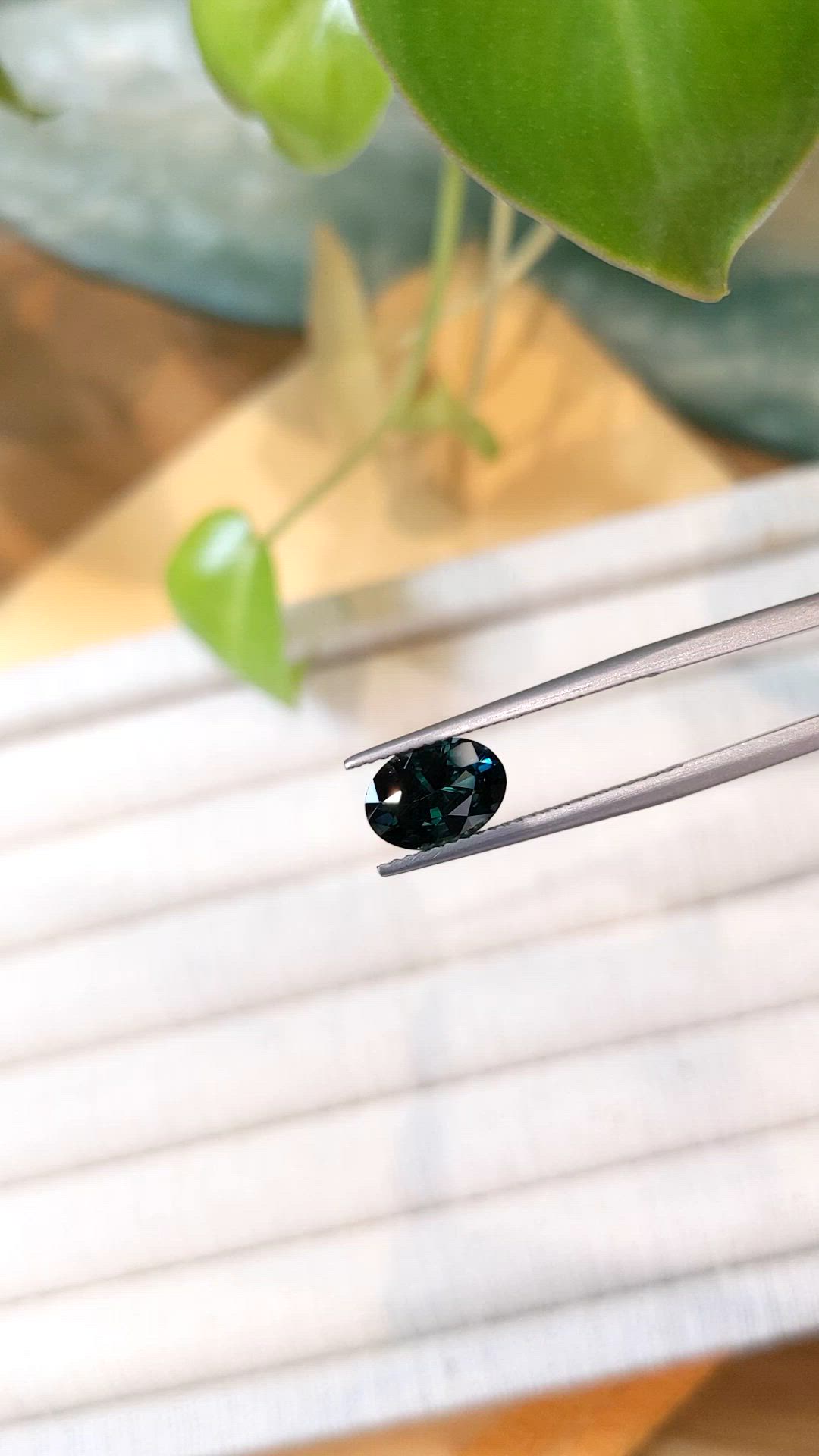
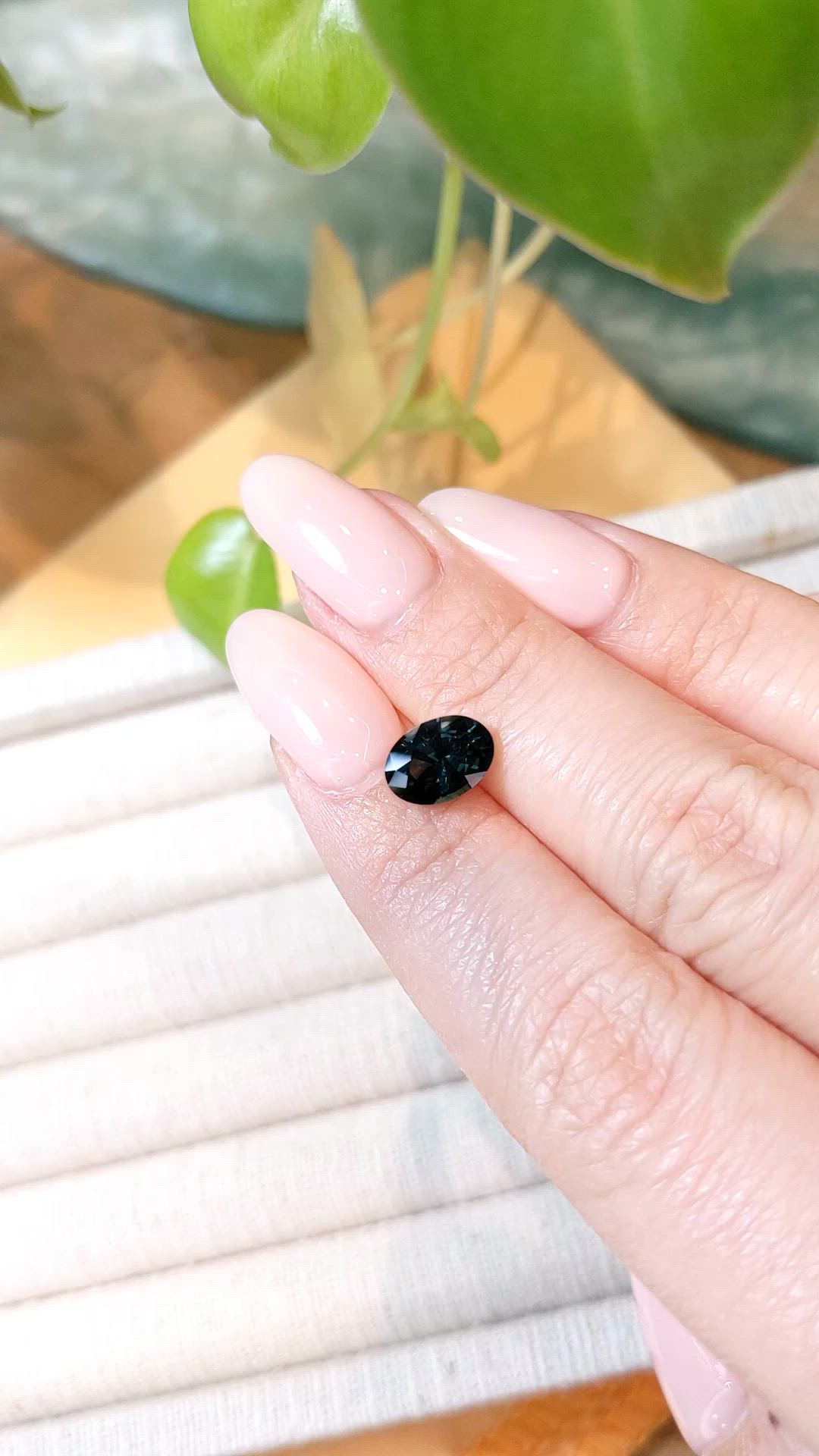


2.27 Ct. Greenish Blue Sapphire from Madagascar
This loose stone is available to ship now
Item ID: | S38992 |
|---|---|
Dimensions (MM): help | Length: 9.17 Width: 6.6 Height: 4.58 |
Weight: | 2.27 Ct. |
Color: help | Greenish Blue |
Color intensity: help | Dark |
Clarity: help | Very Very Slightly Included |
Shape: help | Oval |
Cut: | Mixed Brilliant Cut |
Cutting style: | Faceted |
Enhancements: help | No Enhancement |
Origin: help | Madagascar |
Per carat price: help | $800 |
This item is a transparent greenish blue sapphire weighing 2.27 carats, cut to an oval outline with finished dimensions of 9.17 millimeters by 6.60 millimeters by 4.58 millimeters. The cutter employed a mixed brilliant faceting style, combining a brilliant facet arrangement on the crown with a modified pavilion architecture to balance light return and color saturation. Clarity has been evaluated at very very slightly included at eye level, indicating extremely minor internal features that do not detract from overall transparency when viewed without magnification. Color intensity is classified as dark, producing a deep greenish blue tone that reads as teal in certain lighting conditions. The gem is natural material from Madagascar, and it carries no enhancement, a factor that retains original color chemistry and crystal habit. The finish is of excellent polish, with crisp facet junctions and fully smoothed facet planes, which maximizes contrast and internal reflection across the mixed facet pattern.
From a gemological cutting perspective the oval geometry and mixed brilliant scheme are deliberate choices to manage a stone with strong natural saturation. The recorded pavilion depth relative to the mean diameter is approximately 58 point one percent, a proportion that supports deeper color by increasing the optical path length through the body of the stone while still preserving effective light return with the brilliant crown. The mixed brilliant approach places a brilliant cut on the crown to produce lively scintillation and a modified pavilion with elongated facets to control windowing and dark zones. Facet junction alignment and symmetry are controlled to tight tolerances, resulting in evenly distributed highlight and dark areas around the long and short axes. The table appears sized to favor color retention over maximum brilliance, a standard trade off for dark sapphires intended to display saturated hue rather than bright, high contrast white light return.
Color is the defining characteristic of this specimen and warrants precise description. The primary hue is blue with a distinct green component, producing a greenish blue appearance that is intensified by the stone mass and cutting proportions. With dark intensity the saturation is strong, so the gem maintains rich tone under daylight and artificial lighting alike. Natural pleochroism is present, manifesting as a shift toward greener or bluer facets depending on the viewing angle and illumination, a behavior that is typical for corundum with significant iron and titanium content. Because the sapphire is unheated and unenhanced, the observed hue and saturation are intrinsic properties, reflecting growth chemistry and trace element distributions from its Madagascar provenance. This unmodified color profile is particularly desirable for collectors and connoisseurs who prioritize original geological signatures and who understand the rarity of fine natural color in this weight and proportion.
Inclusions within this sapphire serve as diagnostic markers and contributors to its individuality. Observed internal features include very small crystal inclusions and fine oriented needle like silk that follow the original growth zoning. These features are minute at the eye level grade given, and they contribute subtle internal light diffusion that can enhance the perception of depth without materially compromising transparency. Inclusions also act as a fingerprint for origin determination when combined with color zoning and crystal habit, and they are consistent with natural Madagascar corundum. The excellent polish and well executed facet junctions reduce the visibility of surface blemishes and preserve robustness for setting. For mounting we recommend a prong or low bezel engagement that protects the girdle and allows the oval orientation to display the pleochroic shift across the length of the stone. Metals such as platinum or white gold will emphasize the blue aspect, while yellow or rose gold will warm the presentation and highlight the green component. Routine care is uncomplicated, avoid harsh acids and sustained exposure to high heat, and treat ultrasonic cleaning with caution when inclusions are near termination planes. This natural, unenhanced Madagascar sapphire is offered by The Natural Sapphire Company and combines meticulous cutting, verified origin, and the stable character of an unmodified corundum specimen.


