
- Stone14
- Reports3

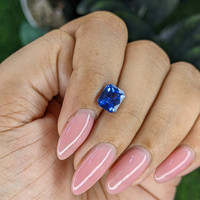
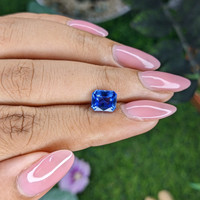
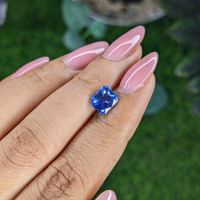
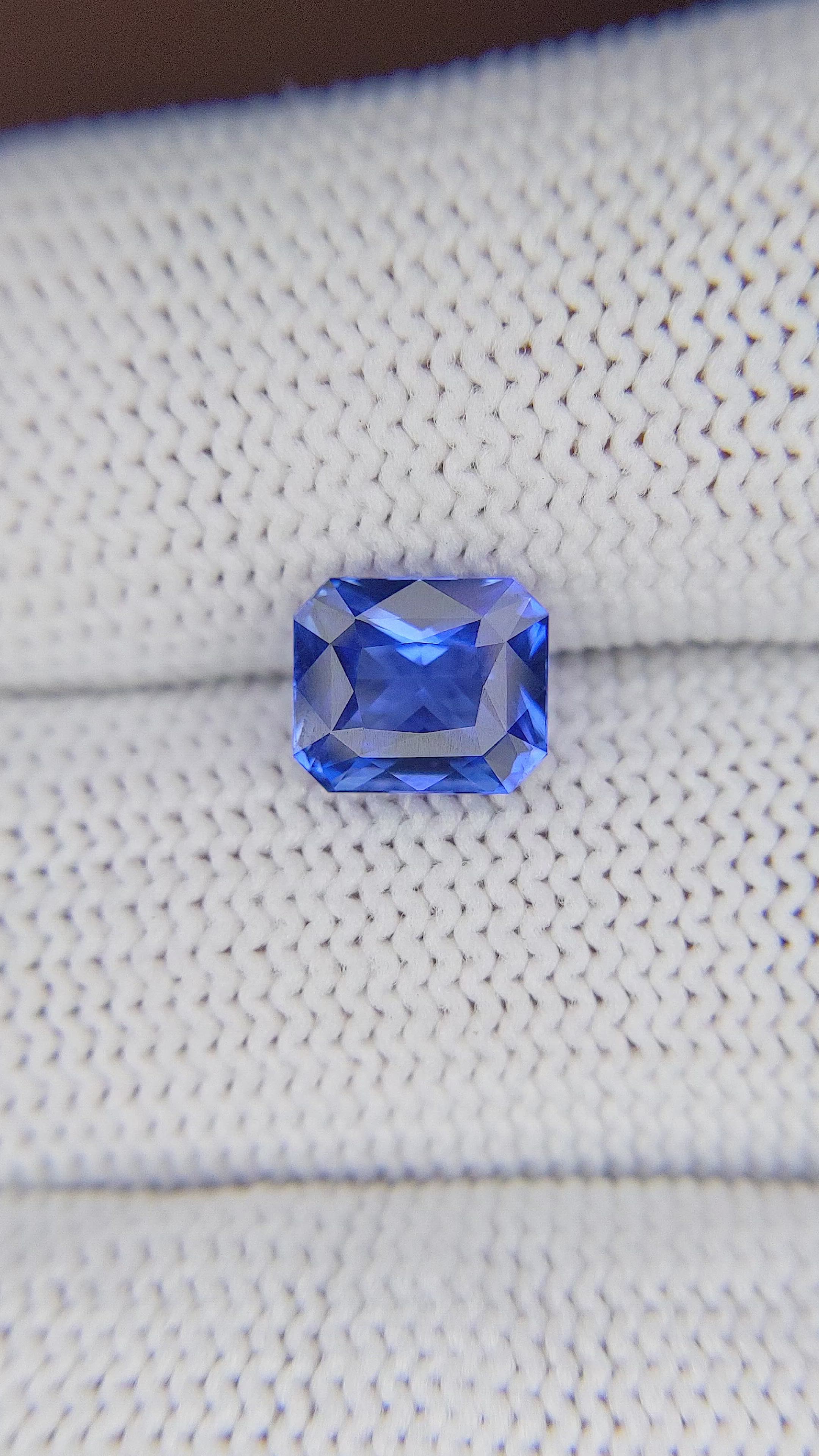
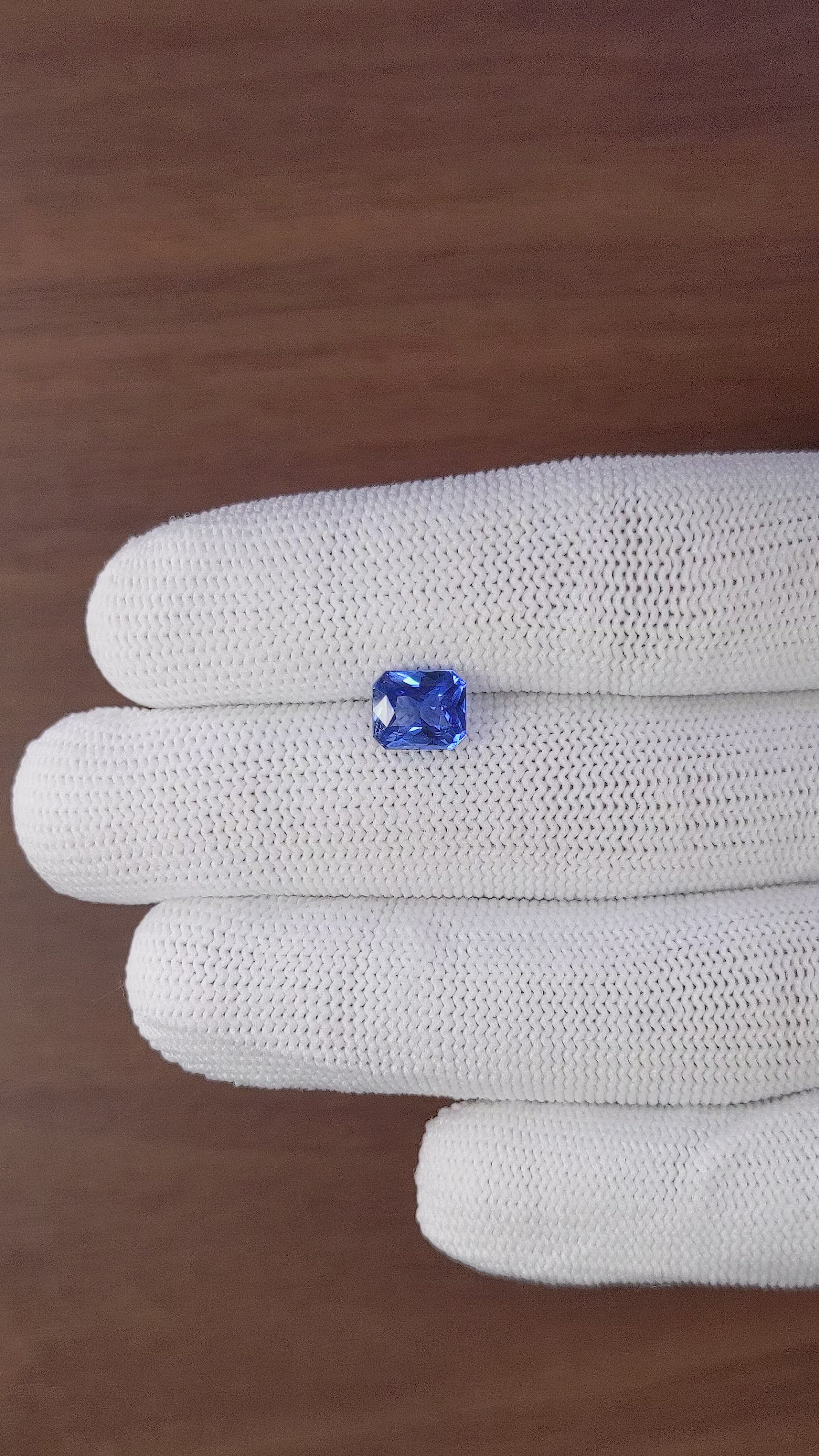
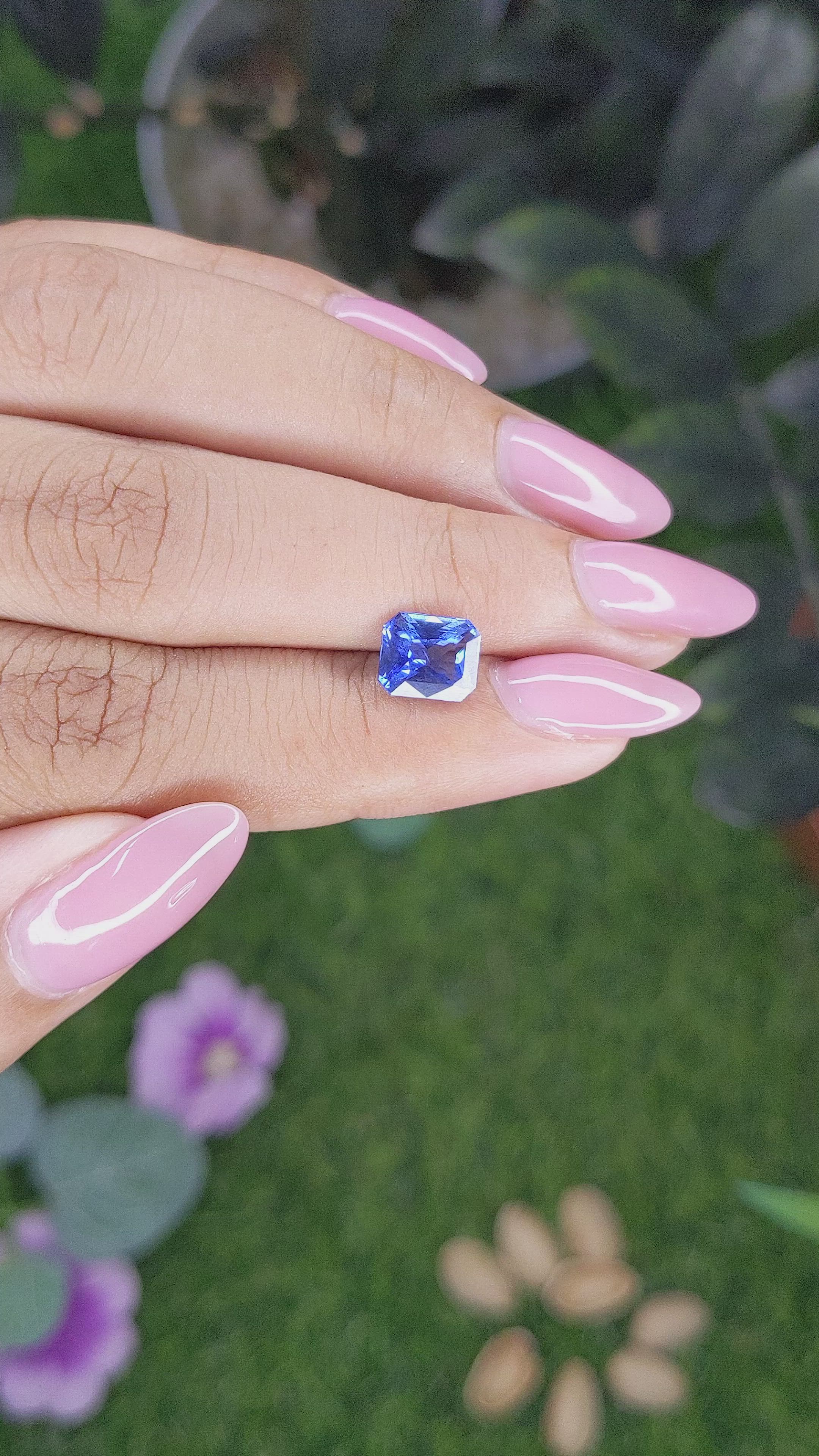
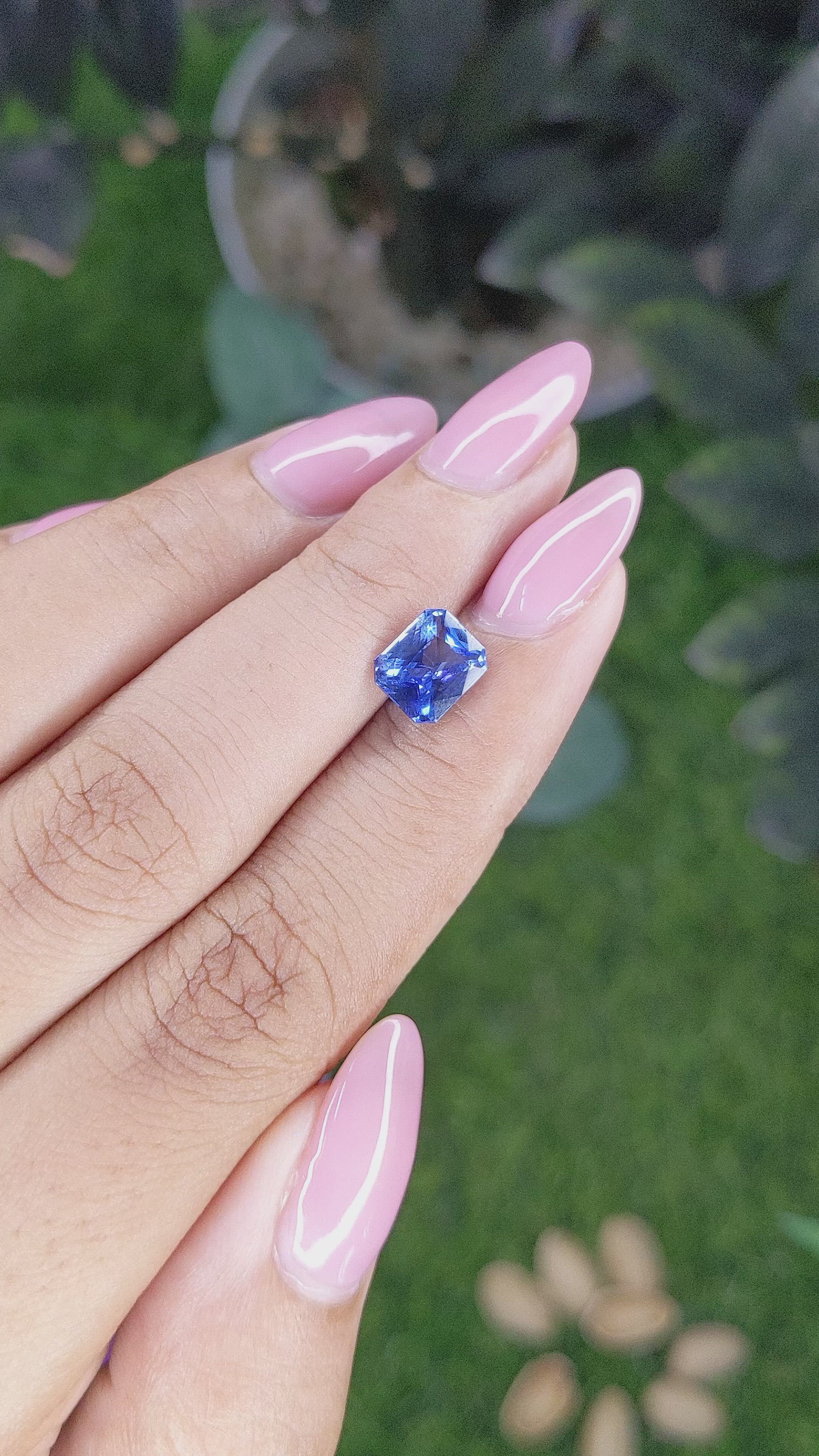
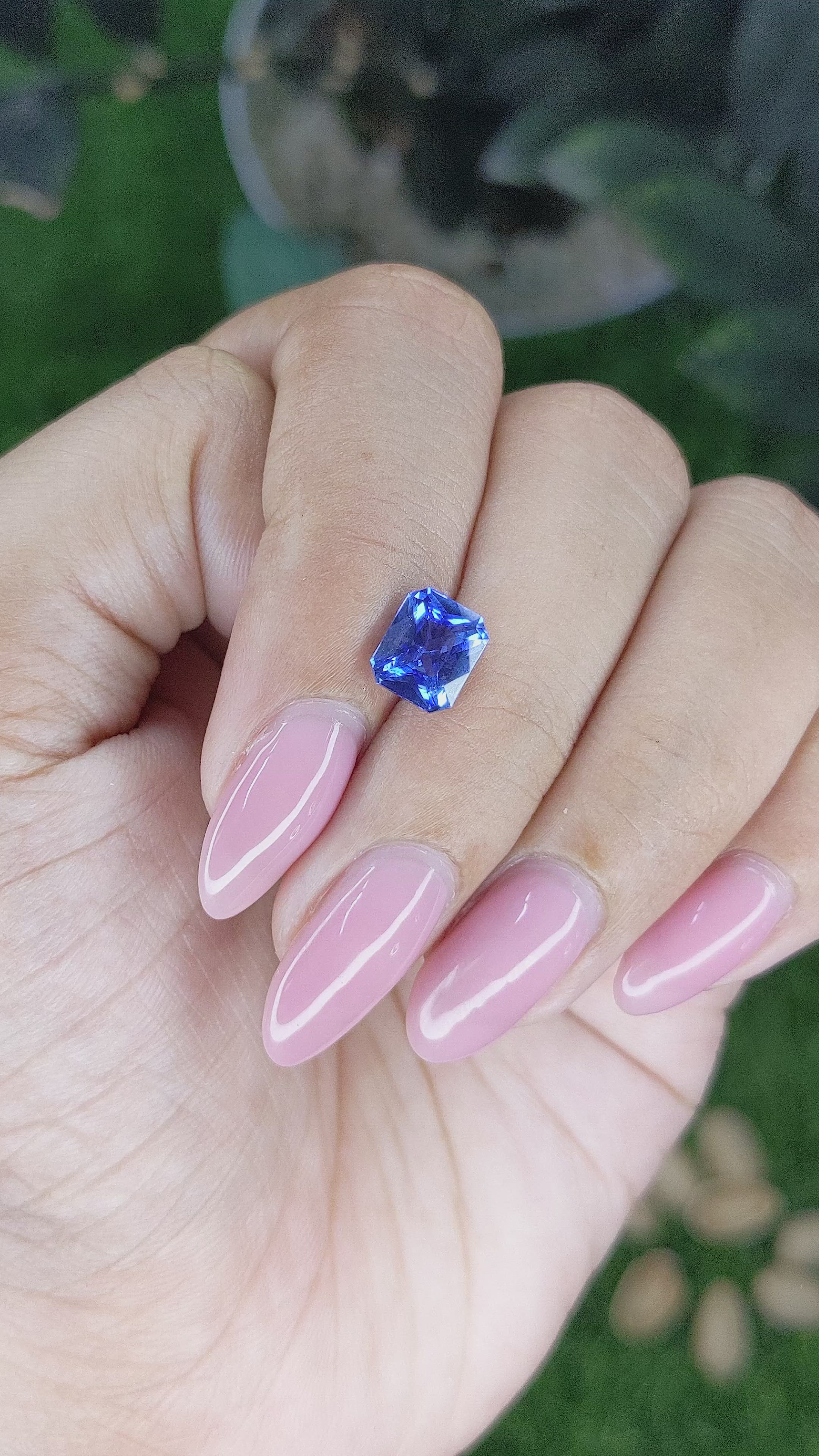


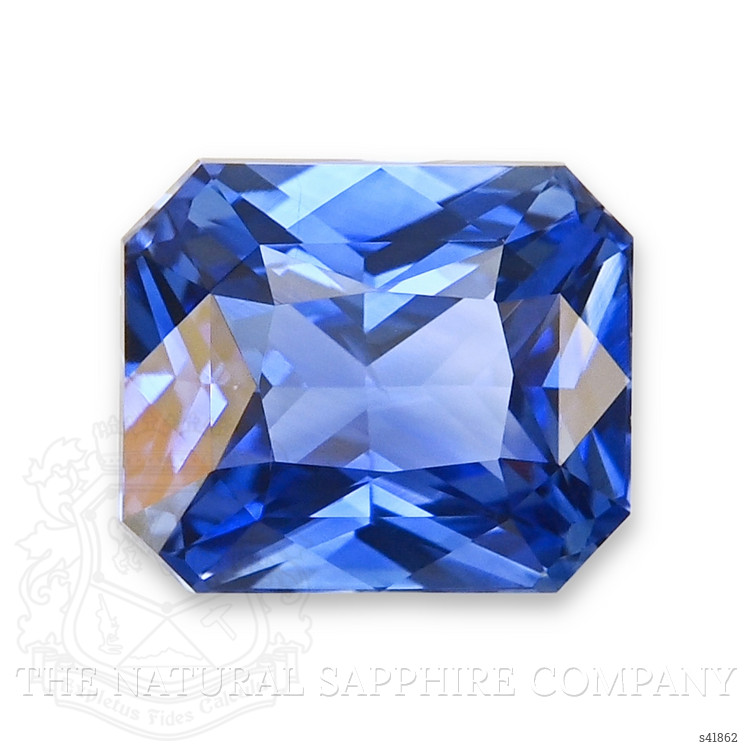
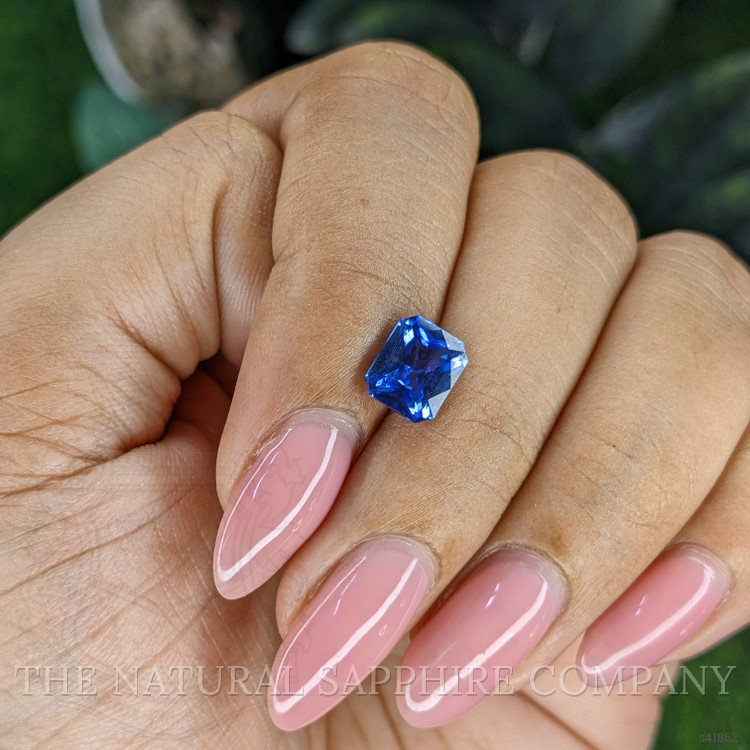
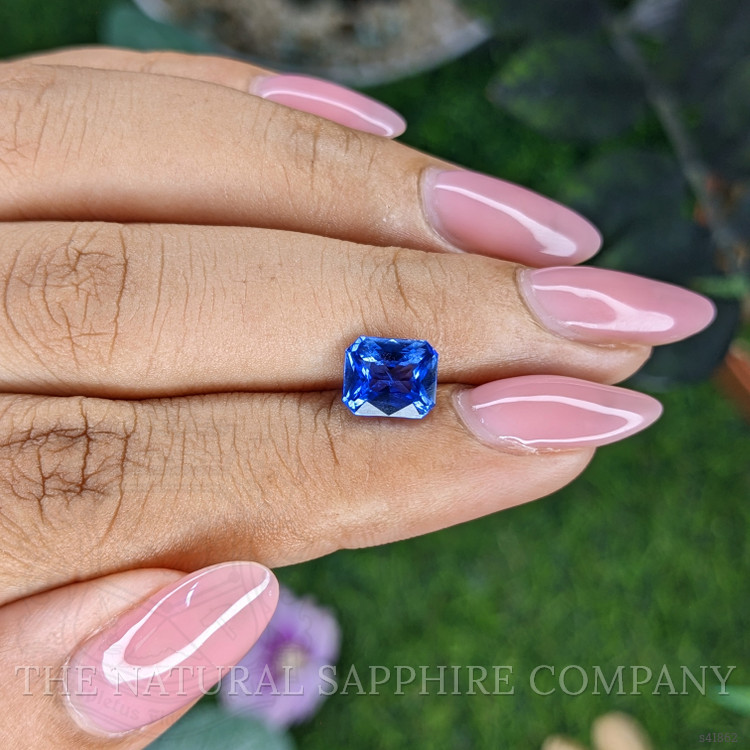
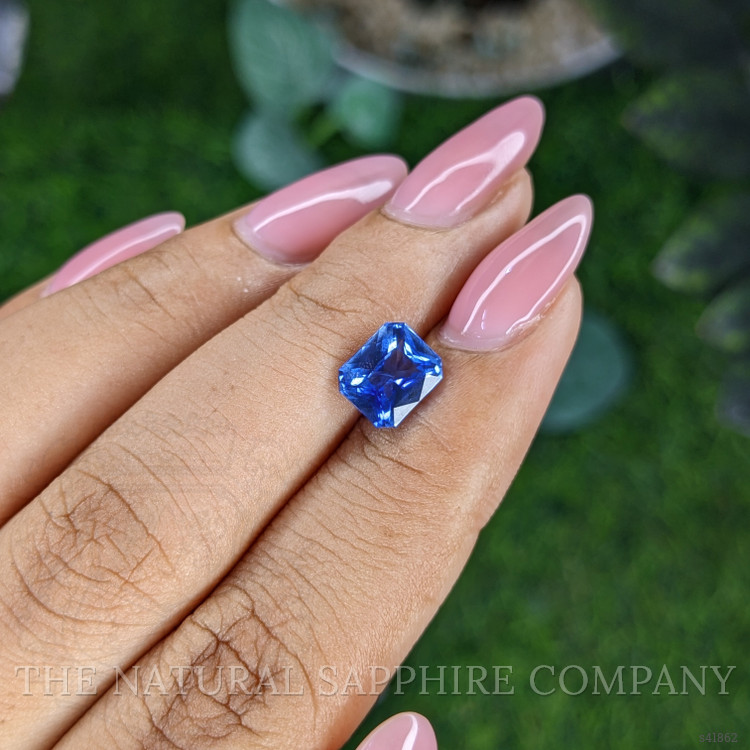


2.06 Ct. Blue Sapphire from Ceylon (Sri Lanka)
This loose stone is available to ship now
Item ID: | S41862 |
|---|---|
Dimensions (MM): help | Length: 7.67 Width: 6.54 Height: 4.13 |
Weight: | 2.06 Ct. |
Color: help | Blue |
Color intensity: help | Intense |
Clarity: help | Very Very Slightly Included |
Shape: help | Radiant |
Cut: | Radiant Cut |
Cutting style: | Faceted |
Enhancements: help | Heat Treated |
Origin: help | Ceylon (Sri Lanka) |
Per carat price: help | $2,313 |
This transparent radiant shape blue sapphire weighs 2.06 carats, and measures 7.67 x 6.54 x 4.13 mm, with an intense color intensity, very very slightly included clarity as evaluated at eye level, and an excellent polish. The radiant cut combines trimmed corners and a faceting pattern that maximizes light return while preserving weight and table size. This combination of weight and dimensions yields a stone that sits confidently in a ring or pendant setting while still delivering strong visual impact. The gem has been heat treated, which is a widely accepted enhancement for corundum, and it originates from Ceylon Sri Lanka, a region historically associated with high quality blue sapphires. At The Natural Sapphire Company we present this information so an informed buyer can understand the practical implications of each specification, and can compare this stone to other investment quality sapphires with confidence.
Clarity described as very very slightly included at eye level means that the stone is effectively eye clean to most observers under normal viewing conditions, and that the small inclusions present do not materially affect transparency or brilliance. Clarity in sapphires is typically assessed by visibility to the naked eye rather than by microscope, and the very very slightly included grade indicates minimal internal features that will not distract from the gem when set. The excellent polish is equally important, because polish quality governs how smoothly light enters and exits the gem, and a finely polished pavilion and crown increase both brilliance and scintillation. From a material science perspective, corundum has a refractive index range of about 1.762 to 1.770, and a specific gravity near 3.97 to 4.05, so a well cut sapphire such as this one will show strong light return and a robust body tone, while the Mohs hardness of 9 means the gem is highly durable for everyday wear compared with most colored stones.
Color and origin are central to this sapphires appeal and market value. The intense blue seen in this Ceylon stone tends to be vivid and lively, with a slightly lighter tone and a clearer, more cornflower leaning hue than some deeply saturated stones from other sources. Ceylon Sri Lanka sapphires are prized for their combination of brightness and saturation, offering an attractive balance between vivid color and transparency. Pleochroism is a characteristic of many sapphires, and in practical terms it means the gem can show subtle color shifts when viewed from different angles, adding visual complexity and depth. Heat treatment is common and stable, and when applied responsibly it enhances both color and clarity without compromising the durability of the corundum. Provenance from Sri Lanka is recognized in the trade for producing stones that are both appealing to connoisseurs and versatile in design, and at The Natural Sapphire Company we ensure that origin statements are supported by our sourcing and gemological evaluations.
When comparing reflective qualities to other gemstones in its category, consider both species and cut. Within the corundum family, rubies and blue sapphires share the same refractive properties, so a well cut sapphire can deliver brilliance comparable to a ruby of similar quality. Compared with spinel, which can also occur in blue tones, sapphires have a slightly higher refractive index and greater density, which often translates to a subtly stronger light return and a heavier feel in the hand. Tanzanite and aquamarine, though sometimes grouped with collectible blue gems, have lower hardness and different optical behaviors, including stronger pleochroism in the case of tanzanite and less saturated color in the case of aquamarine, so they tend to display different types of scintillation and a softer overall presence. Compared with diamond, sapphires exhibit lower dispersion, so they will not show the same fire, but the radiant cut and excellent polish on this sapphire produce vivid facet contrast and lively scintillation that emphasize color over spectral flashes. Among blue sapphires specifically, facet pattern and cutting style are decisive. The radiant cut used here emphasizes brightness across the table and corners, producing broad flashes of color and strong return in both bright and diffused light, whereas deep cushion cuts may concentrate color in the center and produce more dramatic contrast and a different type of visual depth. For an educated buyer seeking an enduring, wearable blue gemstone with significant color fidelity and strong reflective performance, this 2.06 carat Ceylon radiant sapphire represents a well balanced option, combining eye clean clarity, intense color intensity, and precise cutting and polish, attributes that align with the standards of The Natural Sapphire Company.


