
- Stone9
- Reports3
-cushion-blue-sapphire-1.8100-cts-s18751-1.jpg?d=200x200&v=20241210124952)


-cushion-blue-sapphire-1.8100-cts-s18751-1.jpg?d=750x750&s=nsc&v=20241210124952)


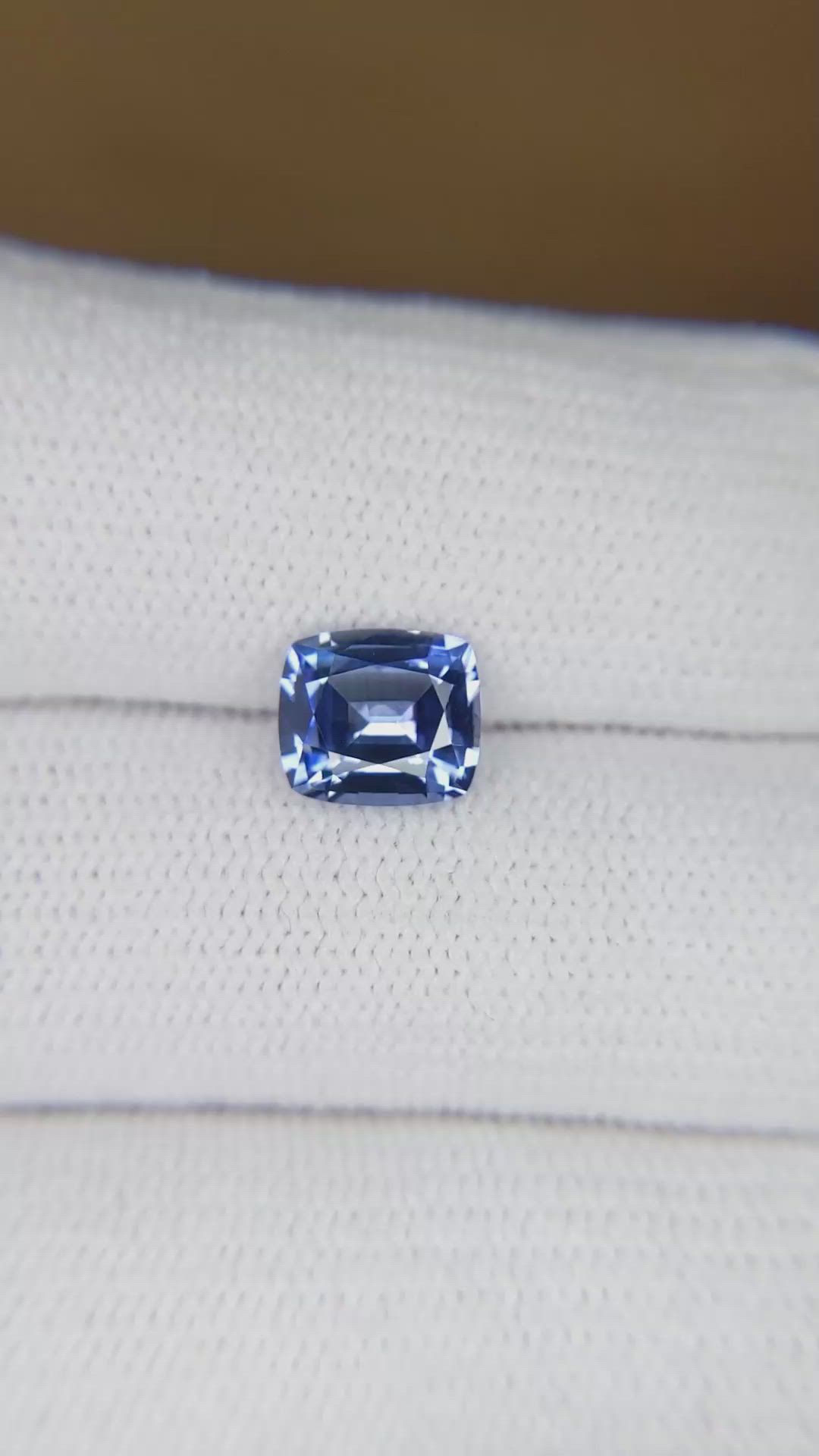
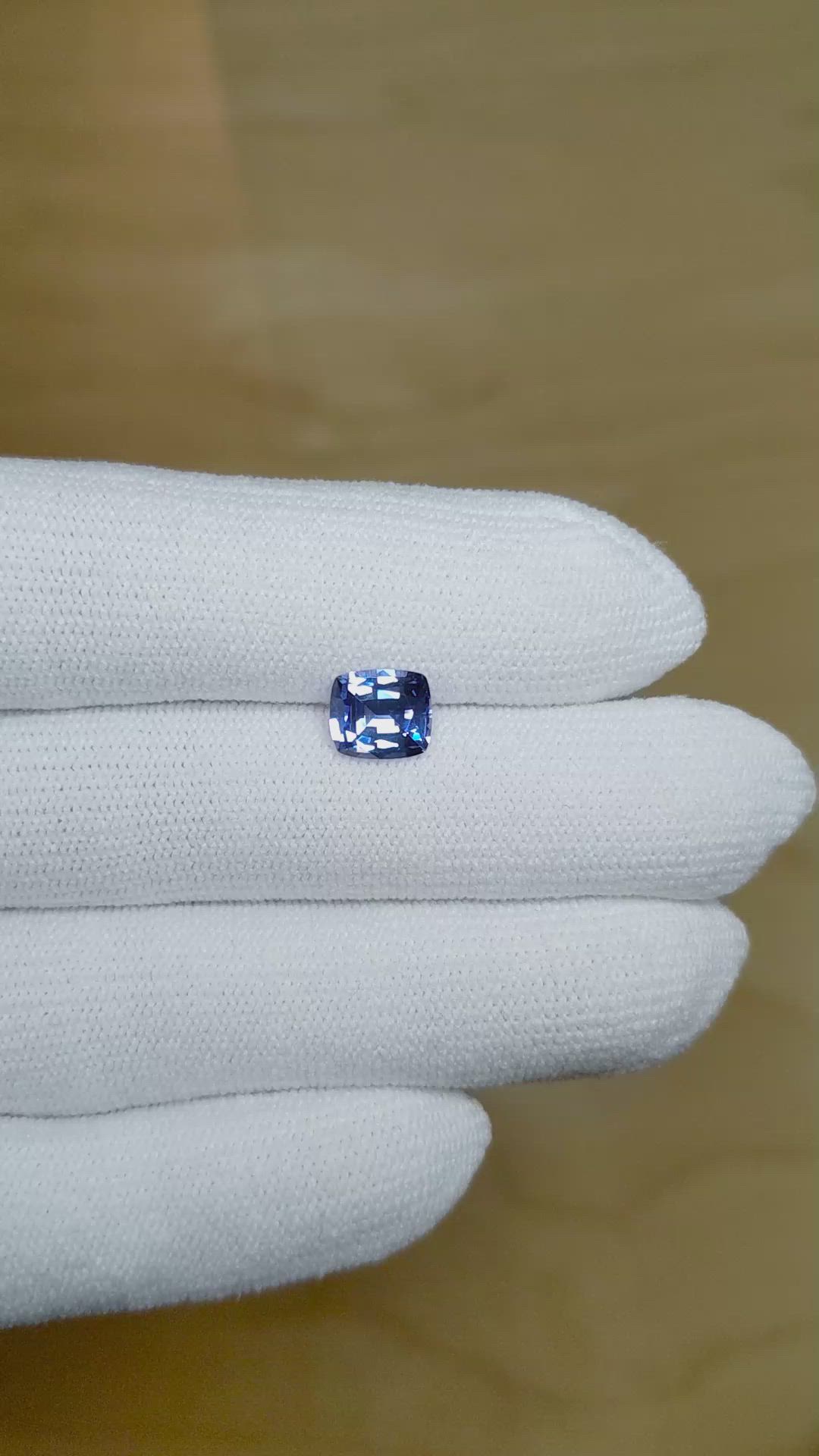
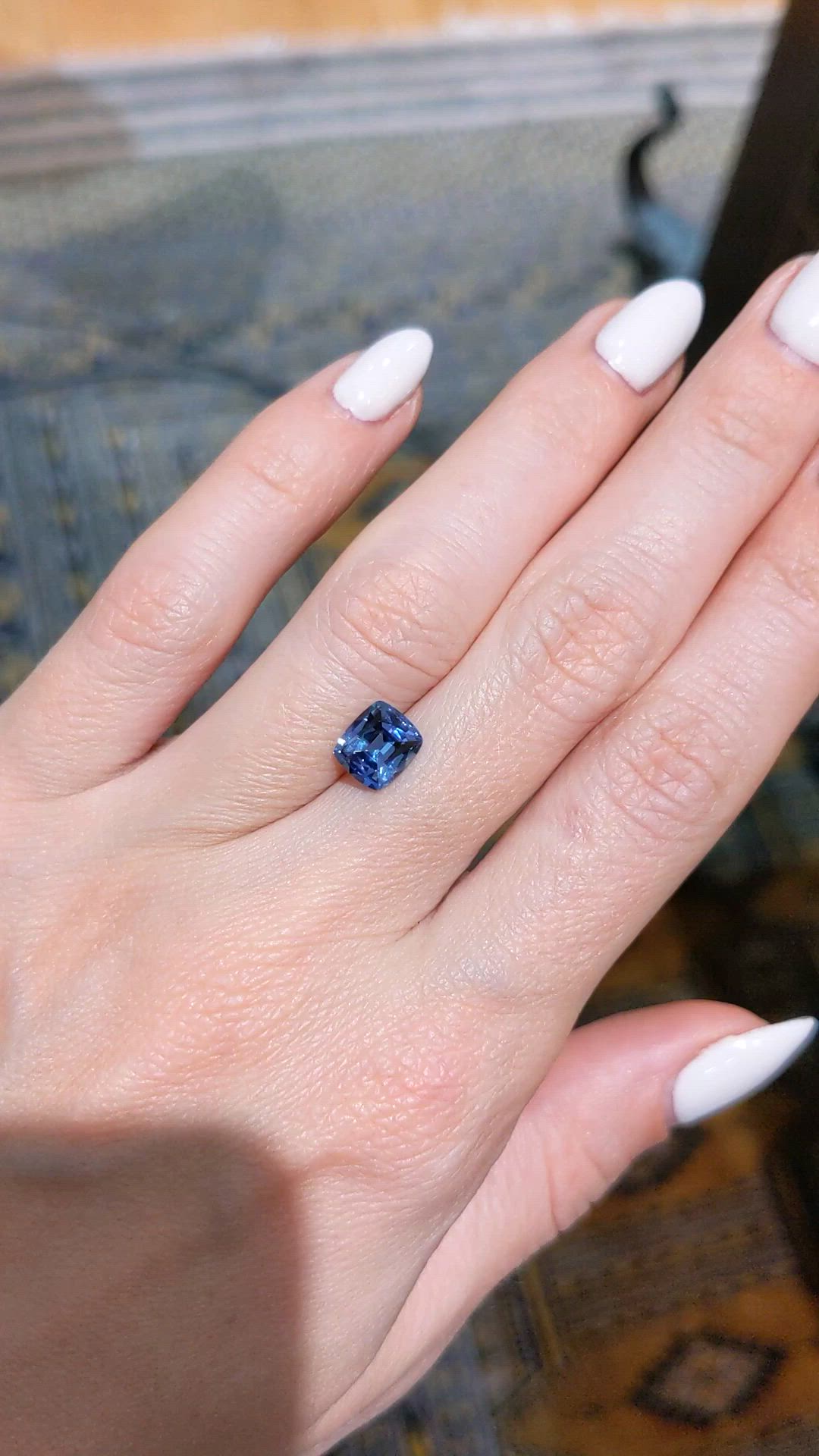
1.81 Ct. Blue Sapphire from Ceylon (Sri Lanka)
This loose stone is available to ship now
Item ID: | S18751 |
|---|---|
Dimensions (MM): help | Length: 7.42 Width: 6.53 Height: 4.11 |
Weight: | 1.81 Ct. |
Color: help | Blue |
Color intensity: help | Intense |
Clarity: help | Very Very Slightly Included |
Shape: help | Cushion |
Cut: | Mixed Brilliant Cut |
Cutting style: | Faceted |
Enhancements: help | Heat Treated |
Origin: help | Ceylon (Sri Lanka) |
Per carat price: help | $1,500 |
From the alluvial gravels of Ceylon, the island that gave the world its most beloved blues, this stone began as a pebble in a riverbed and as a rumor in the hands of local miners, who over generations learned to read the land like a ledger of light. In those fields the blue revealed itself in flashes, a promise rather than a finished thing, and it was that promise that led this gem to workshops in Sri Lanka where lapidaries with decades of experience turned it into a jewel. The result is a transparent 1.81 carat cushion shaped blue sapphire, with measurements of 7.42 x 6.53 x 4.11 mm, an intense color intensity, and a clarity graded as very very slightly included, evaluated at eye level. Heat treated to refine and stabilize its hue, this sapphire carries the history of Ceylon in its color, and the history of human hands in its form, a lineage that readers of gemstone lore will recognize as both cultural heritage and an ongoing craft. When you hold it, you are holding a fragment of coastal geology and island tradition, polished into a stone that catches the eye and keeps a story inside.
The cutting style is faceted with a mixed brilliant cut, a decision made to balance color depth and luminous return, and an excellent polish that lets light travel through and scatter from each plane of the pavilion and crown. Because of the mixed brilliant design, this sapphire exhibits lively scintillation and pinpoint flashes that read as brilliance to the eye, more akin to what you would expect from a well cut gem rather than the broader, softer glow of a step cut. Compared to other sapphires in its category this Ceylon sapphire leans toward brightness. Kashmir sapphires are famed for a velvety, almost diffuse reflection that whispers rather than sparkles, their silky texture softening the light into plush depth. Burmese sapphires often present saturated, jewel like depths with strong, dense reflections that emphasize color over nimble sparkle. Madagascan stones can be very close cousins to Sri Lankan examples, offering bright, clean returns of light, and Australian sapphires frequently show darker tones with more subdued surface return. This sapphire stands out among those spectra by delivering a vivid blue that still allows for active light play, thanks to its transparency and the mixed brilliant facets that maximize light return without sacrificing the intensity of color. The very very slightly included clarity means the eye sees clean color and lively reflection, with inclusions too minor to interrupt the gem’s performance, and the heat treatment is a responsible enhancement that improves clarity and color homogeneity, allowing more light to pass and reflect.
When you compare this blue sapphire to other gemstones in the broader corundum family, or to stones that people sometimes choose as alternatives, the character of its reflections becomes a decisive trait. Sapphires have less dispersion, or fire, than diamonds, so their beauty is more about color saturation and the way they return light than about rainbow flashes. Within sapphires those that are cut to emphasize brilliance, like this mixed brilliant cushion, will show more scintillation than stones cut for color block, and the Ceylon origin supports a brighter appearance rather than the candlelit depth of some sources. Against spinel or tanzanite, for instance, this sapphire will show denser, more stable blue under various lights, with sharper pinpoint reflections that catch when you move, whereas tanzanite tends to shift in hue and show more pleochroic color change. Against aquamarine the sapphire’s reflections are more intense and saturated, aquamarine favoring serene, watery flashes. For anyone choosing a sapphire for an engagement ring or a piece that must stand up to daily wear, this gem’s balance of intense blue, excellent polish, and lively reflective behavior makes it a versatile and enduring choice. The Natural Sapphire Company stands behind the gemstone’s provenance and quality, bringing you this piece with the kind of transparency and care that began at the riverbeds of Sri Lanka and ended in a gem ready to be set and worn, a jewel that connects geology, craftsmanship, and the moments you plan to celebrate.


