
- Stone13
- Reports3
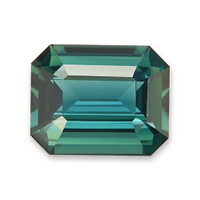

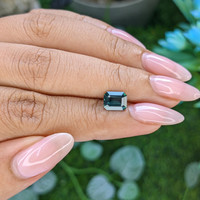
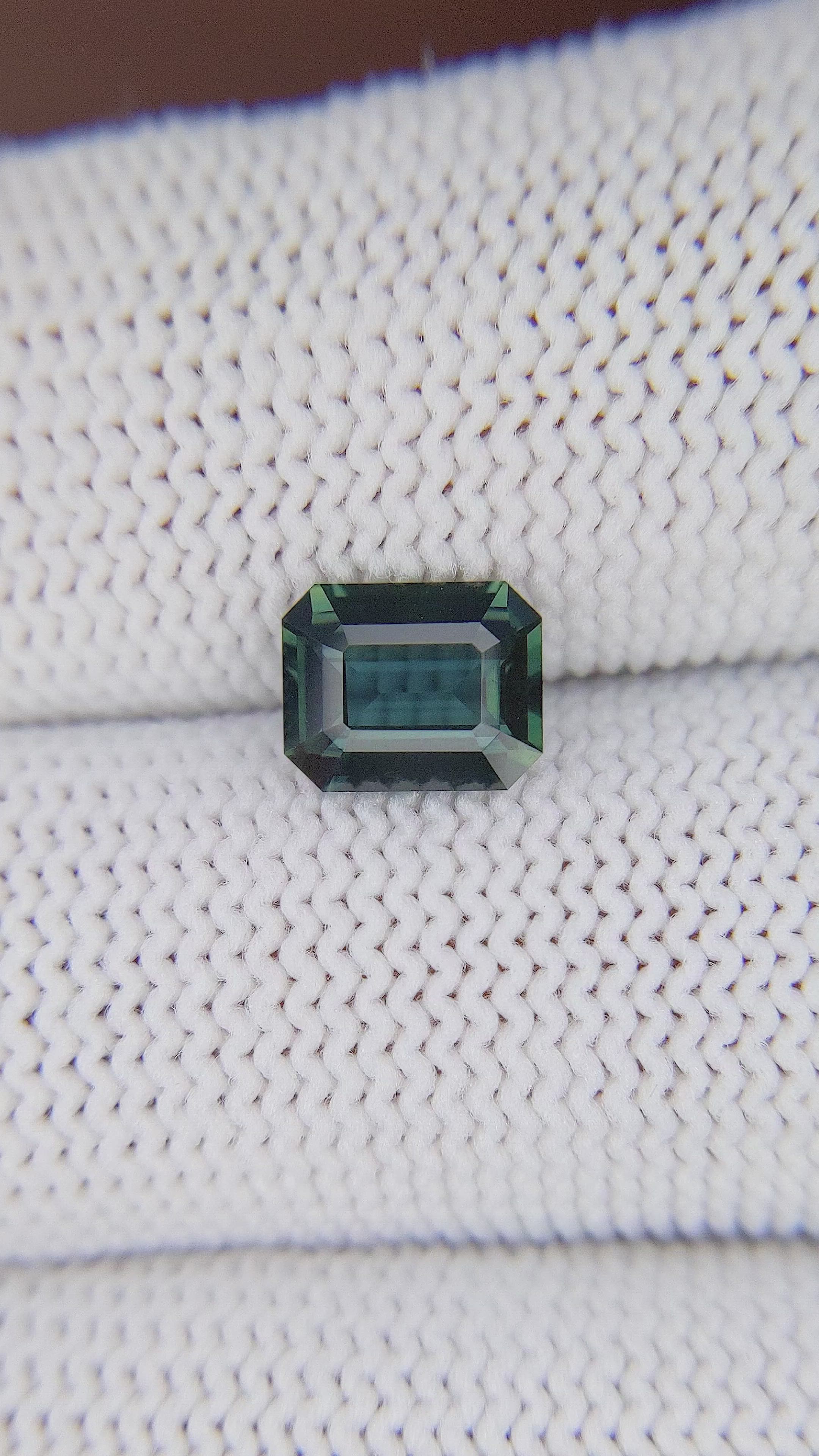
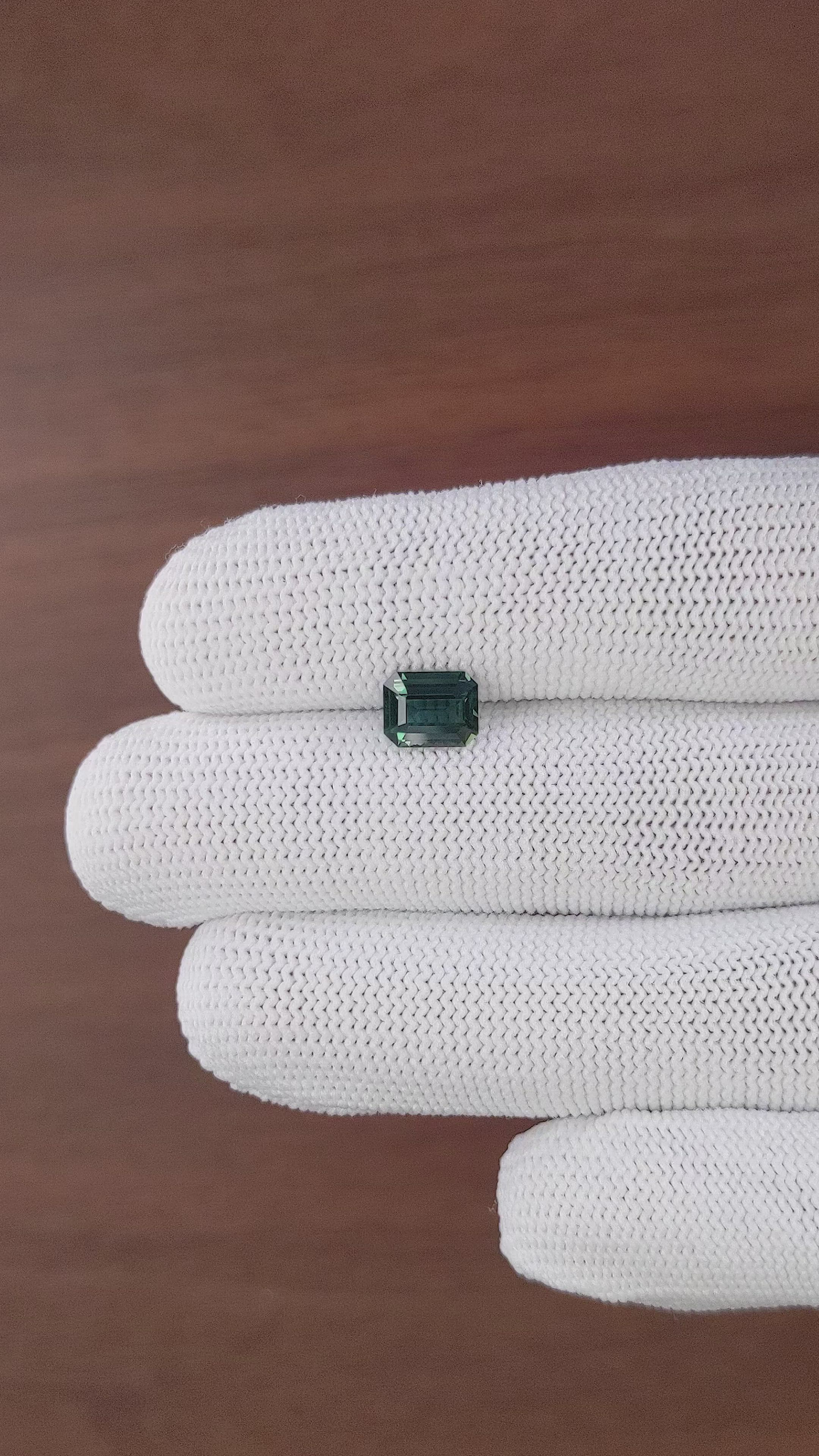
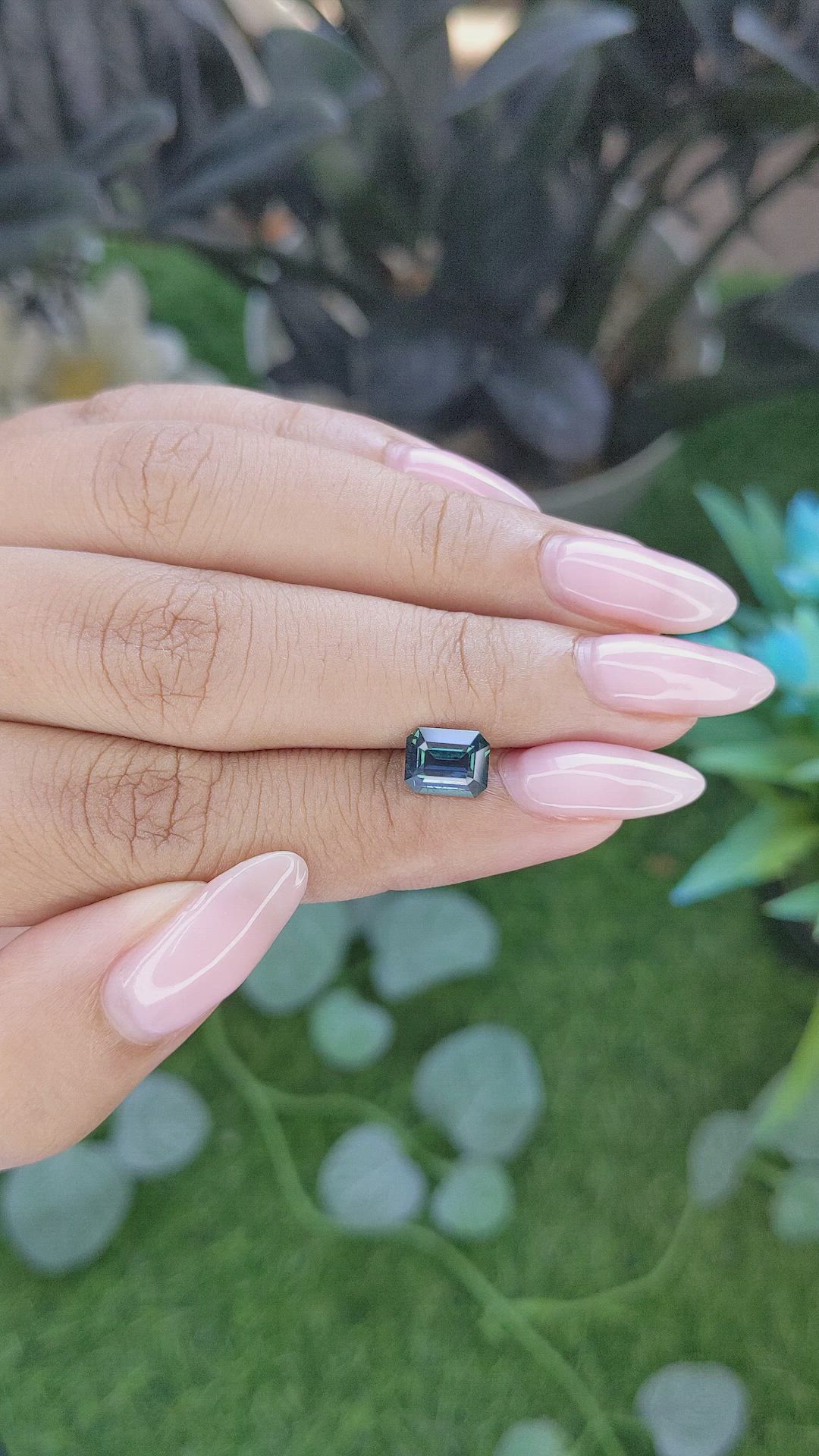
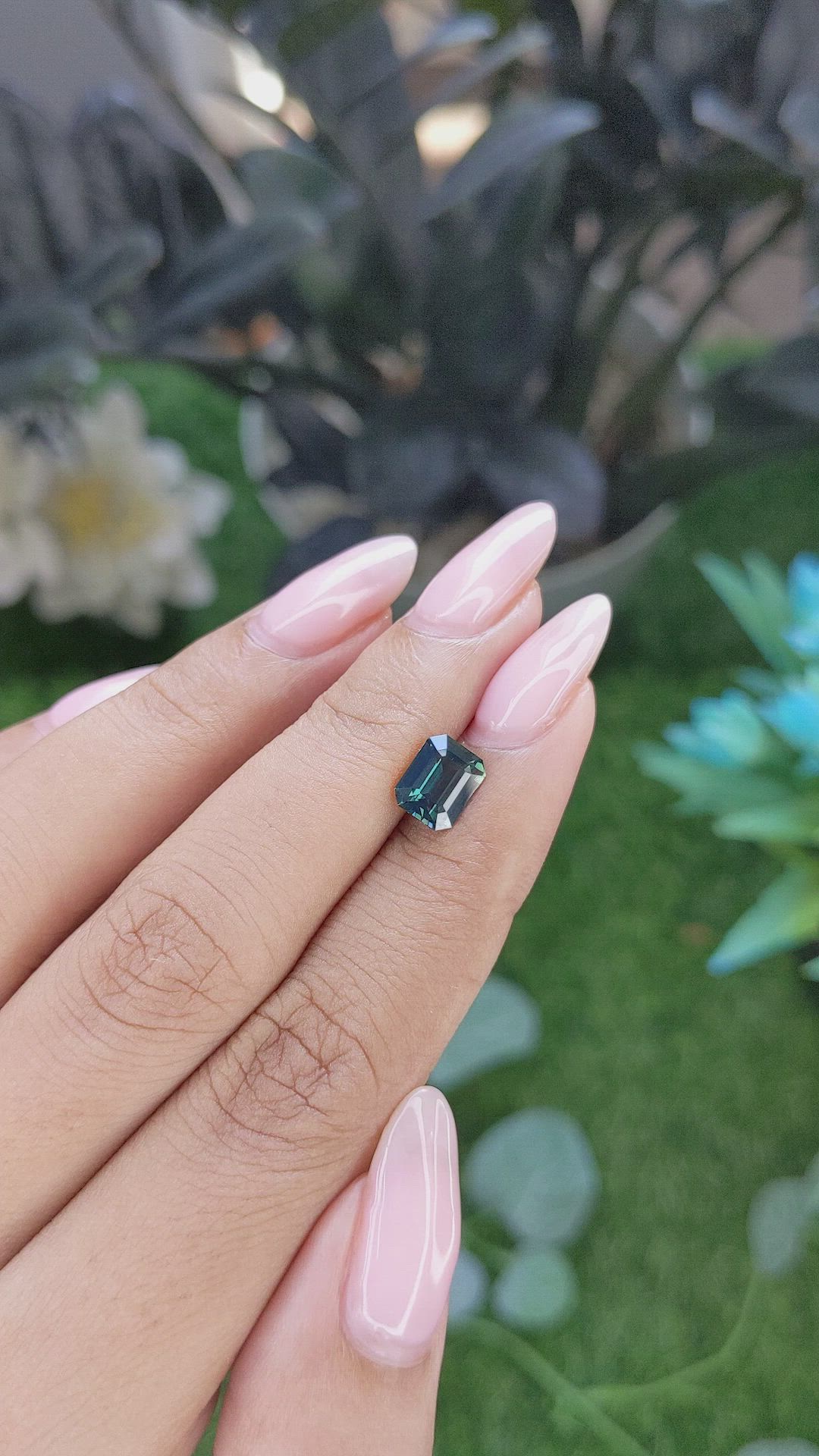
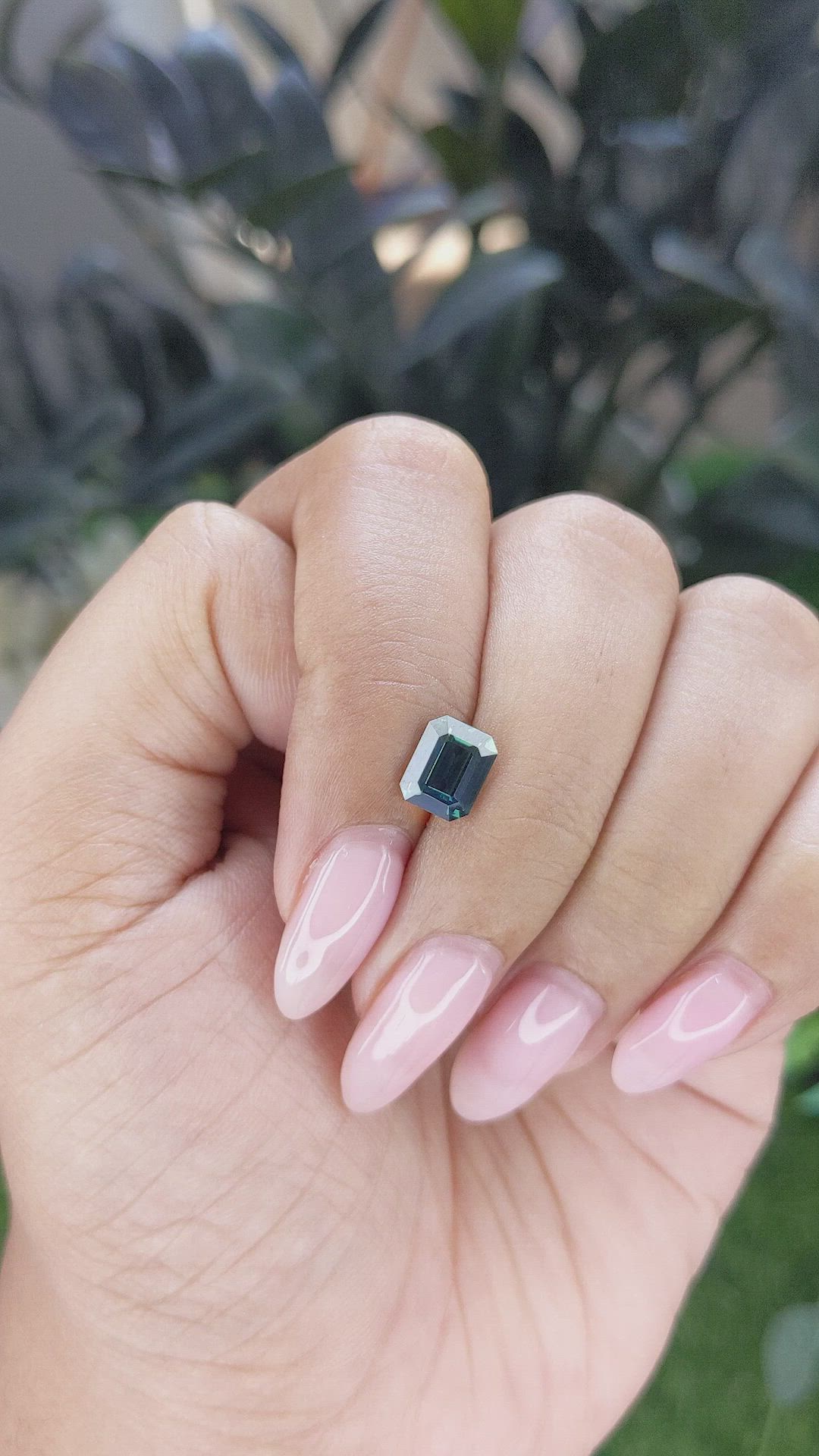




1.57 Ct. Bluish Green Sapphire from Madagascar
This loose stone ships by Jul 30
Item ID: | S41597 |
|---|---|
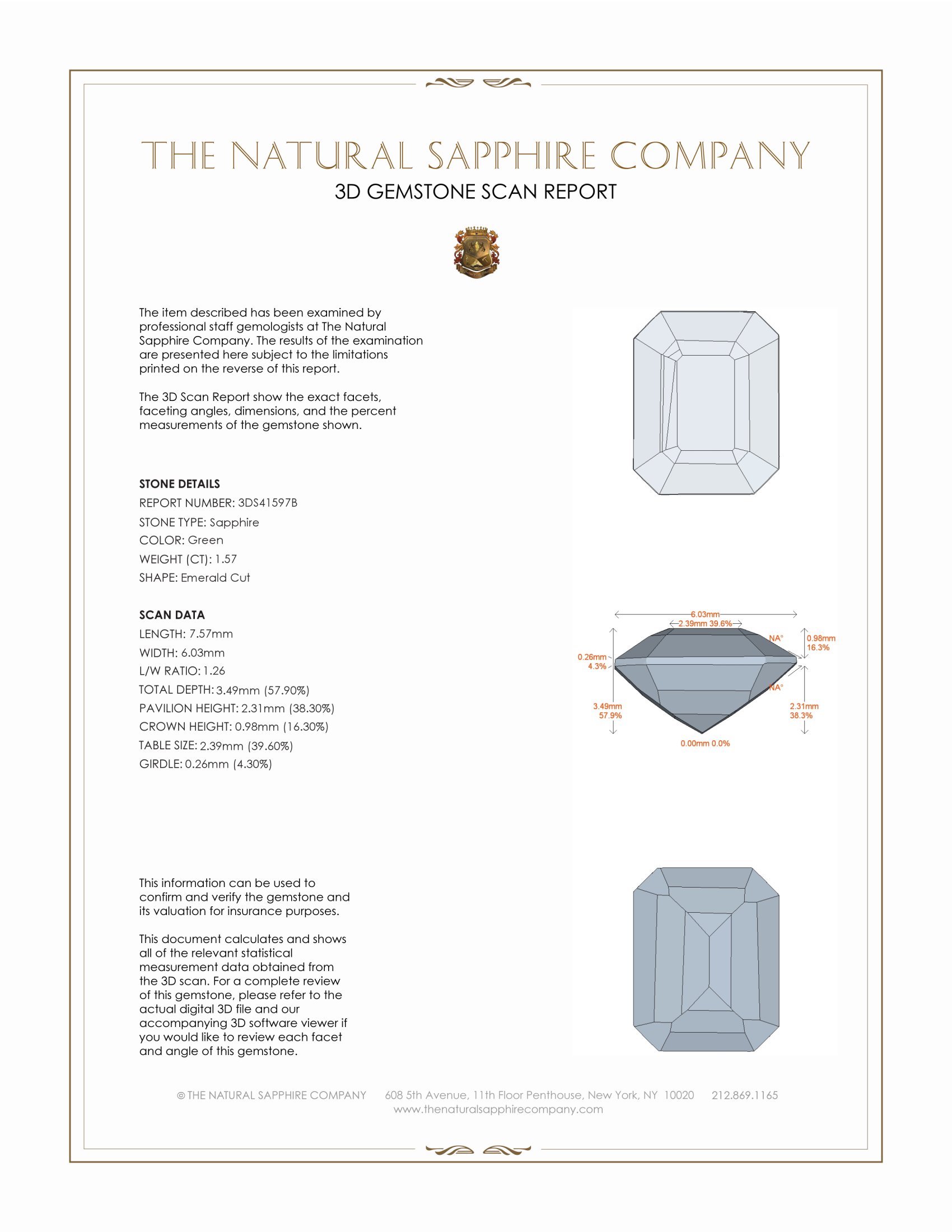
Dimensions (MM): help | Length: 7.57 Width: 6.03 Height: 3.49 |
Weight: | 1.57 Ct. |
Color: help | Bluish Green |
Color intensity: help | Intense |
Clarity: help | Eye Clean |
Shape: help | Emerald Cut |
Cut: | Emerald Cut |
Cutting style: | Faceted |
Enhancements: help | No Enhancement |
Origin: help | Madagascar |
Per carat price: help | $1,490 |
This 1.57 carat bluish green sapphire is a precision-cut emerald shape, measuring 7.57 by 6.03 by 3.49 millimeters, and offered by The Natural Sapphire Company. The gem presents an intense color intensity, a clarity grade of eye clean at standard viewing distance, and an excellent polish, with no enhancement recorded. The emerald cut here is executed as a rectangular step cut with a length to width ratio of approximately 1.26 and an overall depth of roughly 51 percent, proportions that emphasize both color saturation and the stone’s internal clarity. As corundum, the material exhibits a refractive index near 1.762 to 1.770, low birefringence of about 0.008, and a specific gravity around 4.00, all factors that contribute to the sapphire’s dense, lively appearance and stable wearability on a Mohs hardness of 9. Origin from Madagascar is reflected in the teal-leaning bluish green hue, a regional character prized for its natural, vivid tones and the rarity of untreated pieces at this quality level.
From a lapidary and optical standpoint the emerald cut is an intentional choice for a stone that is eye clean with strong saturation. The broad, parallel step facets of the crown and pavilion produce a hall-of-mirrors effect, yielding broad flashes of color rather than the scintillation associated with brilliant cuts. This facet architecture allows the intense bluish green to present as solid color blocks when viewed face up, while subtle internal reflections reveal delicate zoning when the stone is rotated. The step cutting also exposes pleochroic behavior typical of sapphire, so the stone will show slightly different proportions of blue and green as it is turned under varying lighting, a desirable quality for collectors who appreciate dynamic color. The excellent polish and careful facet junctions maximize light return and minimize windowing, while the eye-clean clarity permits a comparatively shallow pavilion that preserves weight without sacrificing brilliance. These characteristics make the gem particularly suitable for settings that showcase the table and face, such as solitaire bezels, low-profile four-prong mounts, or gallery-forward halo designs that use the step structure to create optical contrast with surrounding accent stones.
For practical considerations and setting recommendations the 3.49 millimeter depth paired with the emerald cut’s stepped pavilion yields a secure profile that tolerates both bezel and prong work well. The stone’s hardness and toughness are excellent for everyday wear when set correctly, though the sharpness of the step facet corners should be protected with prongs or a bezel to prevent edge nicks. Because the emerald cut displays color in broad planes, metal choice will influence perceived tone; warm metals such as yellow gold will enhance the green component slightly, while white metals like platinum or white gold will emphasize the bluer aspects and the gem’s silvery luster. The absence of enhancement further increases the stone’s appeal to connoisseurs and investors who prioritize natural provenance and untreated material, and the Madagascar origin is often associated with pieces that combine saturation with lively, oceanic teal hues.
On the metaphysical plane many practitioners and collectors attribute calming and clarifying properties to bluish green sapphires, a color that sits at the intersection of the throat and heart chakra vibration. Users seeking improved communication, emotional equilibrium, and compassionate expression often work with teal and bluish green sapphires to support clear speech grounded in empathy. The stone’s intense but composed color is said to facilitate focused thought and honest self-expression, making it a favored talisman for negotiators, writers, and anyone seeking to bridge intellectual clarity with emotional sensitivity. Additionally, the Madagascar origin carries symbolic associations with renewal and natural vitality due to the island’s biodiverse landscapes, which some believe enhances the stone’s capacity to promote personal growth and a reconnection to natural rhythms. These metaphysical attributes are subjective and experiential, and they complement the sapphire’s technical virtues for buyers who value both gemological precision and the subtle energetic qualities traditionally ascribed to natural sapphires.


