
- Stone14
- Reports3
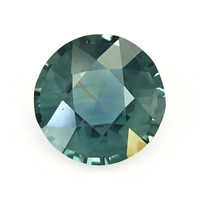
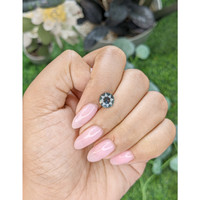


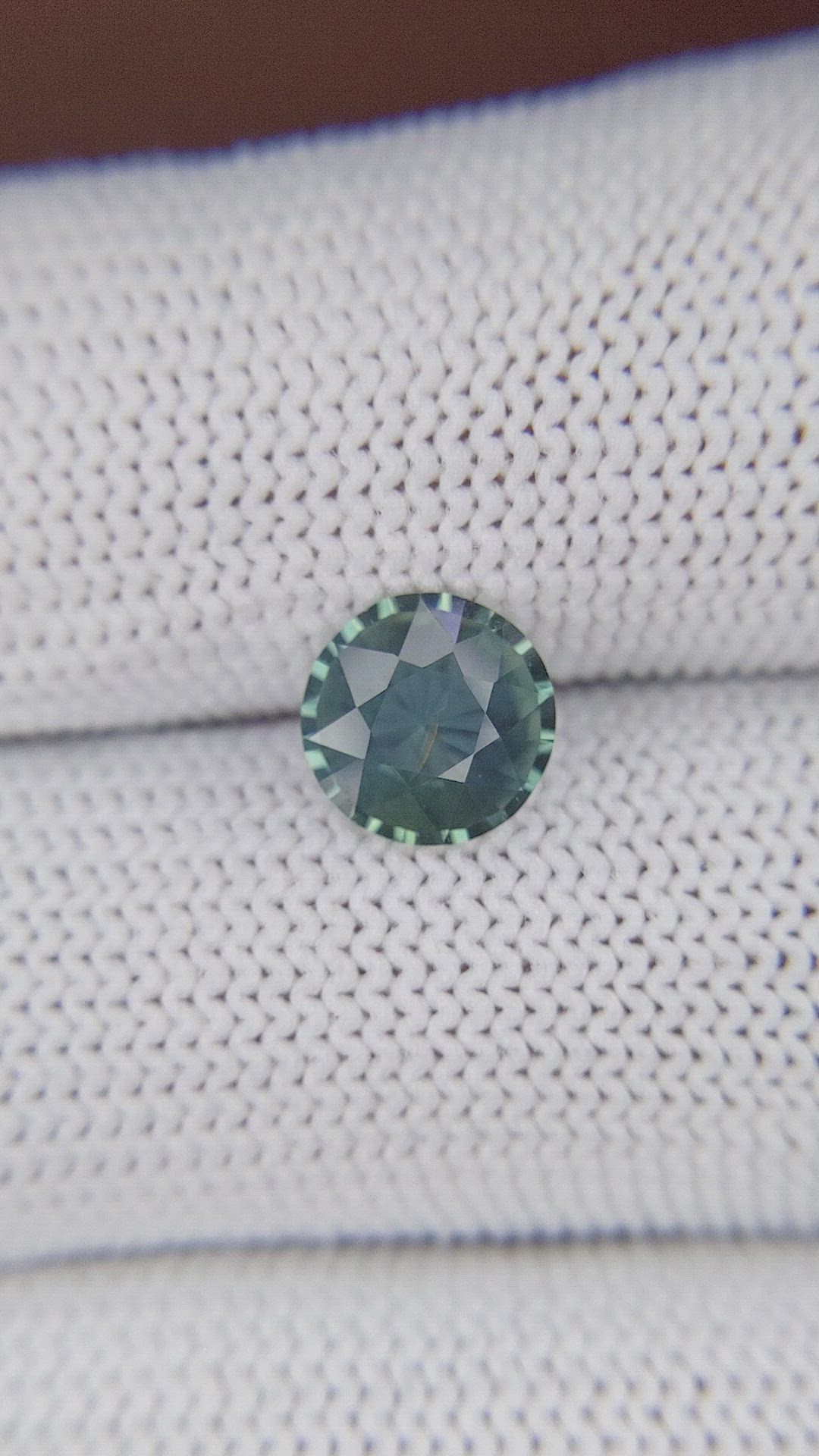
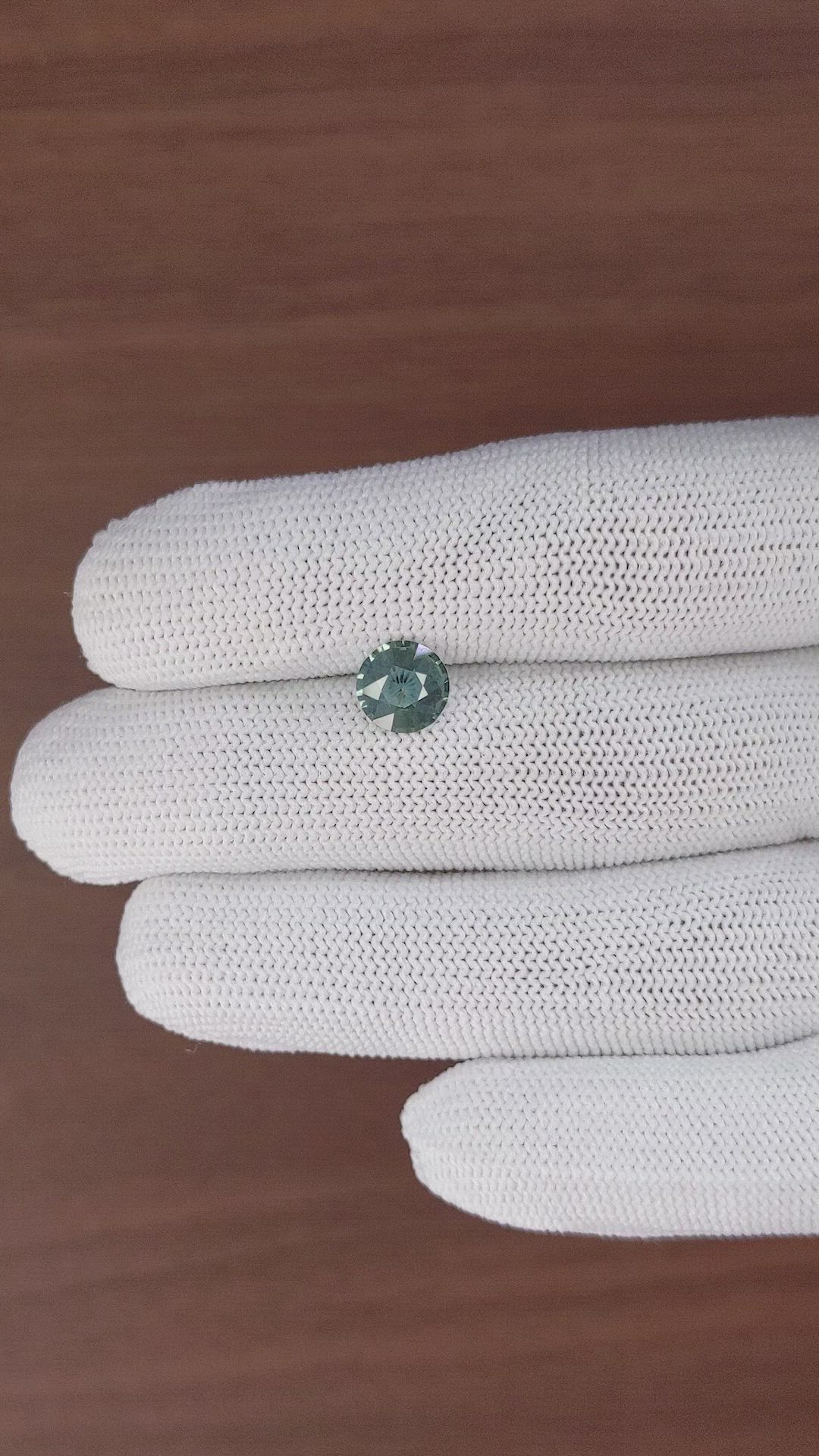
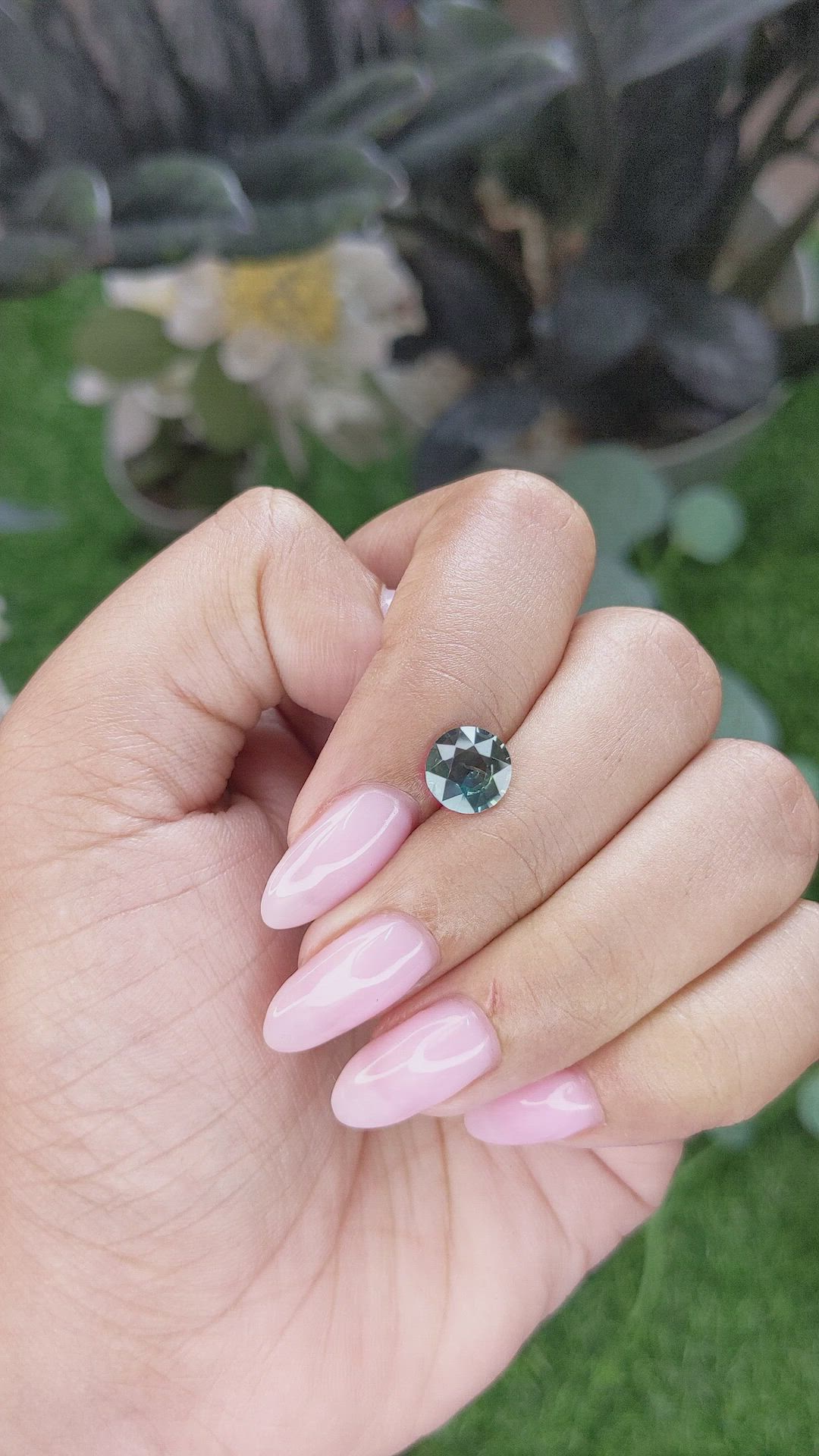
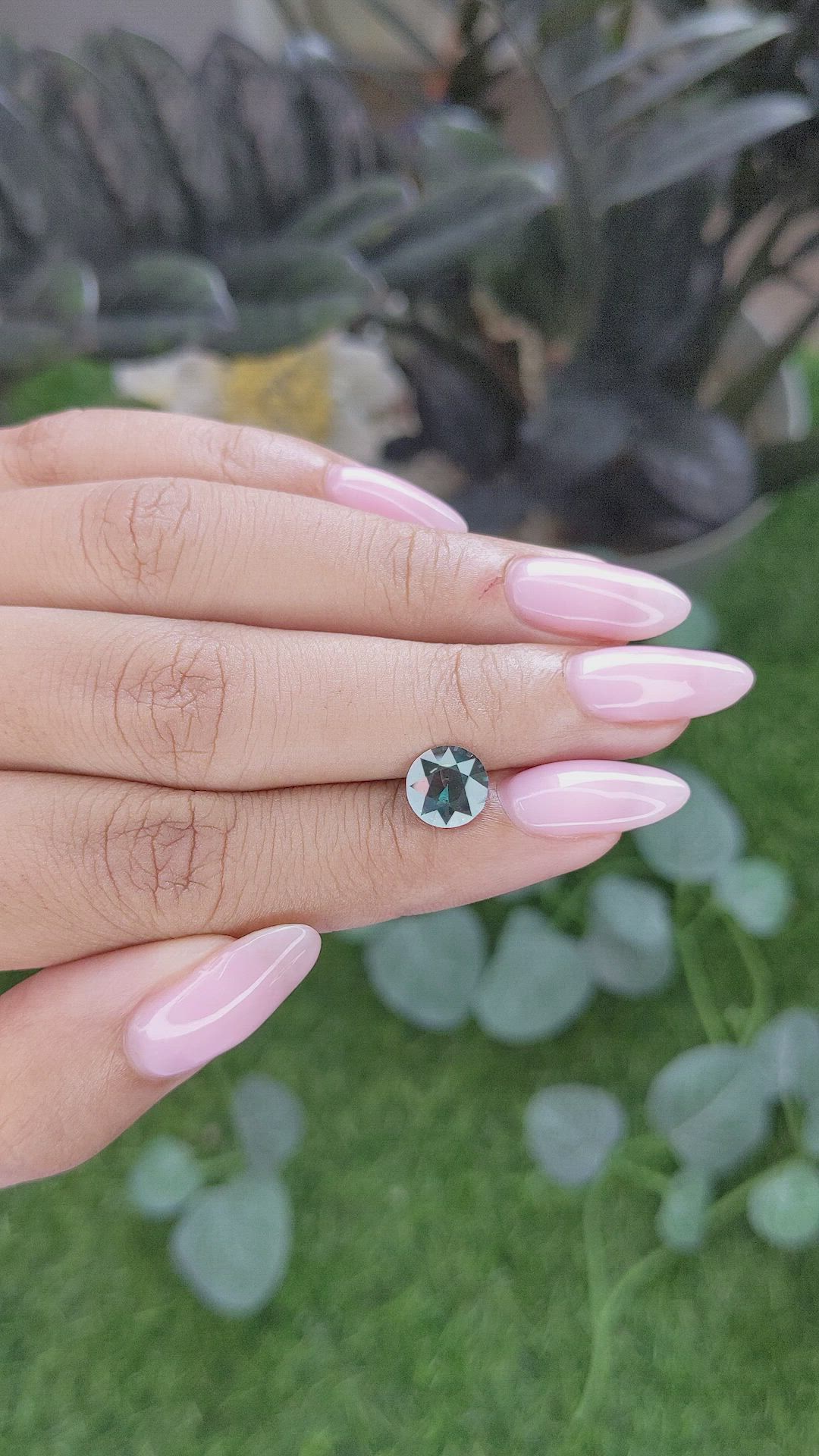
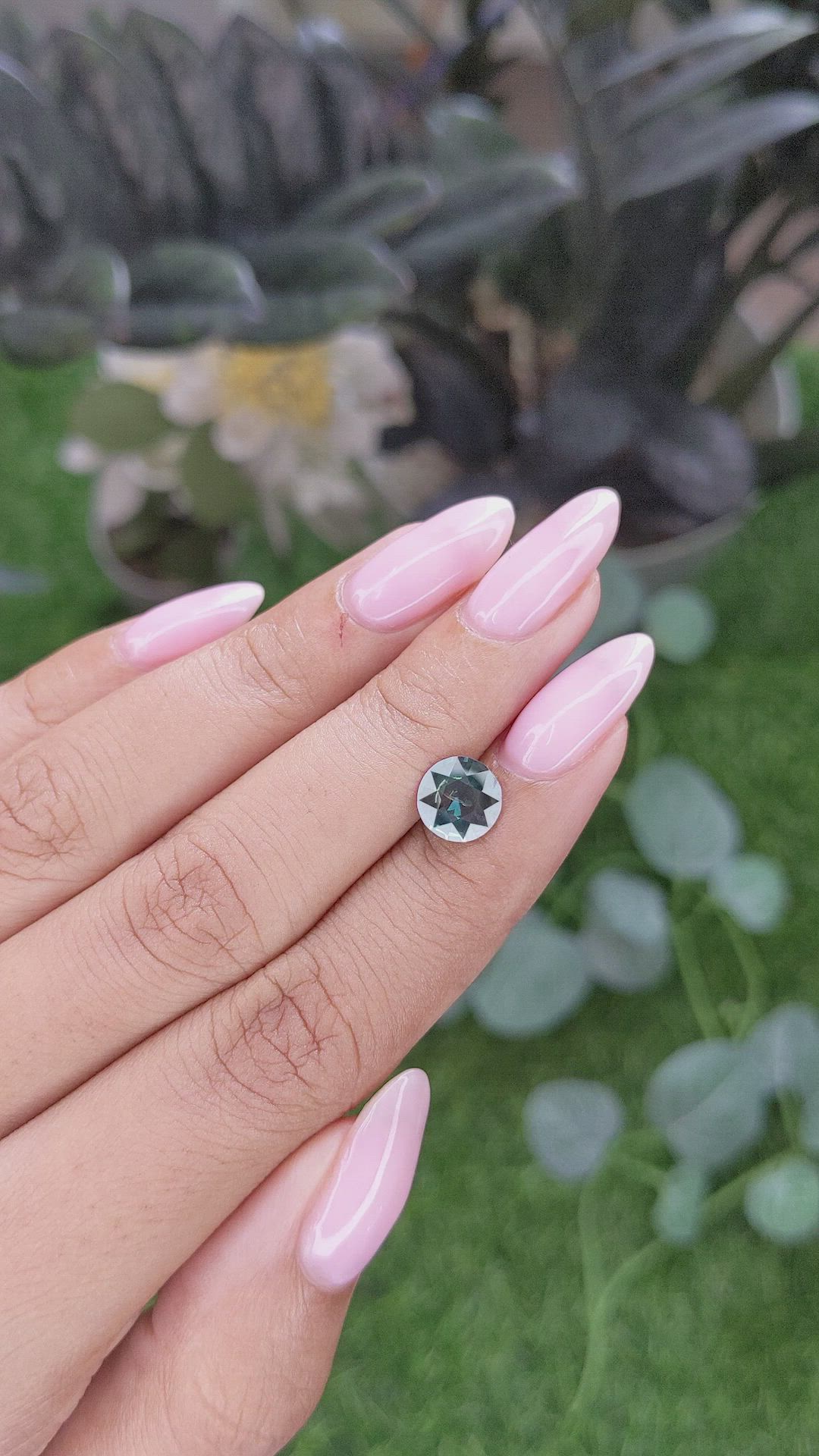


1.56 Ct. Bluish Green Sapphire from Madagascar
This loose stone ships by Nov 3
Item ID: | S40281 |
|---|---|
Dimensions (MM): help | Length: 7.74 Width: 7.83 Height: 3.52 |
Weight: | 1.56 Ct. |
Color: help | Bluish Green |
Color intensity: help | Intense |
Clarity: help | Slightly Included |
Shape: help | Round |
Cut: | Mixed Brilliant Cut |
Cutting style: | Faceted |
Enhancements: help | Heat Treated |
Origin: help | Madagascar |
Per carat price: help | $1,200 |
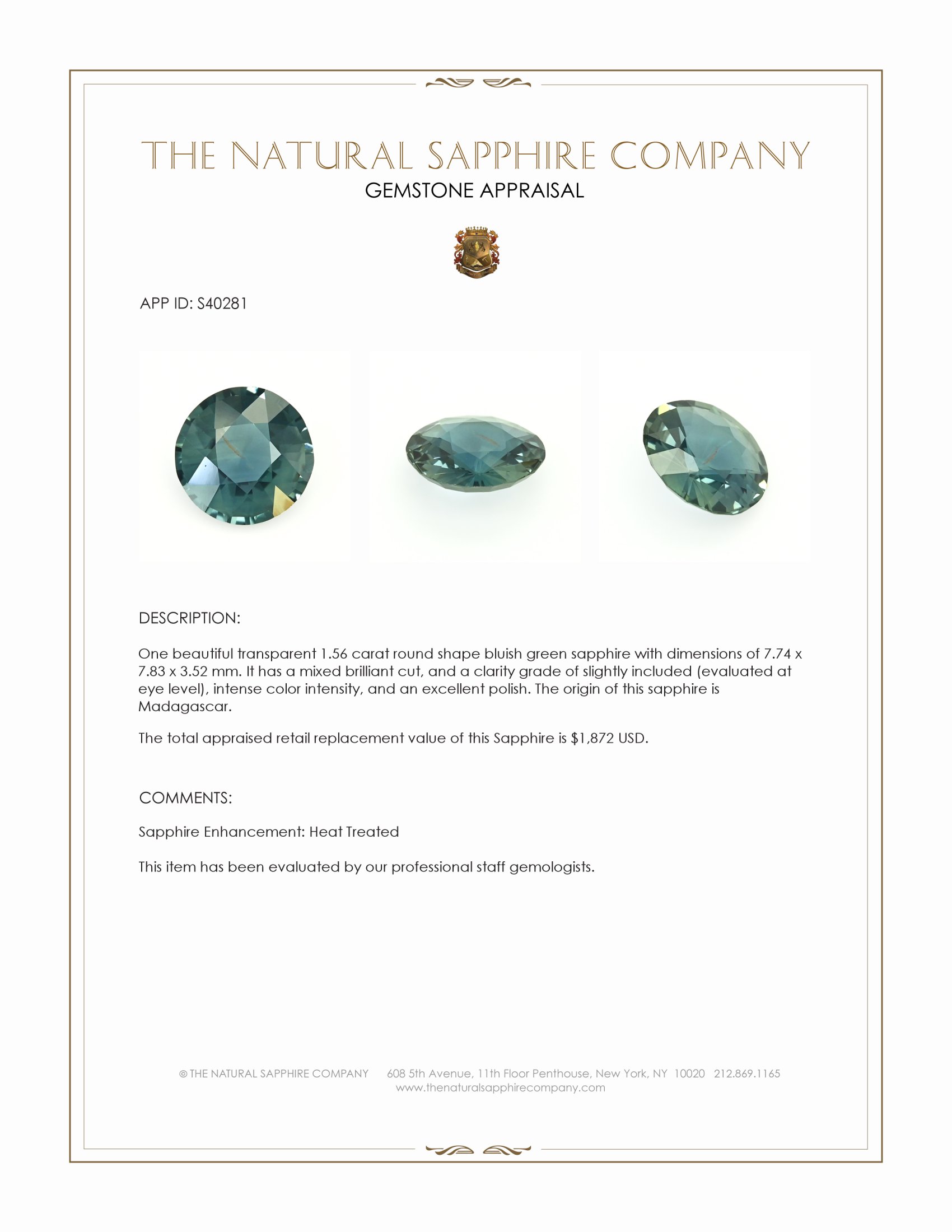
This 1.56 carat round bluish green sapphire from Madagascar combines precise craftsmanship with desirable natural color, offering specialists and collectors a gem that balances optical performance with character. The dimensions measure 7.74 by 7.83 by 3.52 millimeters, reflecting a well centered round outline with minimal deviation between diameter measurements. The stone is fashioned in a mixed brilliant cut, with a brilliant faceted crown that transitions into a pavilion designed to maximize return of light. The mixed brilliant approach preserves strong scintillation from the crown while allowing deeper color saturation from the pavilion, and the proportioning in this piece favors a medium crown height and a pavilion profile that supports lively contrast. Clarity is graded slightly included at eye level, with minor needle and crystal inclusions that are typical for natural sapphires and that contribute minimal disruption to the gem when viewed in typical jewelry settings. The color intensity is classified as intense, and the polish is excellent, with facet junctions that display sharp, well executed edges and a smooth, reflective finish. The stone has been heat treated, a stable and industry standard enhancement, and the documented origin is Madagascar.
The mixed brilliant cut in this round shape is integral to the gem behavior, and understanding the cut geometry clarifies how the bluish green hue is expressed in different lighting. The crown comprises multiple kite and triangular facets that concentrate light toward the table, producing a bright central window and dynamic starburst reflection patterns. The pavilion facets have been adjusted in angle and facet size to retain color depth, which is particularly effective for sapphires with bluish green tones. Light entering through the table interacts with the shallow to medium pavilion depth, producing a balance of brilliance and body color. The intense color intensity means that even under standard daylight the stone shows a saturated bluish green, while under incandescent light warmer green components may become more pronounced. The slightly included clarity grade indicates that inclusions are visible under close unaided inspection, yet they do not form significant fractures or cleavage planes that would compromise structural integrity. The excellent polish enhances optical return, minimizing light leakage across facet surfaces, and the result is a gem that reads as transparent and lively despite natural internal features.
Comparisons to sapphires from other famous locations help to situate this Madagascar stone in a broader gemological context, and clarify how hue and tone influence perceived quality. Compared with classic Kashmir sapphires, which are celebrated for a velvety cornflower blue with a medium to strong tone and muted overtone, this Madagascar bluish green is greener and displays a cooler teal component rather than pure blue. Compared with Sri Lanka, also known as Ceylon, where sapphires often present a lighter, brighter blue with higher lightness and less green influence, the Madagascar specimen shows a deeper, more saturated tone and a distinct green overtone that Ceylon stones rarely exhibit at this intensity. Compared with Burmese sapphires, which typically show a deep, vivid royal blue with high chroma and less green bias, this stone is more muted in blue and richer in green, placing it in a separate aesthetic category. Against Australian blue sapphires, which commonly range toward a darker, inky blue green with strong tone and lower brilliance, this Madagascar gem is comparatively more transparent and exhibits better return of light due to the mixed brilliant cutting. Comparing to Montana sapphires, which often display teal to greenish blue at lighter to medium tone with a characteristic cooler, pastel leaning, the Madagascar example shows greater saturation and a more intense chroma, offering a bolder appearance in hand while retaining a natural, complex hue.
Considering practical use and design implications, the gemology and aesthetics of this sapphire suggest a variety of setting options to take advantage of its color and optical properties. The intense bluish green body color and lively mixed brilliant scintillation respond well to open prong settings that allow light to pass through the pavilion, maximizing both color and brilliance. For clients seeking to emphasize the teal green aspect, a warm yellow or rose gold mounting can create a complementary contrast that accentuates green overtones, while a white metal mounting can enhance perceived blue depth and modern clarity. The slightly included clarity grading makes this stone a strong candidate for center stone use in rings, pendants, or statement earrings, particularly when paired with accent diamonds or lighter colored sapphires to frame and enhance the core hue. From a care standpoint, heat treated sapphires require routine cleaning with warm soapy water and a soft brush, and avoidance of extreme thermal shock to preserve polish and mounting security. At The Natural Sapphire Company we document origin and enhancement status, and we encourage gem buyers to request a full report when desired. This Madagascar sapphire, with its precise mixed brilliant faceting, intense bluish green color, slight natural inclusions, and excellent polish, represents a technically refined, collectible example that will perform attractively in a range of fine jewelry designs, and our specialists are available to advise on mounting choices and certification to best showcase this stone.


