
- Stone10
- Reports3
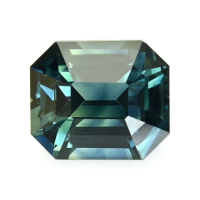
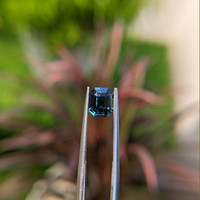
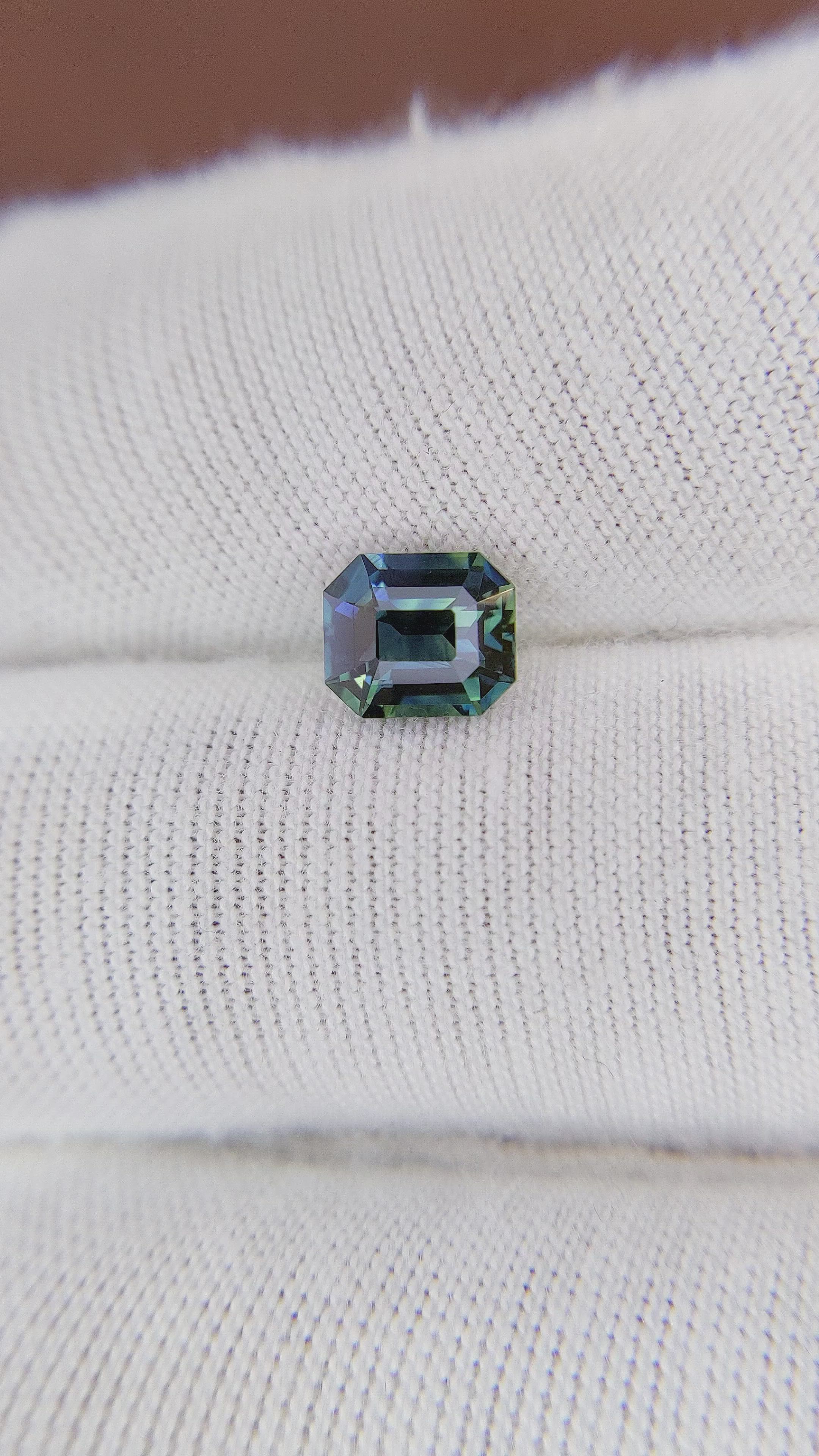
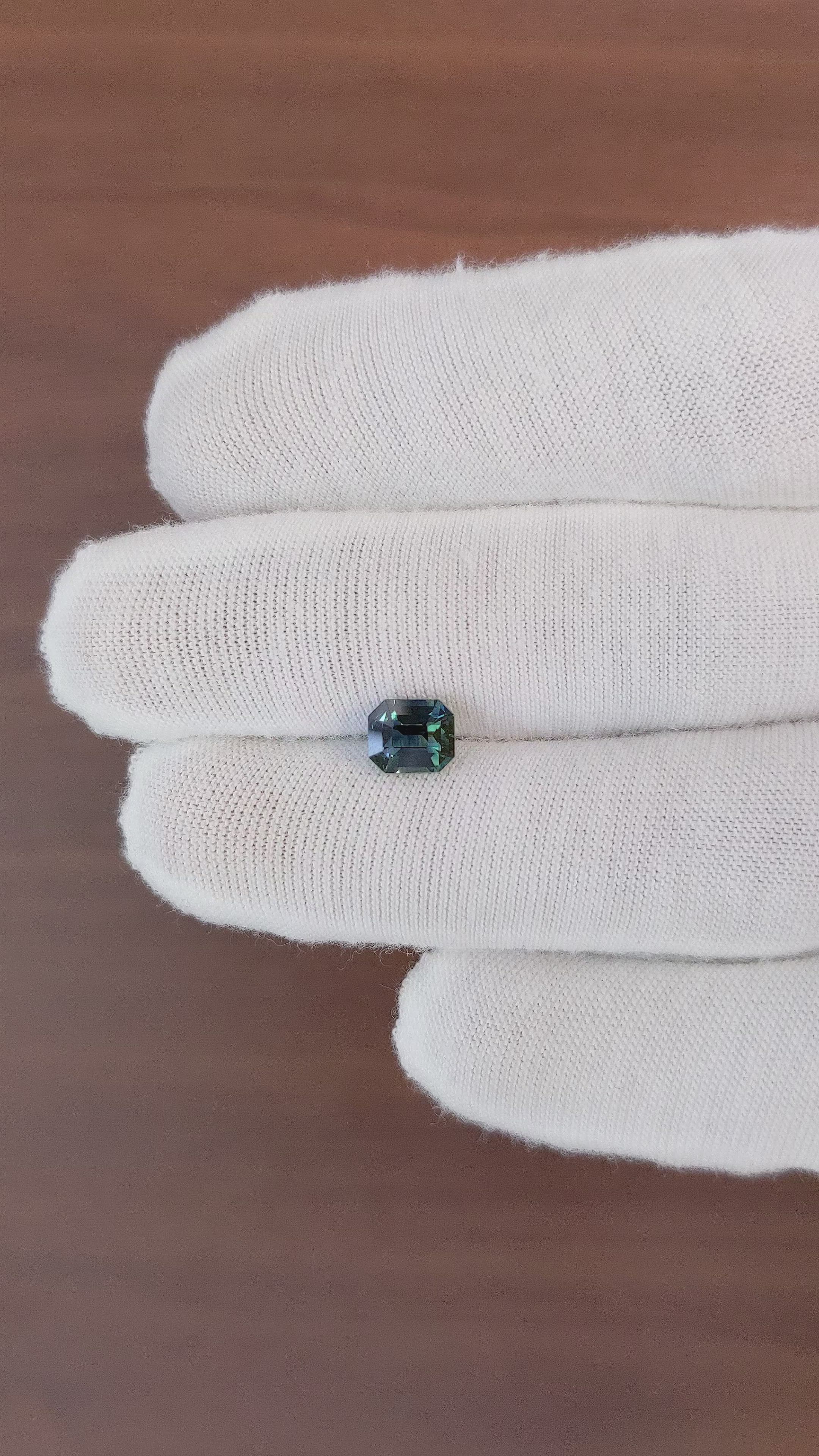
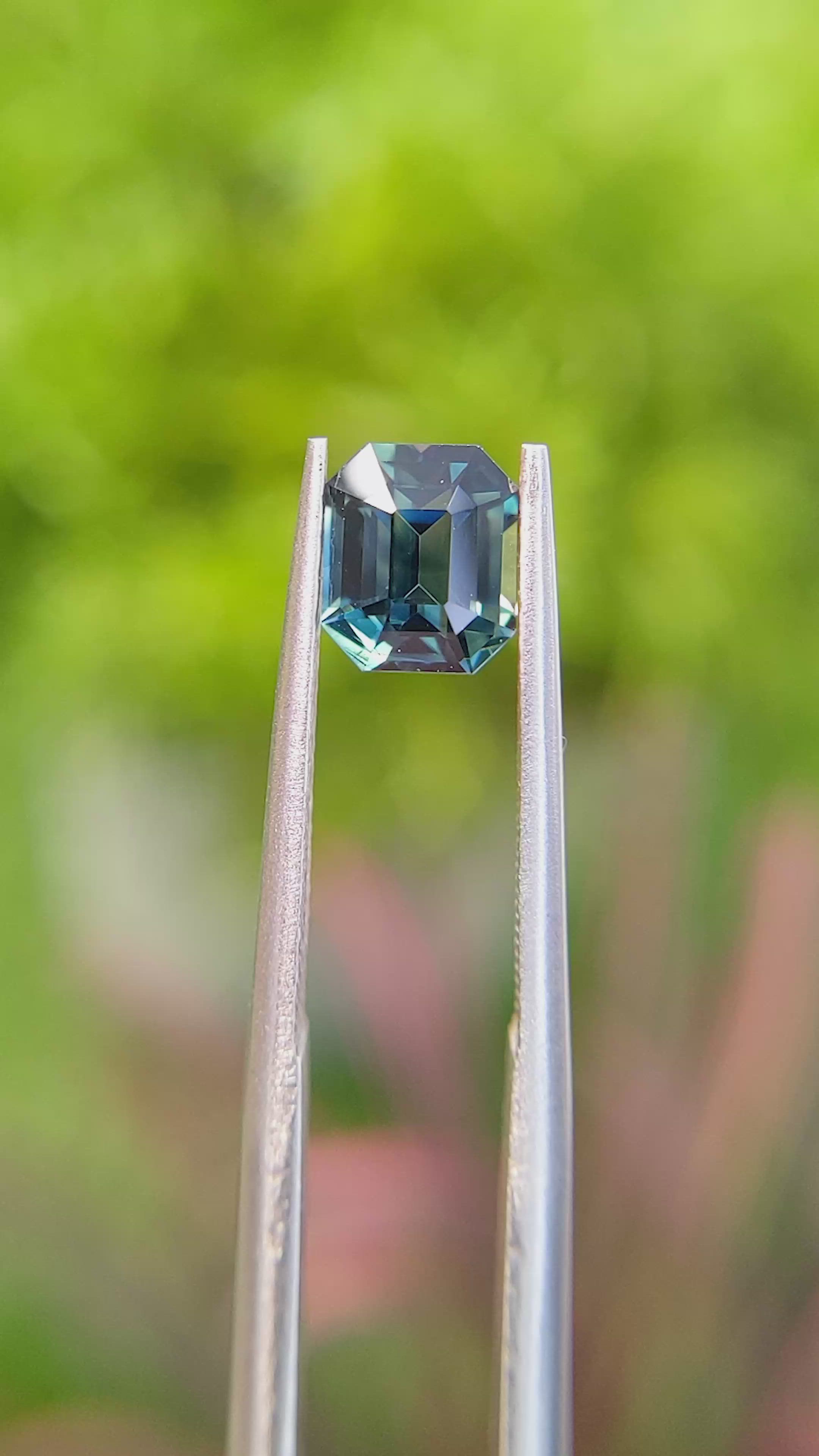



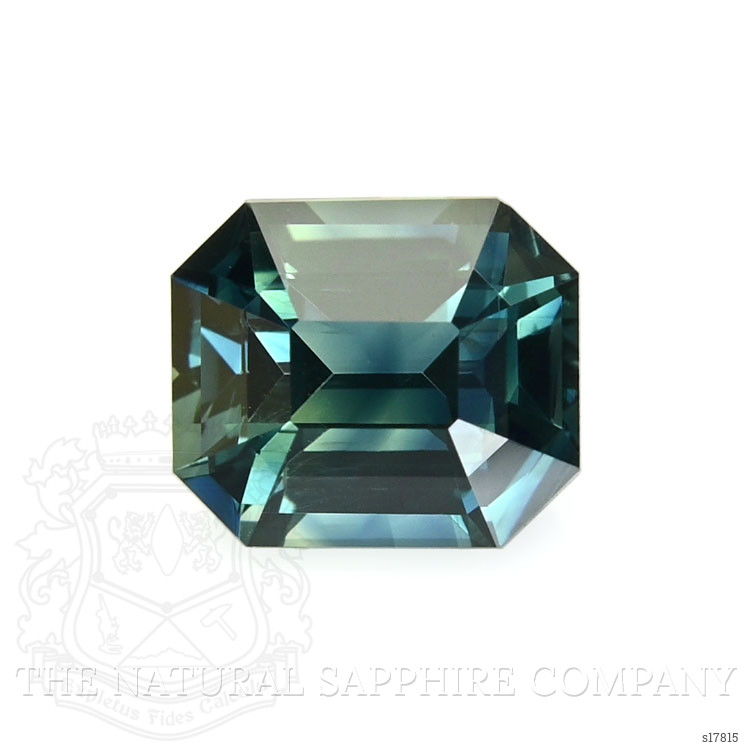
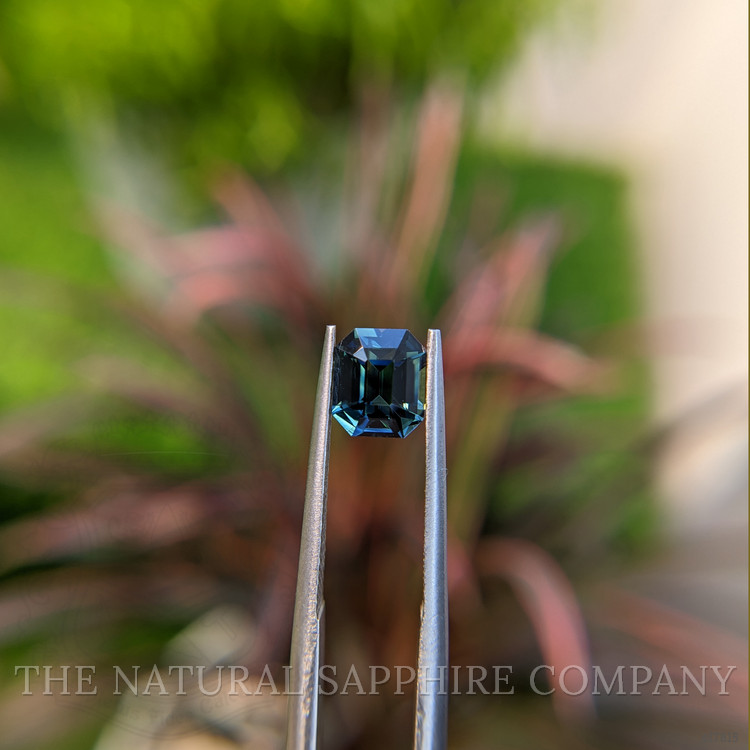


1.55 Ct. Bluish Green Sapphire from Madagascar
This loose stone ships by Sep 13
Item ID: | S17815 |
|---|---|
Dimensions (MM): help | Length: 6.7 Width: 5.71 Height: 4.27 |
Weight: | 1.55 Ct. |
Color: help | Bluish Green |
Color intensity: help | Vivid |
Clarity: help | Very Slightly Included |
Shape: help | Asscher - Octagon |
Cut: | Asscher Cut |
Cutting style: | Faceted |
Enhancements: help | Heat Treated |
Origin: help | Madagascar |
Per carat price: help | $1,300 |
This sapphire is a precisely proportioned, transparent 1.55 carat stone presented in an Asscher cut with an octagonal outline. The dimensions are 6.70 x 5.71 x 4.27 millimeters, which yield a compact profile suitable for a variety of fine jewelry settings while maintaining visual presence beyond its numerical weight. The stone displays a bluish green hue with vivid color intensity, and its finish is described as excellent polish, translating into crisp facet junctions and lively light return. The clarity grade is very slightly included, evaluated at eye level, a grade that reflects minimal internal characteristics that do not significantly interrupt the visual appeal, especially in a cut that emphasizes step facets. Heat treatment has been applied to stabilize and enhance the color, a standard and widely accepted practice within the trade, and the gem is sourced from Madagascar, an origin that is increasingly recognized for producing high quality sapphires with attractive hues.
From a gemological perspective, the combination of color, cut, clarity, and polish defines the stone's intrinsic value. The Asscher cut is a less common choice for sapphires than for diamonds, and its geometric facets emphasize color saturation and clarity rather than brilliance, which in turn places a premium on a vivid, evenly distributed hue and on clean internal appearance. The bluish green tone of this stone occupies a niche that appeals to collectors and connoisseurs seeking colors outside the typical pure blue spectrum, and the vivid intensity enhances its capacity to stand out in both contemporary and classic design contexts. The excellent polish ensures that the Asscher facets resolve with precision, reinforcing the gem's aesthetic integrity and market desirability. The declaration of heat treatment is an important disclosure, because it aligns buyer expectations with industry norms and preserves resale transparency.
Regarding investment potential, several structural factors favor durable value retention and potential appreciation. Rarity is a primary driver, and while sapphires are more available than most gemstones, sapphires that combine a desirable and unusual hue, vivid intensity, an Asscher cut, and a near eye clean clarity grade remain relatively scarce. Supply dynamics from Madagascar have been variable, influenced by mining activity, export regulations, and discovery cycles, which can constrain consistent supply of high quality material. Demand dynamics are also supportive, as colored gemstones have attracted increasing attention from collectors, designers, and investors seeking diversification away from more conventional asset classes. Heat treated stones are more common than untreated material, yet heat treated stones of superior aesthetic and clarity characteristics still command premium pricing within their treatment category, because treatment improves marketability without negating the gem's rarity. Liquidity for high quality colored stones tends to be strongest among specialized dealers, auction houses, and established private buyers, and provenance together with clear treatment disclosure, such as that provided by The Natural Sapphire Company, enhances market confidence and resale prospects.
Long term appreciation will depend on several predictable variables, including continued consumer interest in colored gemstones, changes in supply from primary producing regions, and the stone's ability to be marketed as a distinct, high quality specimen. Proper documentation of origin and treatment, conservative grading language, and professional mounting and maintenance all contribute to preserving value. From a practical standpoint, sapphires are among the harder gemstones, which supports durability in everyday wear and in heirloom circulation, thereby reducing depreciation risk tied to physical damage. For an investor or collector seeking a gemstone that balances aesthetic distinctiveness with structural durability and a clear disclosure profile, this 1.55 carat Asscher octagonal bluish green sapphire from Madagascar occupies a compelling position. The Natural Sapphire Company provides full disclosure and expert support, which are material considerations for secondary market acceptance and for the long term stewardship that underpins potential appreciation.


