
- Stone14
- Reports3


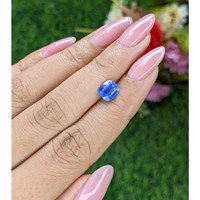

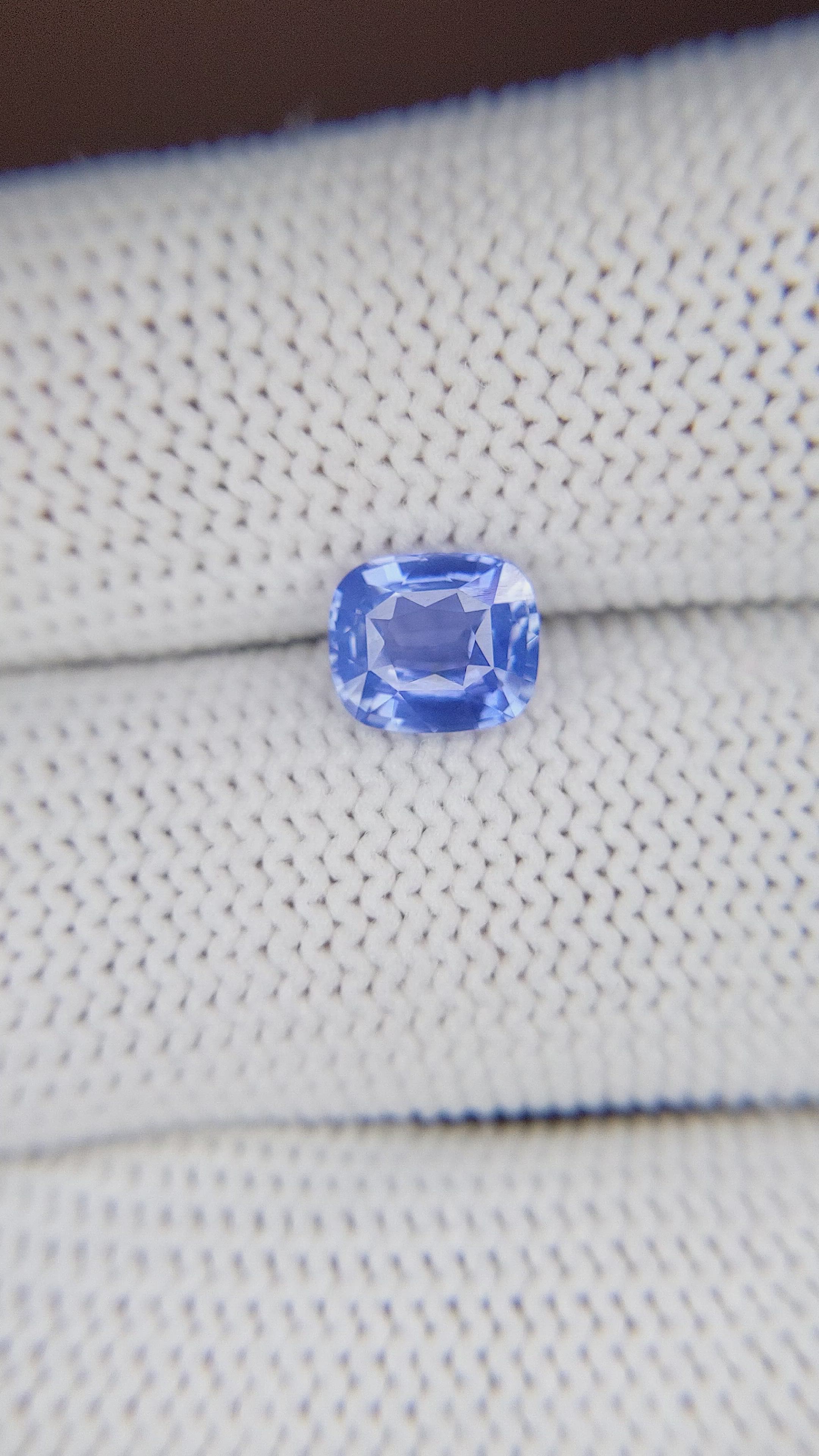
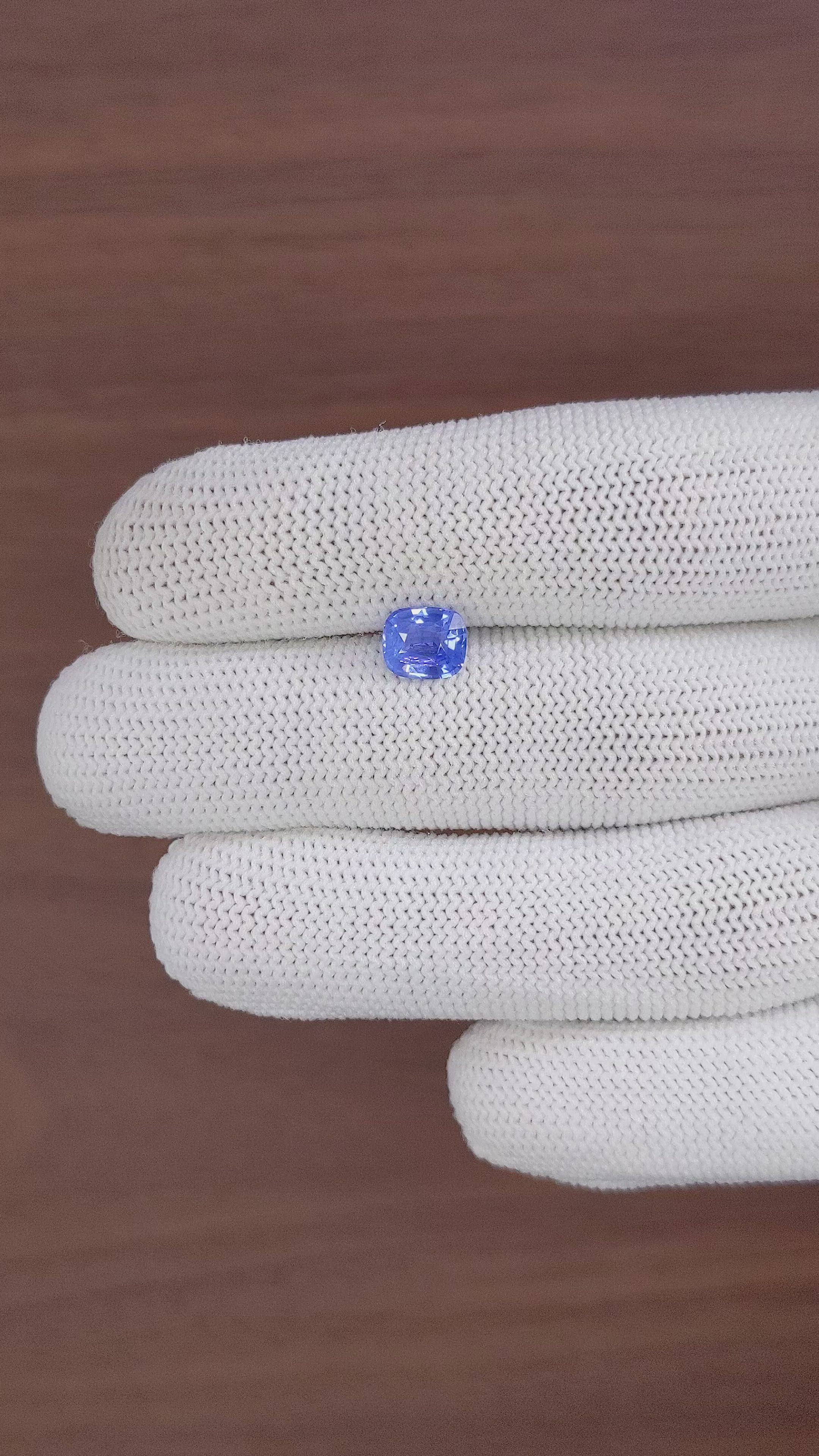
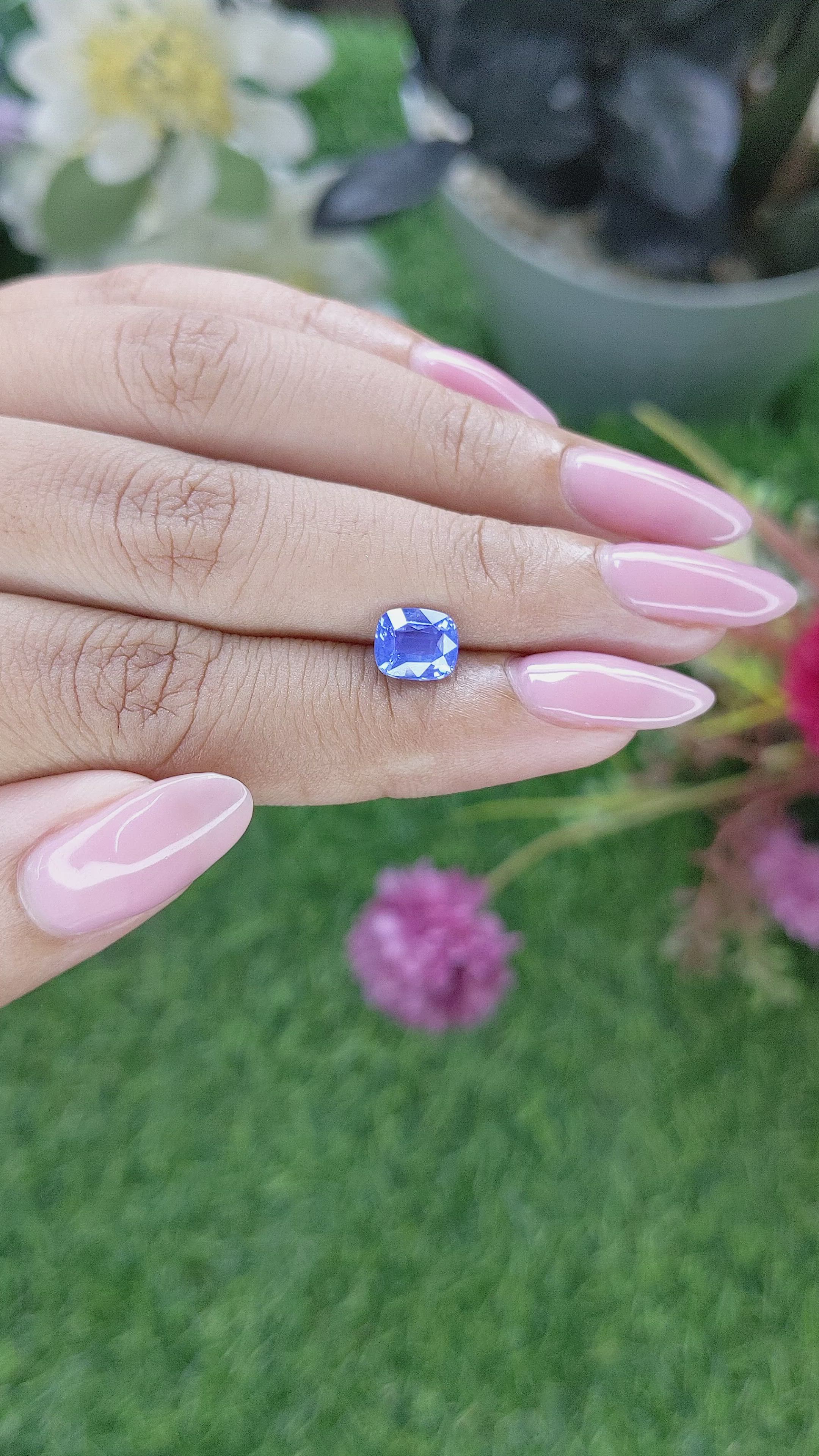
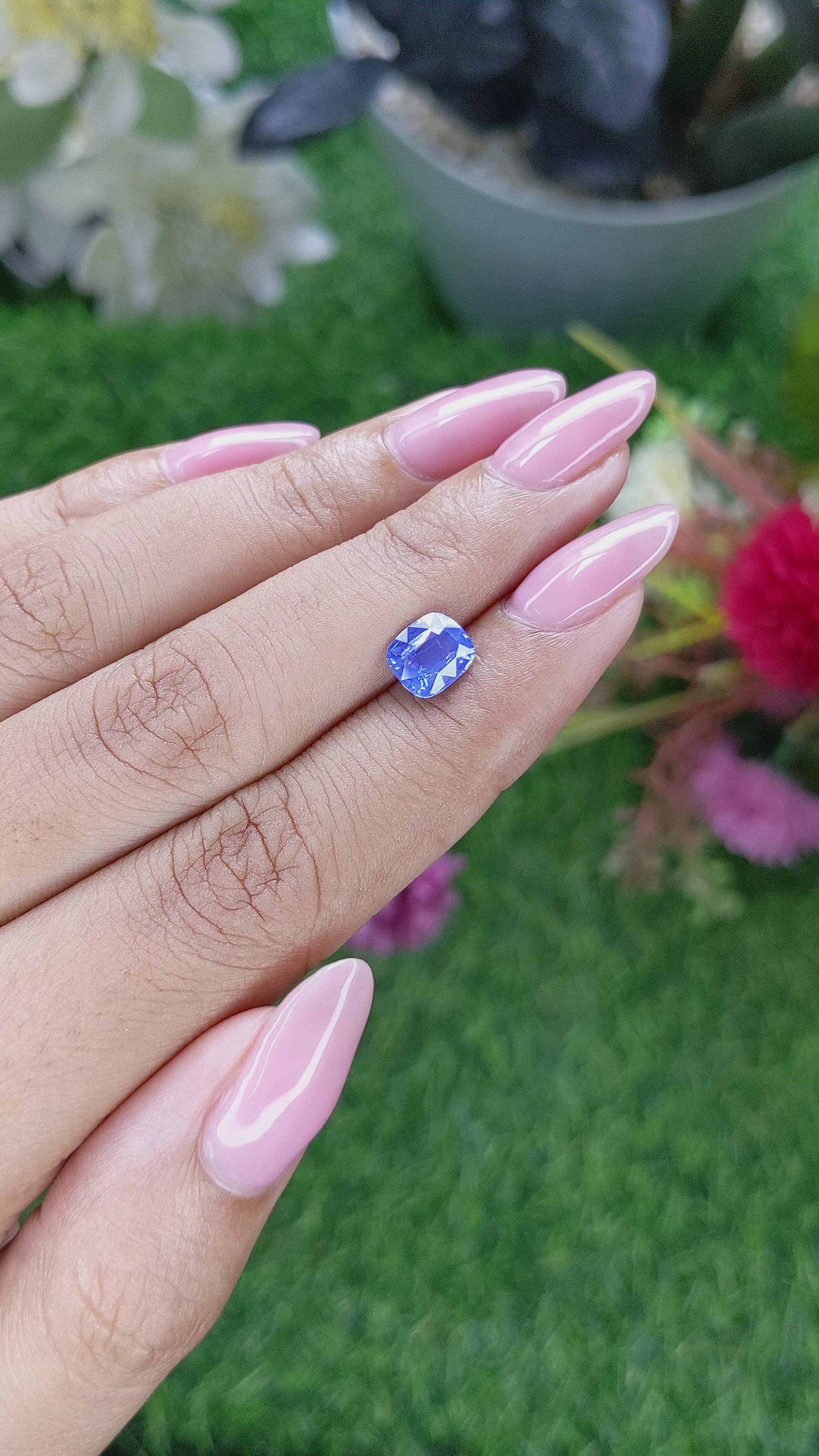
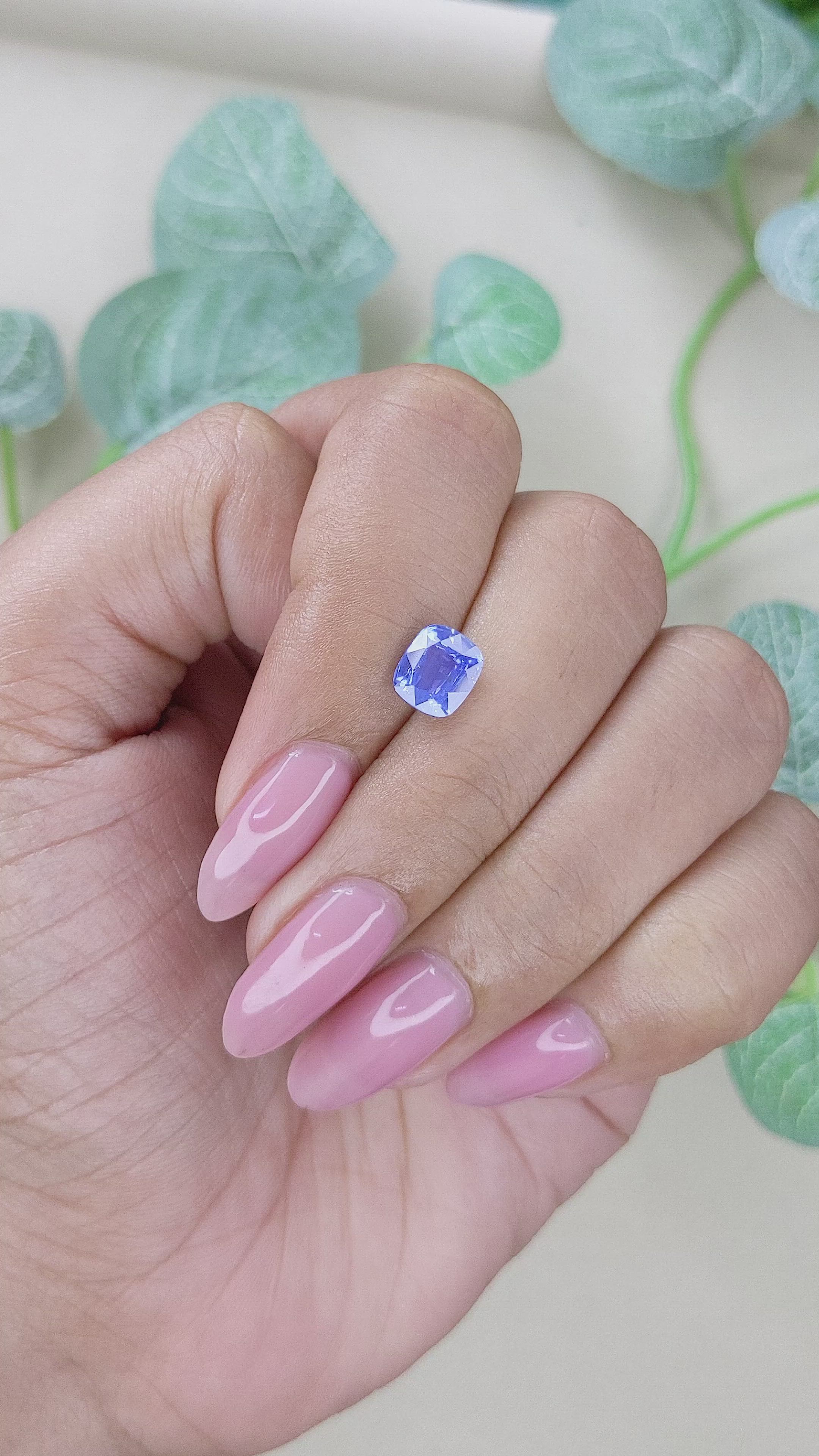




1.54 Ct. Blue Sapphire from Tanzania
This loose stone ships by Jun 29
Item ID: | S40228 |
|---|---|
Dimensions (MM): help | Length: 7.27 Width: 6.23 Height: 3.58 |
Weight: | 1.54 Ct. |
Color: help | Blue |
Color intensity: help | Medium |
Clarity: help | Very Slightly Included |
Shape: help | Cushion |
Cut: | Mixed Brilliant Cut |
Cutting style: | Faceted |
Enhancements: help | No Enhancement |
Origin: help | Tanzania |
Per carat price: help | $1,688 |
This transparent blue sapphire weighs 1.54 carats and presents a classic cushion shape with well balanced proportions. The faceting follows a mixed brilliant cut, combining pavilion and crown facets to enhance brilliance and return of light. The stone measures 7.27 x 6.23 x 3.58 mm, making it an excellent size for a center gem in a ring, or an elegant focal point in a pendant. Clarity is graded as very slightly included, evaluated at eye level, which indicates minor internal characteristics that do not detract from the gem s overall visual appeal. Color is medium in intensity, exhibiting a clear, even blue tone across the table and crown, and the surface shows an excellent polish that contributes to crisp facet delineation. This sapphire carries no enhancement, a notable attribute that preserves its natural state and intrinsic value. The documented origin is Tanzania, a source known for producing sapphires with clean tones and reliable crystal quality. This gem is offered by The Natural Sapphire Company, and the provided specifications reflect our commitment to clear, precise gemological information.
The mixed brilliant cut of this cushion sapphire has been executed to balance sparkle and color saturation, allowing both scintillation and a pleasing spread of blue across the face of the gem. With the pavilion facets arranged to maximize light return, the stone presents lively flashes of white brilliance and controlled color zoning, which is desirable in classic blue sapphires. The medium color intensity allows the gem to be versatile in metal settings, showing attractive presence in both white and yellow precious metals without appearing overly dark under indoor lighting. The very slightly included clarity grade evaluated at eye level confirms that the inclusions are minimal and generally not intrusive to the naked eye, while still confirming natural origin and character. The excellent polish enhances facet crispness and surface luster, improving overall optical performance. Given its dimensions and cut characteristics, this sapphire is suitable for a range of jewelry designs, including solitaire rings, halo settings where the stone can be accentuated by fine melee, and bespoke pieces that require a high quality, natural center stone.
Beyond its measurable gemological qualities, blue sapphire carries a long history of cultural and metaphysical associations, and many wearers seek this stone for attributes traditionally associated with clarity, insight, and calm. Historically and across contemporary crystal practices, blue sapphire is believed to support mental focus and disciplined thought, aiding in decision making and the pursuit of truth. It is commonly linked to the throat and third eye chakras in esoteric systems, where it is said to enhance communication, strengthen intuition, and facilitate a clearer expression of inner knowledge. Practitioners who work with stones often report that blue sapphire helps to steady emotions and reduce mental agitation, promoting a composed and centered state during times of stress. In addition, sapphire has been associated with protection and long term prosperity, qualities that have made it a favored choice for heirloom and commitment pieces. These metaphysical attributes are matters of personal belief and subjective experience, and they complement rather than replace the gemological merits of the stone. The Natural Sapphire Company provides this Tanzanian sapphire with full disclosure of its physical characteristics, allowing clients to consider both its measured qualities and its traditional associations when selecting a stone.


