- Stone12
- Reports3

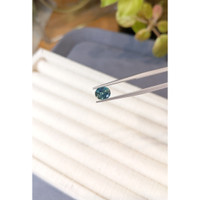
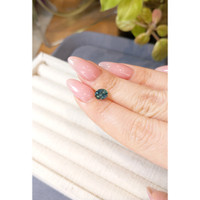
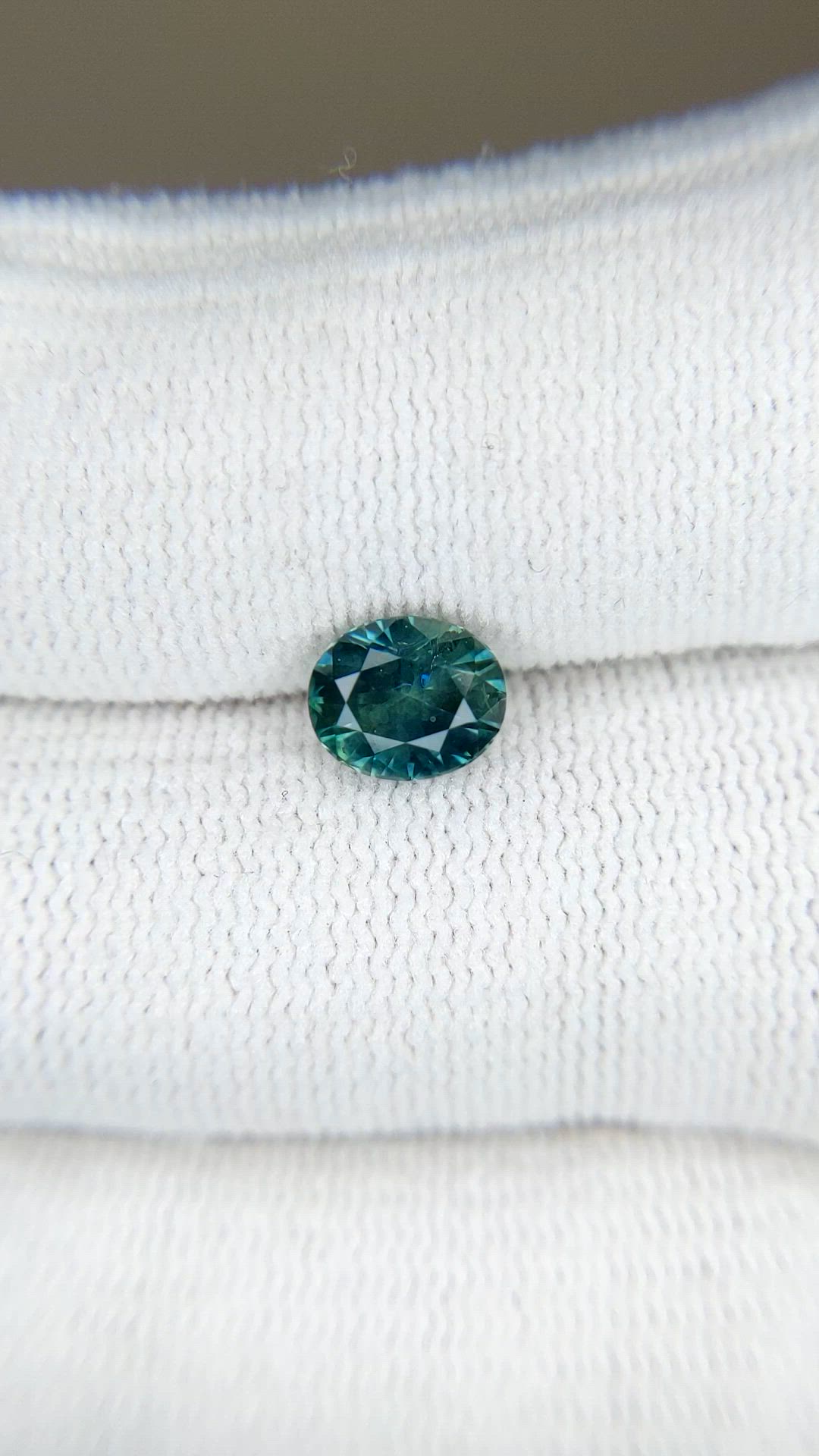
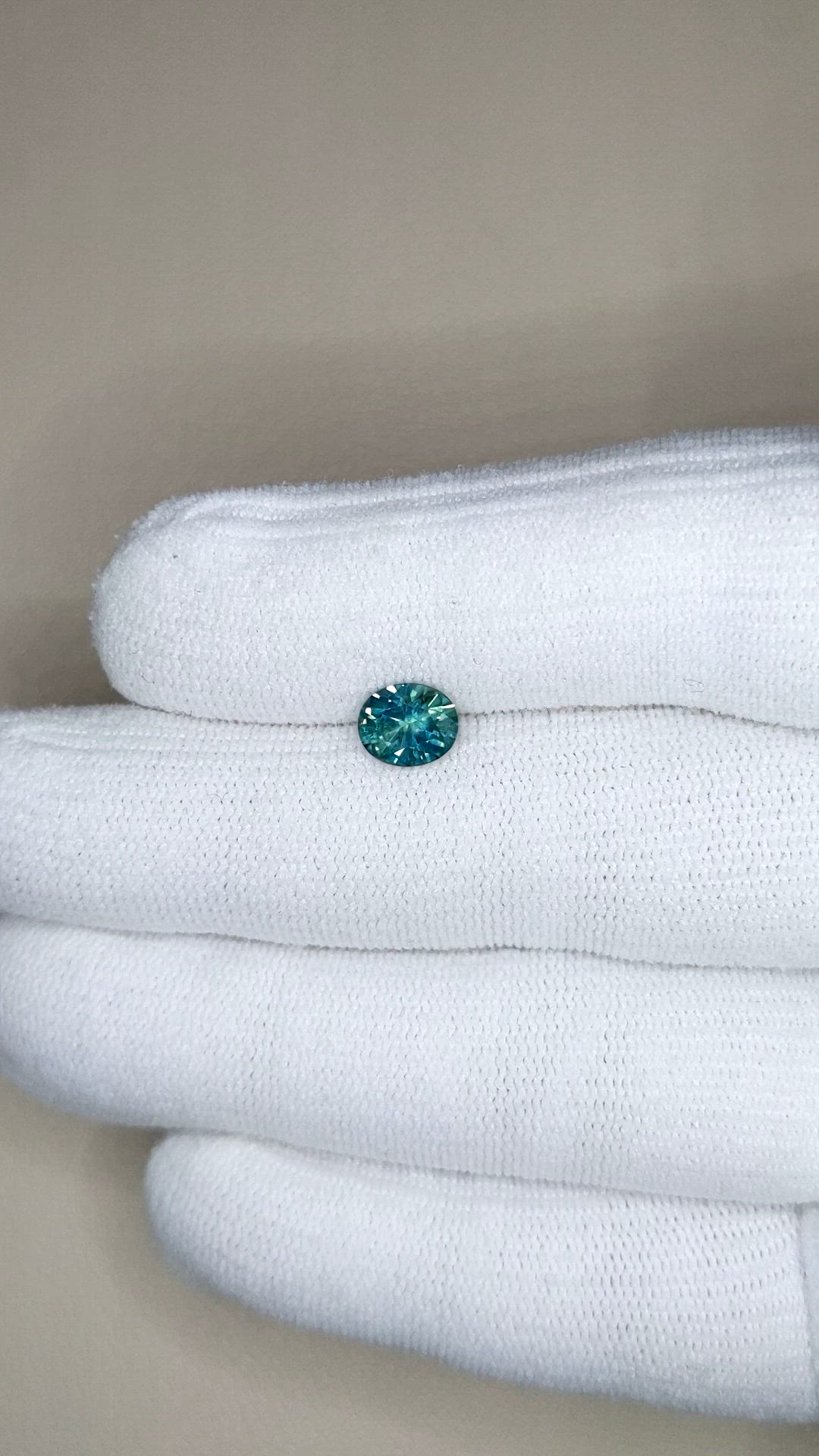
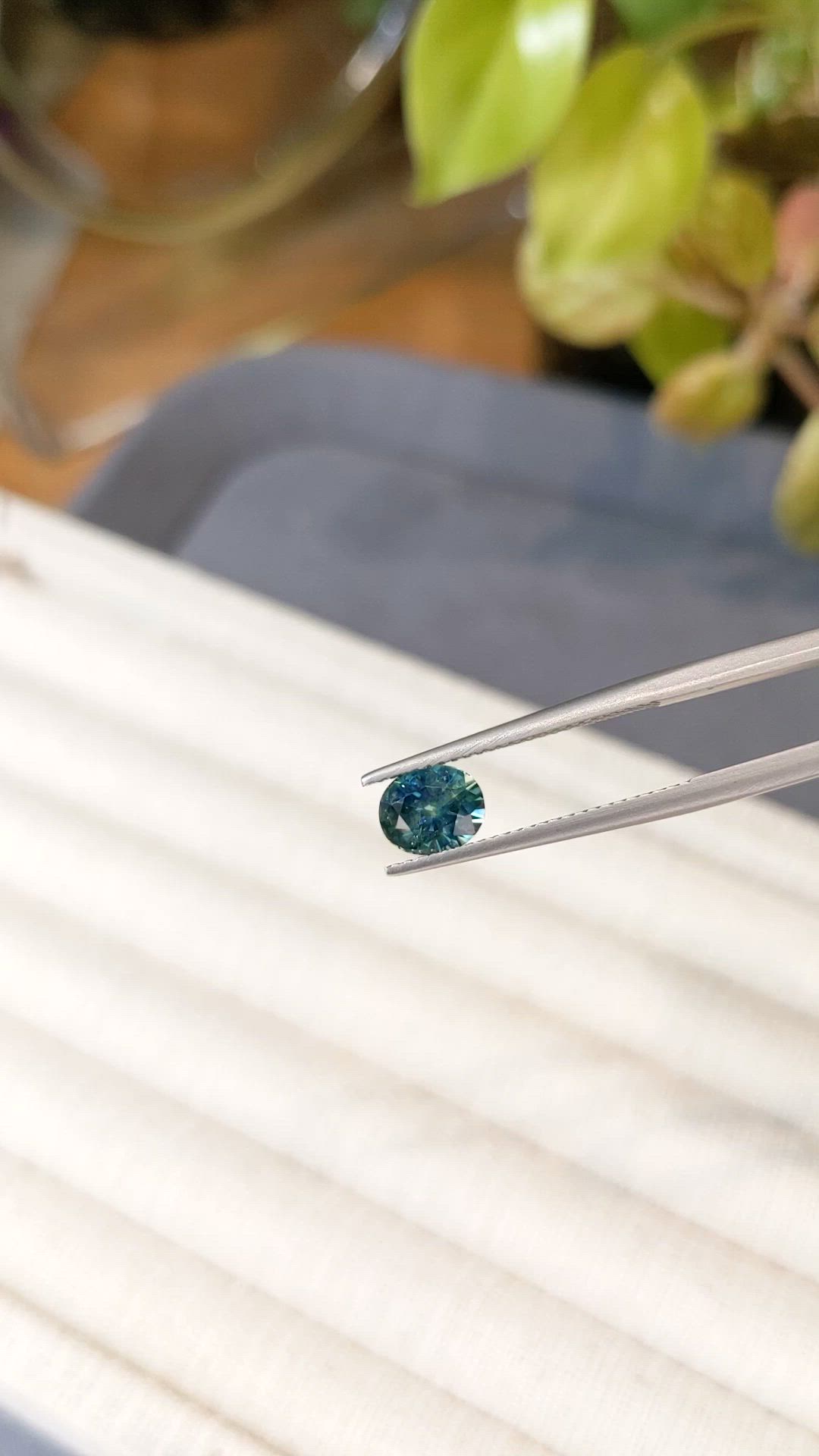
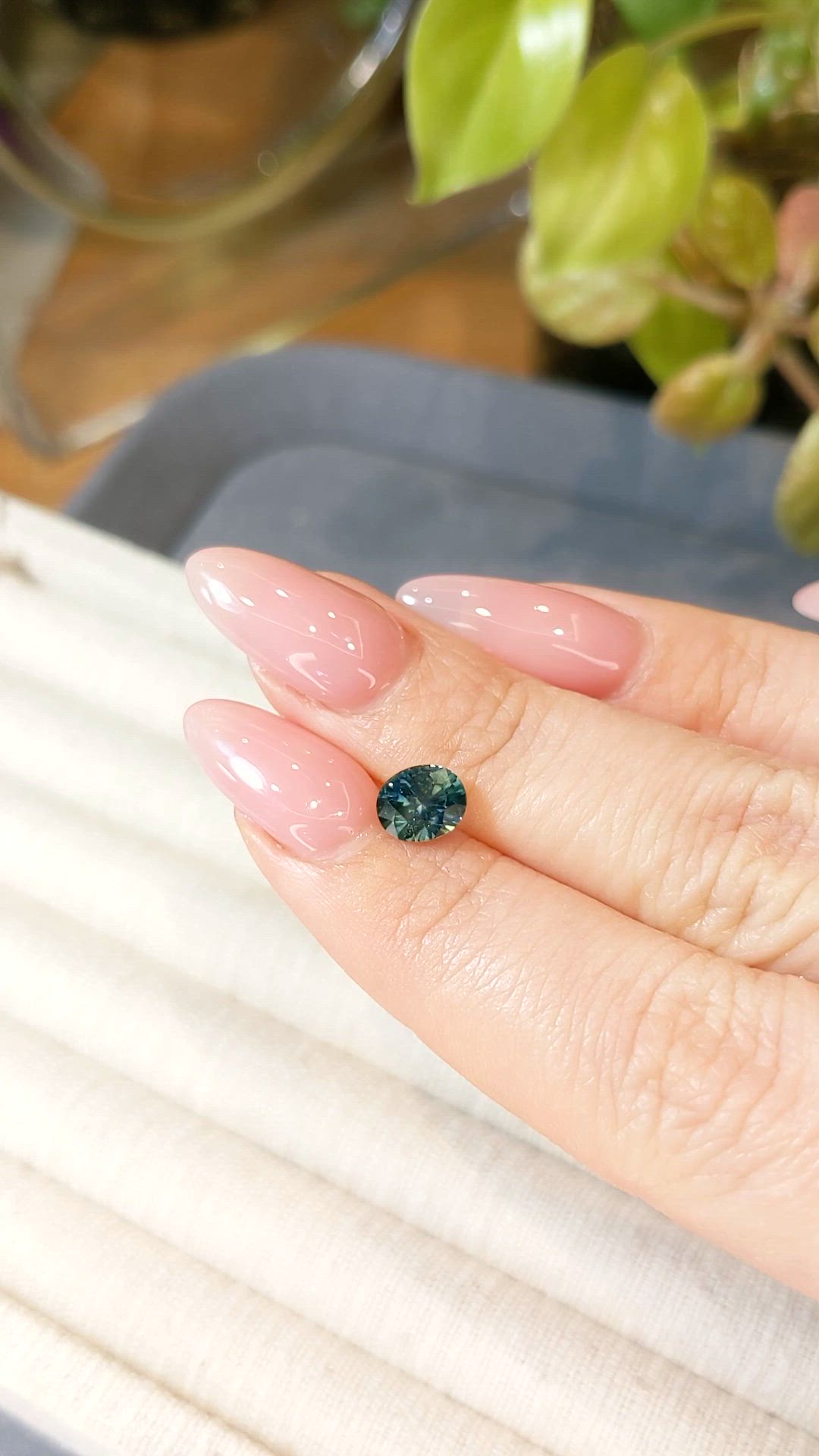



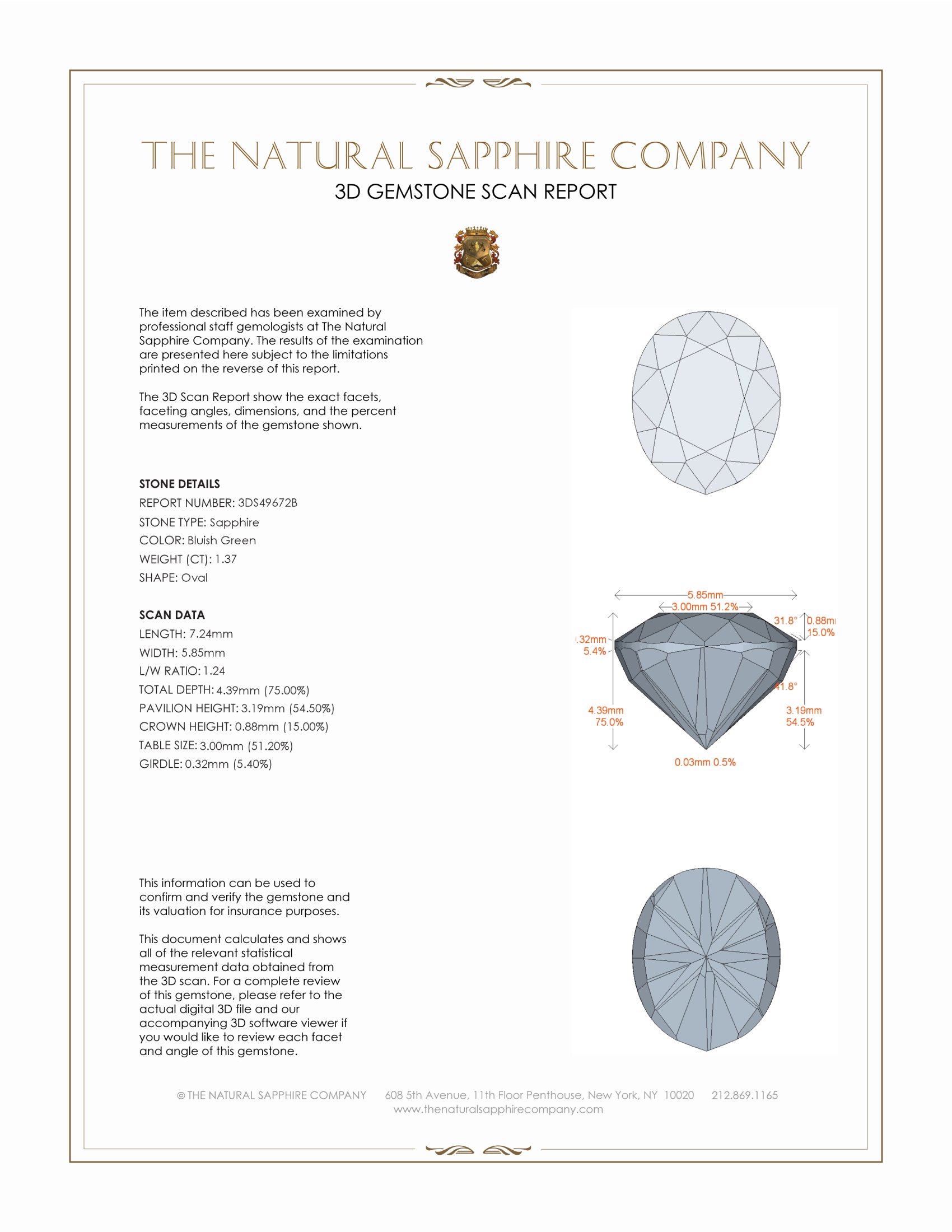
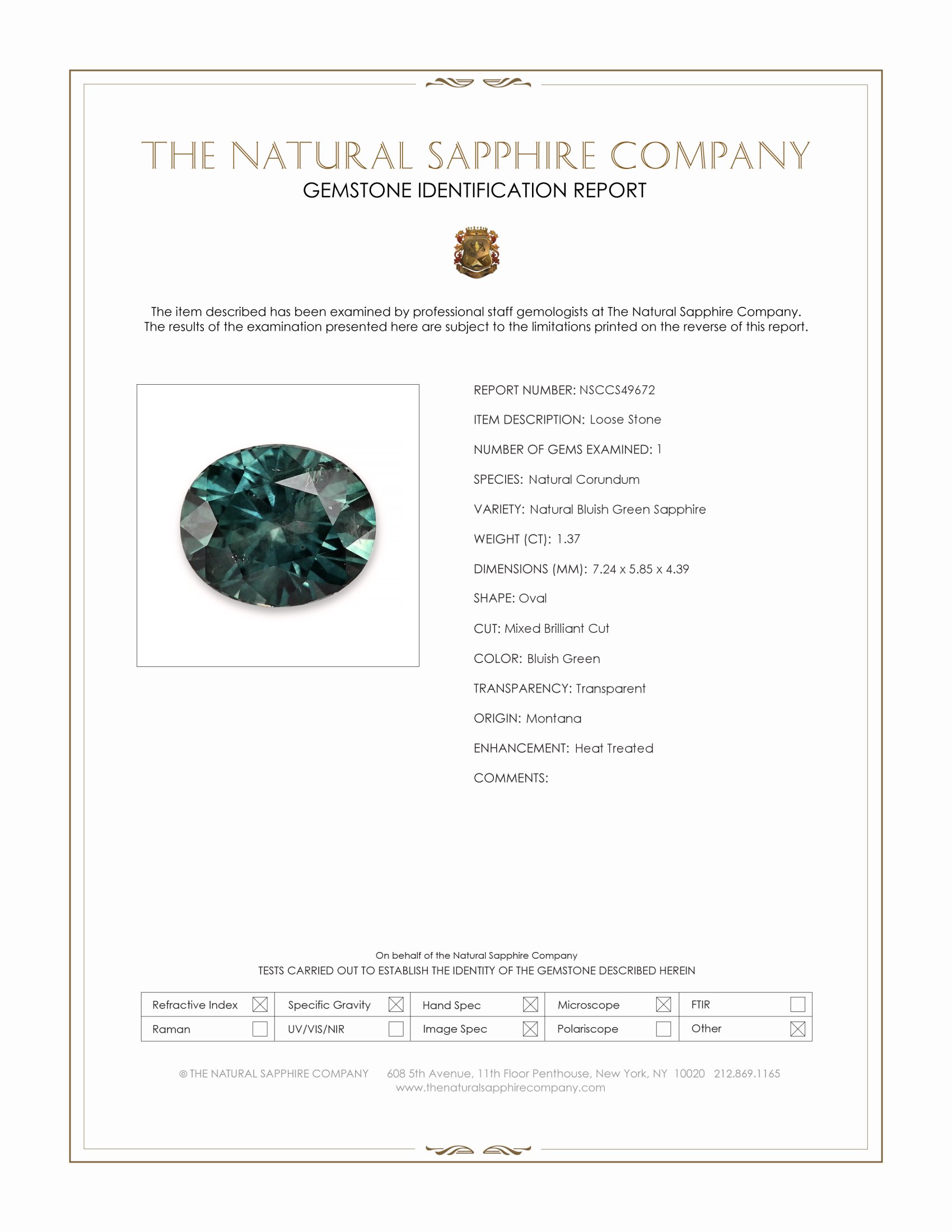
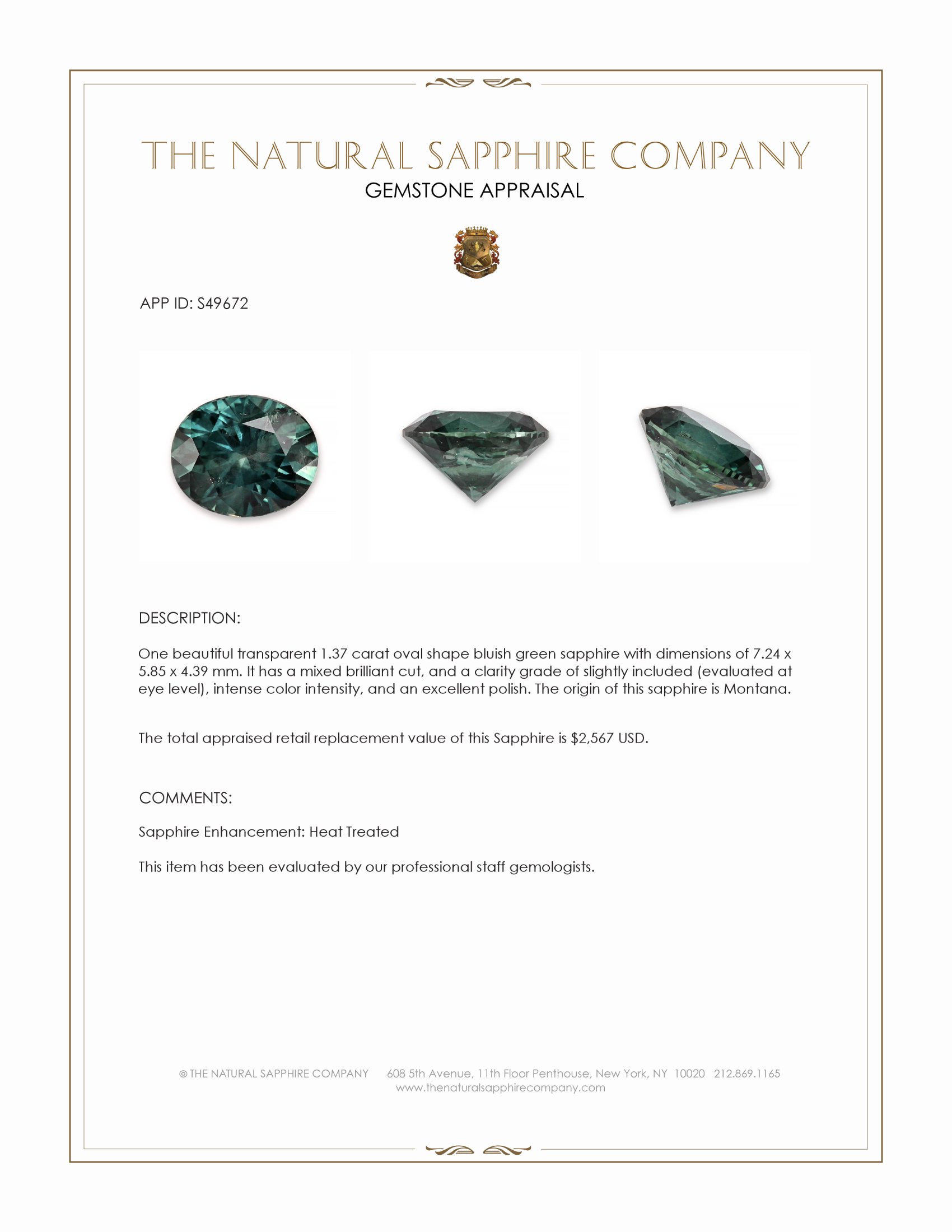
1.37 Ct. Bluish Green Sapphire from Montana
This loose stone is available to ship now
Item ID: | S49672 |
|---|---|
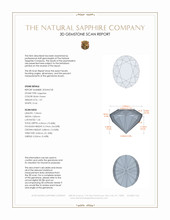
Dimensions (MM): help | Length: 7.24 Width: 5.85 Height: 4.39 |
Weight: | 1.37 Ct. |
Color: help | Bluish Green |
Color intensity: help | Intense |
Clarity: help | Slightly Included |
Shape: help | Oval |
Cut: | Mixed Brilliant Cut |
Cutting style: | Faceted |
Enhancements: help | Heat Treated |
Origin: help | Montana |
Per carat price: help | $1,874 |
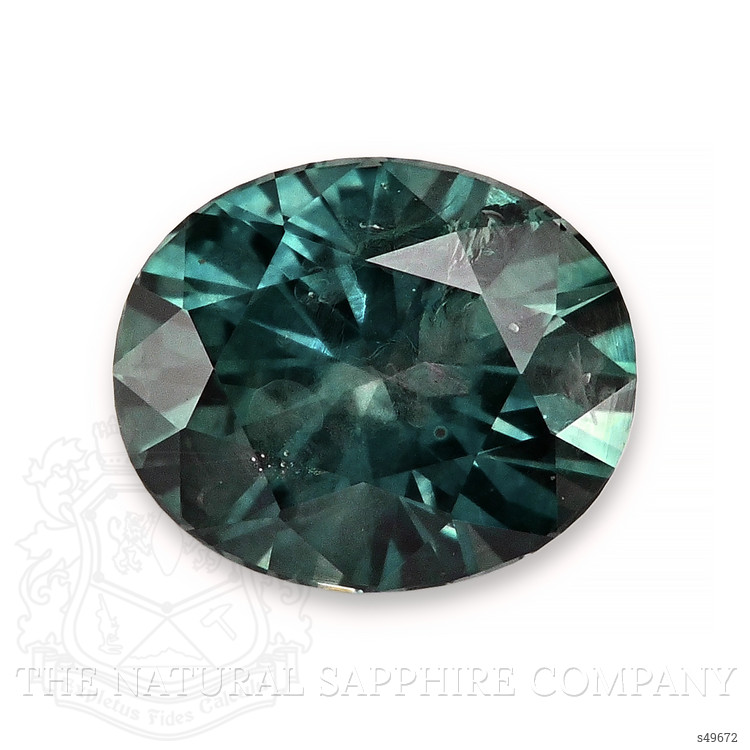
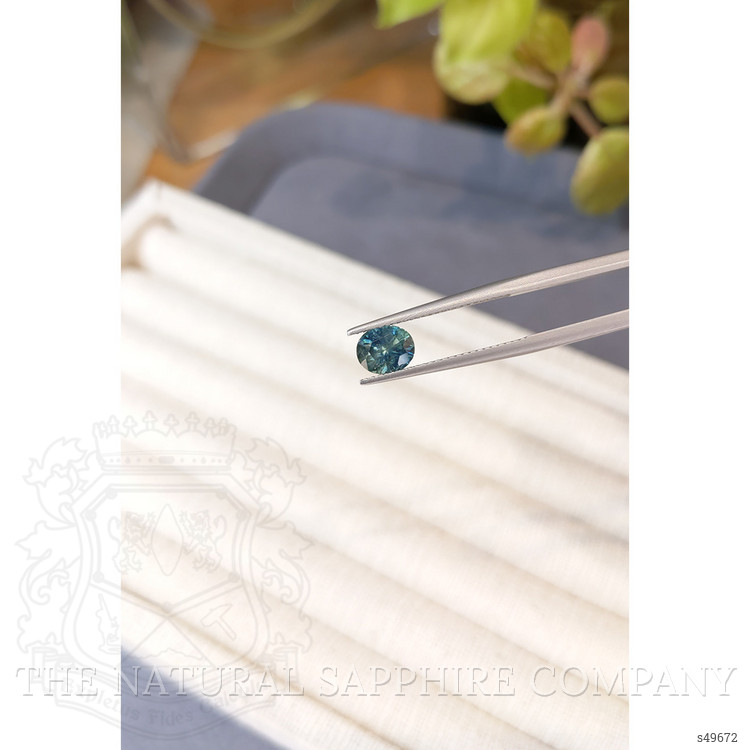
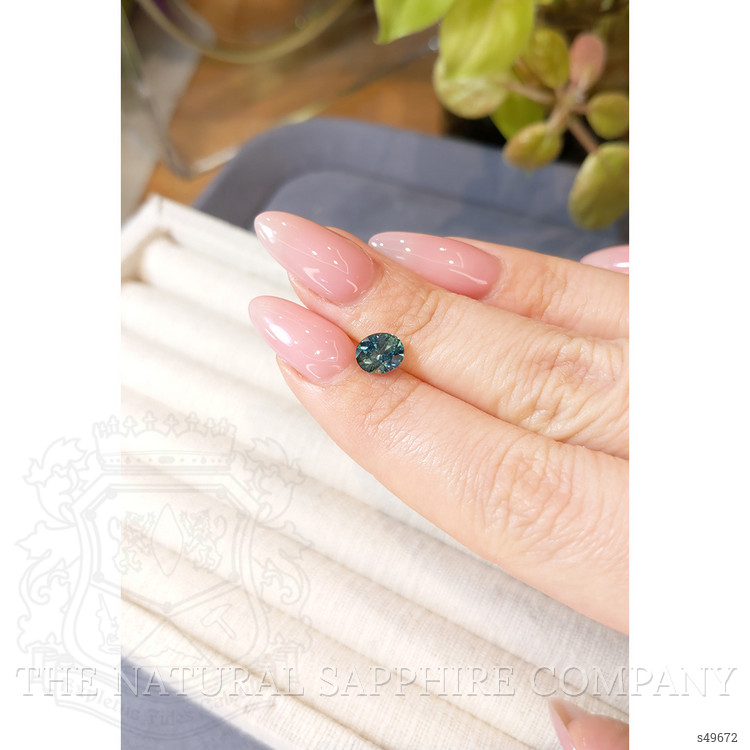
This transparent oval sapphire weighs 1.37 carats, with precise dimensions of 7.24 by 5.85 by 4.39 millimeters, presenting a classic oval outline that balances size and wearability. The color is a bluish green of intense saturation, delivering a teal leaning tone that reads richly in both warm and cool light. The cutting style is faceted, executed as a mixed brilliant cut, which places a crown of brilliant style facets over a pavilion that blends step and brilliant elements. This approach yields a pleasing face up appearance in this size range. The clarity grade is slightly included when evaluated at eye level, meaning that inclusions are present but do not dominate the gem or dramatically reduce its overall transparency. The surface finish is described as excellent polish, allowing facet junctions to appear sharp and light to pass with minimal surface diffusion. This example has been heat treated, a standard and stable enhancement for sapphires that optimizes hue and reduces the visibility of some internal characteristics. The reported origin is Montana, a source noted for its cool, teal to bluish green sapphires, and the stone is offered by The Natural Sapphire Company.
The mixed brilliant cut of this oval sapphire is a deliberate choice to balance color saturation and light performance. The crown facets disperse and reflect incoming light to create scintillation across the table, while the pavilion design returns light in a way that supports the stone value of its intense color. Because the gem exhibits slight inclusions, the cutter has maintained proportions that prioritize color and depth of tone rather than pushing for maximum pavilion return alone. The excellent polish enhances contrast between bright flashes and darker facet windows, contributing to lively play as the stone moves. Pleochroism, an optical property present in many sapphires, is observable here as shifts between blue and green directions as the viewing angle changes, adding dynamic color variance that is characteristic of Montana material. Heat treatment has been applied to stabilize and intensify the hue. This treatment is conventional within the trade, and on a well polished, mixed brilliant cut sapphire of these proportions, it serves to harmonize color distribution and improve face up appeal without affecting durability.
When compared to other gemstones within the sapphire category, the reflective qualities of this Montana bluish green sapphire are distinctive. Against Sri Lankan, also known as Ceylon, sapphires that often present a lighter, more overtly brilliant blue, this Montana example reads deeper and more muted, with less overt contrast but more subtle internal color dynamics. Compared with classic Kashmir and Burmese sapphires that can show a velvety, densely saturated blue and higher apparent depth, the Montana stone tends to present a slightly cooler teal, and its reflections can include green flashes that are less common in those historic sources. Against spinel of similar color, the sapphire will typically show stronger pleochroism and a slightly higher refractive index, which translates to a different quality of light return. Spinel tends to display uniformly lively brilliance with fewer color shifts, while tourmaline with similar teal tones often has a lower refractive index and exhibits a softer, less exuberant sparkle. Beryl family stones like emerald and aquamarine will typically show lower overall brilliance and a flatter reflected light profile due to their lower refractive index. In practical terms for a wearer, this Montana sapphire offers a restrained but rich reflective character, combining flashes of bright brilliance with deeper, color saturated windows, a balance that differs from the more aggressively brilliant or uniformly velvety appearances found among other regional sapphire types and among other gem species.
This sapphire is well suited for settings that allow light access from the top and sides, where the mixed brilliant cut can best translate internal reflections into apparent brightness. Prong settings that expose the girdle while securing the stone at a minimal number of contact points will let the tableau of blue and green reflections engage with ambient light. Bezel settings will emphasize the color and protect the girdle but will reduce visible scintillation. Given its slightly included clarity grade, a setting that masks or distracts from minor inclusions may be considered if the design priority is visual uniformity. Heat treated sapphires require the same general care as untreated sapphires, avoid abrasive cleaners and sudden temperature shocks, and periodic professional cleaning will preserve surface polish and light return. At The Natural Sapphire Company we document important attributes including carat weight, dimensions, cut style, clarity assessment, color intensity, enhancement, and origin information so that you have a clear and factual record. If desired, we can discuss setting options that best showcase the stone, and we can provide additional imagery and detailed viewing notes to assist in selection, ensuring that the sapphire performs as expected when set in finished jewelry.


