
- Stone11
- Reports3

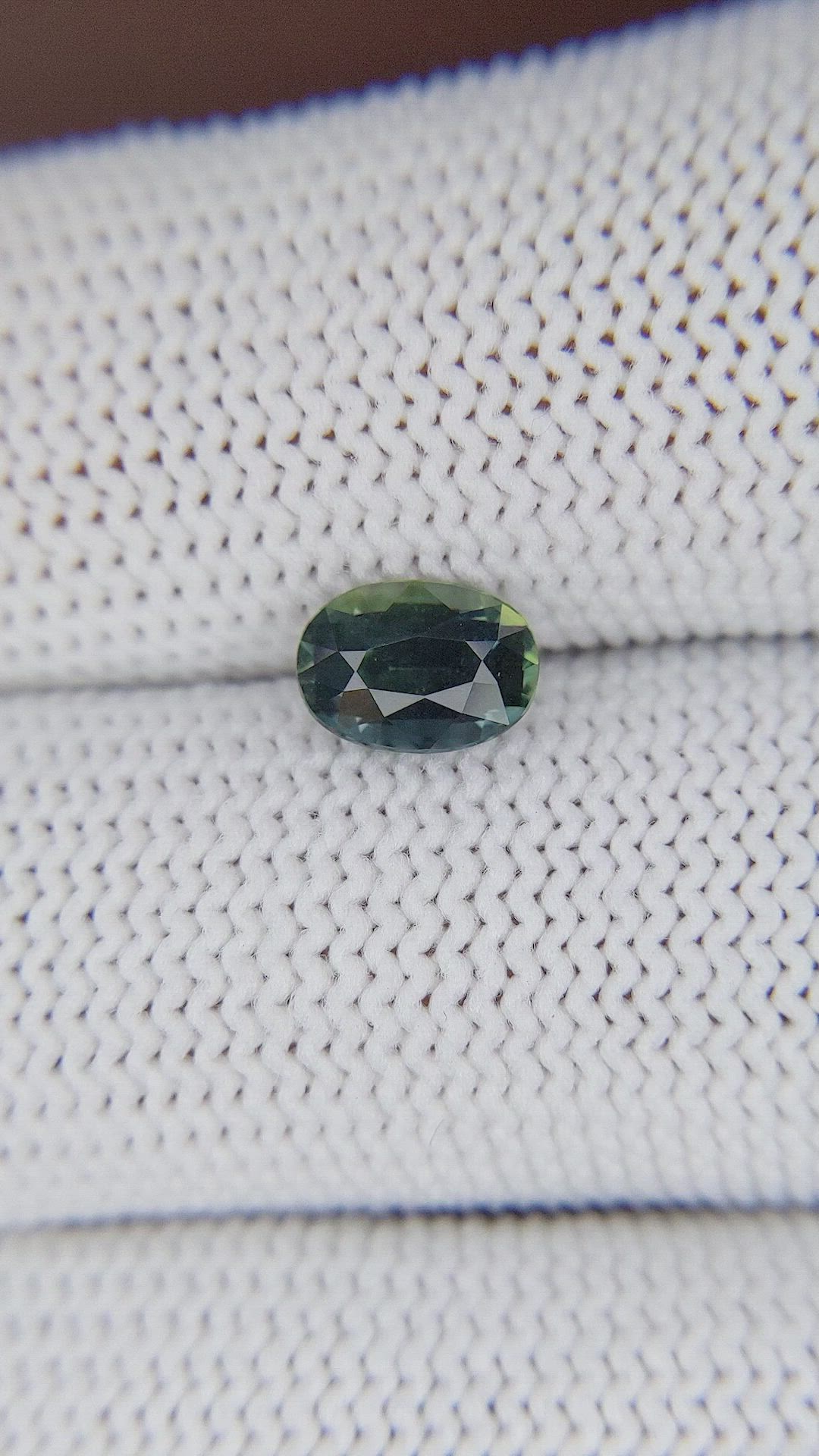
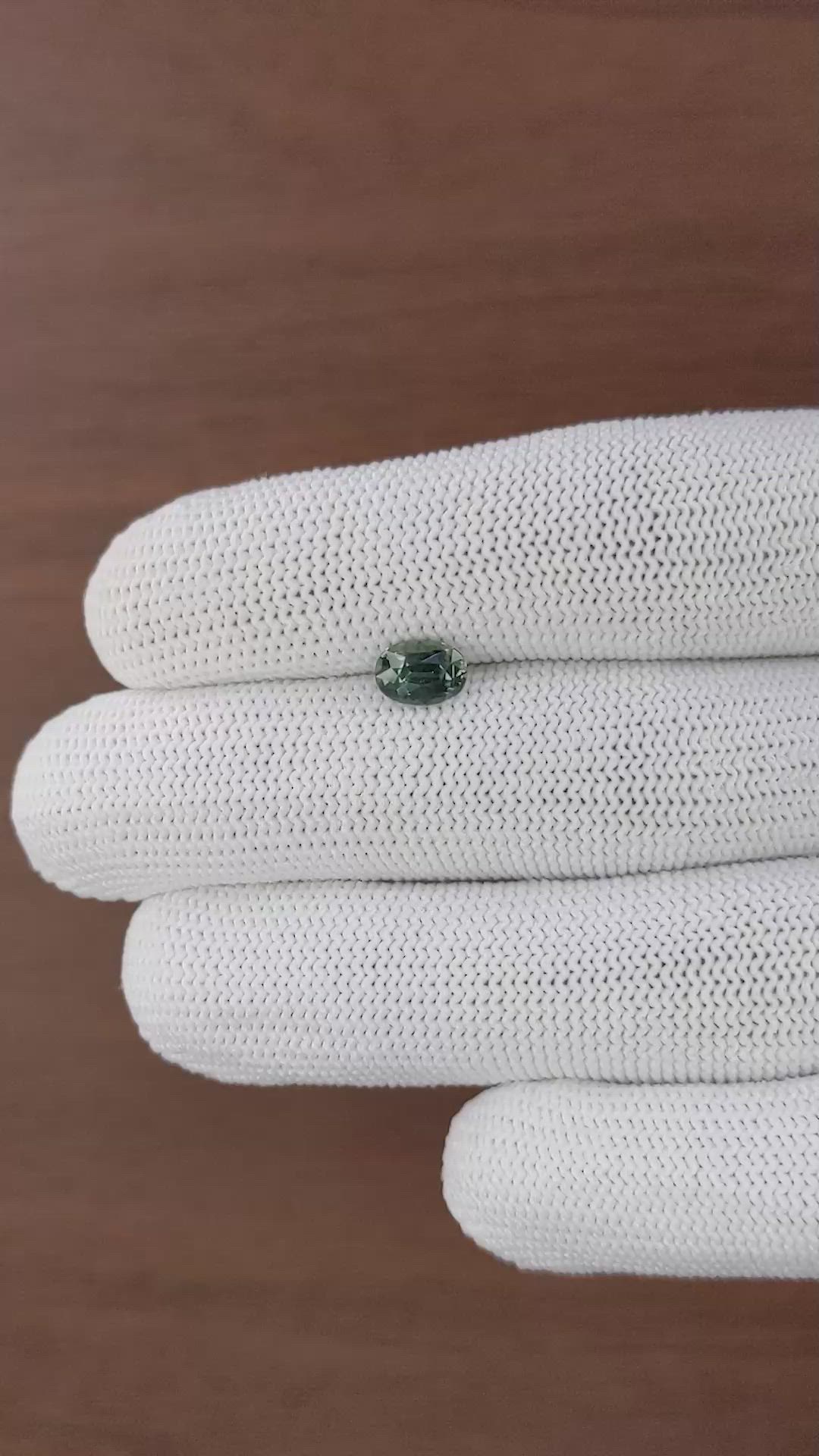
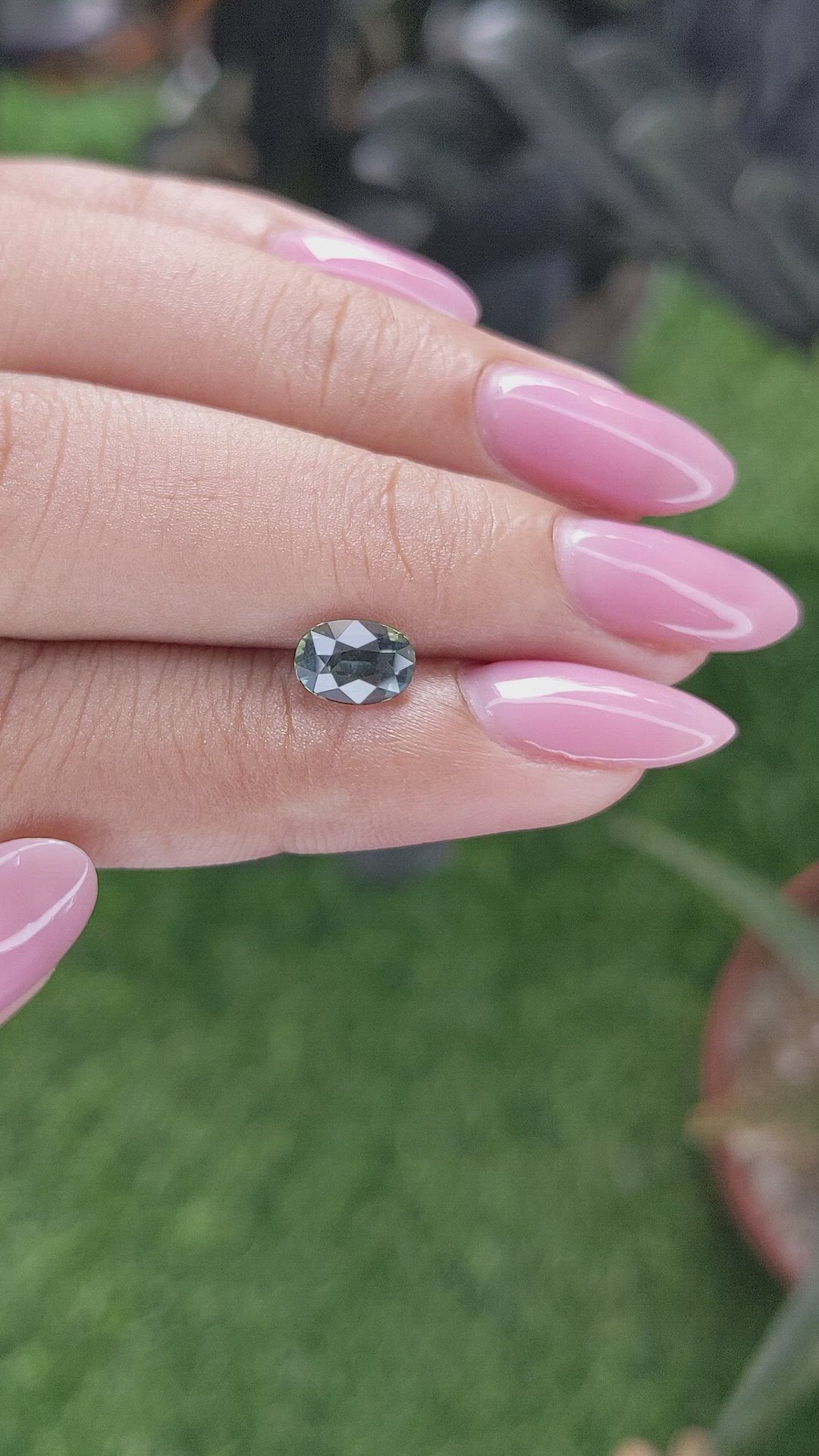
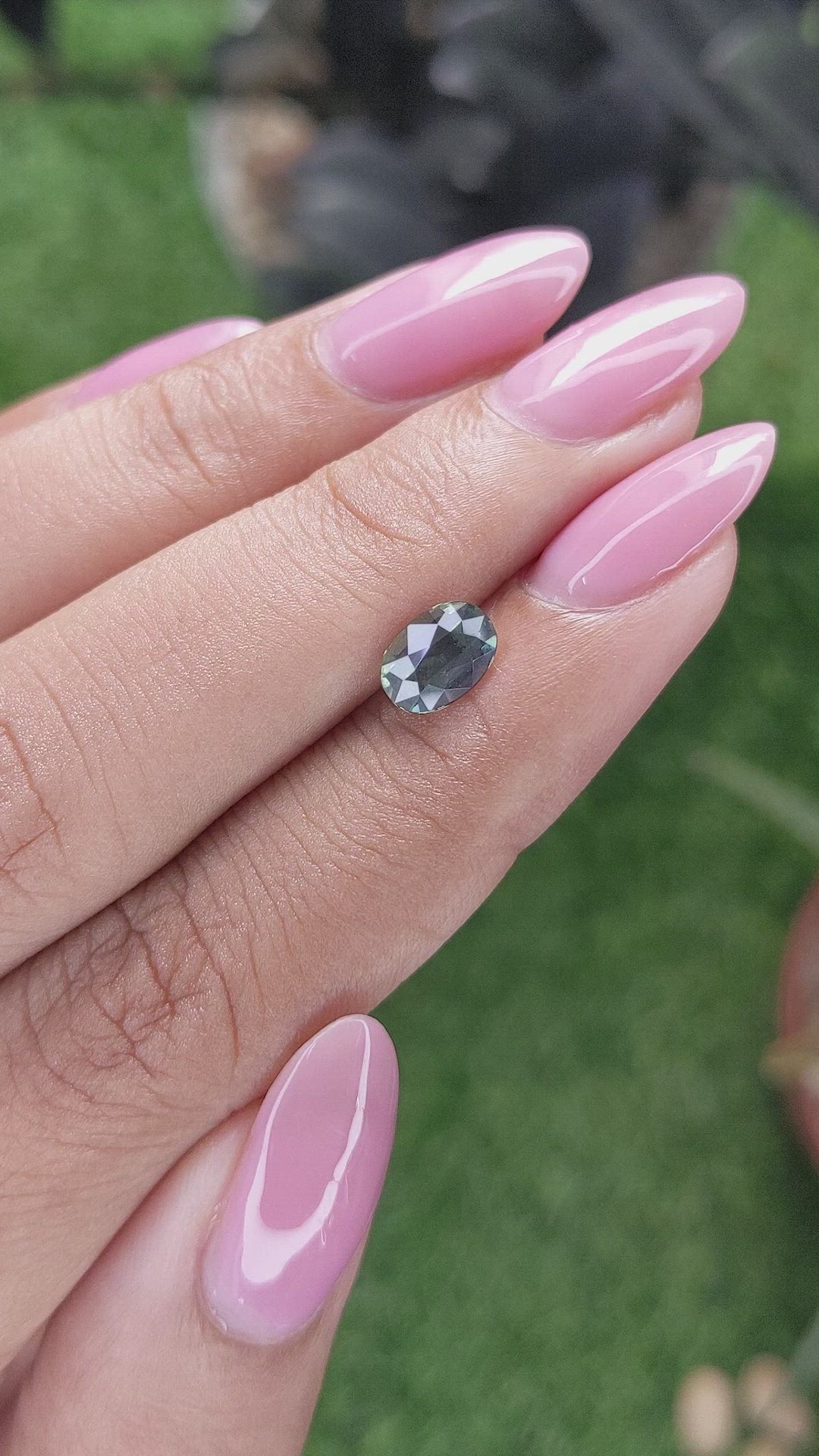
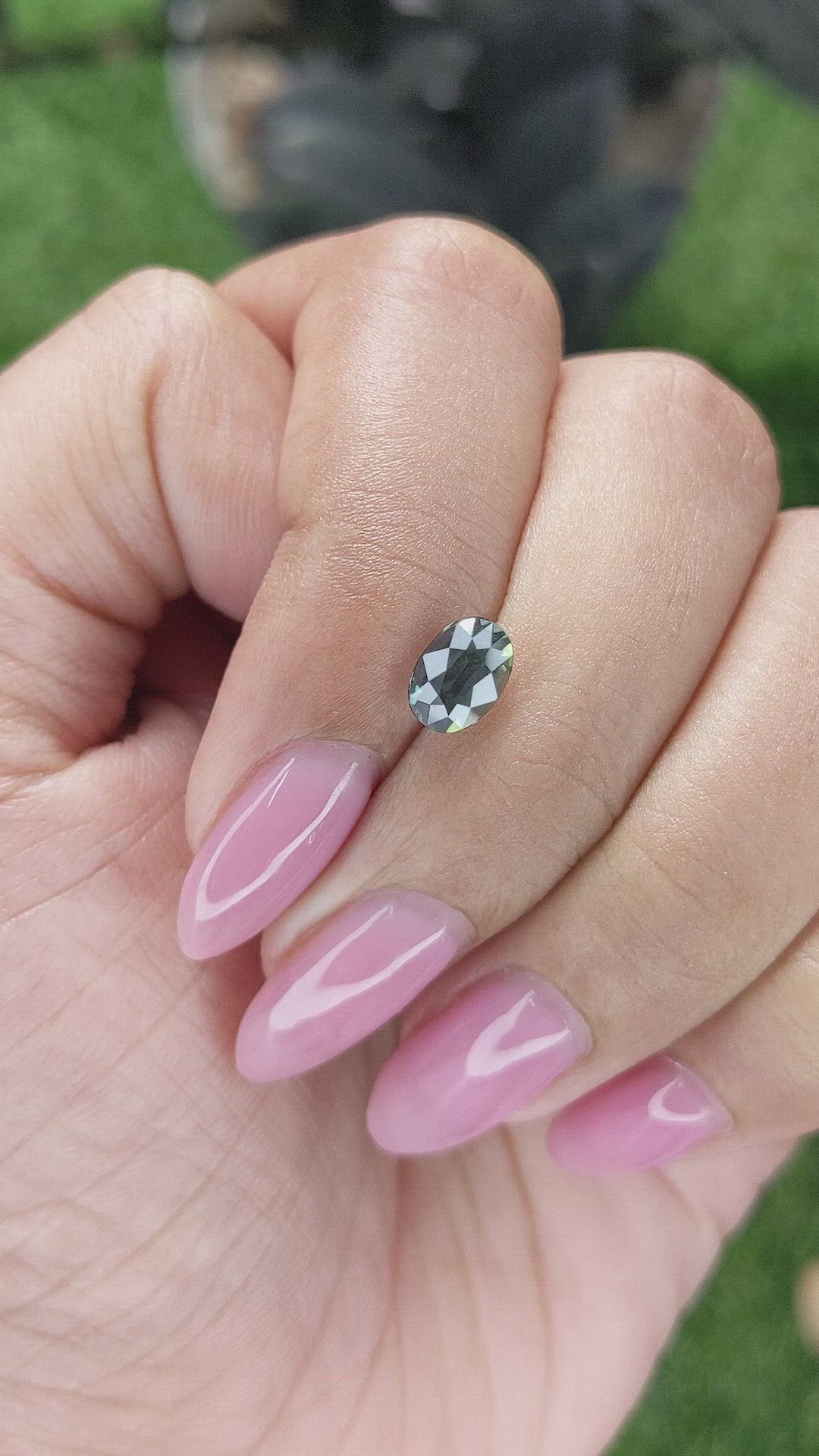


1.24 Ct. Bluish Green Sapphire from Tanzania
This loose stone ships by Sep 13
Item ID: | S43739 |
|---|---|
Dimensions (MM): help | Length: 7.28 Width: 5.21 Height: 3.96 |
Weight: | 1.24 Ct. |
Color: help | Bluish Green |
Color intensity: help | Intense |
Clarity: help | Very Slightly Included |
Shape: help | Oval |
Cut: | Mixed Brilliant Cut |
Cutting style: | Faceted |
Enhancements: help | No Enhancement |
Origin: help | Tanzania |
Per carat price: help | $806 |
This gem begins with its facts, clear and unambiguous, because the story of a stone is built on truth. This is a transparent, bluish green sapphire weighing 1.24 carat, presented in an elegant oval shape. Its measurements are 7.28 x 5.21 x 3.96 mm, cut in a mixed brilliant style to balance sparkle and color depth. Its clarity is very slightly included when evaluated at eye level, a detail that confirms natural origin and character rather than detracting from beauty. The color intensity is intense, and the polish is excellent, leaving each facet crisp and reflective. There has been no enhancement to the stone, so what you see is the earth speaking for itself. The sapphire comes from Tanzania, a place that has yielded some of the most compelling and characterful sapphires in recent decades. At The Natural Sapphire Company we place these technical details first, because every decision about cut, setting, and design depends on them, and because we believe transparency about origin and treatment builds trust between the gem and the wearer.
Imagine the moment this sapphire was born, deep within the ancient rocks of Tanzania where heat, pressure, and time conspired to arrange aluminium and oxygen and trace elements into a crystal that would one day catch the light. The bluish green hue is a poetic record of those trace elements and the geological conditions that prevailed when the crystal formed. Miners working by hand in artisanal and small scale operations felt the weight and the pulse of the earth as they extracted rough stones from river gravels and hard rock. From rough to gem there is an artisan story. A master lapidary examined the rough, considered the natural outline, internal inclusions, and color zoning, and chose a mixed brilliant cut to maximise both scintillation and the rich, intense color that defines this stone. The result is a gem that keeps the narrative of its formation visible, with subtle internal features that act as the stone s fingerprint, proof that it is a product of nature and time.
As the sapphire moved from rough to jewel, the hands that shaped it made choices intended to preserve its soul. The oval silhouette was chosen to complement the stone s proportions and to allow versatility in design. The mixed brilliant cut creates a dialogue between broad flashes of color and smaller brilliant facets that sing when light moves across them. Because the stone is transparent and of intense color, it has the rare ability to read differently under different lighting, offering teal and ocean green notes indoors, and a deeper, almost peacock tone in brighter daylight. The very slightly included clarity grade evaluated at eye level tells the buyer that this is a genuine natural gem, with internal features that confirm origin rather than requiring elimination. The excellent polish ensures that every cut plane returns light cleanly to the eye, and the absence of enhancement means that the gem in your hand is the raw voice of its Tanzanian birthplace. At The Natural Sapphire Company we steward stones like this through every step, from sourcing and cutting to final presentation, and we can advise on settings that honor the gem s tone and character, whether in a simple solitaire that highlights color, or a halo design that increases perceived size while preserving natural charm.
When you consider lab grown sapphires there are practical differences that matter depending on your priorities. Lab grown stones are technically sapphires and they can offer uniform color and clarity, usually at a lower price. They can be useful for certain design needs or budget constraints. Natural sapphires such as this one from Tanzania bring several advantages that cannot be replicated by the lab. First, provenance and story matter. A natural stone carries a geological and human narrative that a lab grown stone cannot narrate. Second, rarity and value retention are important to collectors and families. Natural sapphires tend to hold or appreciate in value over time because they are finite and their supply is dependent on unpredictable geological occurrences. Third, the natural inclusions present in a sapphire act as an internal fingerprint that certifies its origin and individual identity. These internal features create a personal connection between wearer and gem, because no two natural stones share the same internal map. Fourth, natural color variation and subtle zoning can create complex optical effects that many connoisseurs find more interesting and emotionally resonant than uniform lab created color. Finally, choosing a responsibly sourced natural sapphire from an established firm like The Natural Sapphire Company means you gain traceability, ethical sourcing practices, and expert gemological evaluation, together with the sensory pleasure of owning a piece of the earth that has already lived many epochs and stories before it became your jewel. If your priority is a narrative, rarity, and the kind of authenticity that passes down through generations, a natural Tanzanian sapphire such as this one answers that call.


