
- Stone15
- Reports3
-cushion-blue-sapphire-1.2400-cts-s46517-1.jpg?d=200x200&v=20260818101607)
-cushion-blue-sapphire-1.2400-cts-s46517-lifestyleimage-1.jpg?d=200x200&v=20260820093348)
-cushion-blue-sapphire-1.2400-cts-s46517-lifestyleimage-2.jpg?d=200x200&v=20260820093348)
-cushion-blue-sapphire-1.2400-cts-s46517-lifestyleimage-3.jpg?d=200x200&v=20260820093348)


-cushion-blue-sapphire-1.2400-cts-s46517-1.jpg?d=750x750&s=nsc&v=20260818101607)
-cushion-blue-sapphire-1.2400-cts-s46517-lifestyleimage-1.jpg?d=750x750&s=nsc&v=20260820093348)
-cushion-blue-sapphire-1.2400-cts-s46517-lifestyleimage-2.jpg?d=750x750&s=nsc&v=20260820093348)
-cushion-blue-sapphire-1.2400-cts-s46517-lifestyleimage-3.jpg?d=750x750&s=nsc&v=20260820093348)


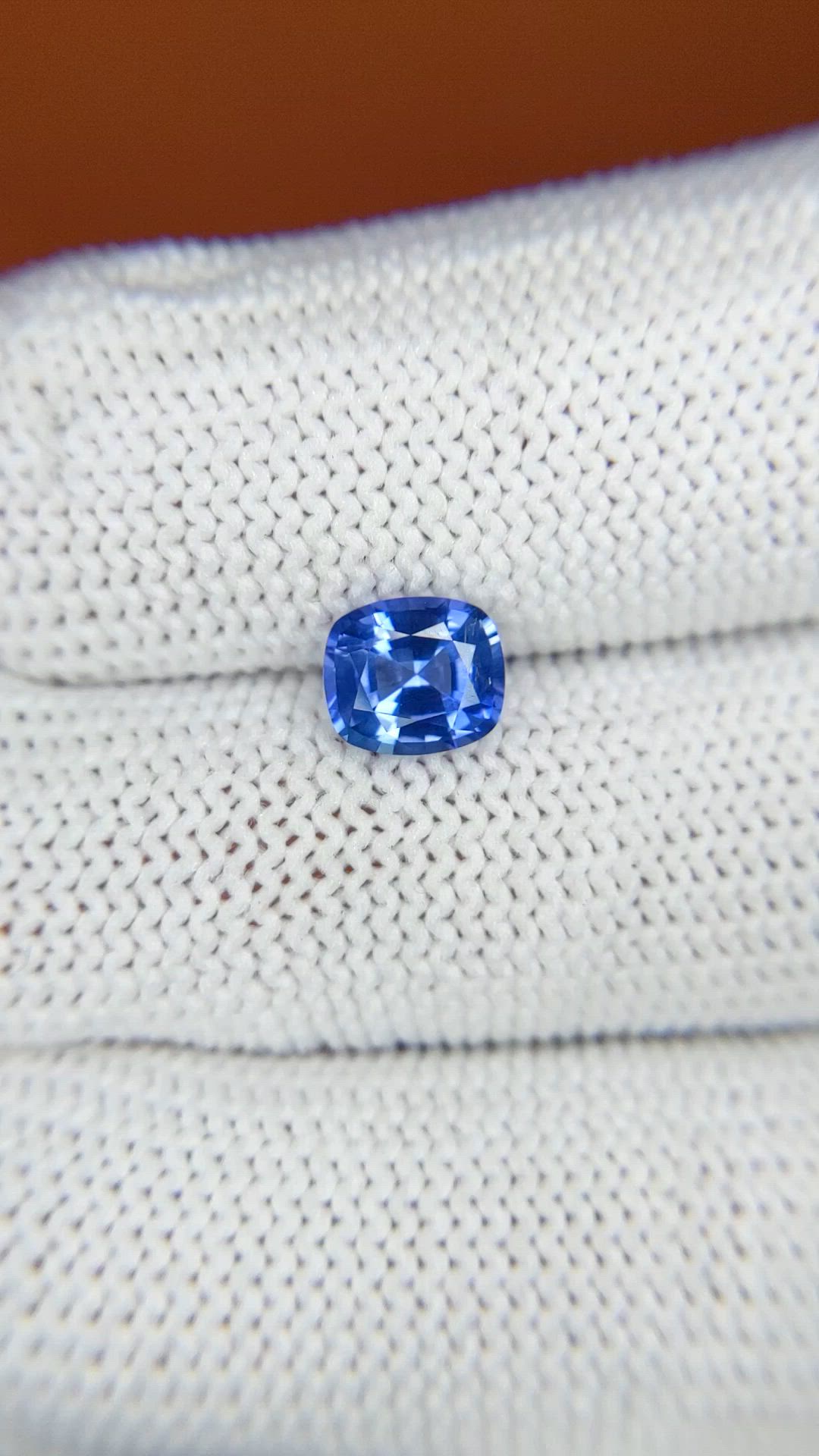
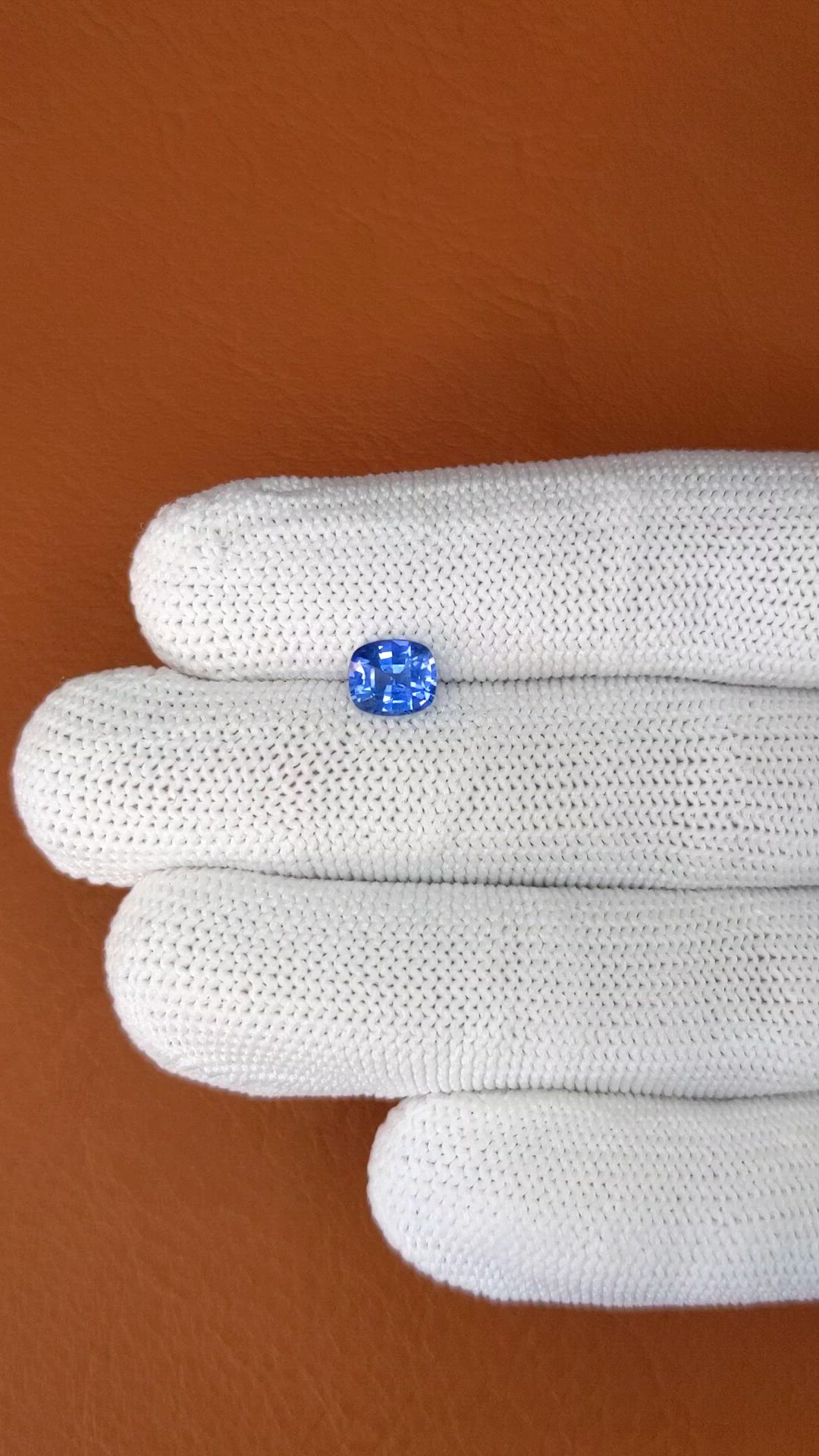
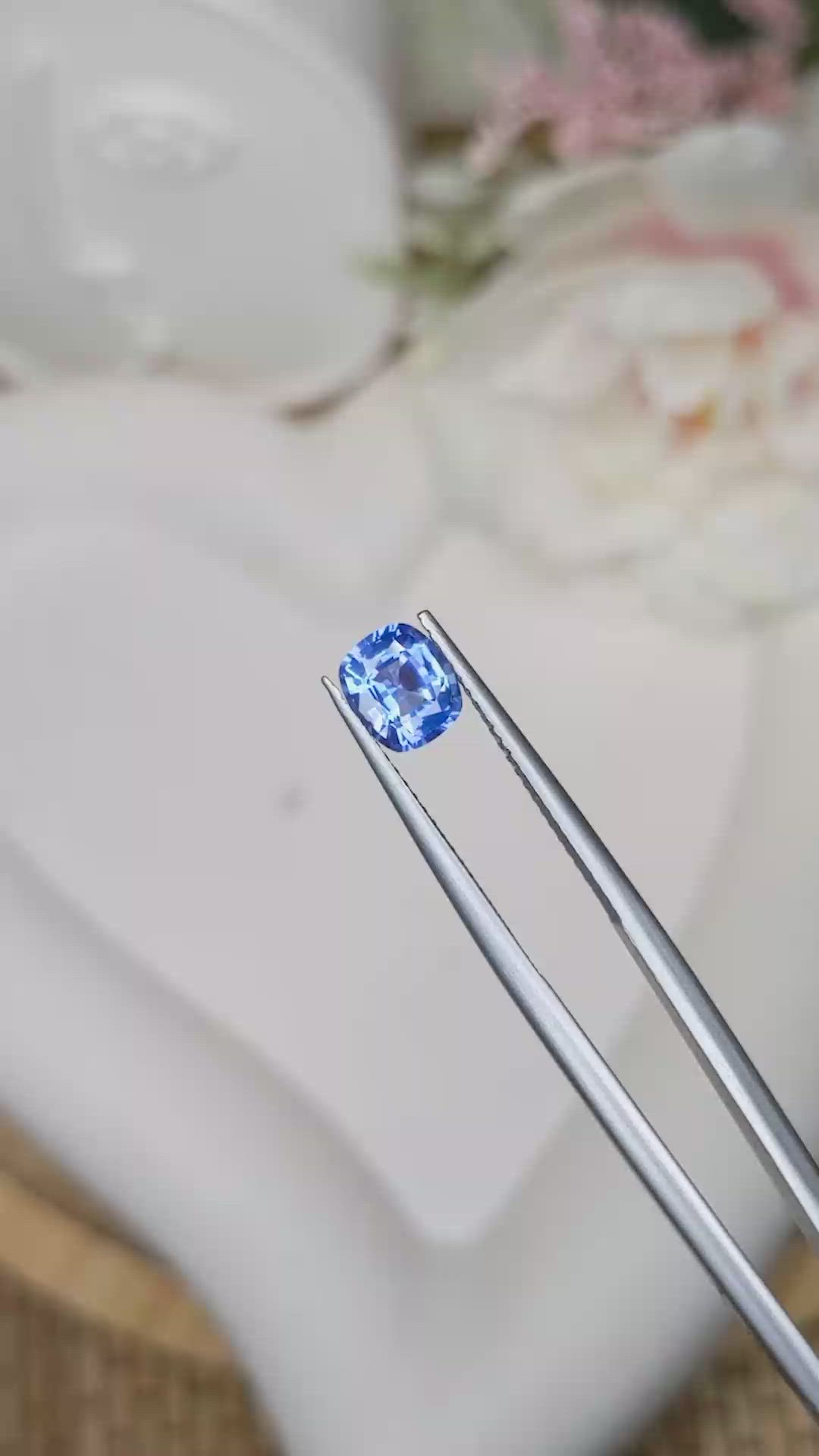
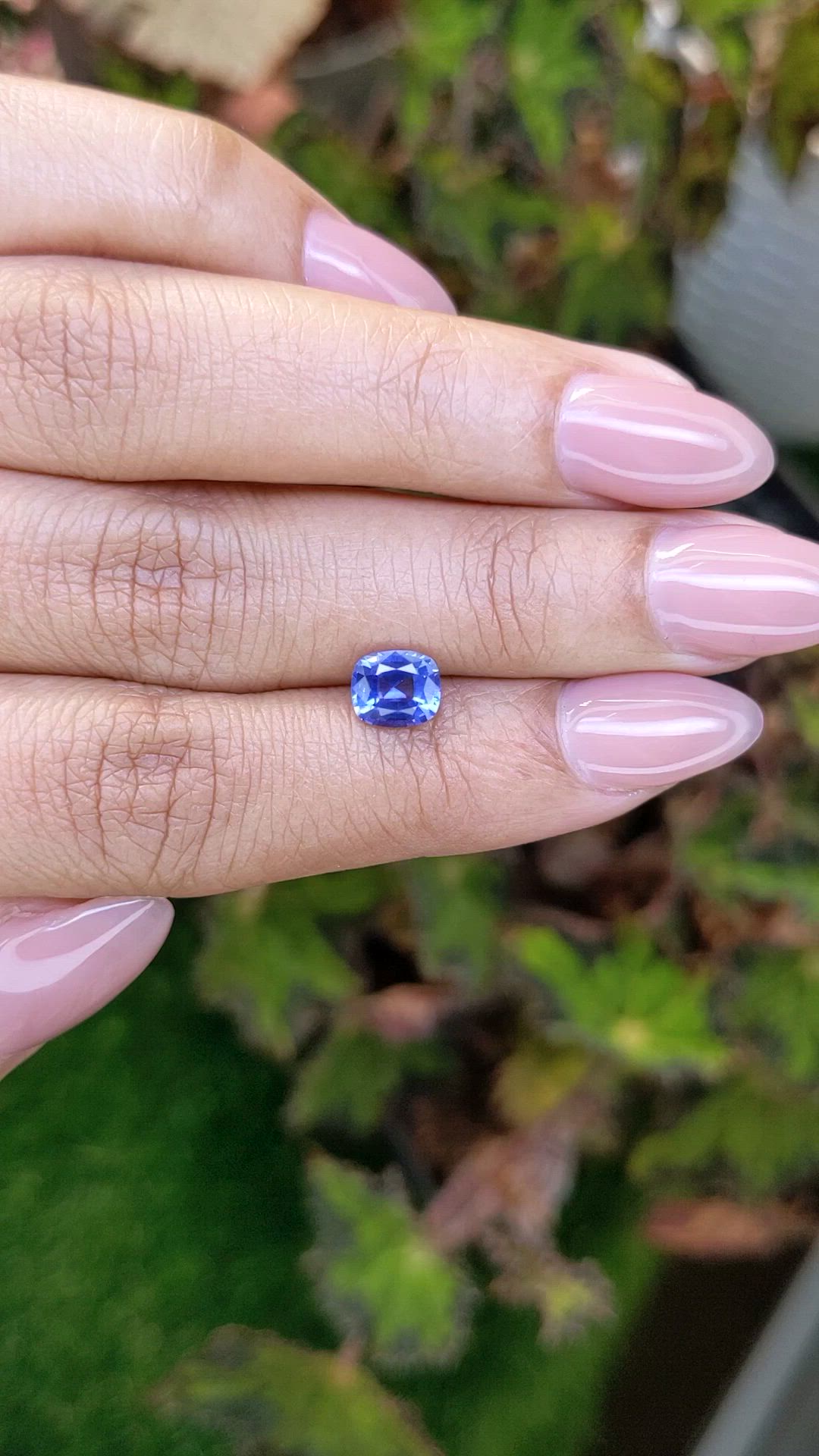
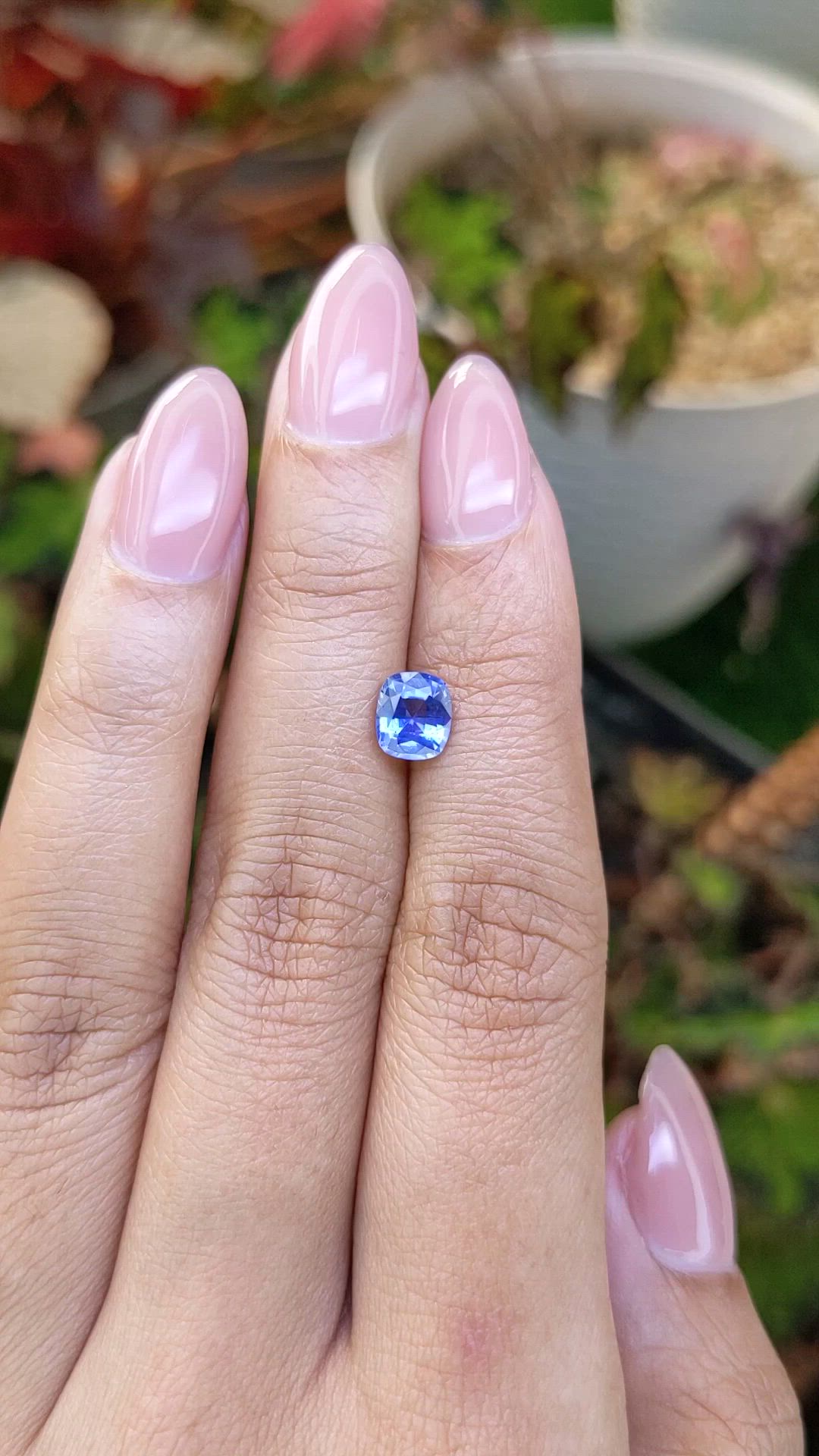
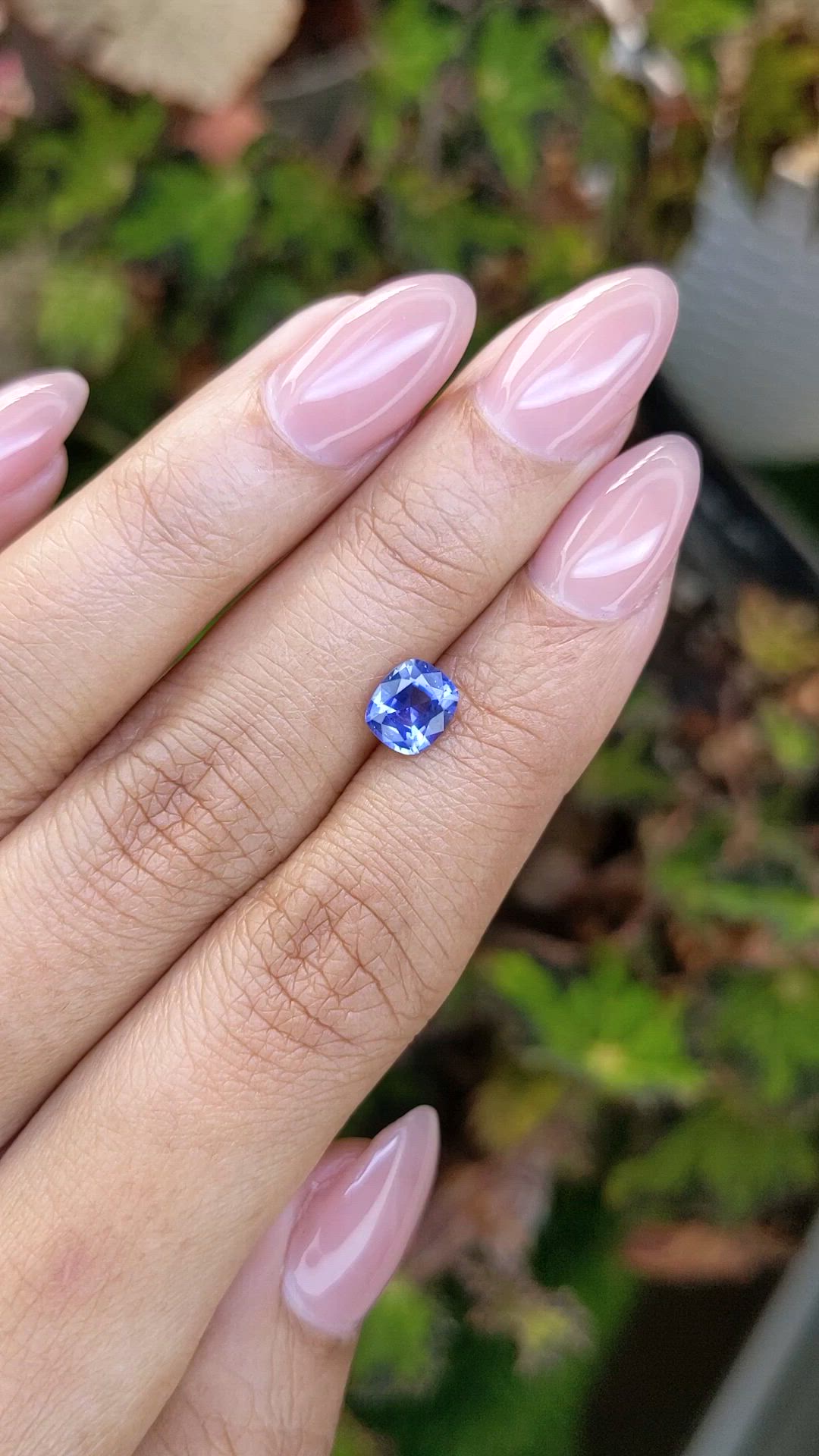
1.24 Ct. Blue Sapphire from Ceylon (Sri Lanka)
This loose stone ships by Oct 13
Item ID: | S46517 |
|---|---|
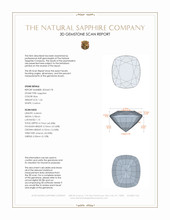
Dimensions (MM): help | Length: 6.64 Width: 5.78 Height: 3.77 |
Weight: | 1.24 Ct. |
Color: help | Blue |
Color intensity: help | Intense |
Clarity: help | Slightly Included |
Shape: help | Cushion |
Cut: | Mixed Brilliant Cut |
Cutting style: | Faceted |
Enhancements: help | No Enhancement |
Origin: help | Ceylon (Sri Lanka) |
Per carat price: help | $1,078 |
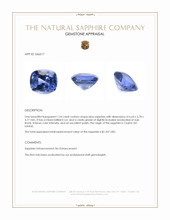
This stone is a transparent, natural Ceylon blue sapphire, weighing 1.24 carats and cut into a classic cushion outline, with exact dimensions of 6.64 by 5.78 by 3.77 millimetres. The cutting style is faceted, executed as a mixed brilliant design that combines a brilliant-cut crown with a more step-oriented pavilion geometry to balance colour saturation and light return. The measured depth of 3.77 millimetres over the mean diameter of approximately 6.21 millimetres yields a depth proportion of roughly 61 percent, a proportion that sits squarely within the optimal range for cushion-type sapphires where preservation of colour and maximisation of scintillation are desired. Clarity is graded as slightly included at eye level, indicating the presence of minor natural internal features that do not materially disrupt overall transparency or brilliance. Colour intensity is classified as intense, a noteworthy achievement for an unenhanced sapphire from Sri Lanka, and the stone has been left in its natural, no enhancement state. The polish has been executed to an excellent standard, producing sharp facet junctions and minimal surface haze, attributes that are crucial to predictable light performance in everyday wear. The Natural Sapphire Company offers this gem with clear documentation of origin and treatment status, a key consideration for connoisseurs who prioritise provenance.
From a faceting and optical mechanics perspective this cushion sapphire demonstrates the advantages of a well-proportioned mixed brilliant cut on corundum. Corundum has a refractive index higher than many other gem materials, which intensifies internal reflection when facet angles are set to ideal critical angles for the material. The brilliant-style crown disperses light into bright white flashes and scintillation, while the more angular pavilion facets control the depth of colour by returning more light through the table rather than allowing light to escape through the pavilion. The result is a lively balance between brightness and colour saturation. Corundum also exhibits moderate pleochroism in blue sapphires, so the cutter has oriented the pavilion and crown facets to manage colour flashes along the principal axes and to minimise undesirable zoning. The slight inclusions present here are typical of natural Ceylon material and, because they are small and distributed rather than concentrated, they contribute minimally to light scattering; in some lighting they can even produce subtle silk-like diffusion that softens highlight contrast without reducing overall brilliance. Excellent polish ensures that surface refraction is efficient, allowing maximum internal light paths and crisp facet reflections, which are important for the perceived liveliness of a sapphire once set in jewelry.
Comparatively, the reflective qualities of this Ceylon sapphire differ in predictable ways from other sapphires and from stones in the broader blue gemstone category. Within sapphires by origin, Sri Lankan material is known for its brighter, more vivacious appearance, delivering stronger contrast between bright facets and dark pavilion areas than the famously velvety Kashmir sapphires, which owe their softer, plush appearance to dense silk inclusions that diffuse light and reduce pinpoint scintillation. Burmese sapphires, by contrast, often present deeper saturation and a more saturated, jewel-like tone that can appear less brilliant under lower lighting because more light is absorbed rather than reflected. This Ceylon example, with its intense but not overly dark tone, maximises both colour and return, producing crisp facet reflections and dynamic scintillation in variable light. Against other blue gemstones, differences in refractive index and dispersion are decisive. Spinel, though visually similar in hue at times, has a marginally lower refractive index and therefore typically shows less contrast and slightly softer scintillation under the same faceting. Tanzanite displays pronounced pleochroism and a different hue range, and its lower toughness and different optical orientation change how facets communicate light, producing broader colour flashes rather than tight scintillation. Topaz and quartz derivatives, with lower refractive indices, will never achieve the same punchy internal reflections as corundum regardless of cut. Unlike diamond or certain high-dispersion stones, corundum’s dispersion is modest, so the visual impact is driven more by bright-white brilliance and well-controlled facet contrast than by spectral fire.
For practical jewellery use and for collectors, the technical attributes of this 1.24 carat cushion sapphire suggest several design and setting strategies to maximise its display. Because the stone combines intense natural colour with a proportion that favours light return, open four-prong or low-bezel settings that allow light to enter through the pavilion and reflect from the crown are ideal. A halo of small high-clarity, high-dispersion stones can increase perceived brightness without compromising the sapphire’s native hue, while a solitaire design in platinum or 18 karat white gold will emphasise the cool blue tone and the sapphire’s crisp facet reflections. The absence of enhancement increases long-term desirability among informed buyers, and the excellent polish will maintain lively reflectivity over time with routine care. The Natural Sapphire Company stands behind the origin and untreated status of this sapphire and can provide additional imaging under different light sources to demonstrate its pleochroism and scintillation behaviour. For clients who prioritise optical performance and natural provenance, this cushion mixed brilliant Ceylon sapphire represents a technically refined choice, combining well-executed cutting geometry, favourable proportions, and intrinsic corundum optical properties to deliver a lively, intensely coloured, and naturally beautiful gem.


