
- Stone14
- Reports3


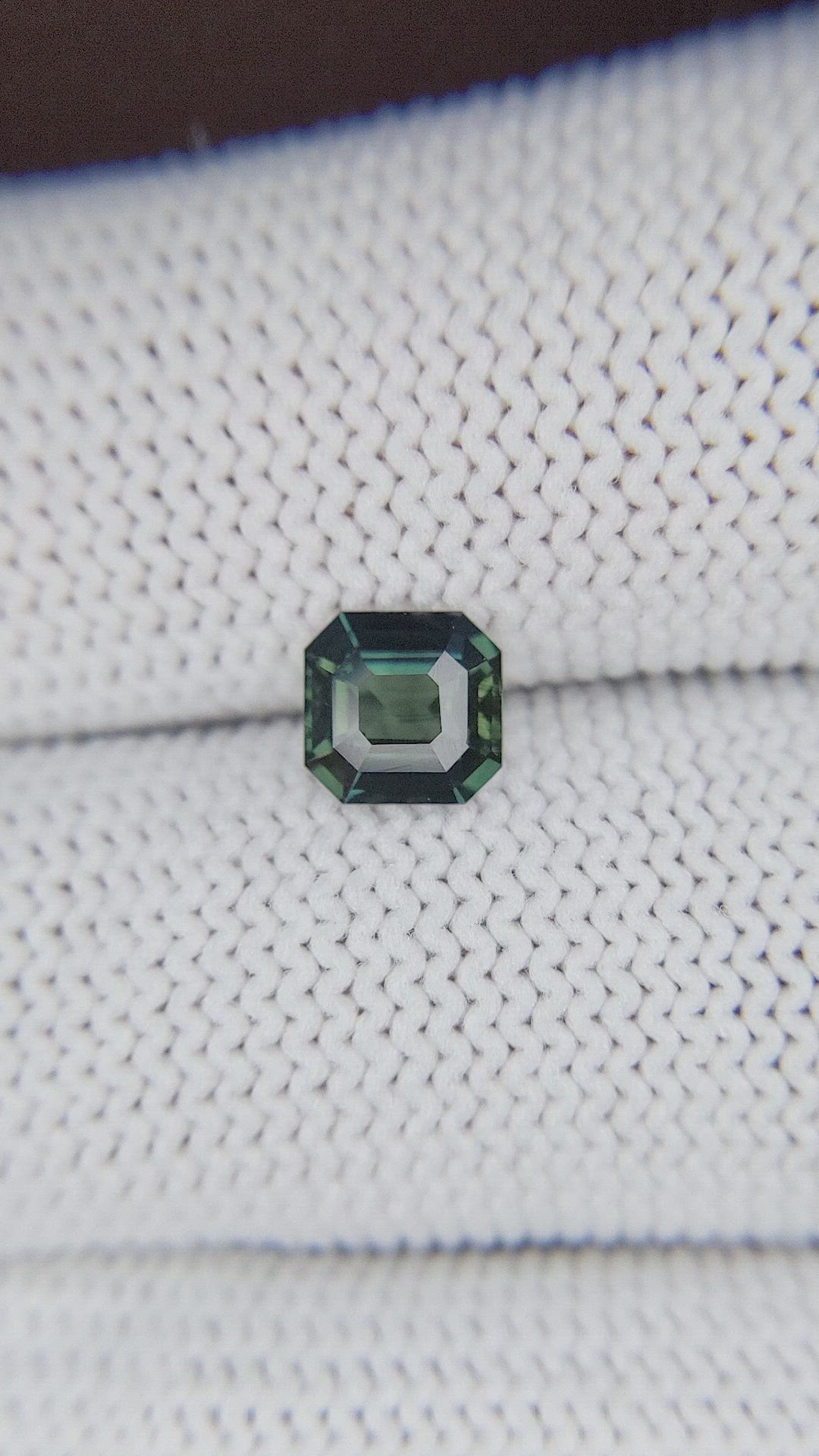
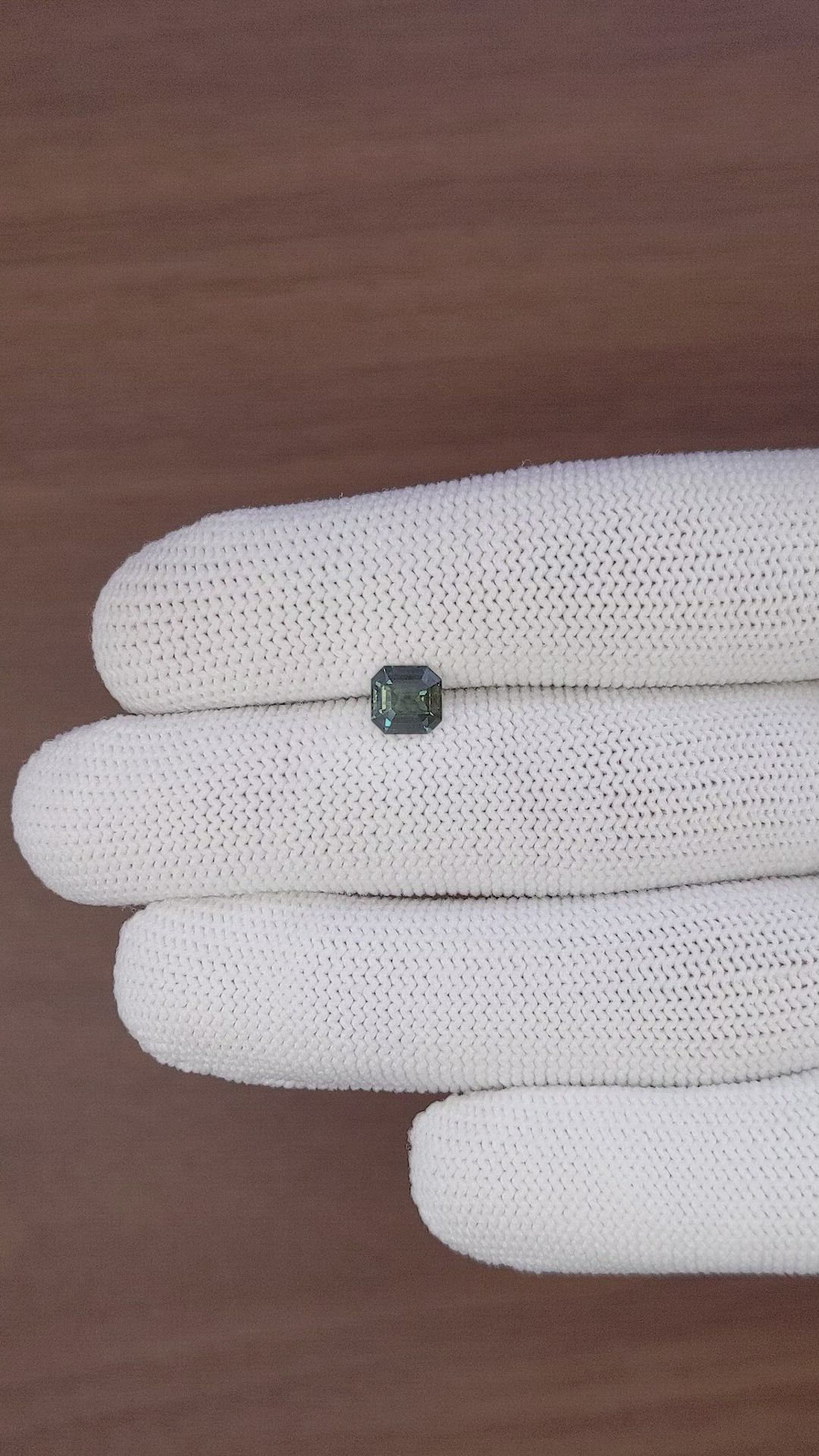
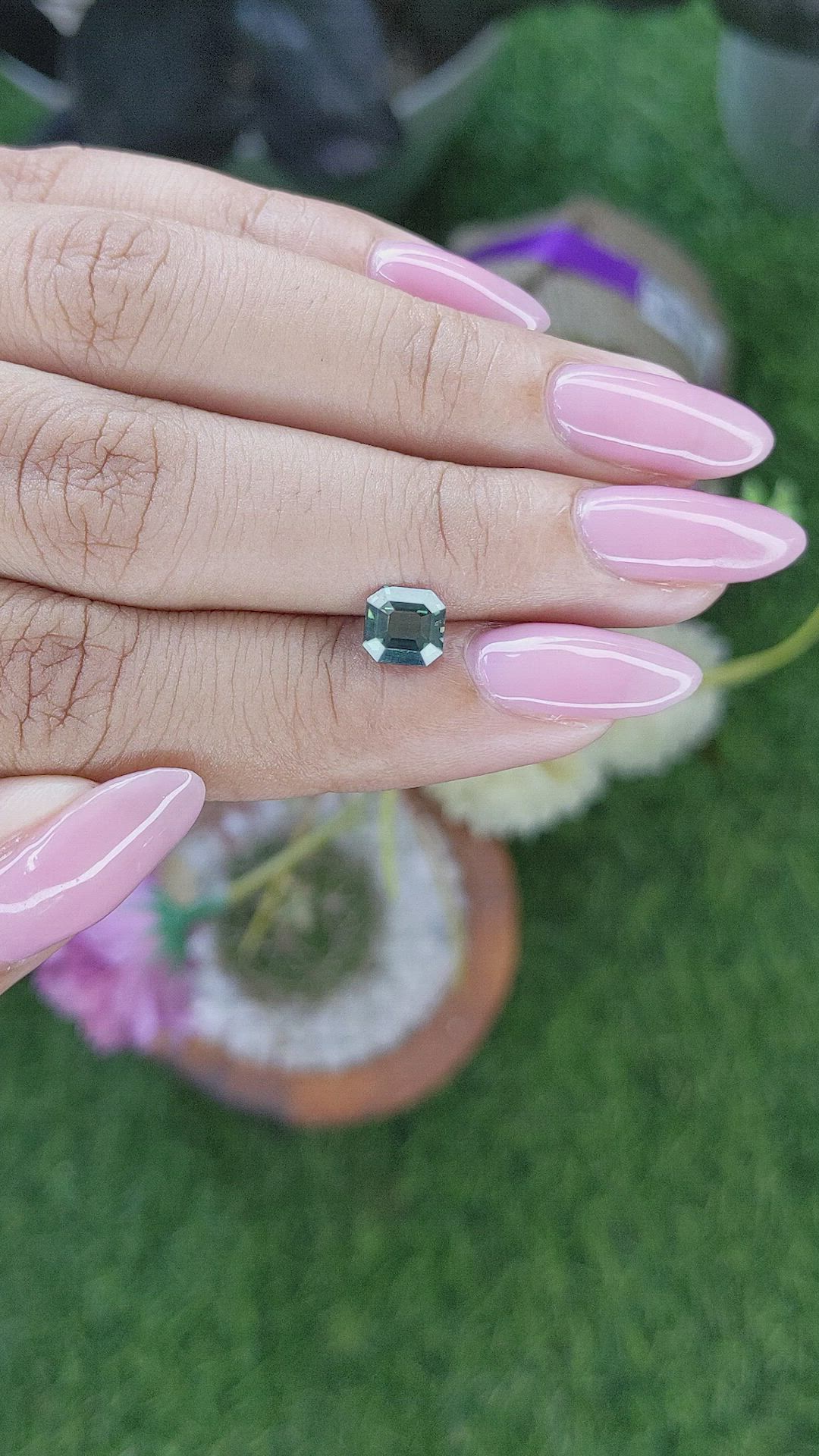
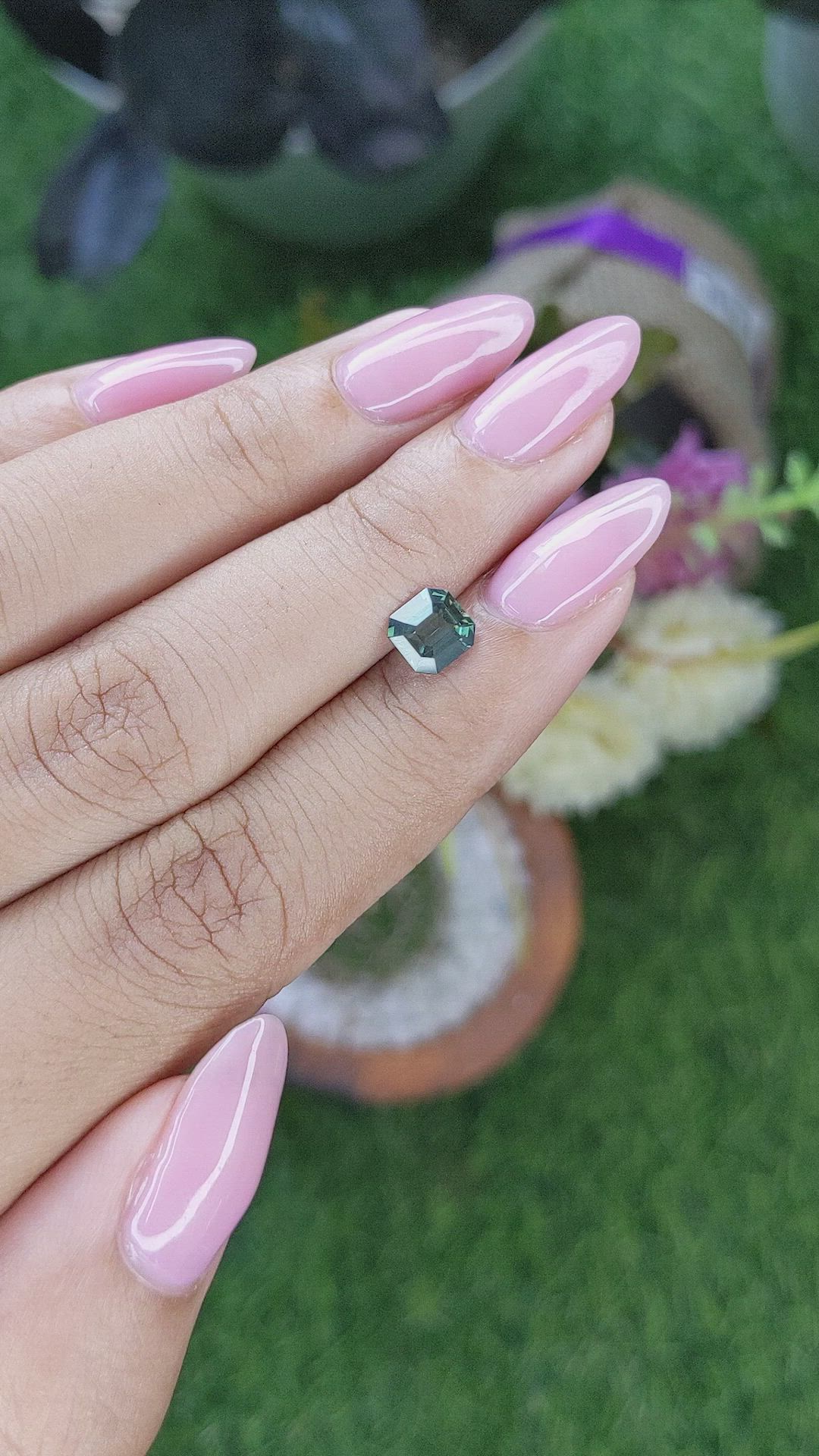
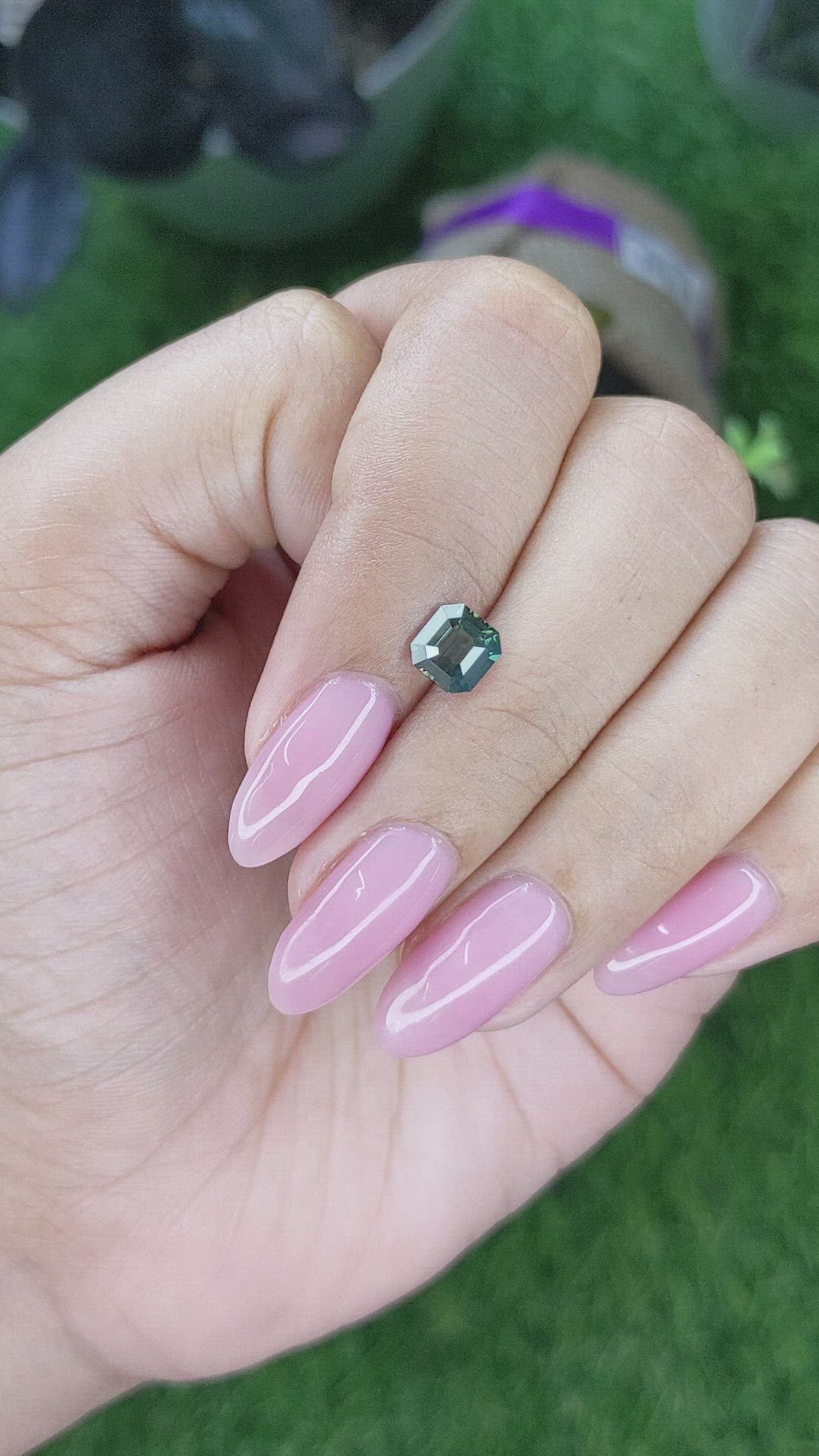


1.16 Ct. Bluish Green Sapphire from Nigeria
This loose stone ships by Sep 11
Item ID: | S39815 |
|---|---|
Dimensions (MM): help | Length: 6.07 Width: 5.86 Height: 3.44 |
Weight: | 1.16 Ct. |
Color: help | Bluish Green |
Color intensity: help | Intense |
Clarity: help | Very Very Slightly Included |
Shape: help | Asscher - Octagon |
Cut: | Asscher Cut |
Cutting style: | Faceted |
Enhancements: help | No Enhancement |
Origin: help | Nigeria |
Per carat price: help | $1,500 |
A single exquisite gem introduces itself with quiet authority, a transparent 1.16 carat asscher octagon sapphire that carries both the clarity of modern precision and the weight of ancient stone lore. Set within its carefully faceted plane are the measures that define its physical presence, 6.07 x 5.86 x 3.44 mm, and a cut that traces straight, architectural lines that have been admired for a century. The asscher cut is an enduring form, born of an age that prized geometry and balance, and here it serves to magnify a bluish green heart of color whose intensity draws the eye and holds it. Clarity is judged as very very slightly included at eye level, a grade that speaks to a purity rare in natural stones seen without enhancement, and the finish is of excellent polish, a final act that allows every facet to sing. There is no enhancement applied to this stone, and its origin is Nigeria, a provenance that brings a fresh chapter to the long story of sapphire trade and discovery. From The Natural Sapphire Company this sapphire arrives as both a collector piece and a wearable heirloom.
The hue is a distinctive bluish green, a meeting of sea and sky that differs in subtle and meaningful ways from sapphires known from historical locations. Compare the tone to Kashmir, where the fabled sapphires are often described as cornflower blue with a velvety depth that seems to drink in light. Where Kashmir gives a pure blue intimacy, this Nigerian stone introduces green into the palette, creating a cooler edge and a livelier contrast between facet and table. Compare it to Sri Lanka, whose Ceylon sapphires frequently present a lighter, more open blue with a cheerful, luminous quality. The Nigerian gem carries more saturation and a darker tone than many Ceylon examples, yet it retains transparency and brilliance that make the color feel immediate rather than opaque. Compare it also to Madagascar, a modern source of vivid blue sapphires that sometimes echo the intensity of this stone. Madagascar examples often favor blue over green, while this Nigerian sapphire leans toward a true blue green harmony that reads as both rare and classically restrained. In relation to Australian material, which can run to deep inky teals and darker sea notes, this gem is lighter and more transparent, its intense color intensity maintained without the heaviness that can characterize some Australiana. These comparisons place the stone within a lineage of celebrated sapphires, while marking its unique voice in hue and tone.
Beyond simple color comparison, the asscher facet arrangement transforms the way tone and depth are perceived, and this stone invites a second set of comparisons to emphasize those effects. The stepped pavilion and trimmed corners recall the Art Deco era, when gems were cut to reflect line and rhythm as much as sparkle, and the result is a jewel that looks simultaneously antique and timeless. Against Montana sapphires, known for their clean, sometimes minty teal that reads cool and gentle, the Nigerian asscher presents a richer saturation and a bolder middle tone that reads as more intense at first glance. Against the unmistakable green of Colombian emeralds, which possess a vegetal, saturated green that glows from within, this sapphire offers the contrasting clarity of blue blue green, a cooler, more refractive response to light that feels crystalline rather than leafy. Compare it to neon tourmalines from Paraiba, whose electric green blue is a result of copper content and that glows in a way few sapphires can imitate. The Nigerian sapphire, by contrast, offers a softer, more enduring intensity that is less about spectacle and more about presence. Each comparison helps to define what this gem does best. It holds color without clouding, it refracts light without hiding, and it offers a chromatic balance that allows it to read differently under varied lighting conditions while always remaining unmistakably elegant.
Owning a sapphire with this combination of attributes is to possess a piece that bridges epochs and geographies, crafted by nature and refined by human skill. The Natural Sapphire Company presents this stone as an invitation to consider setting and legacy, as a center for a ring that will read equally well in a vintage setting or a restrained contemporary band. The lack of enhancement confers a provenance of authenticity that collectors prize, and the Nigerian origin contributes to a story of recent and ongoing discoveries that are reshaping the map of great sapphires. Because the stone is transparent and finely polished, it can be set to emphasize clarity and faceting, or it can be embraced in a halo or bezel that plays up the bluish green hue. For the buyer who values tradition, this gem is a continuation of the imperial histories of gems formed over eons, and for the buyer who values individuality, it is a quietly confident choice that will age with grace. If you would like further details about this asscher cut Nigerian sapphire, or if you would like to explore setting options and certificates, The Natural Sapphire Company is ready to guide you through provenance, appraisal, and bespoke presentation, ensuring that this stone becomes a meaningful part of your collection or a cherished family heirloom.


