
- Stone12
- Reports3


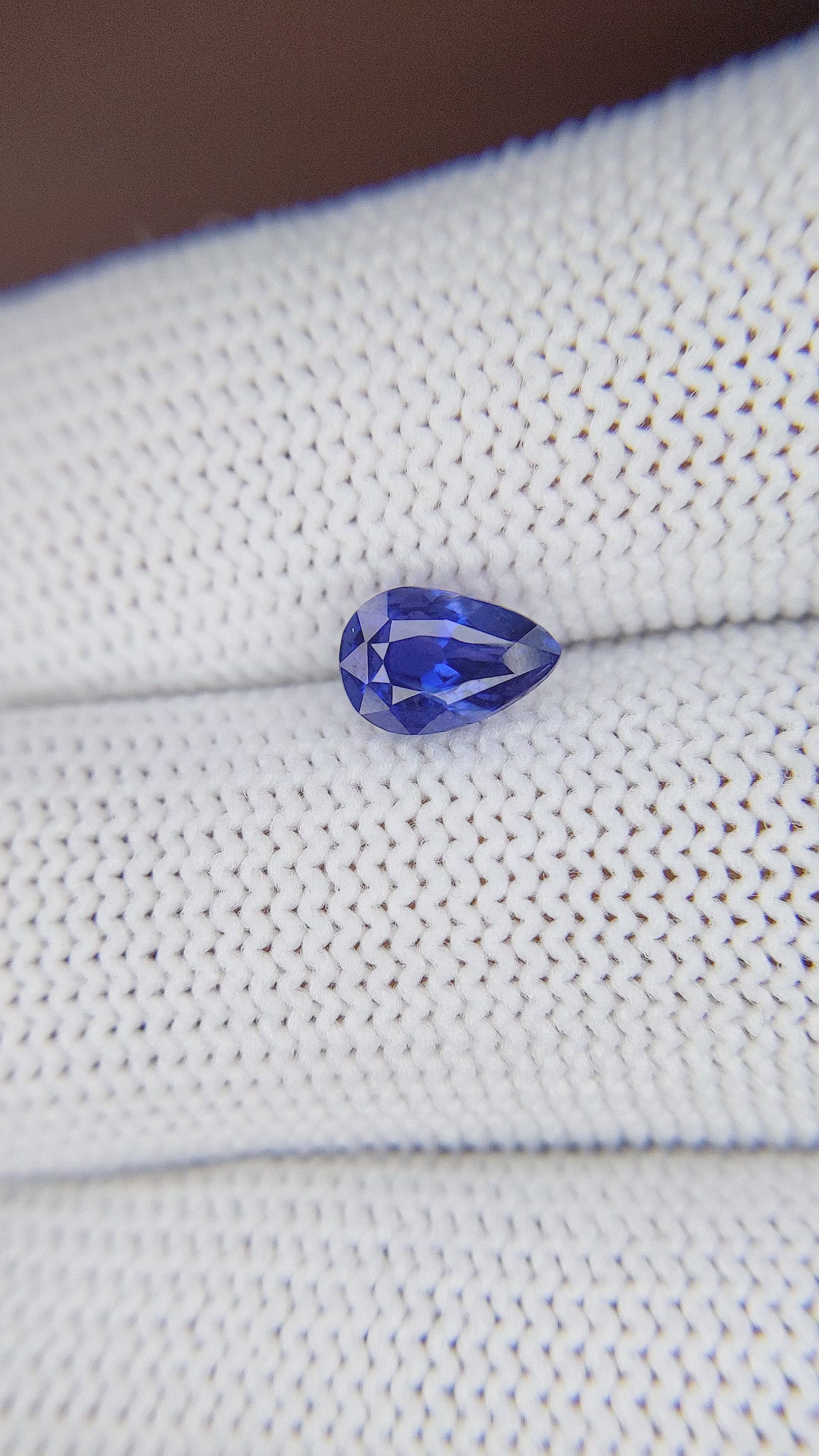
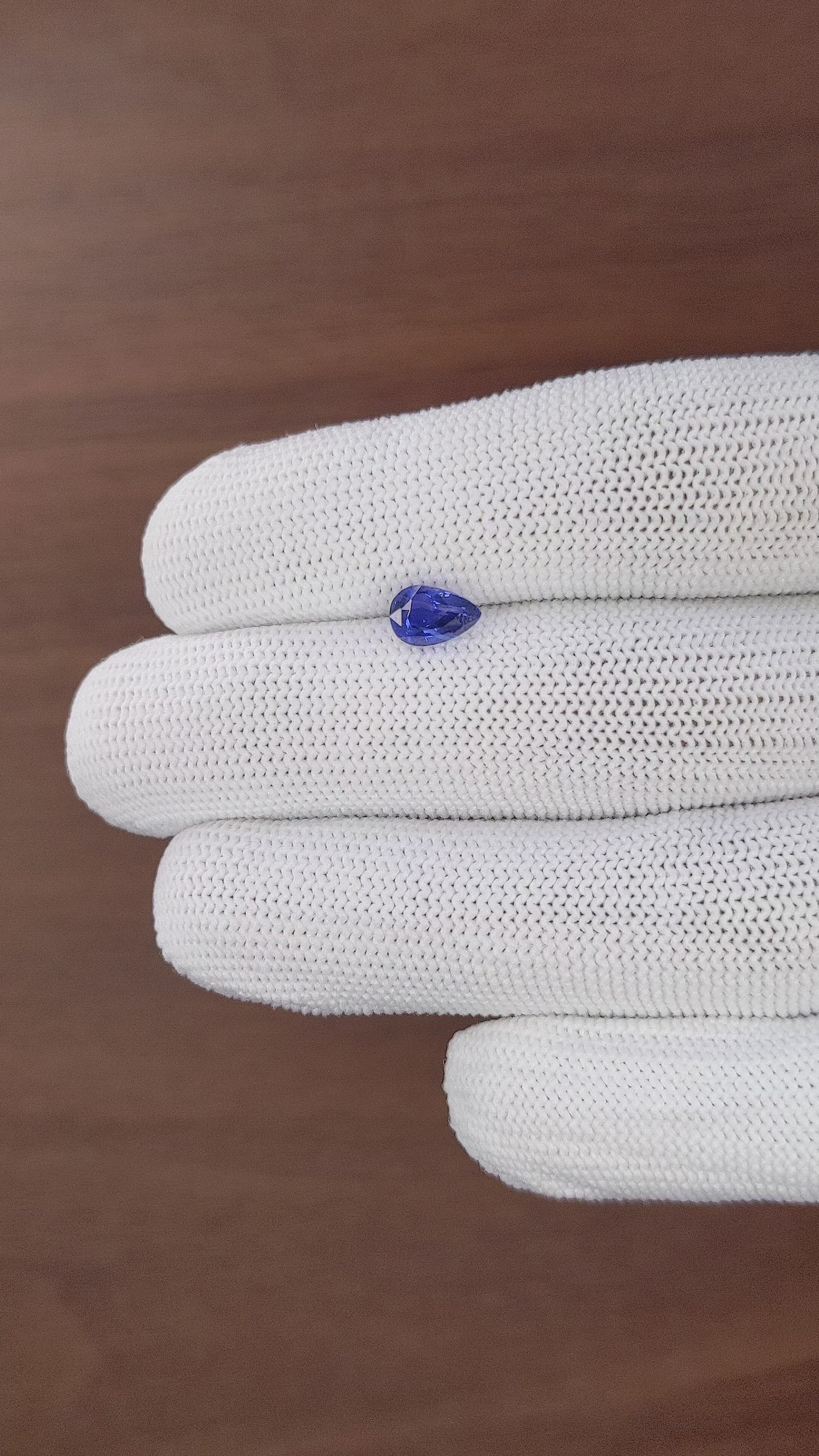
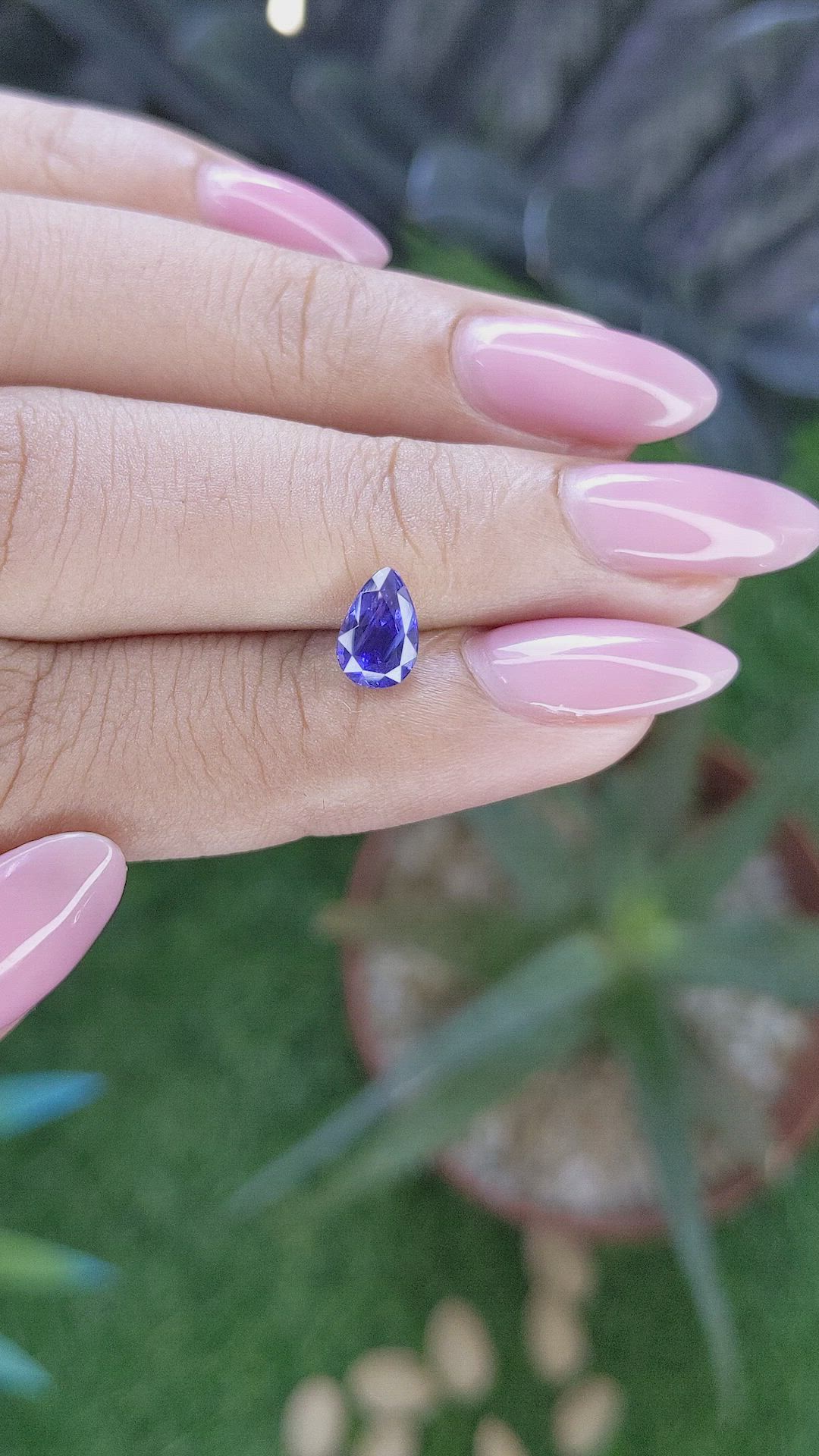
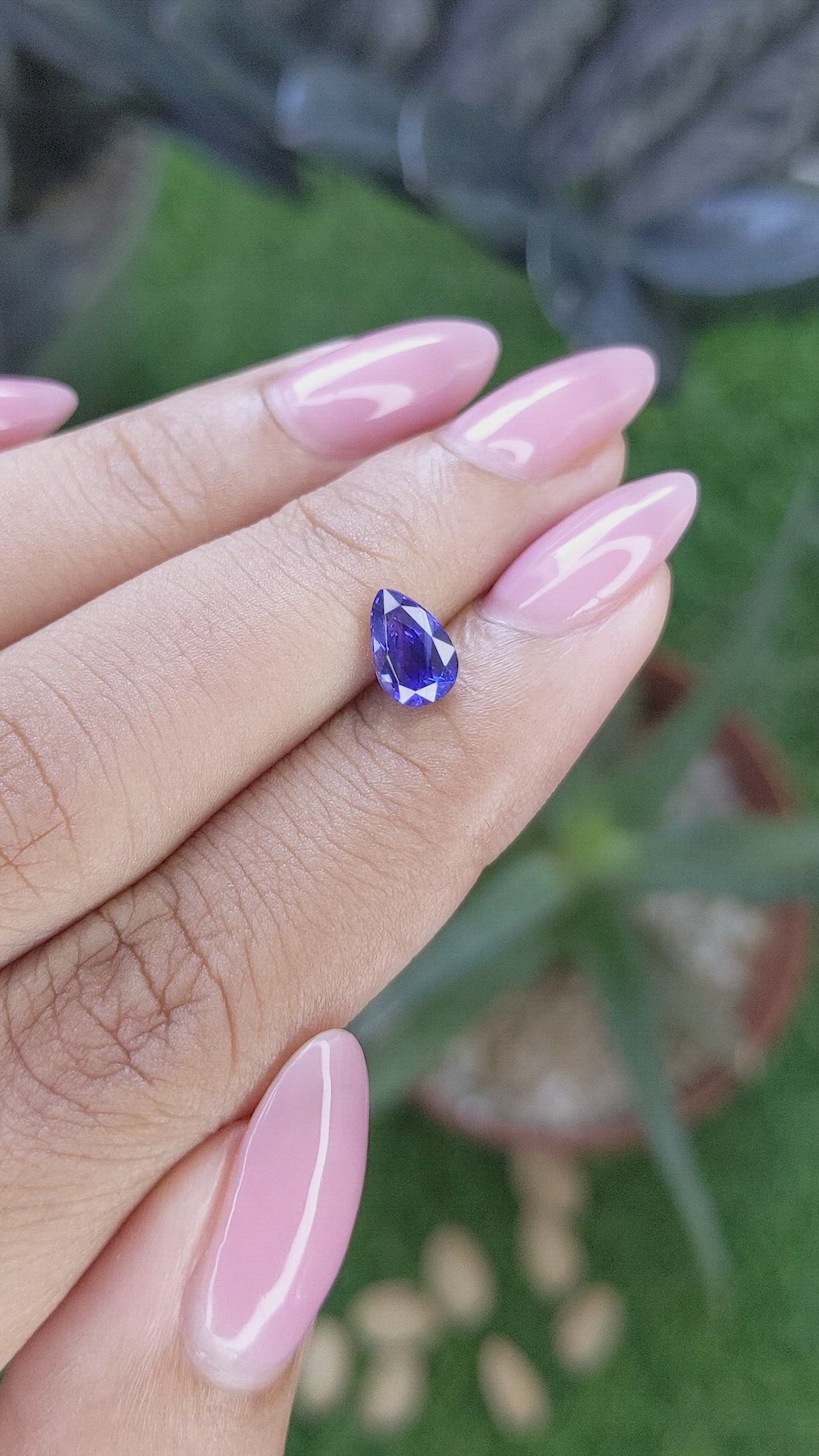


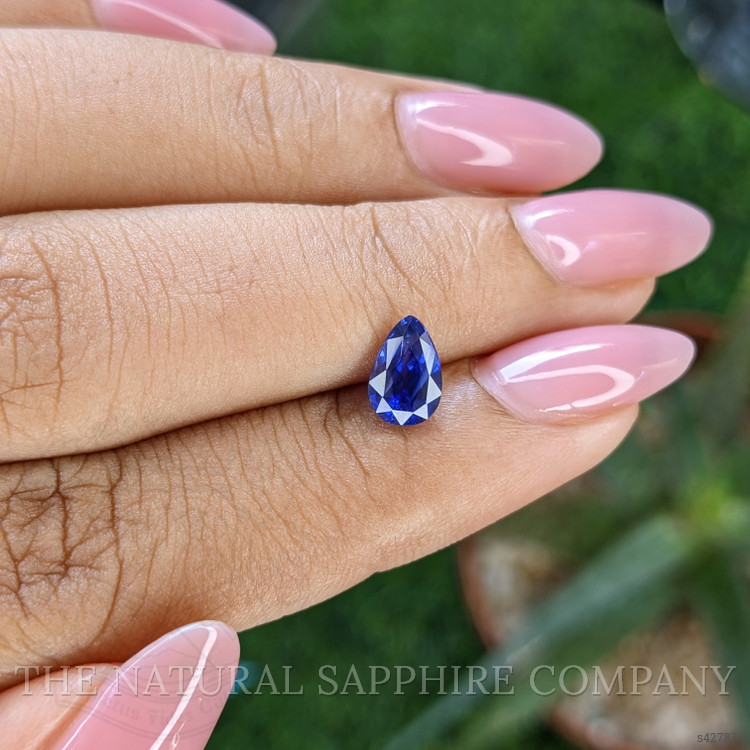
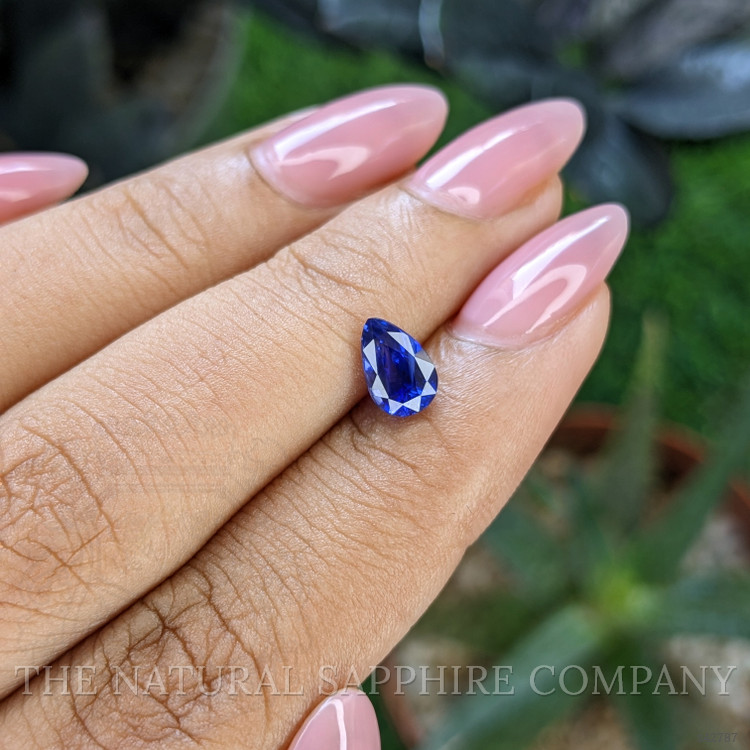


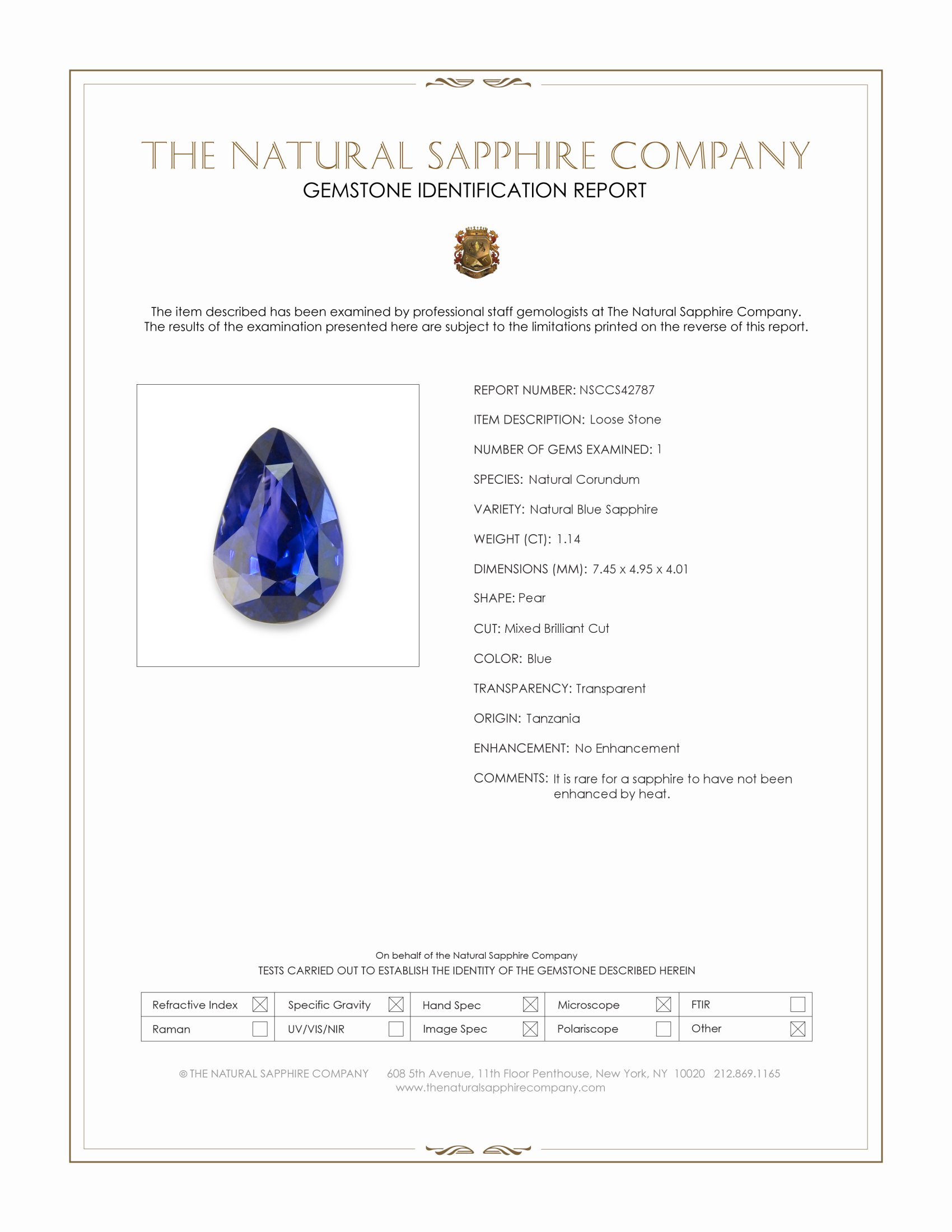

1.14 Ct. Blue Sapphire from Tanzania
This loose stone ships by Oct 13
Item ID: | S42787 |
|---|---|
Dimensions (MM): help | Length: 7.45 Width: 4.95 Height: 4.01 |
Weight: | 1.14 Ct. |
Color: help | Blue |
Color intensity: help | Intense |
Clarity: help | Very Slightly Included |
Shape: help | Pear |
Cut: | Mixed Brilliant Cut |
Cutting style: | Faceted |
Enhancements: help | No Enhancement |
Origin: help | Tanzania |
Per carat price: help | $1,316 |
This pear shape blue sapphire weighs 1.14 carat, and its mass is a defining feature of both its visual presence and market value. The stone measures 7.45 millimeters by 4.95 millimeters by 4.01 millimeters, and the dimensions combine with the weight to give a pleasing face up size for a one carat plus sapphire. The cutting style is a mixed brilliant, with a faceted crown designed to produce strong scintillation, and a pavilion configuration that balances facet geometry to concentrate color. Clarity is graded as very slightly included when evaluated at eye level, and the stone presents excellent transparency with inclusions that do not detract from the overall appearance. Color intensity is described as intense, with a vivid blue saturation that remains even in varying light conditions. The polish is excellent, with sharp facet junctions and mirror like facet planes, and the stone is unenhanced, which materially affects rarity and value. The origin is Tanzania, and the provenance contributes to the gemological profile that we document and guarantee at The Natural Sapphire Company.
Examining the proportions, the length to width ratio is approximately one point five, which is an optimal range for a classic pear silhouette that elongates the finger or pendant line without appearing overly narrow. The depth relative to the mean girdle diameter is approximately sixty four point seven percent, and that depth is well matched to the mixed brilliant faceting scheme. The cutter has preserved sufficient pavilion depth to achieve strong color saturation, while maintaining crown height sufficient to promote brilliance and fire. Facet geometry on this piece shows precise symmetry, and the transition from the girdle into the pavilion apex is controlled to minimize windowing and to encourage even color distribution. The mixed brilliant pattern combines smaller crown facets to increase scintillation with a pavilion architecture that includes both larger and smaller facets to direct light back through the table in a way that enhances perceived saturation. The faceting choices here are deliberate, aimed at maximizing light performance and color in a stone of this particular weight and outline.
Weight is a primary driver of value for natural sapphires, and at 1.14 carat this sapphire occupies an important segment of the market. Per carat pricing for untreated, intense blue sapphires increases non linearity above key thresholds, and crossing the one carat mark results in a material premium relative to stones sold below that milestone. Supply of untreated sapphires with intense saturation, very slight inclusions, and excellent polish is limited, and when combined with a desirable pear shape the rarity is amplified. The fact that this specimen is unenhanced is particularly significant, because heat treatment is common in the trade to improve color and clarity, and untreated material demands a premium for collectors and connoisseurs who prioritize natural state. For jewelry designers and clients, the extra fraction of a carat not only increases monetary value, it changes the visual impact, allowing settings to receive and display deeper saturation and a fuller face up color. When appraising the long term desirability of a sapphire, weight, color, and treatment status interact, and this one point one four carat Tanzanian sapphire represents a rare convergence of those factors.
From a practical and craftsmanship perspective, this sapphire is well suited to a variety of high end settings that exploit its pear outline and optical properties. The stable proportions and the excellent polish mean that precision bezel work, prong settings, and halo designs can be executed without compromising light return or color distribution. The pointed tip and rounded base require careful mounting to protect the pavilion apex, and professional setting by a jeweler experienced with fine colored gemstones is recommended. Care for an untreated sapphire of this quality involves routine gentle cleaning with warm water and mild detergent, and avoiding ultrasonic exposure when the stone is set in complex settings. At The Natural Sapphire Company we provide full documentation of origin, treatment status, and gemological observations to support valuation, and we are available to advise on custom mounting options that will preserve and showcase the stone. This pear shape, one point one four carat Tanzanian sapphire combines measured proportions, expert cutting, and natural, intense blue color to offer both a technical gemological excellence and a rare collectible quality.


