
- Stone14
- Reports3


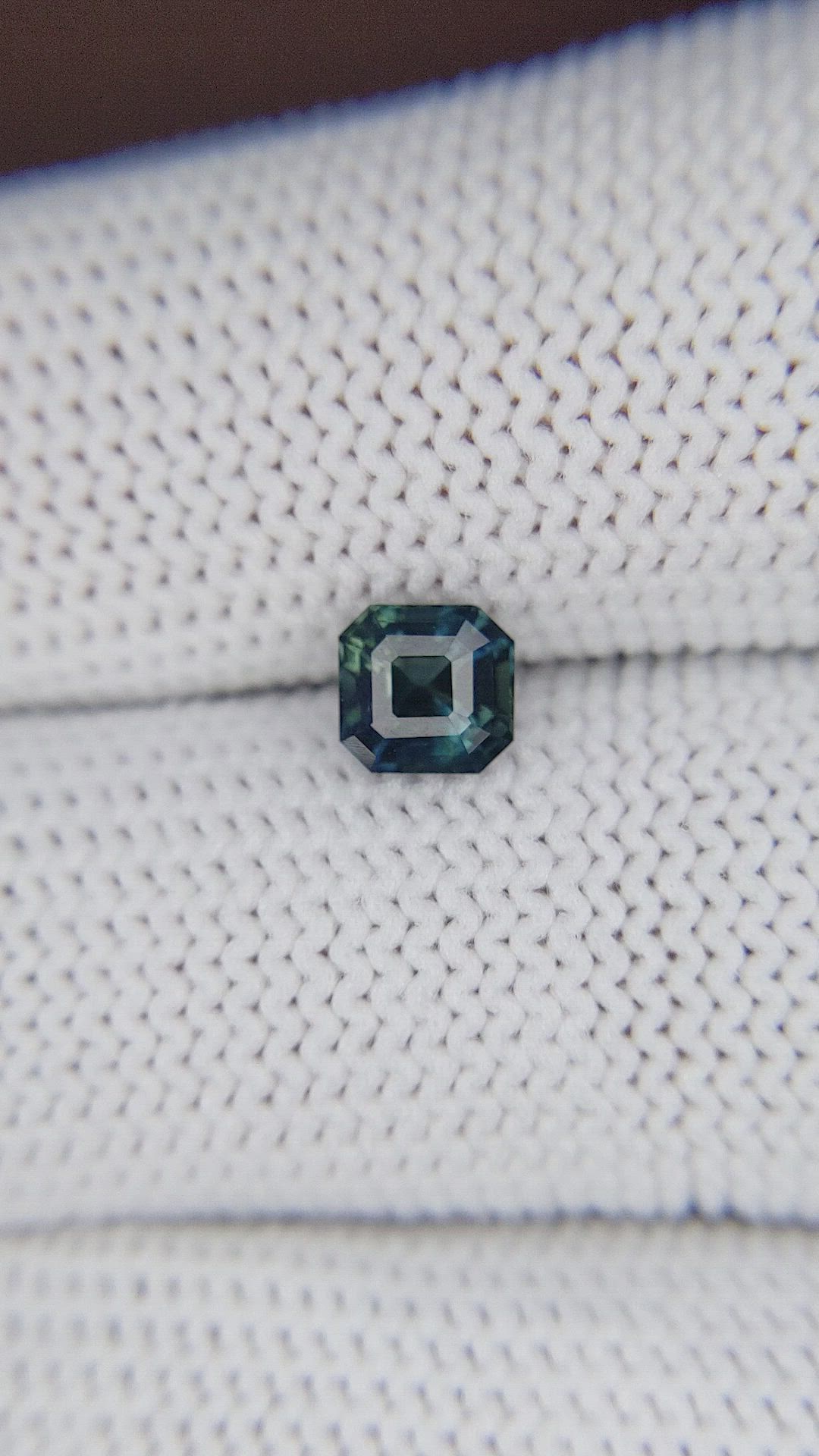
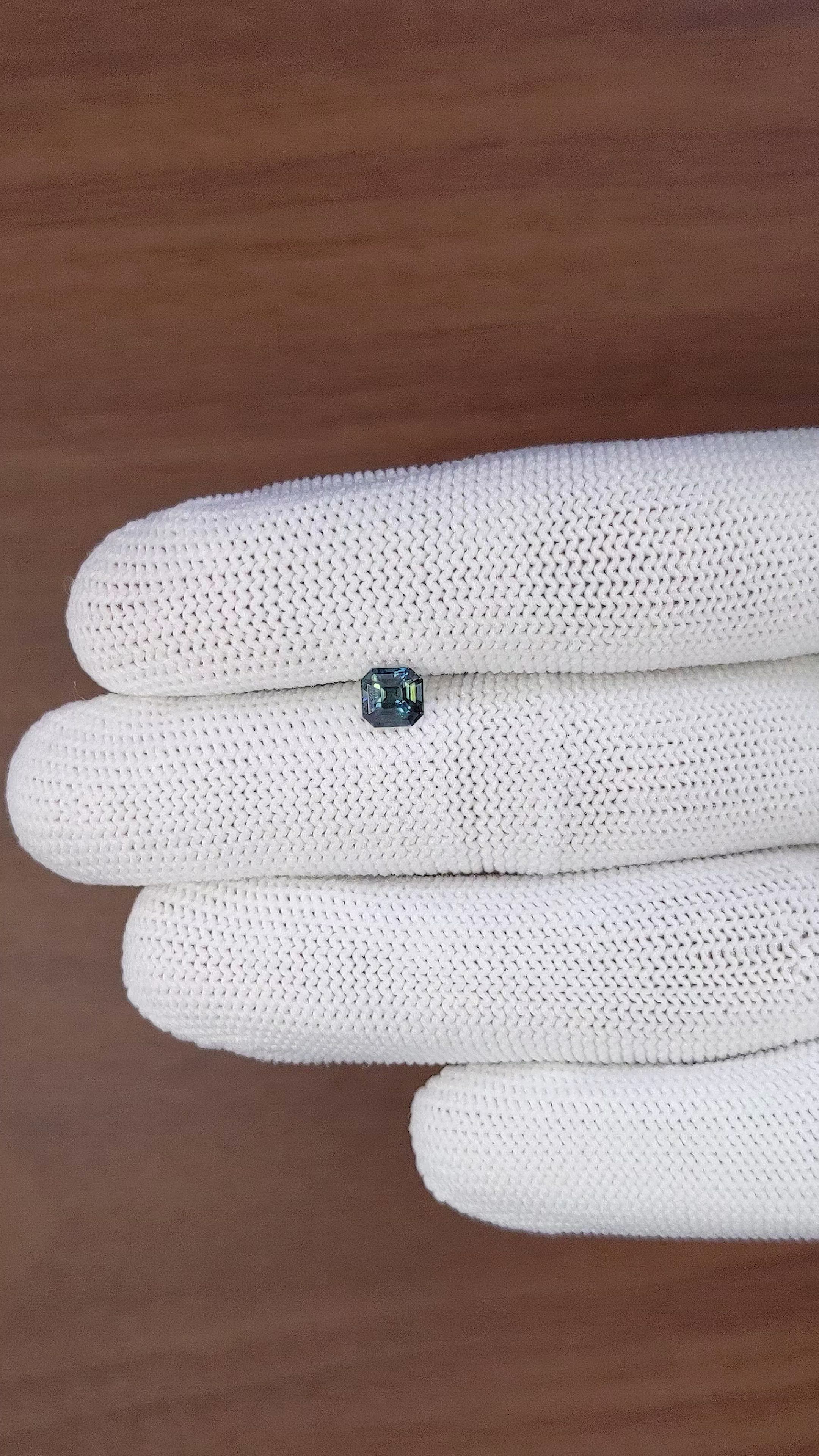
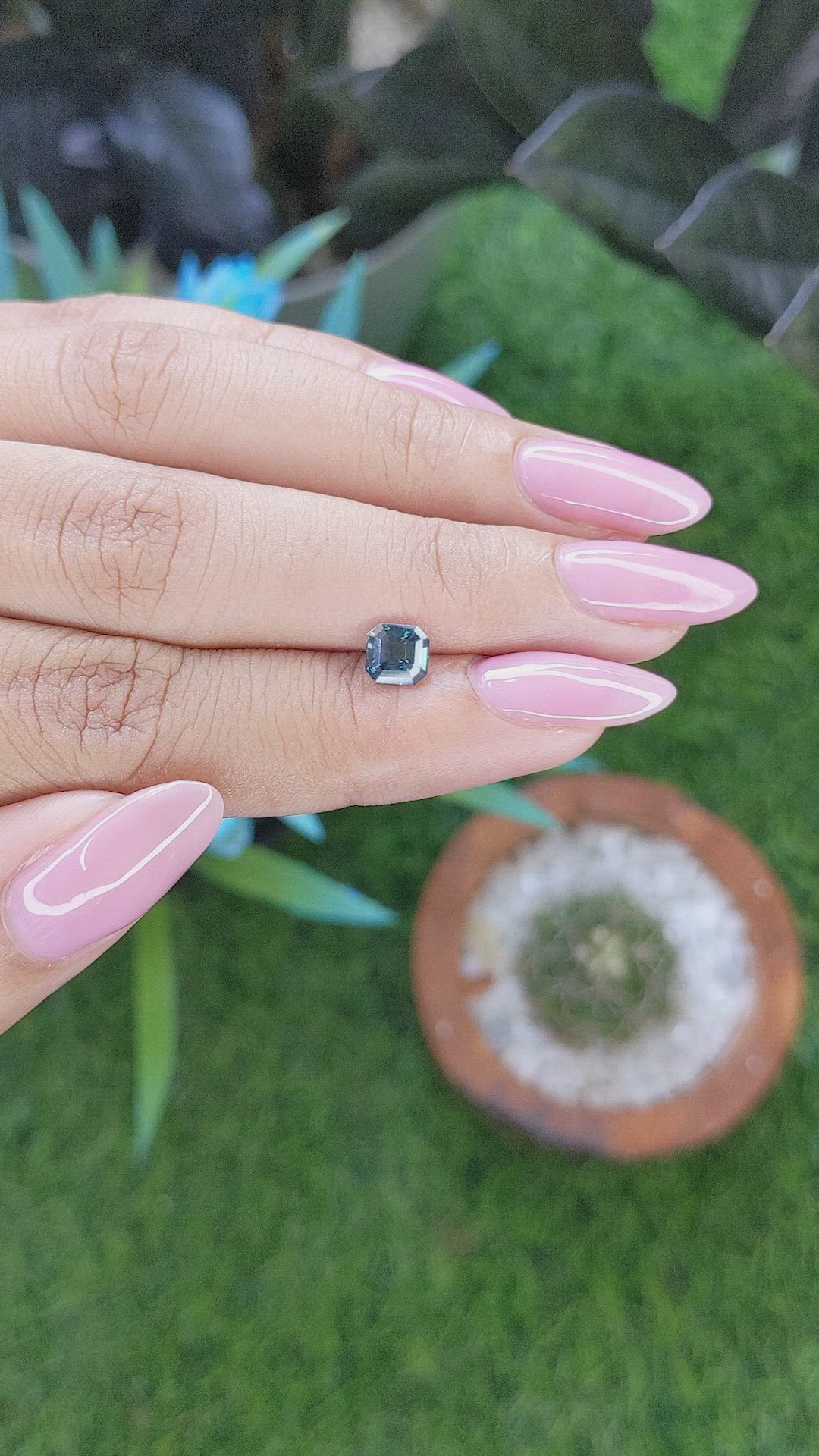
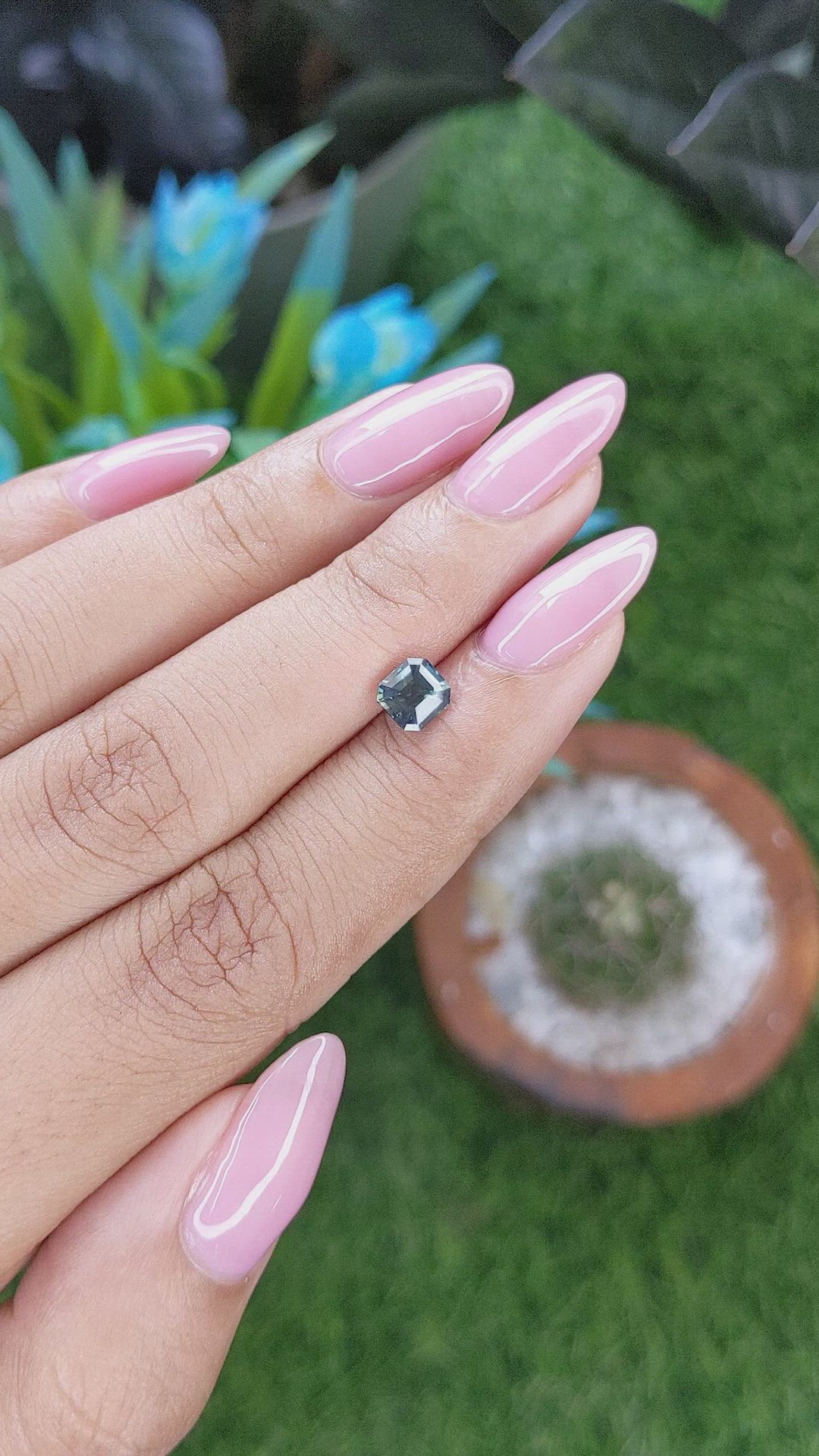
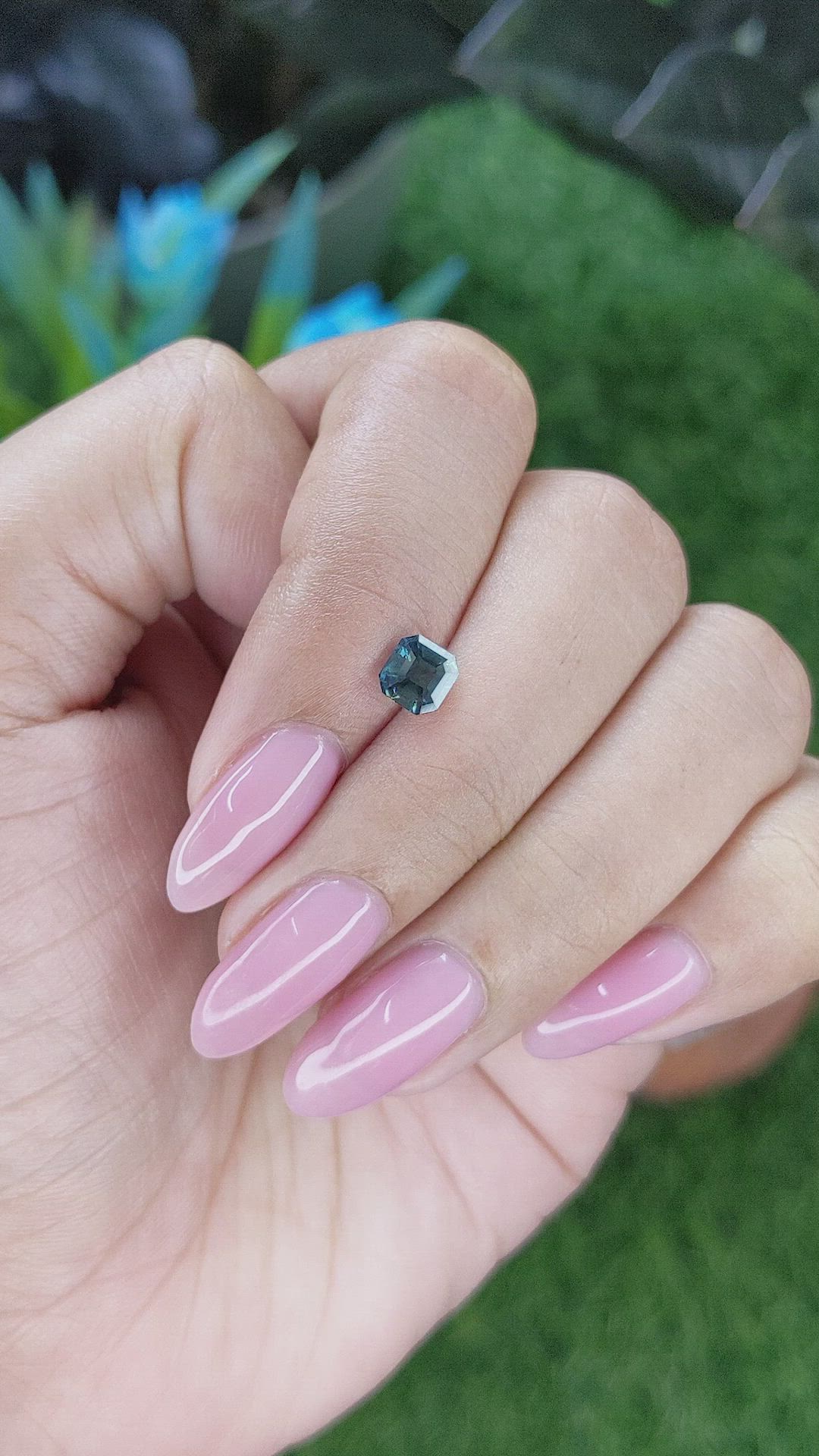


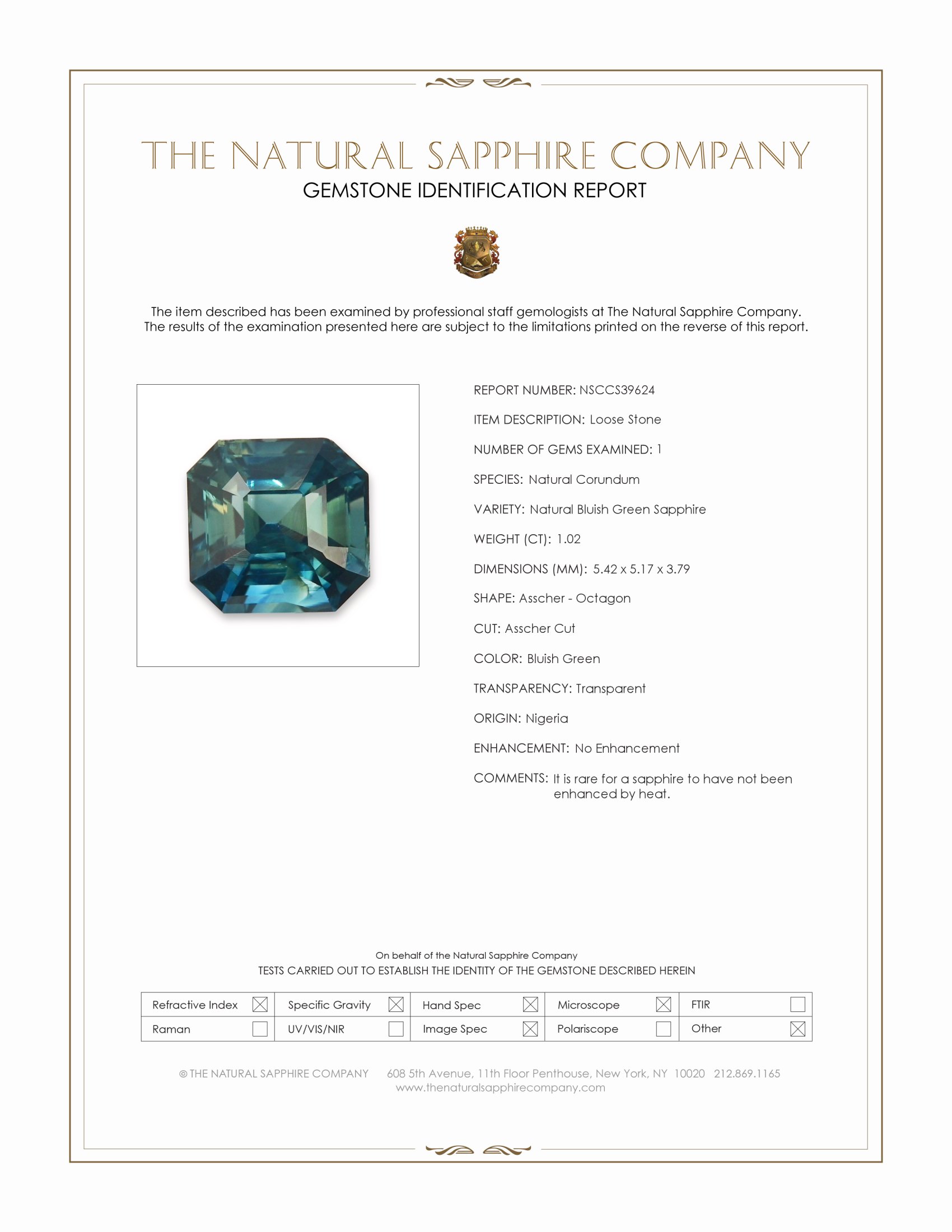

1.02 Ct. Bluish Green Sapphire from Nigeria
This loose stone ships by Oct 7
Item ID: | S39624 |
|---|---|
Dimensions (MM): help | Length: 5.42 Width: 5.17 Height: 3.79 |
Weight: | 1.02 Ct. |
Color: help | Bluish Green |
Color intensity: help | Intense |
Clarity: help | Very Slightly Included |
Shape: help | Asscher - Octagon |
Cut: | Asscher Cut |
Cutting style: | Faceted |
Enhancements: help | No Enhancement |
Origin: help | Nigeria |
Per carat price: help | $1,050 |
This is a beautiful, transparent 1.02 carat asscher octagon bluish green sapphire offered by The Natural Sapphire Company, a stone whose weight immediately distinguishes it in the market. Crossing the one carat threshold is a meaningful milestone for colored gemstones, because per carat prices tend to increase exponentially rather than linearly as weight rises. A 1.02 carat sapphire with this degree of hue and clarity occupies a different pricing band than stones in the 0.75 to 0.99 carat range, and for collectors or fine jewelry makers the additional weight is both a marker of rarity and a practical gain in presence when set. This sapphire measures 5.42 by 5.17 by 3.79 millimeters, dimensions that are compact yet visually generous on a finger, and that carry the substance necessary to show deep, saturated color without the fragility or inclusions often found in larger, lower quality material.
The asscher cut, here applied to an octagon outline, is uncommon for sapphire and speaks to deliberate cutting choices made to balance weight retention with optical performance. The proportions yield an average diameter of roughly 5.30 millimeters and a depth of 3.79 millimeters, which corresponds to an approximate depth percentage of 71.6 percent. That slightly deeper pavilion helps concentrate light and intensify the stone’s bluish green hue, creating a lively, velvety appearance under a range of lighting conditions. The asscher step facets create broad flashes and a controlled internal reflection pattern that emphasizes the color rather than dispersion, making the gem appear richly saturated yet crisp. Excellent polish ensures facet junctions are smooth and light is transmitted cleanly, so the stone reads with clarity and brilliance that punch above its size, an important consideration when evaluating gemstones at this price point.
Clarity is graded as very slightly included when evaluated at eye level, a practical and market-friendly grade for sapphires. This means inclusions are minimal, not affecting transparency or durability, and for most observers the gem will read as eye clean. Inclusions are predictable in natural stones and can even serve as microscopic fingerprints attesting to natural origin, but the scarcity of conspicuous internal features enhances the stone’s appeal. Equally significant is that this sapphire is untreated, enhancement none, which is comparatively rare in the trade. Heat treatment is common and often stable and acceptable, but an unenhanced natural sapphire with intense color and clean appearance commands a premium. The lack of treatment provides confidence to collectors and connoisseurs that the color and clarity are intrinsic to the crystal chemistry and geologic conditions under which it formed.
Origin adds another layer of interest and value. This sapphire is from Nigeria, a source that has produced noteworthy sapphires in a distinctive bluish green range. Sapphires from Nigeria can show a complex mix of blue and green with attractive depth and a slightly darker tone that appeals to buyers seeking something outside the conventional cornflower blue. For an educated buyer, the combination of an uncommon asscher cut, over one carat weight, very slightly included clarity at eye level, intense color intensity, excellent polish, and no enhancement creates a compelling value proposition. The weight alone elevates rarity, because natural, unenhanced sapphires with this color and clarity over one carat are less frequently encountered. At The Natural Sapphire Company we emphasize these attributes because they directly influence long term desirability and resale potential, and because they inform ring design decisions, such as choosing settings that showcase the step cut and protect the pavilion depth while letting the gem’s deep bluish green color dominate the visual field.


