
- Stone16
- Reports3


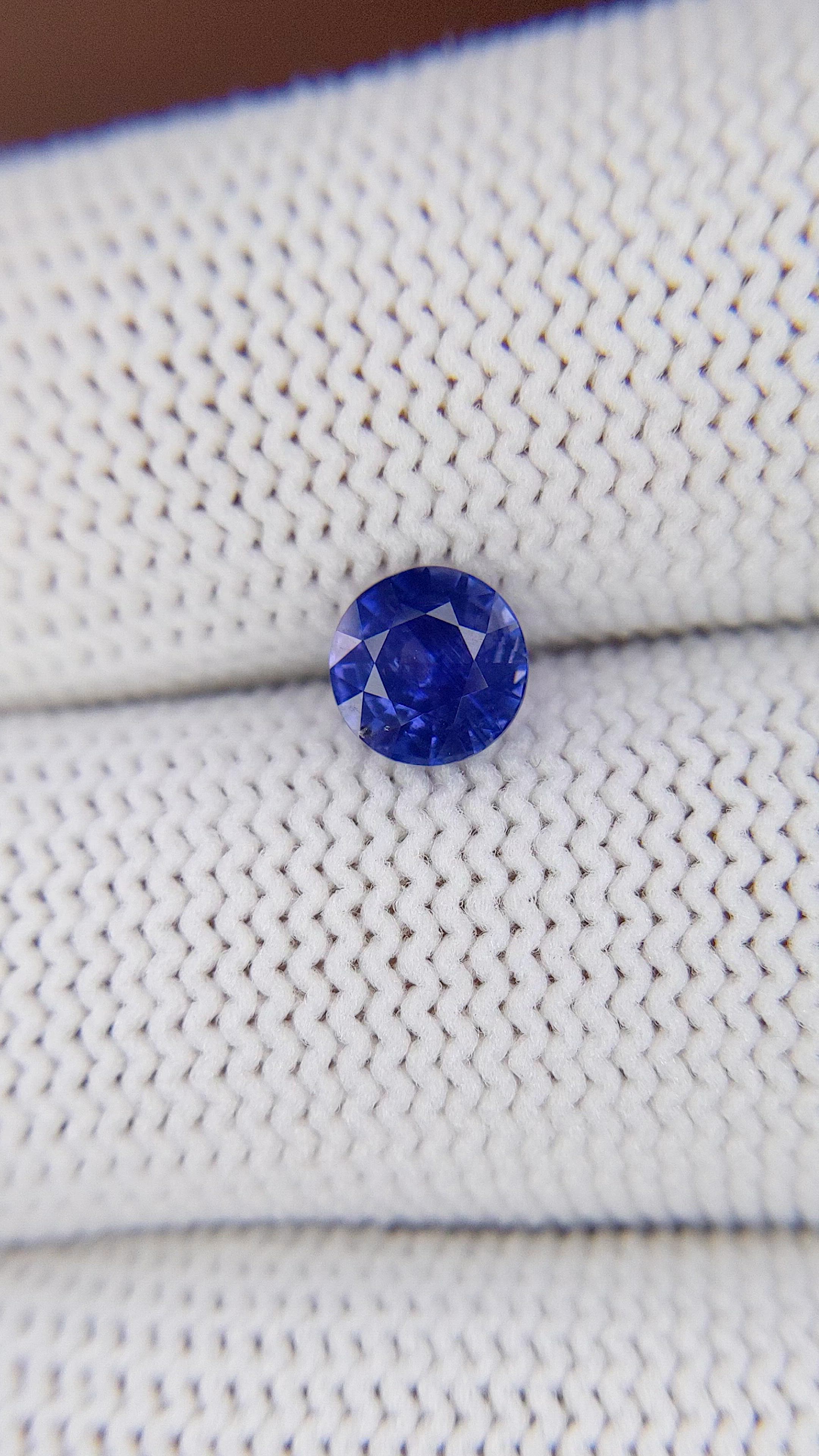
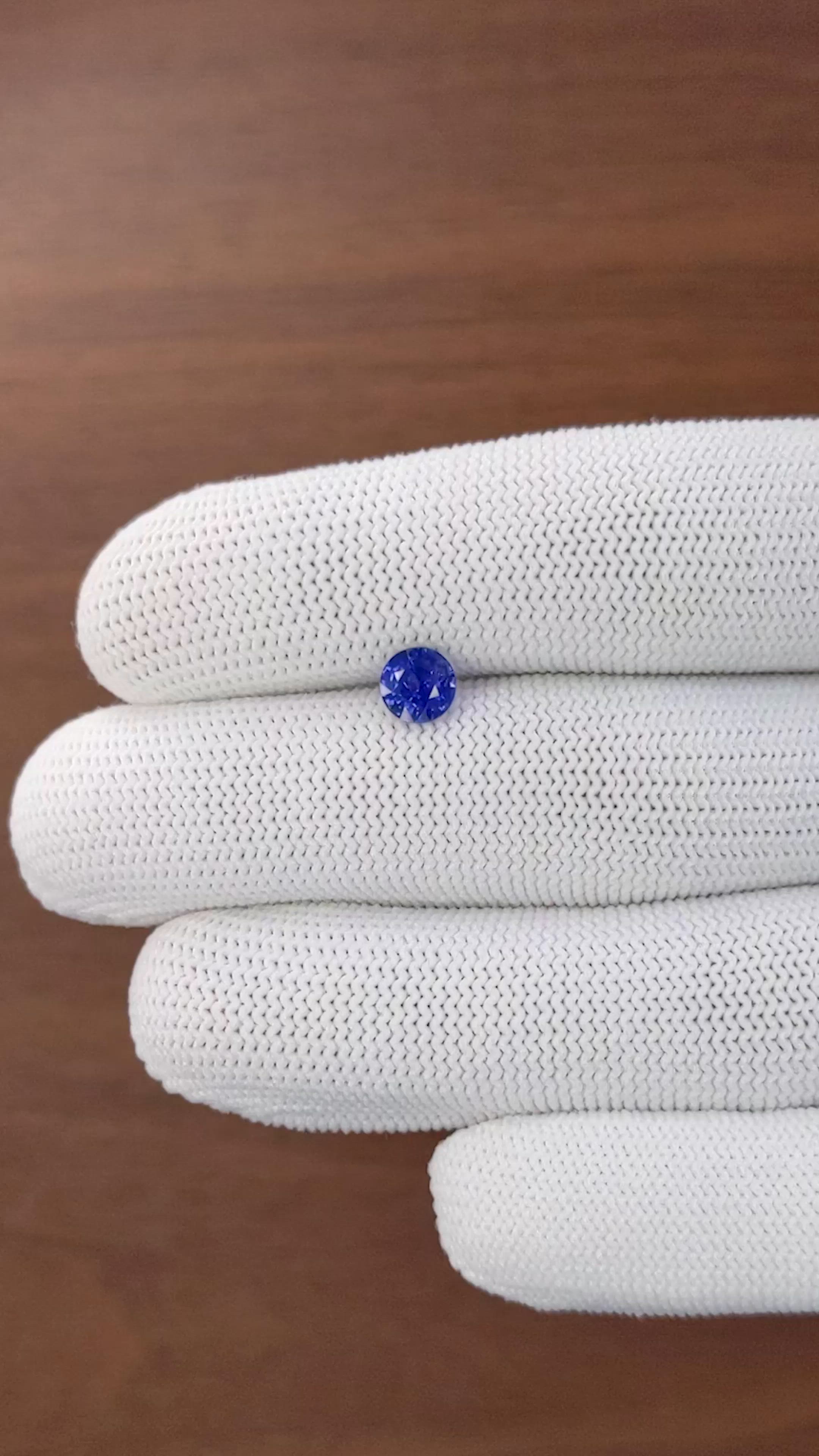
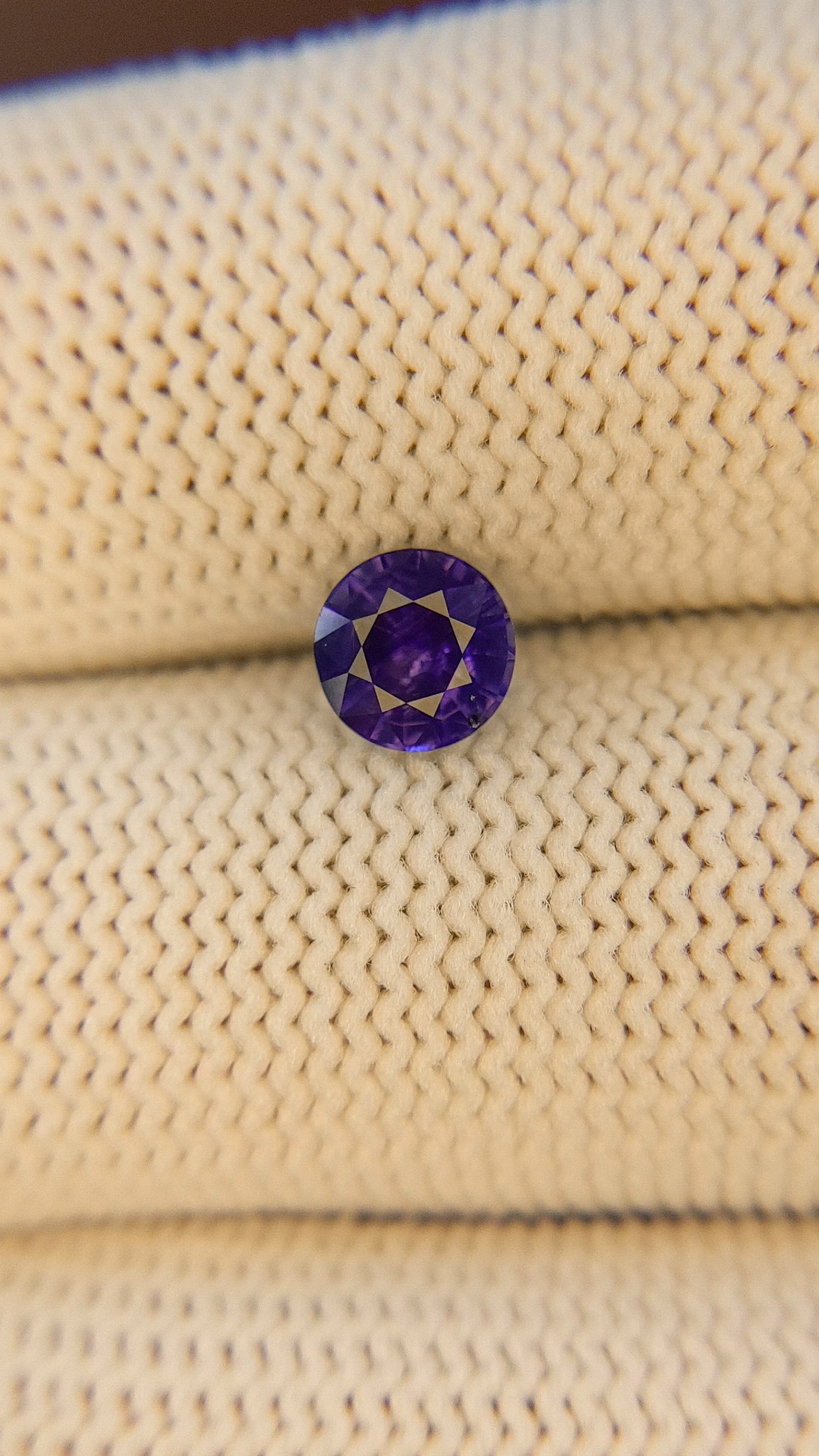
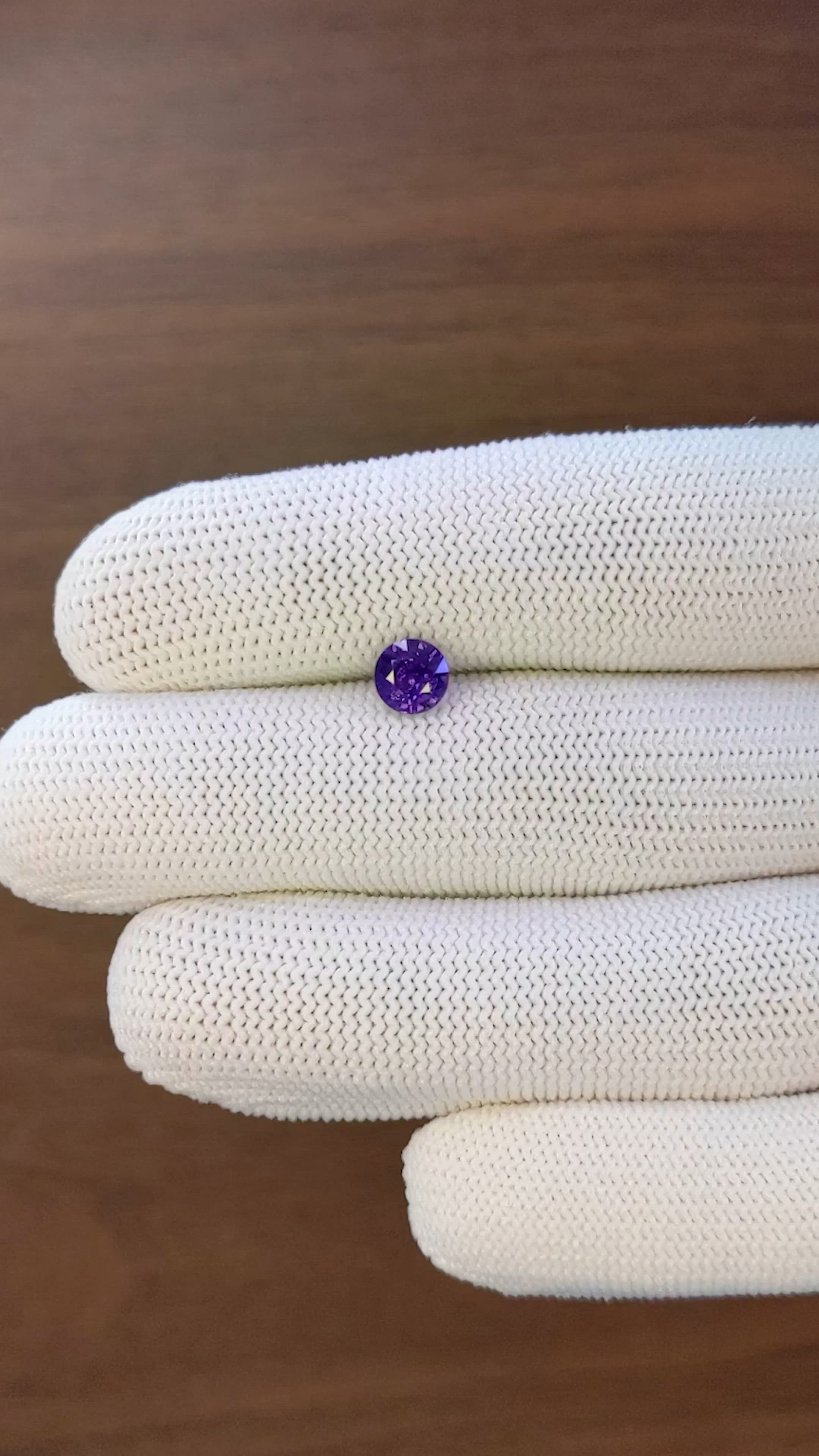
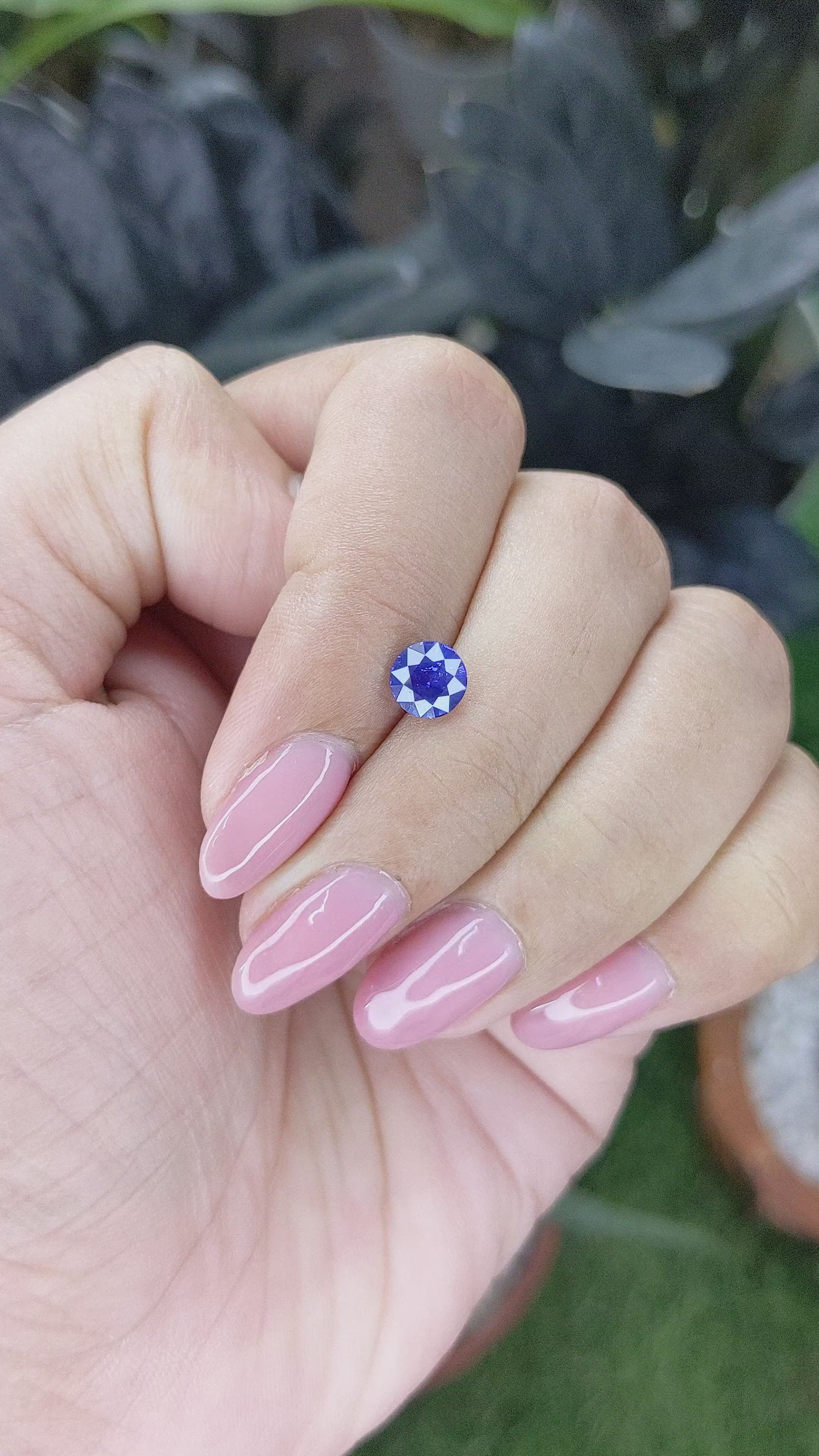
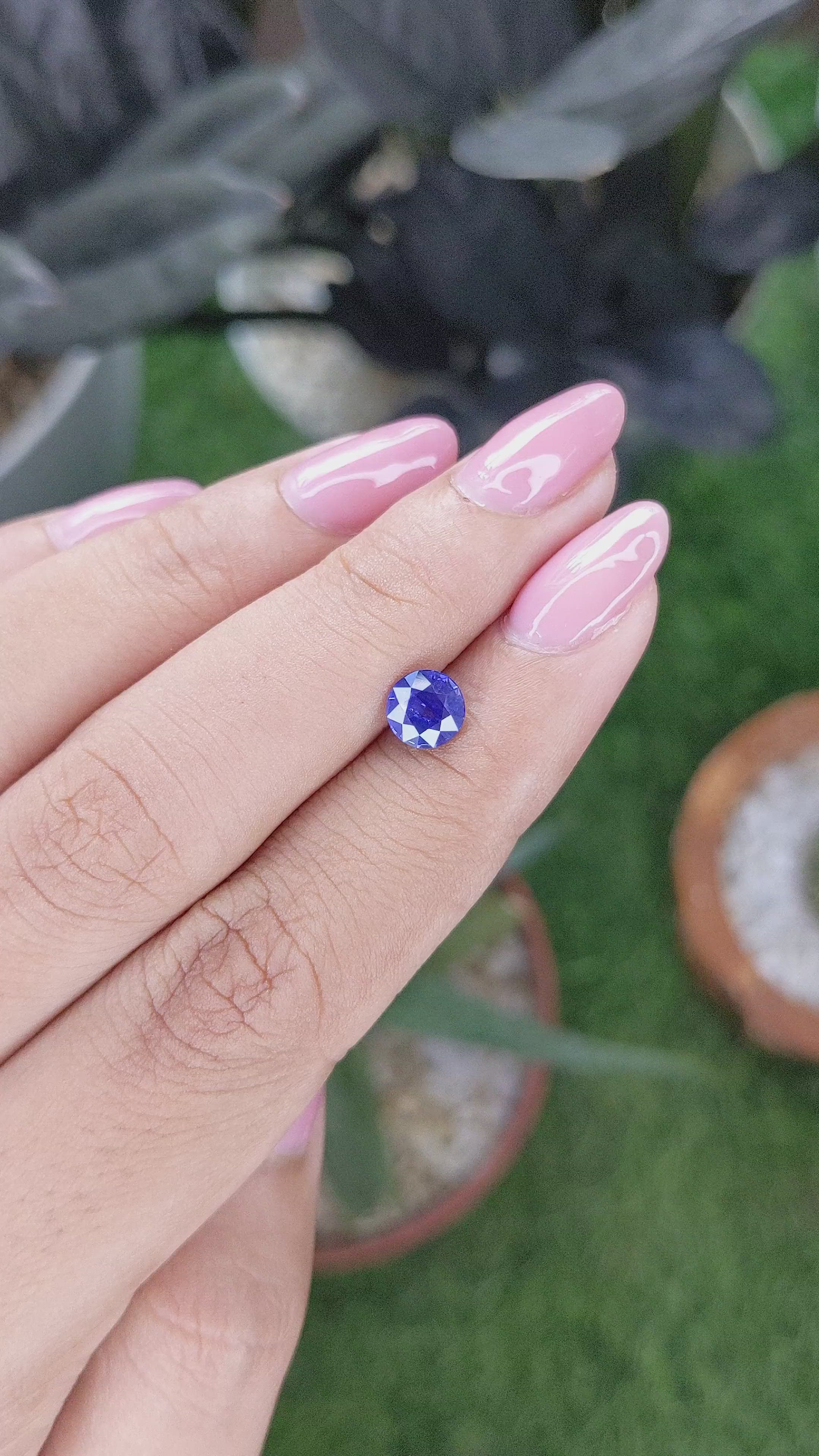
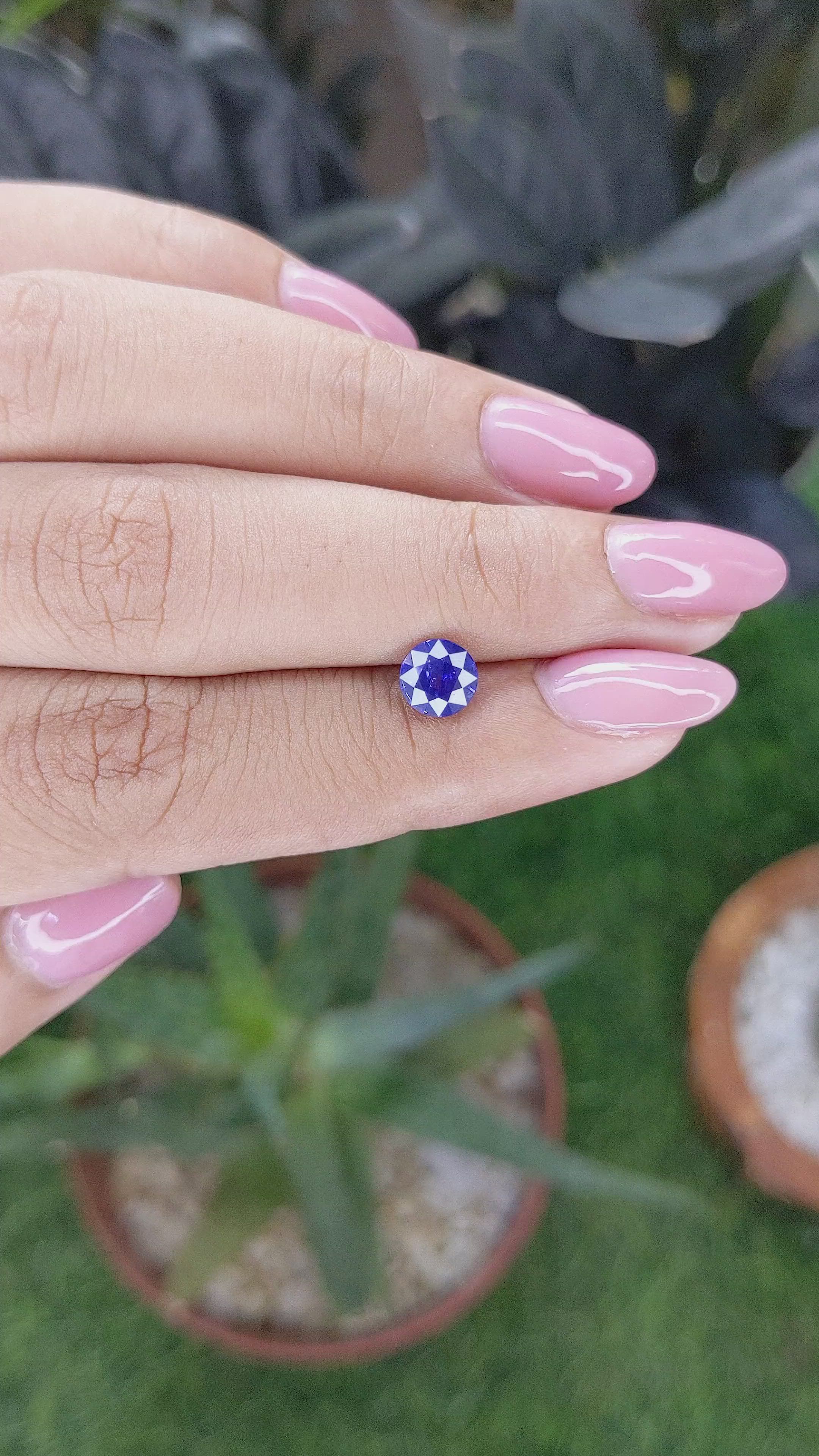


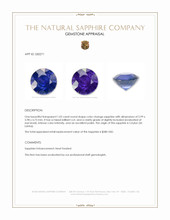


1.02 Ct. Color Change Sapphire from Ceylon (Sri Lanka)
This loose stone ships by Nov 30
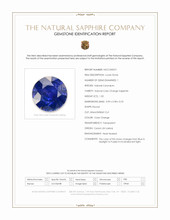
Item ID: | S50271 |
|---|---|
Dimensions (MM): help | Length: 5.99 Width: 5.98 Height: 3.73 |
Weight: | 1.02 Ct. |
Color: help | Color Change |
Color intensity: help | Intense |
Clarity: help | Slightly Included |
Shape: help | Round |
Cut: | Mixed Brilliant Cut |
Cutting style: | Faceted |
Enhancements: help | Heat Treated |
Origin: help | Ceylon (Sri Lanka) |
Per carat price: help | $569 |
This listing from The Natural Sapphire Company describes a transparent 1.02 carat, round shape color change sapphire, with precise dimensions of 5.99 by 5.98 by 3.73 millimeters. The stone is faceted in a mixed brilliant cut, combining a traditional brilliant crown with a modified pavilion that optimizes both scintillation and color saturation. Clarity is graded as slightly included when evaluated at eye level, and the gem displays intense color intensity with excellent polish across its facets. The sapphire has been heat treated, a standard and stable enhancement in the trade, and originates from Ceylon, Sri Lanka. These baseline specifications establish the gem as a compact, highly wearable size for a center stone in rings or study quality for collectors who prioritize optical performance and color phenomena in sapphires.
From a cutting and proportion standpoint this round mixed brilliant presents thoughtful geometry designed to favor color transmission while maintaining lively light return, the total depth measures 3.73 millimeters which corresponds to a depth percentage of approximately 62.3 percent relative to the average diameter. That proportion sits well within the typical range for mixed brilliant rounds, yielding a pavilion that is deep enough to concentrate the stone color, yet not so deep as to sacrifice table brightness. The faceting scheme utilizes a standard brilliant crown with small star and bezel facets to create crisp light leakage control, while the pavilion includes additional facet modifications to enhance face up color. The excellent polish manifests as sharp facet junctions and minimal surface abrasion, which together maximize both brilliance and the perceptible color change. The slightly included clarity grade denotes internal features that are visible to an experienced viewer at normal viewing distance, likely in the form of tiny crystals or fine needles near the pavilion, features that do not compromise structural integrity, and that can in fact act as light scattering centers to subtly enrich the gem tone when viewed from certain angles.
The color behavior of this Ceylon color change sapphire is one of its most compelling technical attributes, exhibiting a distinct shift from a primary vivid blue under fluorescent or daylight conditions to a more violet leaning hue under incandescent illumination. This blue to violet change indicates the presence of trace elements and pleochroic behavior, commonly associated with vanadium activation in Sri Lankan material, and the intensity of the tone remains strong across light sources. Compared to classic Kashmir sapphires, which are renowned for their velvety cornflower blue and softer medium to slightly deep tone, this stone reads as more saturated and with a clearer, more vivid face up presentation. Versus fine Burmese stones, which often display a denser, royal blue with heavier saturation and less violet tendency, the Ceylon color change offers a livelier, more dynamic spectrum shift. Compared to Madagascar sapphires that can show similar vivid blues but sometimes lean toward darker violet or inky tones, and compared to Montana sapphires which trend toward paler, steelier blues, this Sri Lankan example sits at a higher end of visible color activity, with a crisper, more saturated hue and an intense tone that remains lively under a range of lighting. For jewelers and collectors who favor a stone that communicates both brilliance and a demonstrable color change phenomenon, this mixed brilliant 1.02 carat Ceylon sapphire represents a technically refined choice, ideally suited to a setting that showcases the table and protects the pavilion, and it is offered and supported by The Natural Sapphire Company.


