
- Stone14
- Reports3


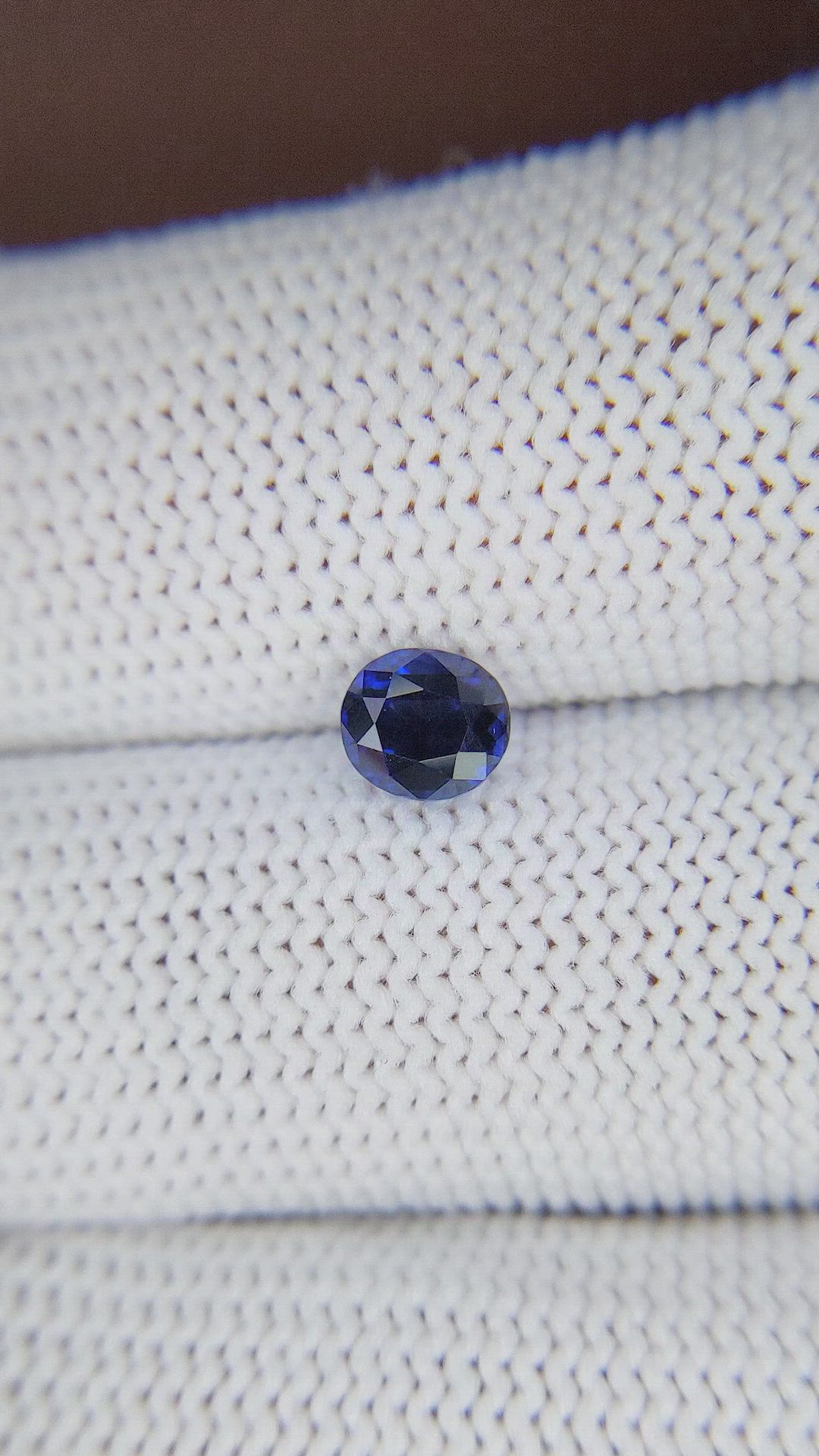
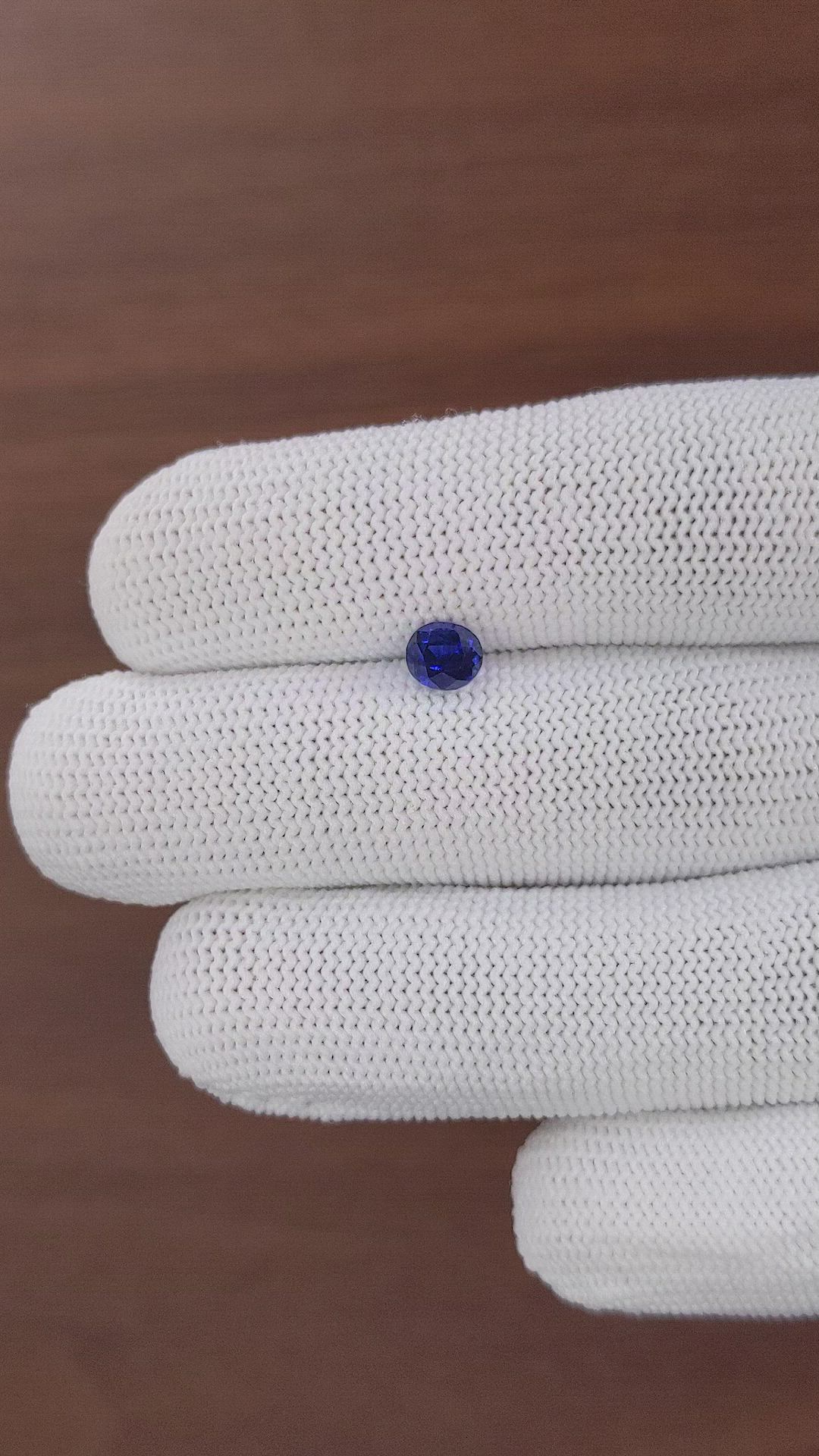
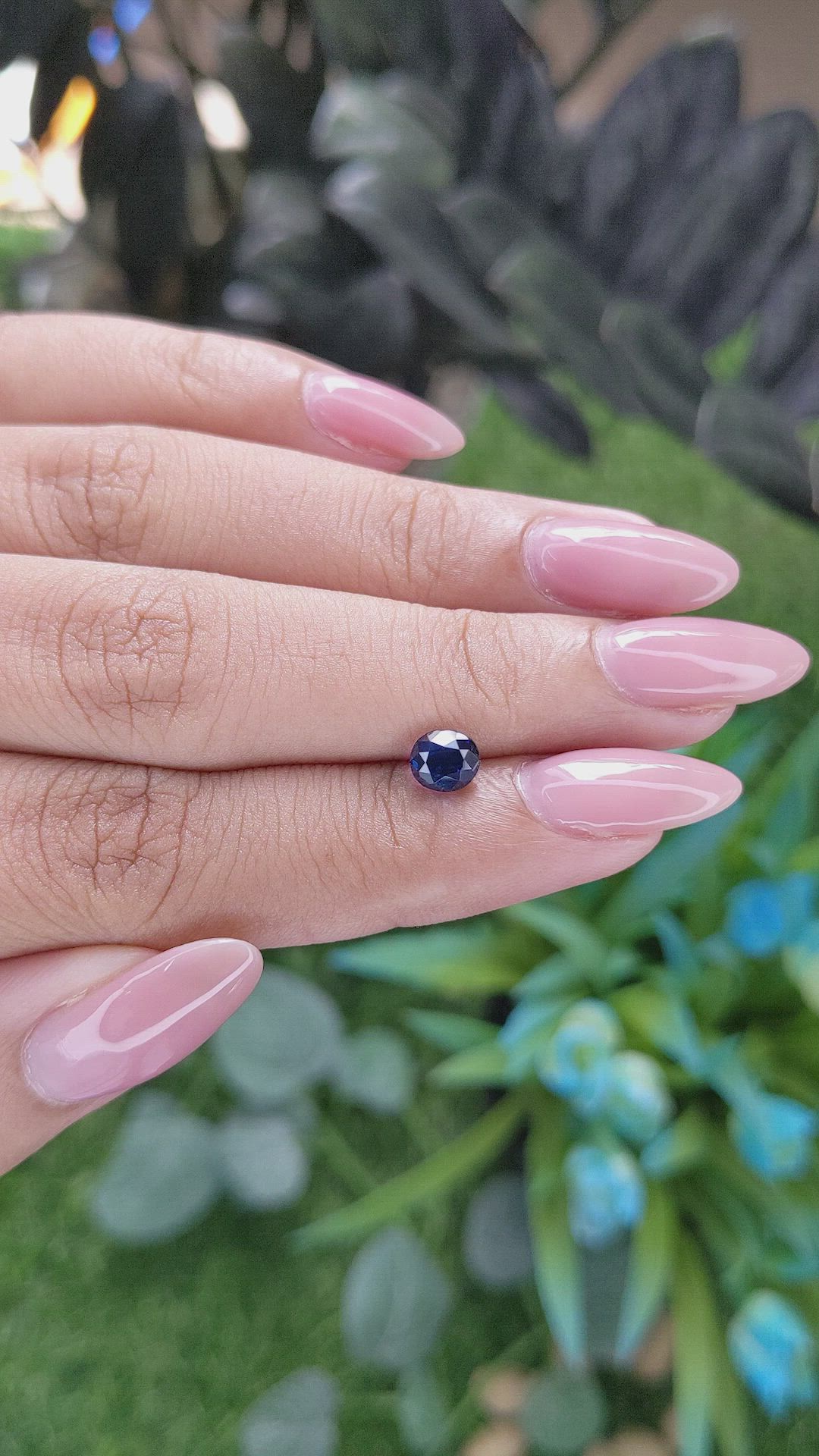
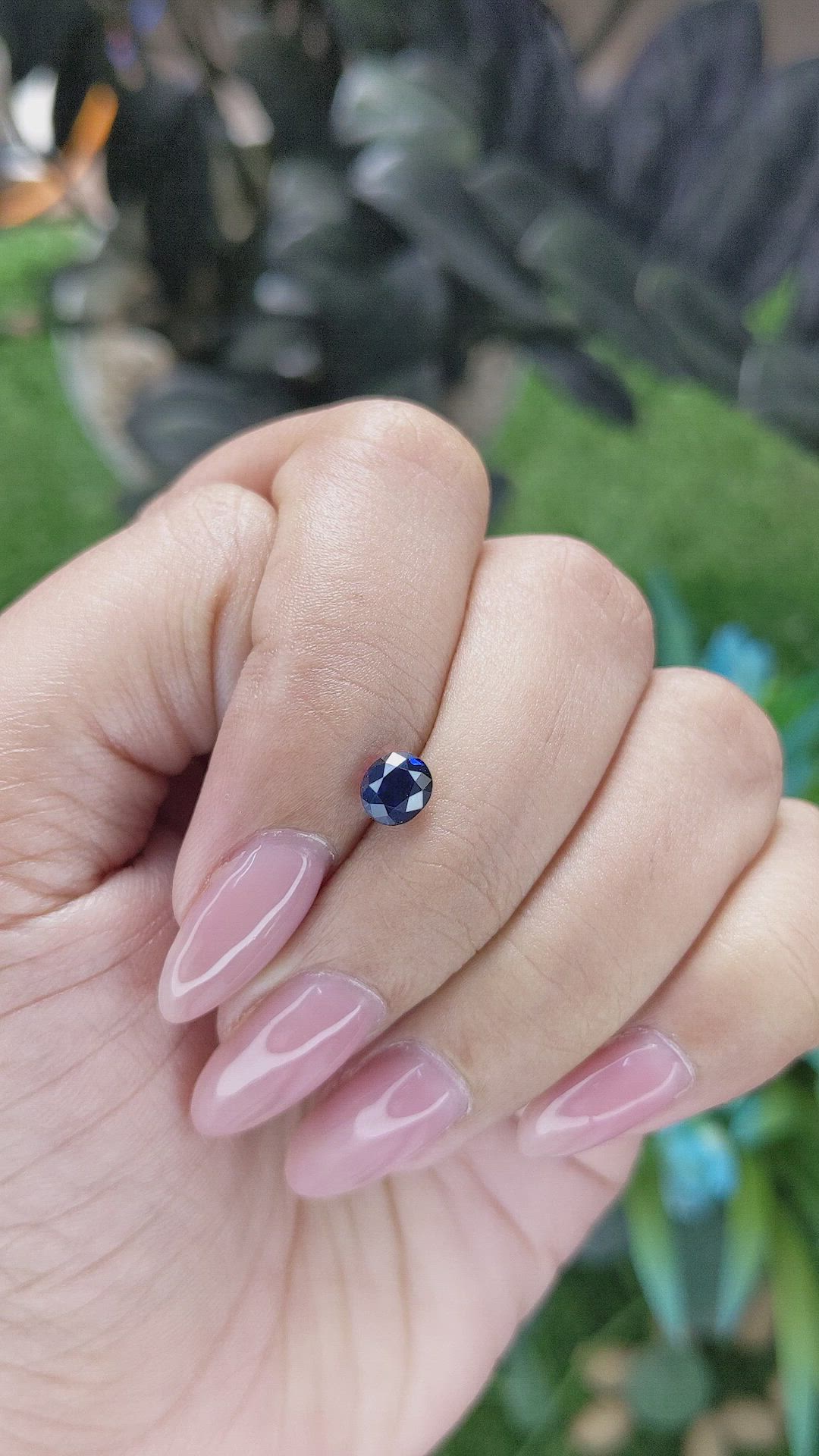
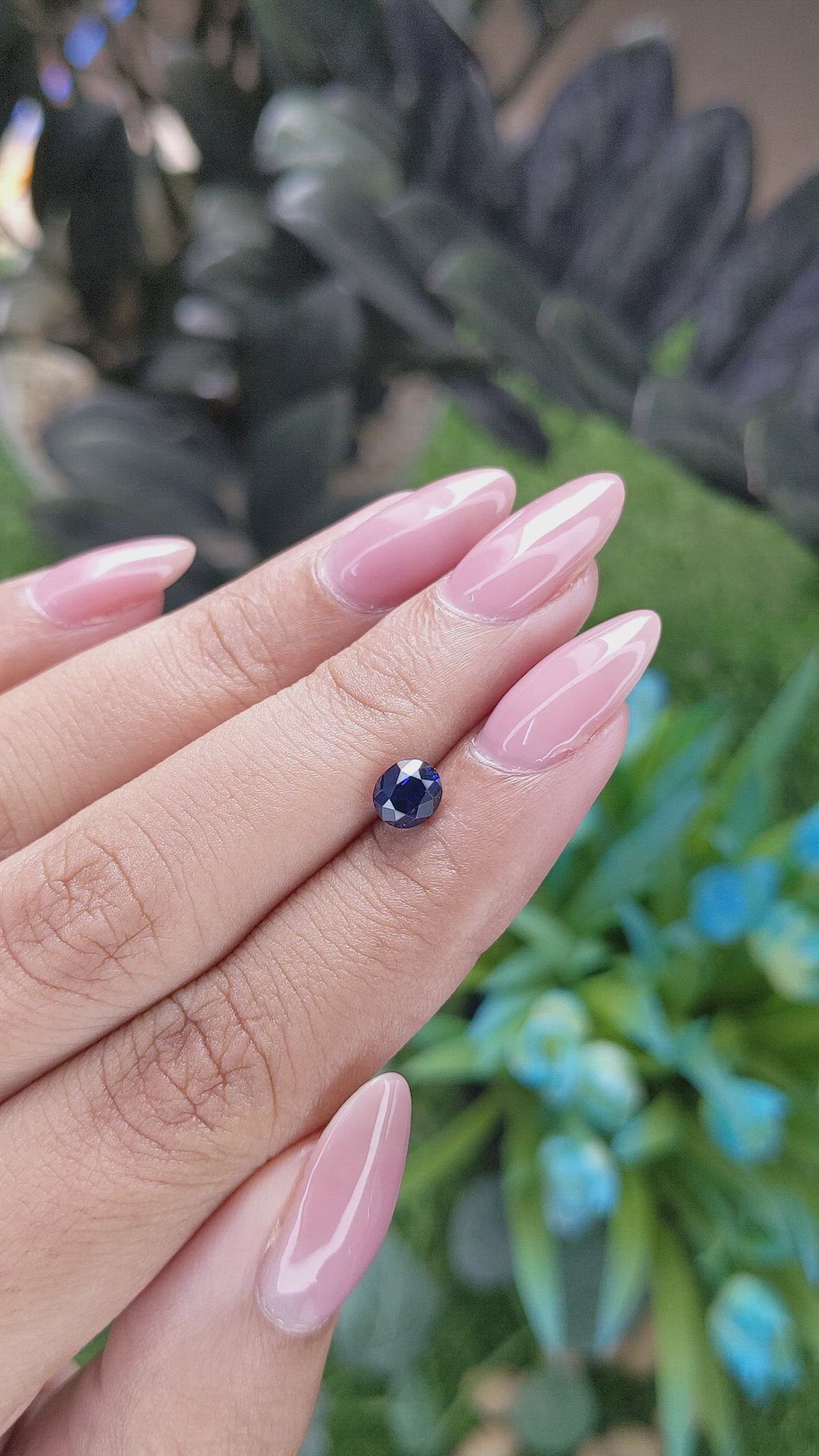



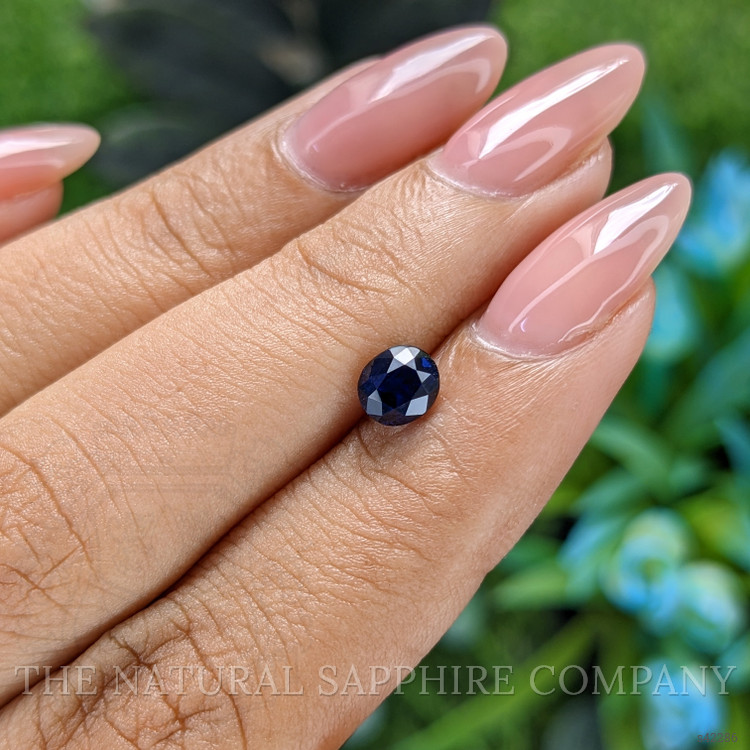
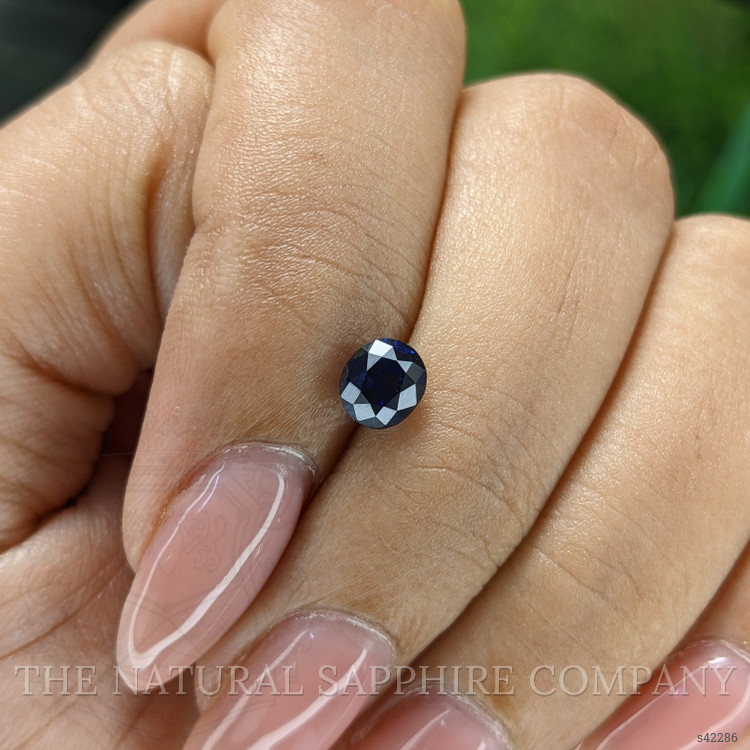
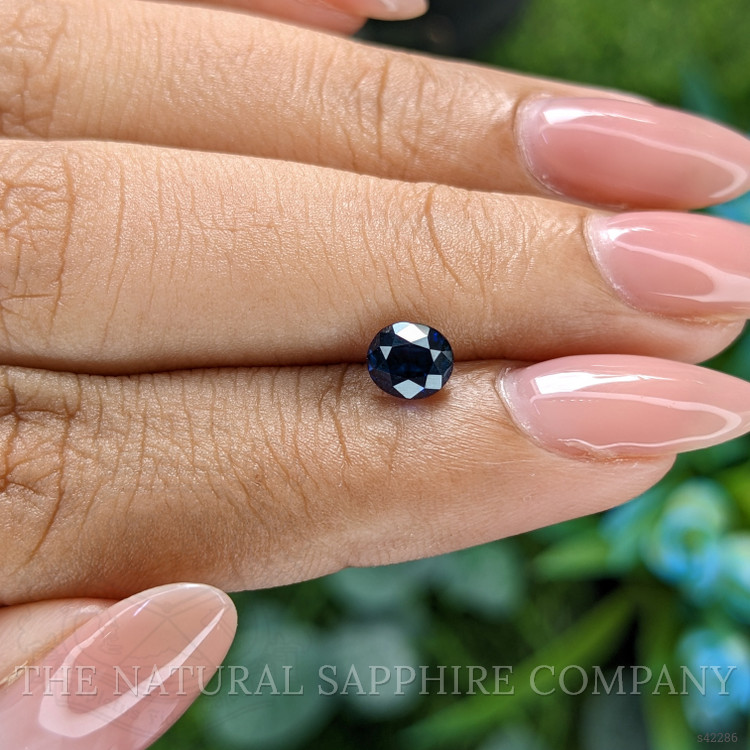


0.90 Ct. Blue Sapphire from Madagascar
This loose stone ships by Oct 16
Item ID: | S42286 |
|---|---|
Dimensions (MM): help | Length: 5.54 Width: 4.92 Height: 3.78 |
Weight: | 0.90 Ct. |
Color: help | Blue |
Color intensity: help | Vivid |
Clarity: help | Very Slightly Included |
Shape: help | Oval |
Cut: | Mixed Brilliant Cut |
Cutting style: | Faceted |
Enhancements: help | No Enhancement |
Origin: help | Madagascar |
Per carat price: help | $2,222 |
One beautiful transparent 0.90 carat oval shape blue sapphire is presented, measuring 5.54 x 4.92 x 3.78 mm, cut in a mixed brilliant style. The cutting style combines a faceted crown with a pavilion designed to balance color and light return, creating a lively interplay of blue tones. The stone carries a clarity grade of very slightly included when evaluated at eye level, indicating minor internal features that do not materially detract from the gem presence or light performance. Color intensity is described as vivid, delivering a rich, saturated blue that remains the principal visual characteristic, and the polish is graded excellent, providing crisp facet junctions and smooth facet surfaces which enhance brilliance. Enhancement testing shows no enhancement, and the material is natural in origin, sourced from Madagascar, a locality known for producing sapphires with clear, deep blue tones. These objective specifications outline the gem as a compact yet visually weighty oval sapphire, suitable for fine jewelry applications where a concentrated color presence is desired.
The mixed brilliant cut of this oval sapphire influences both its optical behavior and its perceived size, helping to maximize light return within the proportions given. The moderate diameter of 5.54 by 4.92 mm paired with a depth of 3.78 mm yields a profile that balances face up appearance with internal light performance, allowing the vivid color to present evenly across the table while permitting facet reflections to enliven the stone. Very slightly included clarity at eye level means that inclusions are minor and often confined to locations that interact constructively with facet reflections, rather than distracting from them. Excellent polish contributes significantly to perceived brightness, because smooth facets reflect light more cleanly and reduce light leakage. Sapphires frequently exhibit pleochroism, and this stone may show subtle variations in blue tone from different viewing angles, a characteristic that the mixed brilliant cutting pattern accentuates through changing facet orientations. Taken together, the cut, clarity, and polish deliver a sapphire that combines saturated color with responsive light return, suitable for close viewing in jewelry such as rings, pendants, or bespoke settings.
Lighting conditions have a pronounced effect on the visual character of this sapphire, and understanding that interaction helps set expectations for daily wear and presentation. In bright natural daylight the vivid blue will generally appear at its most saturated and true to tone, with direct sun producing strong facet contrast and lively scintillation as both white light and sky light interact with the mixed brilliant facets. In open shade or overcast daylight the stone will read as a uniform, deep blue, with fewer high contrast flashes and a more velvety, consistent appearance across the table. Warm incandescent light, such as traditional tungsten, tends to shift the perceived hue slightly toward the deeper and more muted end of the spectrum, often producing a richer, almost velvety blue with less apparent brightness, because the warmer spectrum reduces shorter blue light components. Cool white LED and high quality fluorescent light sources with high color rendering indices will render the sapphire with clarity and vibrancy, often emphasizing contrast between facet reflections and the body color and making the vivid intensity seem brighter and more electric. Under low ambient light or candlelight the sapphire will become darker, taking on a more mysterious and intense presence, with selective facet reflections appearing as pinpoints of light rather than broad flashes, and the overall impression becoming one of depth rather than brilliance. Under focused spot lighting, such as display or photographic illumination, the mixed brilliant cut will produce pronounced scintillation and return of white light, while the vivid color maintains a strong visual anchor, because the stone is transparent and well polished.
Practical considerations for setting and care follow directly from the gem attributes, and these factors affect how the sapphire will perform in everyday contexts. Because this sapphire is untreated, with no enhancement reported, its vivid color is inherent to the material, a quality that is often preferred for long term durability of color and for collector or bespoke projects. The gem is hard and durable, suitable for rings and other daily wear settings when mounted securely, and the compact dimensions make it versatile for use as a single center stone or as part of a multi stone arrangement. Metal choice influences perception, with white metals providing higher contrast that can make the blue appear cooler and more vivid, while yellow or rose metals impart a warmer backdrop that may soften the perceived tone. Clean the stone with warm soapy water and a soft brush for routine care, avoid harsh chemicals and abrasive cleaning agents, and have settings checked periodically to ensure secure mounting. The Natural Sapphire Company documents the provenance and gemological attributes of this sapphire on request, and we can provide further information about certification, mounting options, and lighting demonstrations to help match the stone to a specific design intent. This sapphire combines measured dimensions, natural vivid color, excellent polish, and the absence of enhancement, making it a technically attractive and visually engaging choice for a range of fine jewelry applications.


