
- Stone16
- Reports3
-pear-blue-sapphire-0.4500-cts-s46575-1.jpg?d=200x200&v=20260813071426)
-pear-blue-sapphire-0.4500-cts-s46575-lifestyleimage-1.jpg?d=200x200&v=20260815041328)
-pear-blue-sapphire-0.4500-cts-s46575-lifestyleimage-2.jpg?d=200x200&v=20260815041328)
-pear-blue-sapphire-0.4500-cts-s46575-lifestyleimage-3.jpg?d=200x200&v=20260815041328)
-pear-blue-sapphire-0.4500-cts-s46575-lifestyleimage-4.jpg?d=200x200&v=20260815041328)


-pear-blue-sapphire-0.4500-cts-s46575-1.jpg?d=750x750&s=nsc&v=20260813071426)
-pear-blue-sapphire-0.4500-cts-s46575-lifestyleimage-1.jpg?d=750x750&s=nsc&v=20260815041328)
-pear-blue-sapphire-0.4500-cts-s46575-lifestyleimage-2.jpg?d=750x750&s=nsc&v=20260815041328)
-pear-blue-sapphire-0.4500-cts-s46575-lifestyleimage-3.jpg?d=750x750&s=nsc&v=20260815041328)
-pear-blue-sapphire-0.4500-cts-s46575-lifestyleimage-4.jpg?d=750x750&s=nsc&v=20260815041328)


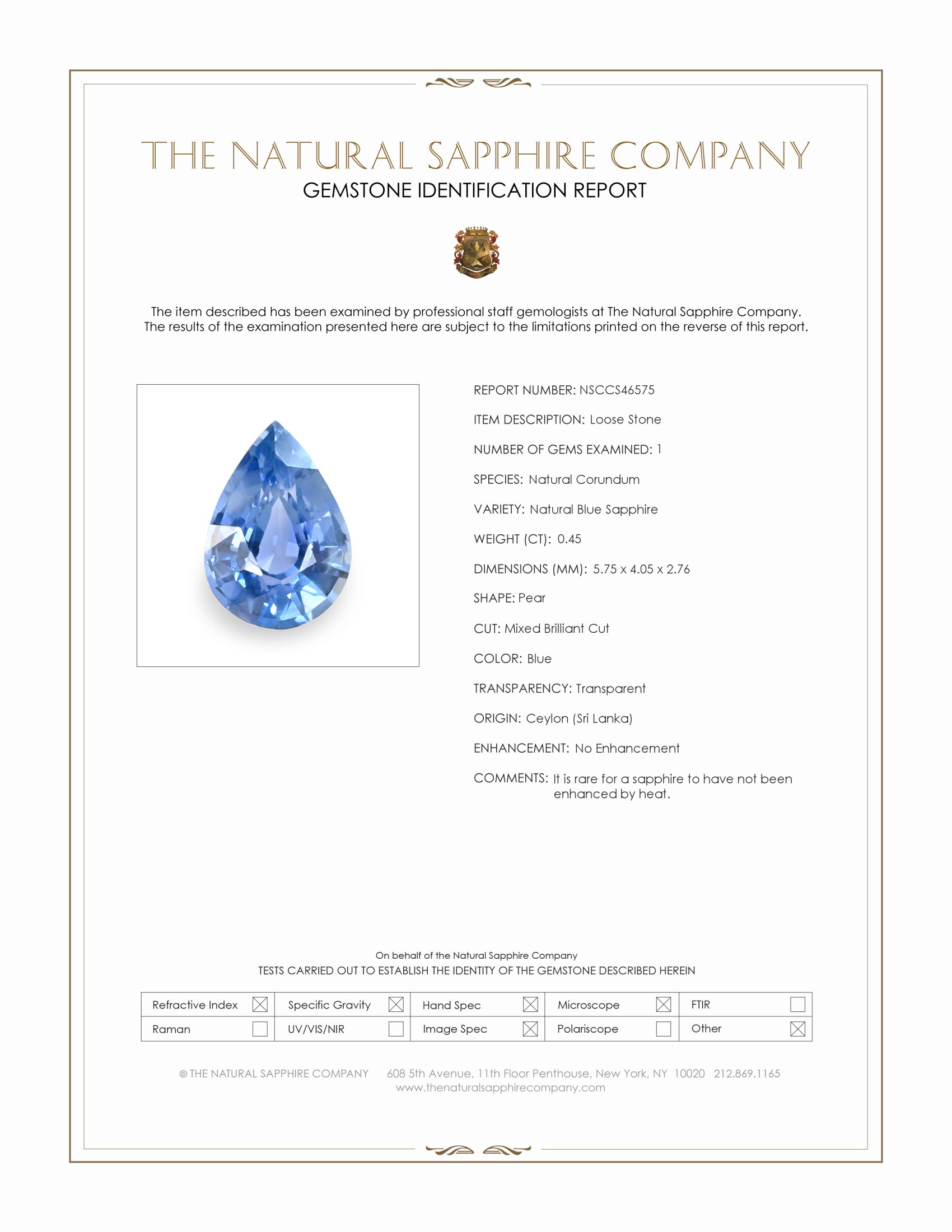

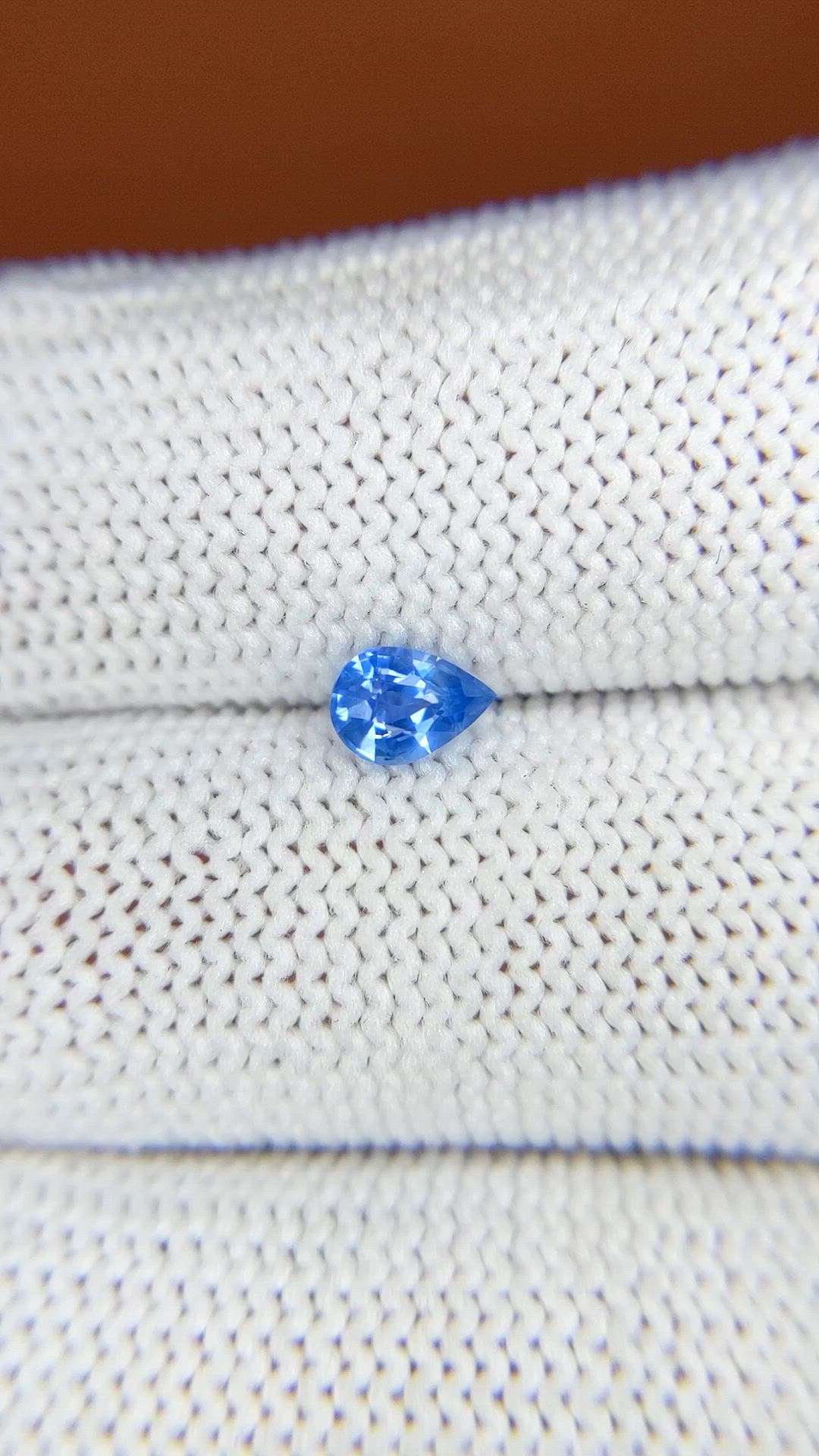
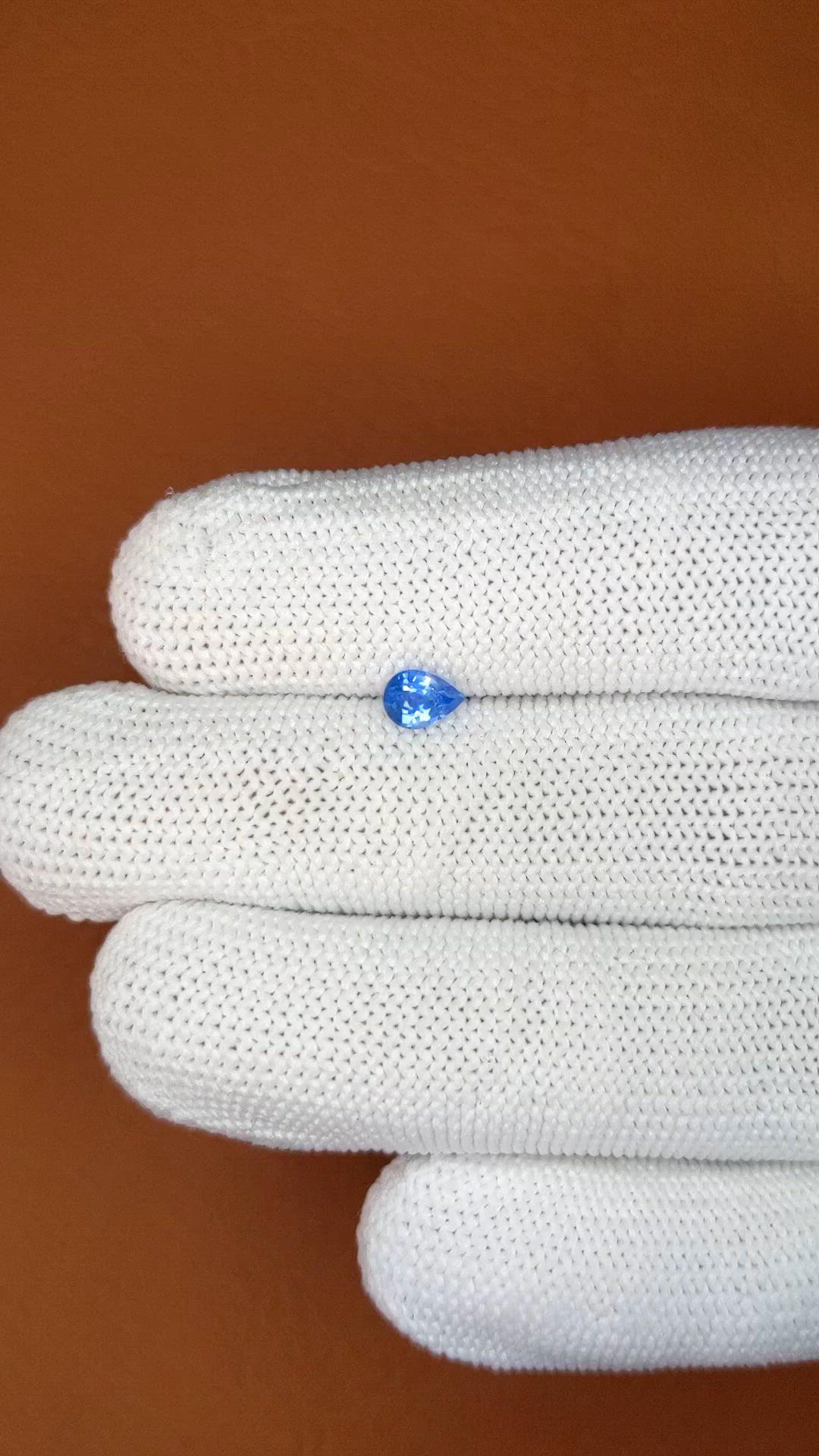
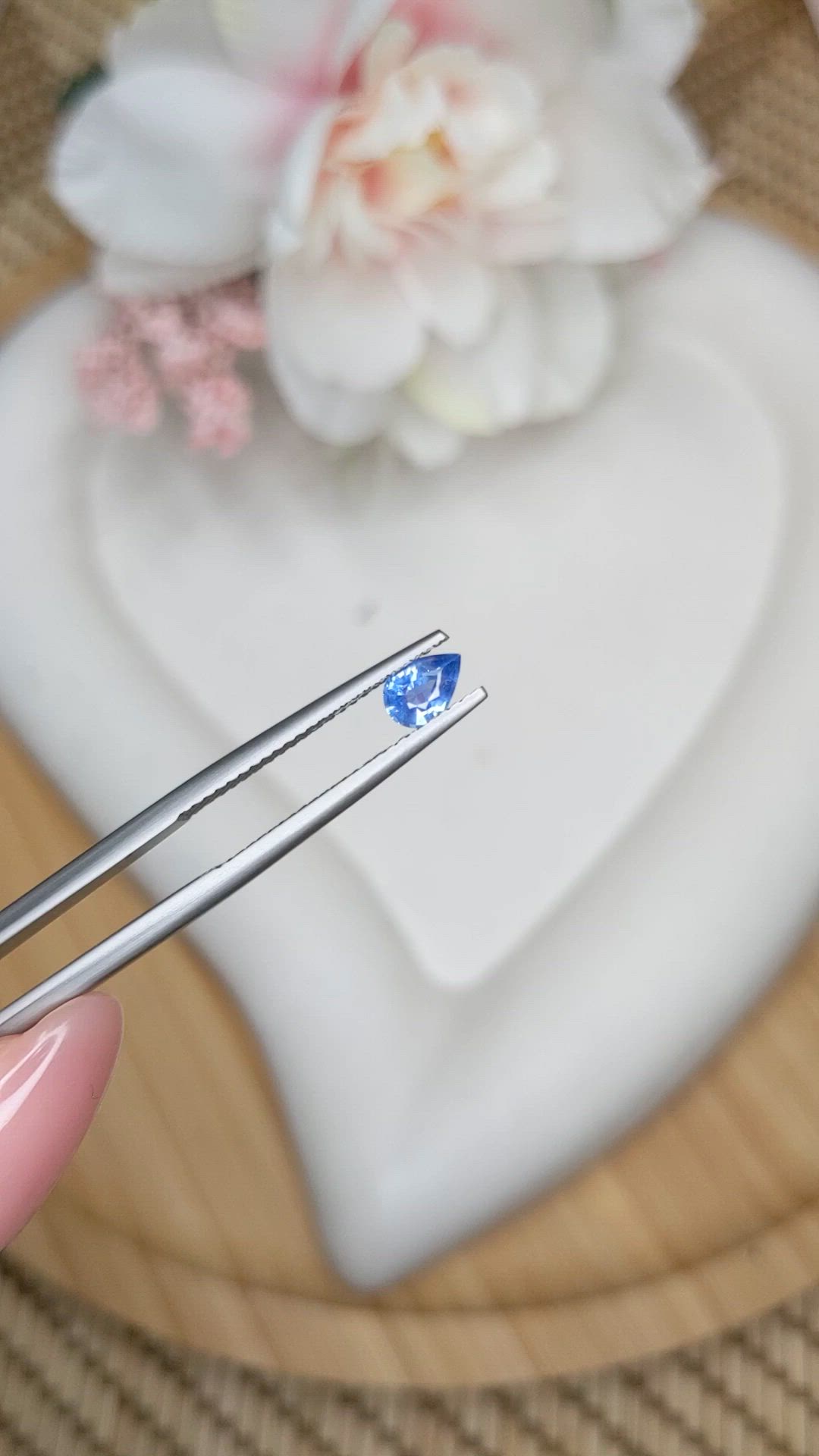
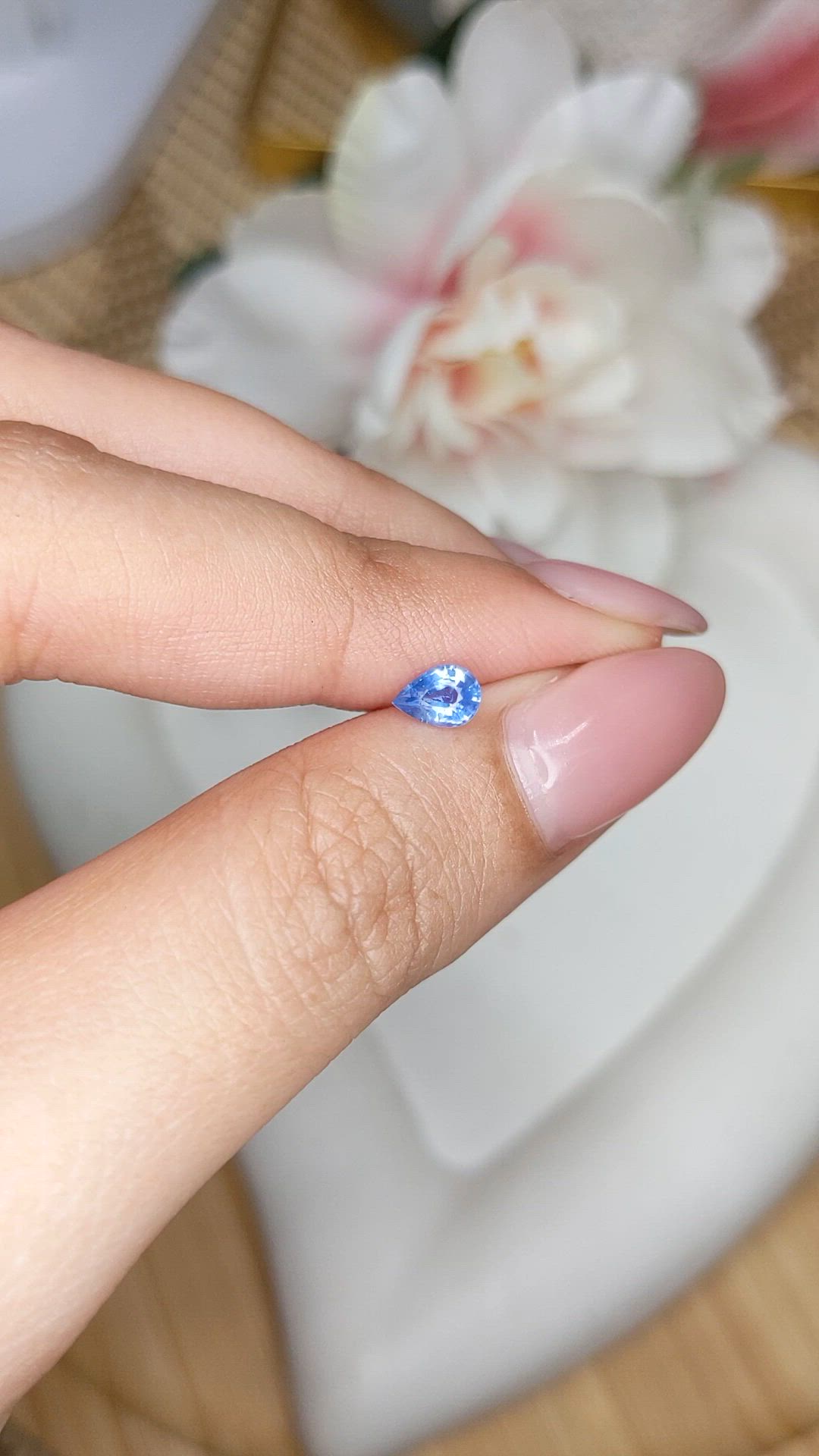
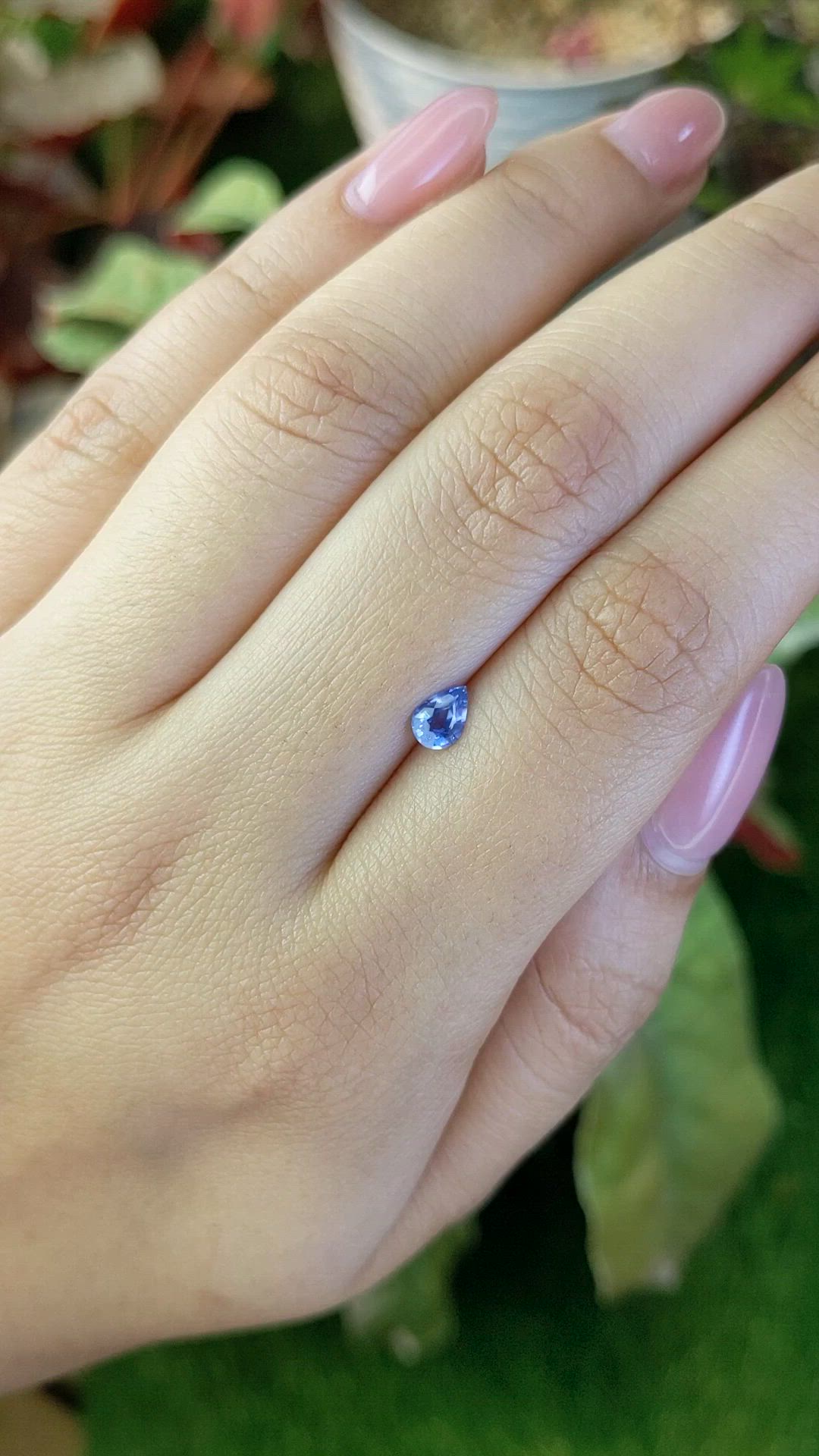
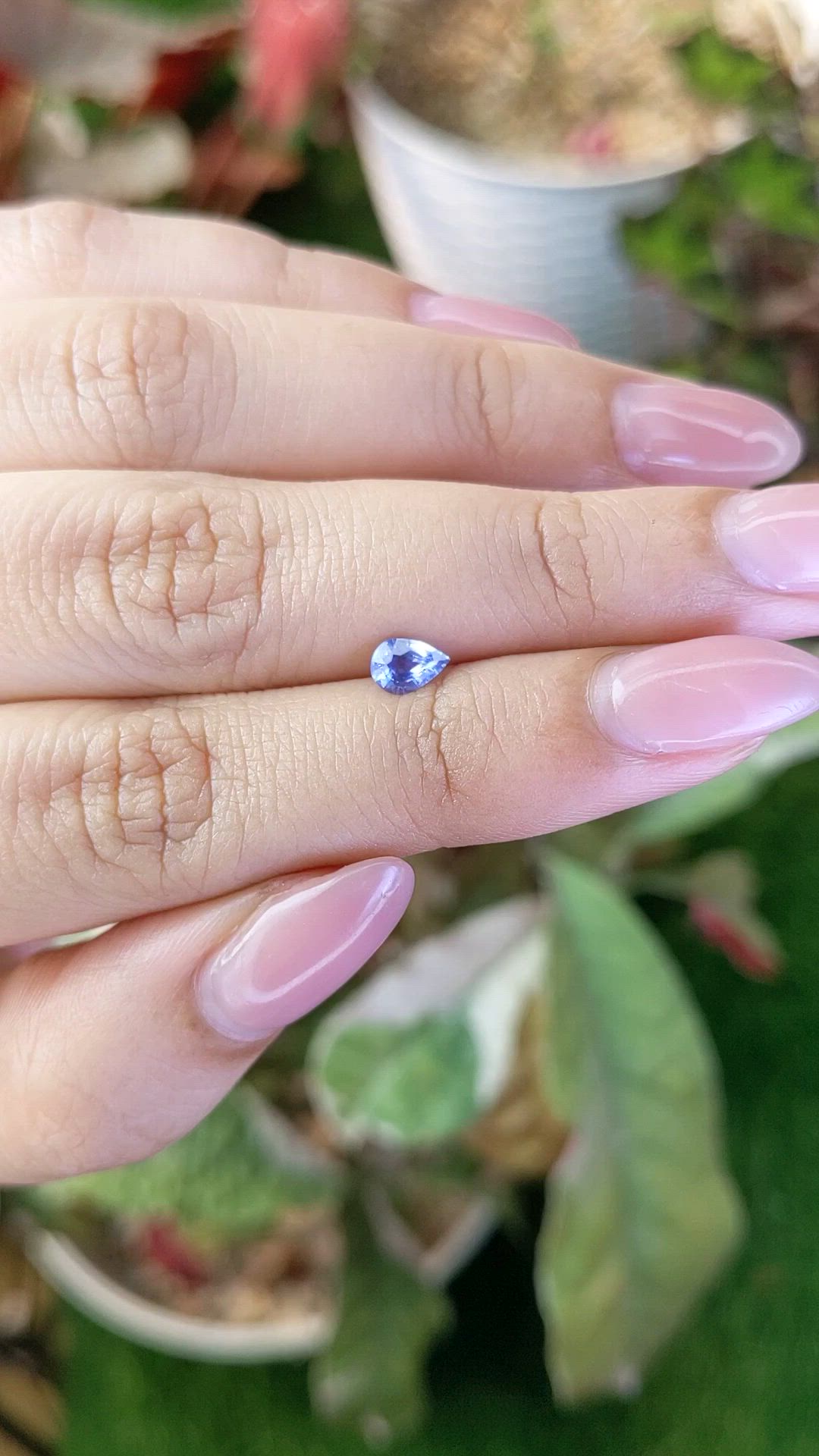
0.45 Ct. Blue Sapphire from Ceylon (Sri Lanka)
This loose stone is available to ship now
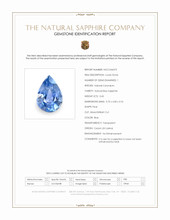
Item ID: | S46575 |
|---|---|
Dimensions (MM): help | Length: 5.75 Width: 4.05 Height: 2.76 |
Weight: | 0.45 Ct. |
Color: help | Blue |
Color intensity: help | Intense |
Clarity: help | Eye Clean |
Shape: help | Pear |
Cut: | Mixed Brilliant Cut |
Cutting style: | Faceted |
Enhancements: help | No Enhancement |
Origin: help | Ceylon (Sri Lanka) |
Per carat price: help | $400 |
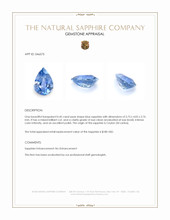
This pear shaped blue sapphire is a precisely measured natural gem, weighing 0.45 carat, with dimensions 5.75 x 4.05 x 2.76 mm. The cutting style is faceted, executed in a mixed brilliant scheme that combines a brilliant crown with a step influenced pavilion, producing controlled light return across the table and facets. The stone presents as transparent, with an eye clean clarity grade when examined at eye level, and an excellent polish that sharpens facet junctions and maximizes contrast. Color intensity is described as intense, conveying a vivid and saturated blue typical of fine Ceylon sapphires, and there has been no enhancement applied to alter hue, clarity, or tone. Origin is Ceylon Sri Lanka, a historic source noted for consistently yielding blues of lively tone and attractive saturation, and provenance contributes to both aesthetic and collector value, as documented and verified by our sourcing records at The Natural Sapphire Company.
The mixed brilliant cut for this pear asserts a deliberate balance between brilliance and color saturation. The crown facets are proportioned to break incident light into small flashes of white light, while the pavilion facet geometry directs light back through the table to preserve depth of color, producing scintillation rather than broad, washed out flash. With dimensions noted, the length to width ratio is approximately 1.42 to 1, a proportion that maintains an elegant pear silhouette while minimizing pronounced bowtie effect common to elongated pears. The depth as a proportion of the average of length and width is approximately 56 percent, a depth profile that enhances face up color without sacrificing return of light. Facet symmetry and junction sharpness are consistent with excellent polish, and the absence of significant internal features at eye level ensures uninterrupted light paths across the pavilion and crown, resulting in lively sparkle and even color distribution under common lighting conditions.
Color character and origin interplay are central to understanding this sapphire. Ceylon sapphires are historically prized for a clear, vibrant blue that often reads as medium to medium vivid in tone with lively saturation. This example exhibits those traits, showing a blue that is intense yet not overly dark, allowing the cut to express both brilliance and hue. Untreated status is particularly important in technical evaluation, because no heat or diffusion enhancement has been used to alter inclusions or color planes, therefore the stone’s color zoning, pleochroic responses, and internal growth pattern remain natural and intact. For connoisseurs and cutters, untreated Ceylon material provides a direct read on origin characteristics, including subtle violet or greenish undertones that can appear at varying angles, and these optical signatures support provenance claims and inform how the gem will perform in different mounting environments. The Natural Sapphire Company documents these origin and treatment traits, and we present them openly to inform both design and valuation.
From a practical and design perspective, this pear shaped sapphire is highly versatile. The point of the pear measures precisely and should be protected with a V style prong when set in a ring to prevent mechanical stress at the tip, while three or four prong heads perform well for solitaires, and a bezel setting offers maximum protection for active wearers. A halo of small melee diamonds can increase apparent size and emphasize the light return from the mixed brilliant crown, while a pendant mount allows the stone to be oriented point down to maximize perceived length and create an elegant drop. Given the stone’s hardness and toughness associated with corundum, routine wear is appropriate, but recommended care includes avoiding hard knocks and confirming cleaning methods with a gemmologist, since untreated sapphires are often safely cleaned ultrasonically but conditions vary based on settings and any associated metals. At The Natural Sapphire Company we maintain rigorous cutting and sourcing relationships in Sri Lanka, and we provide technical documentation and personalized setting recommendations for this gem to ensure optimal performance and longevity, and our specialists are available to advise on mounting, certification, and appraisal to align this fine untreated Ceylon sapphire with your design objectives.


