
- Stone14
- Reports3
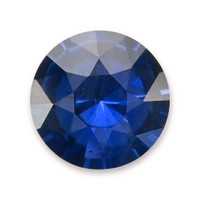
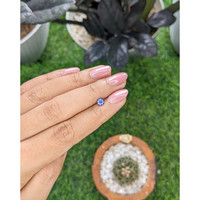
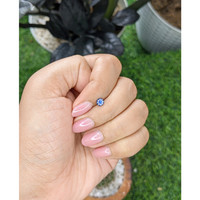
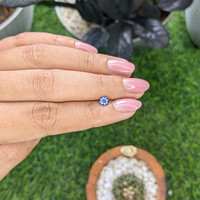
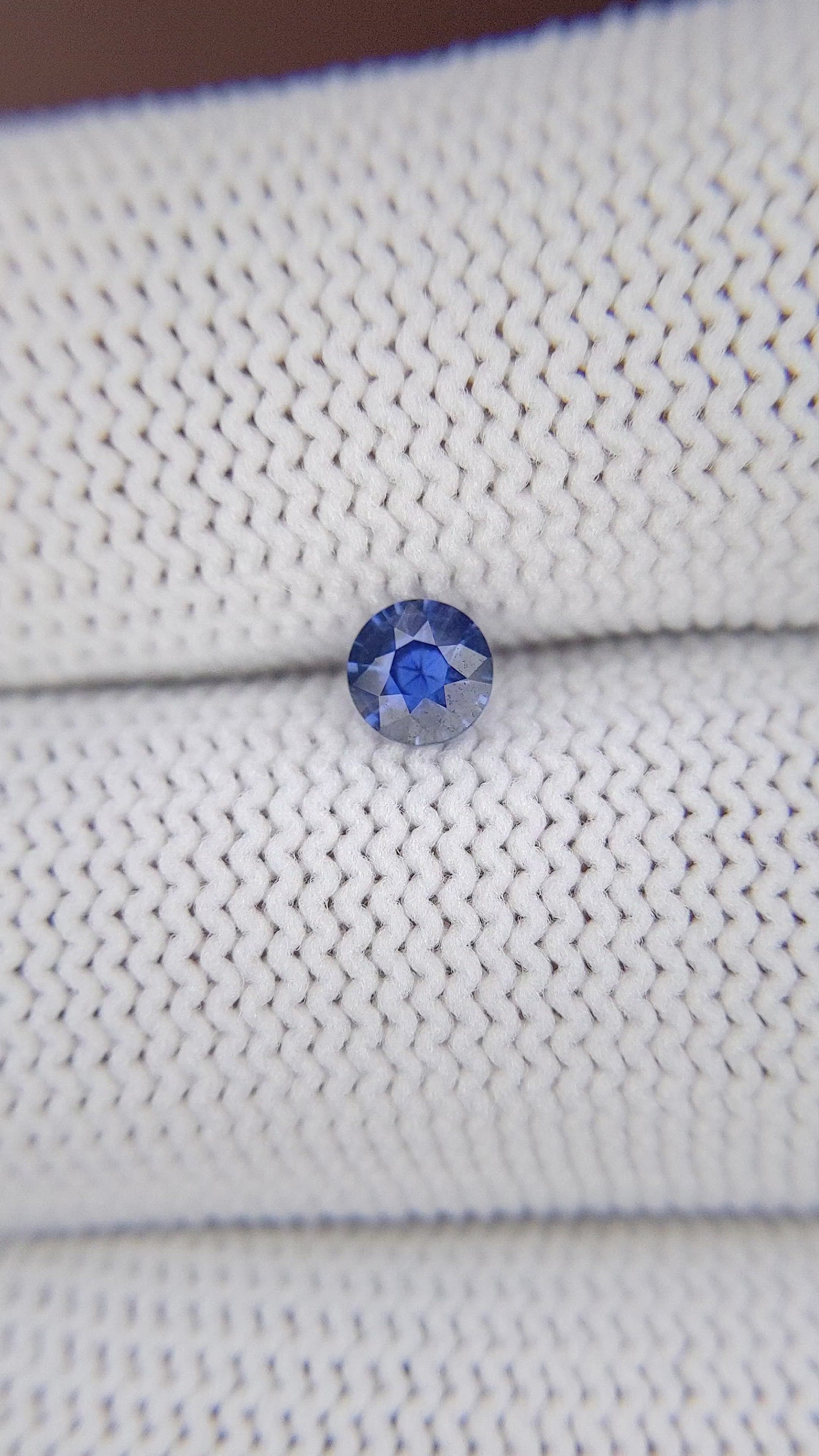
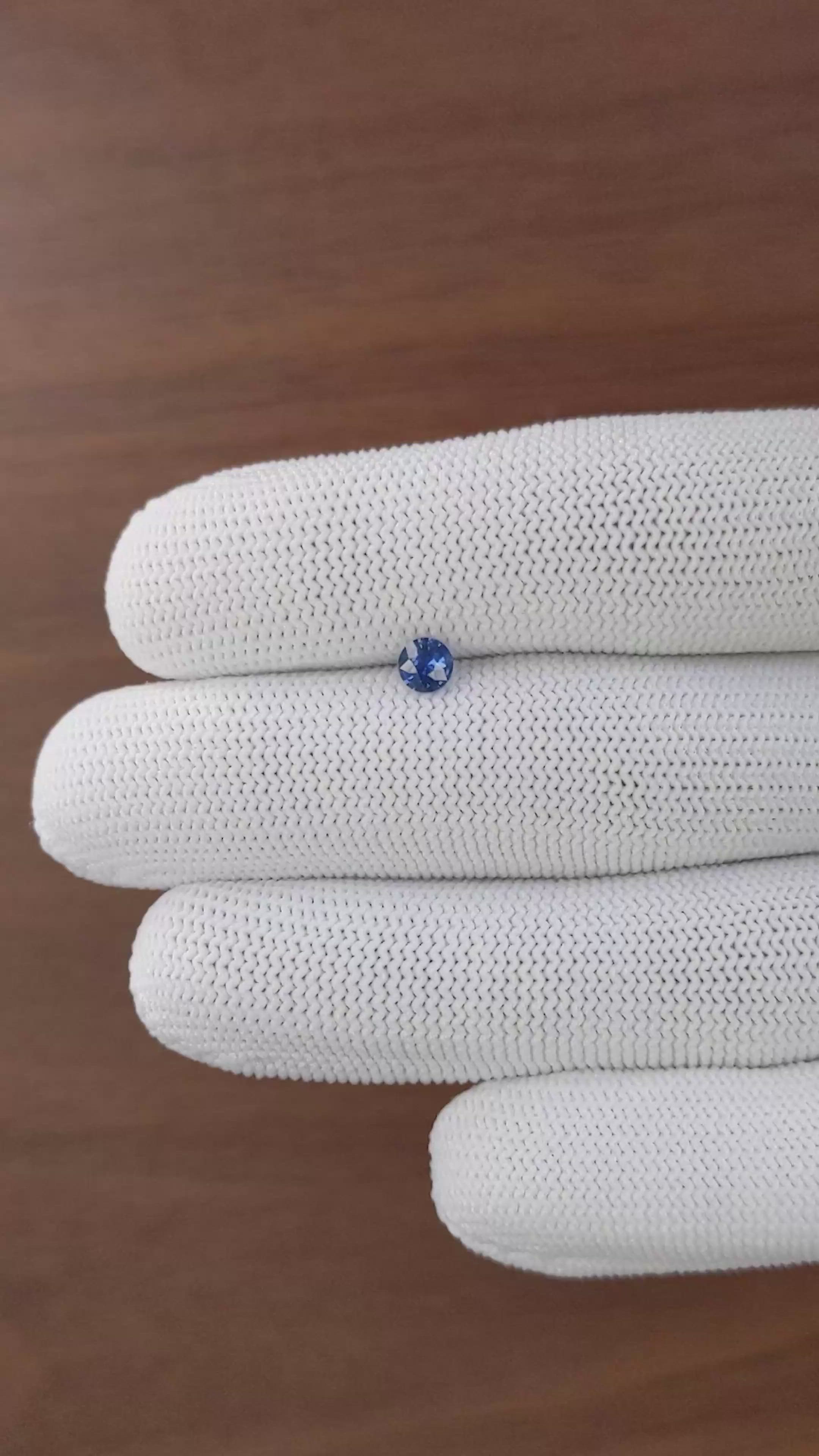
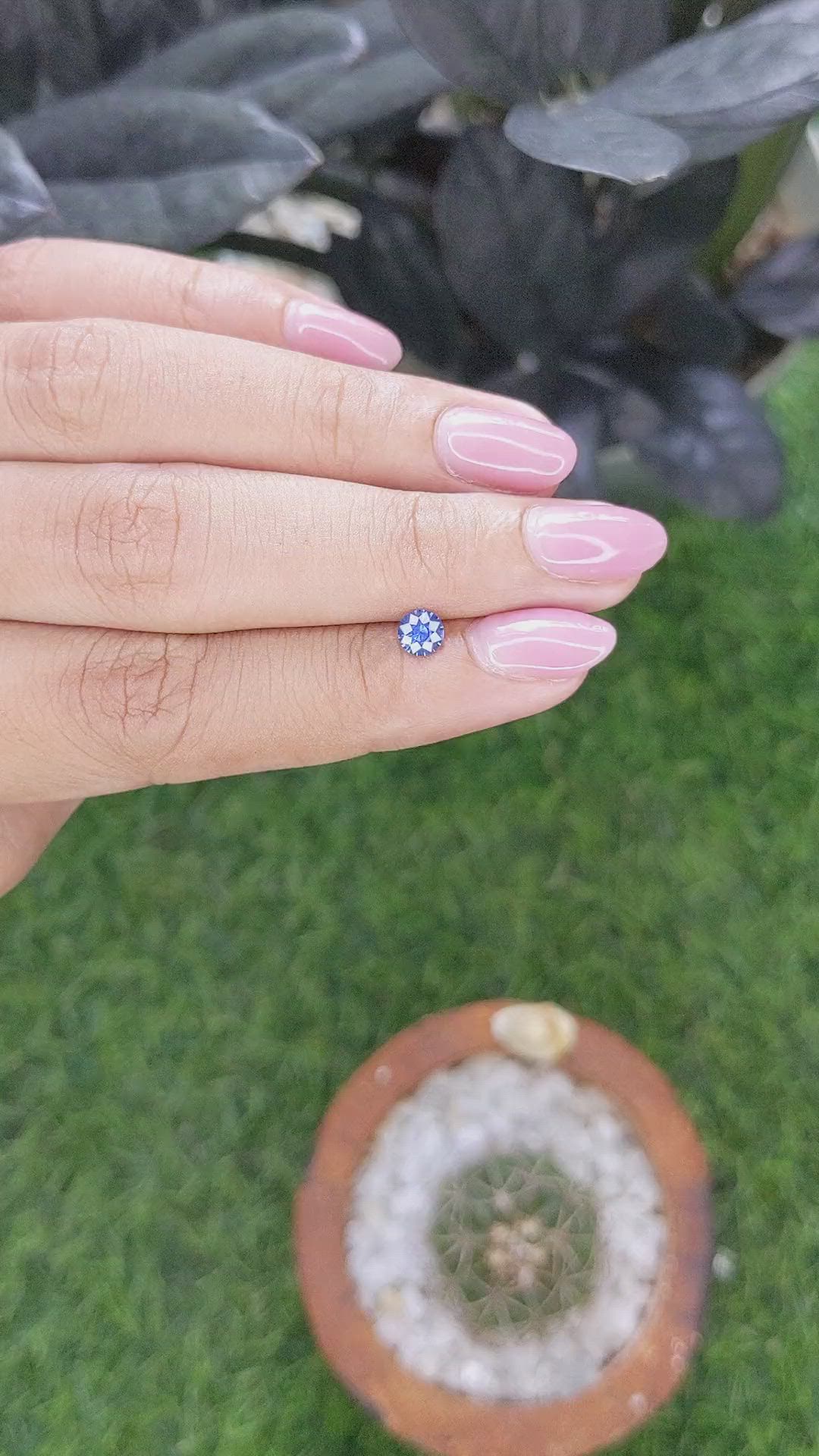
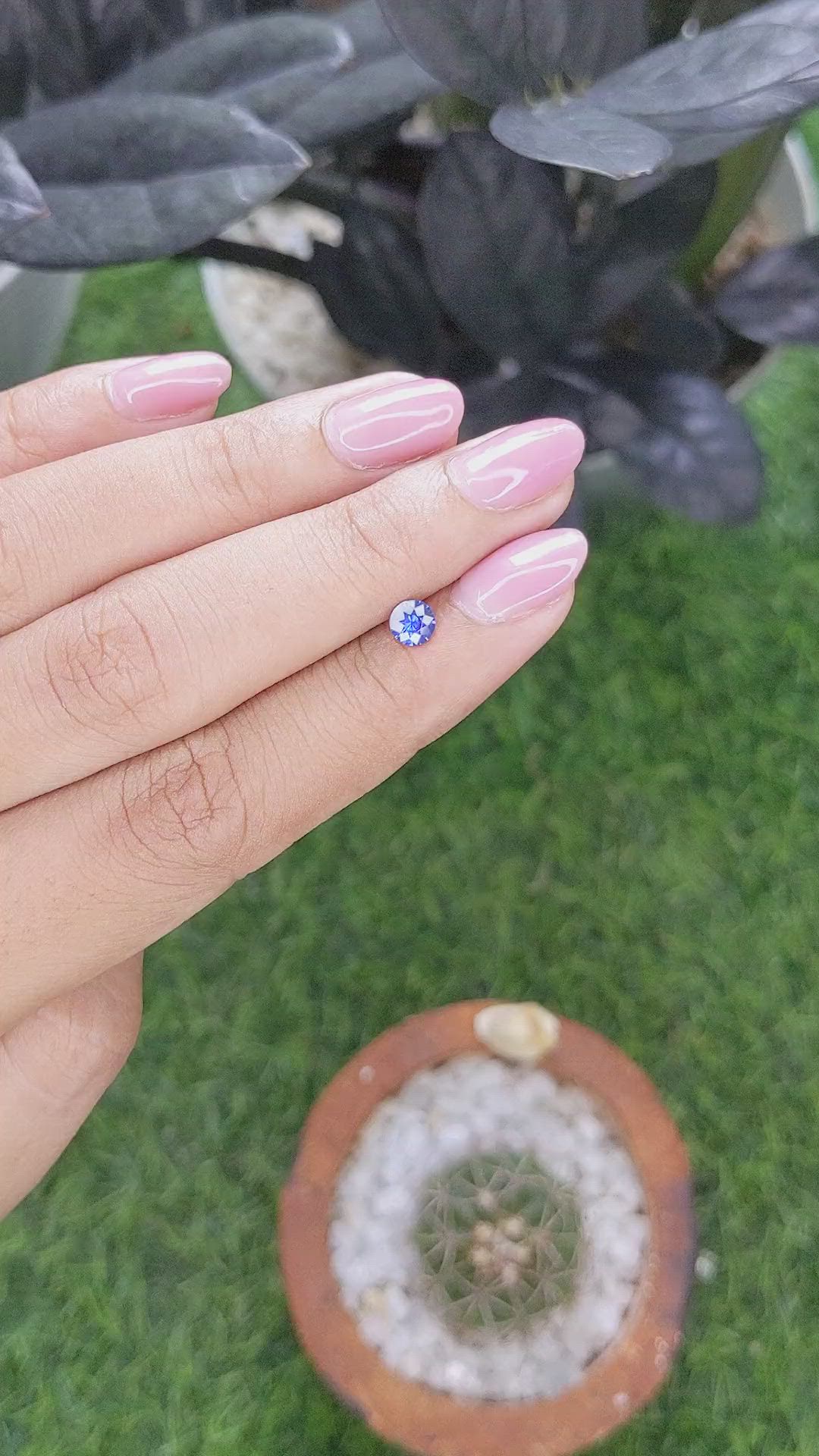
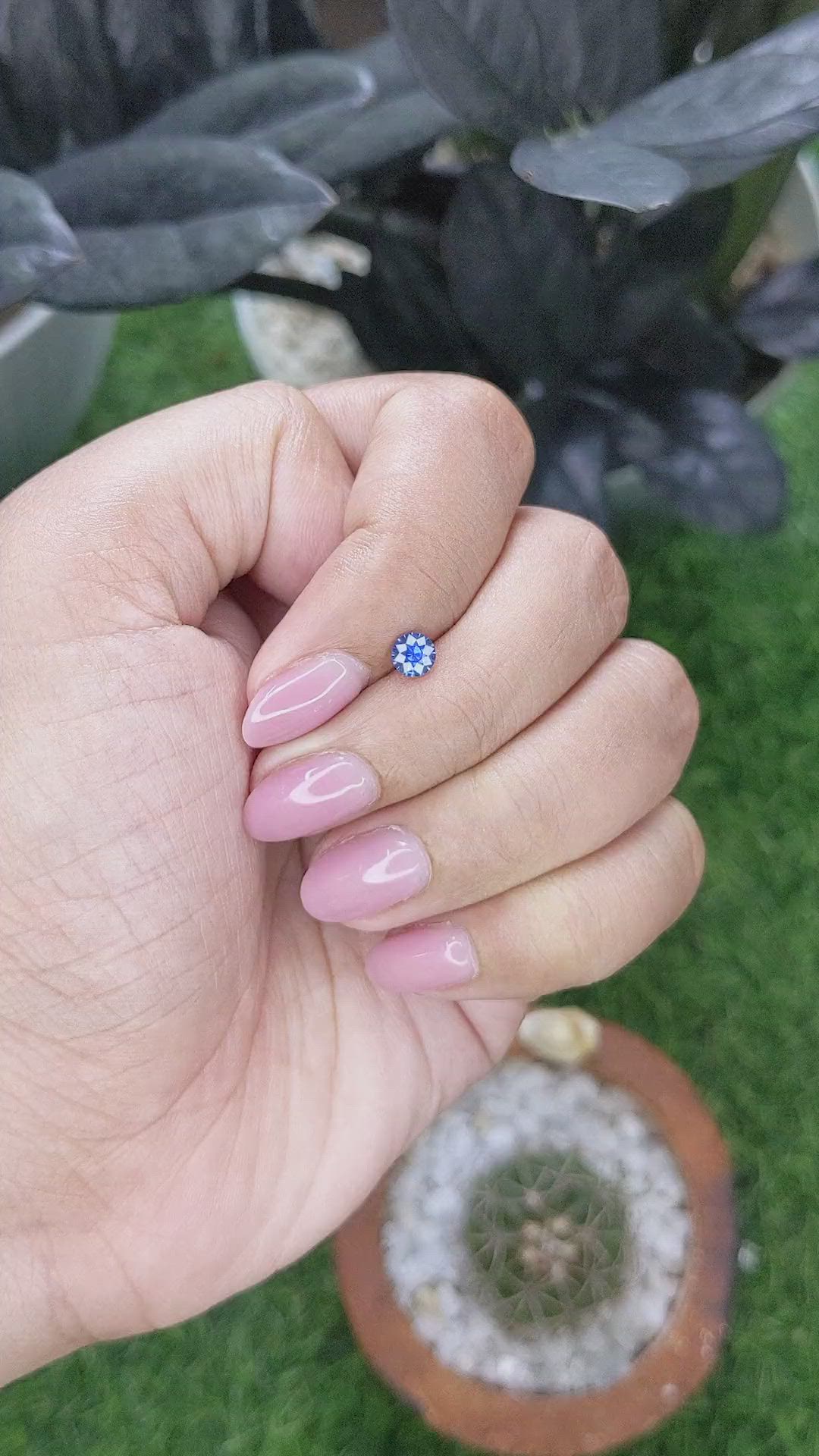


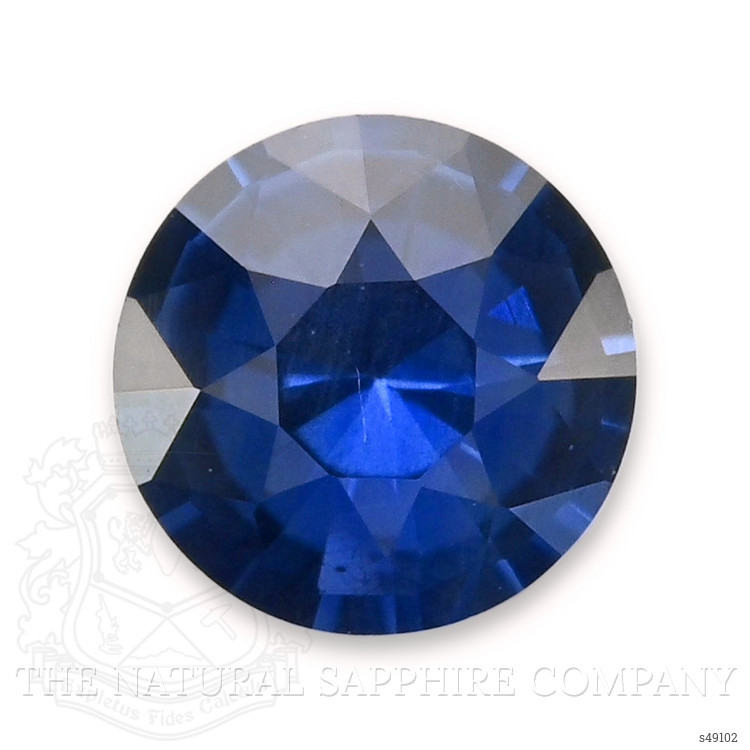
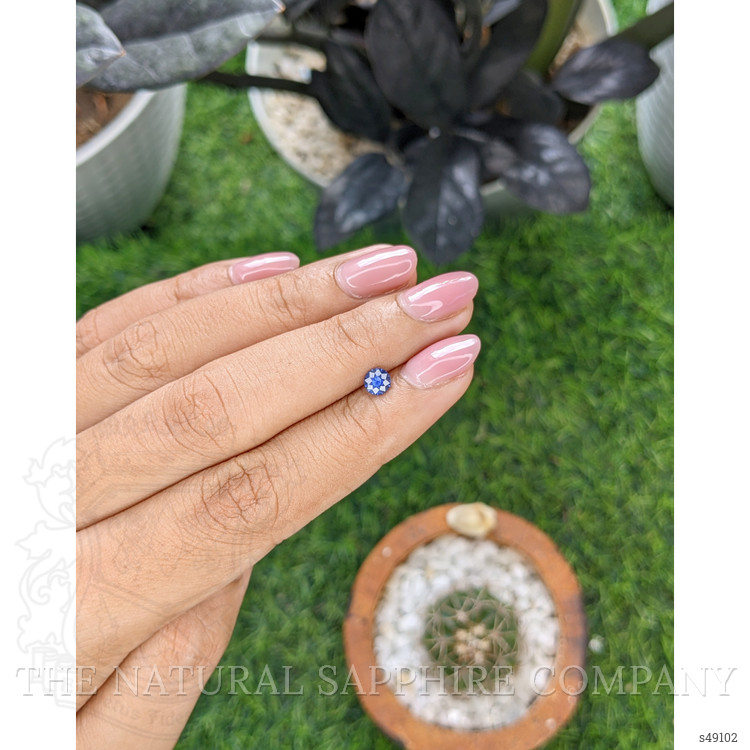
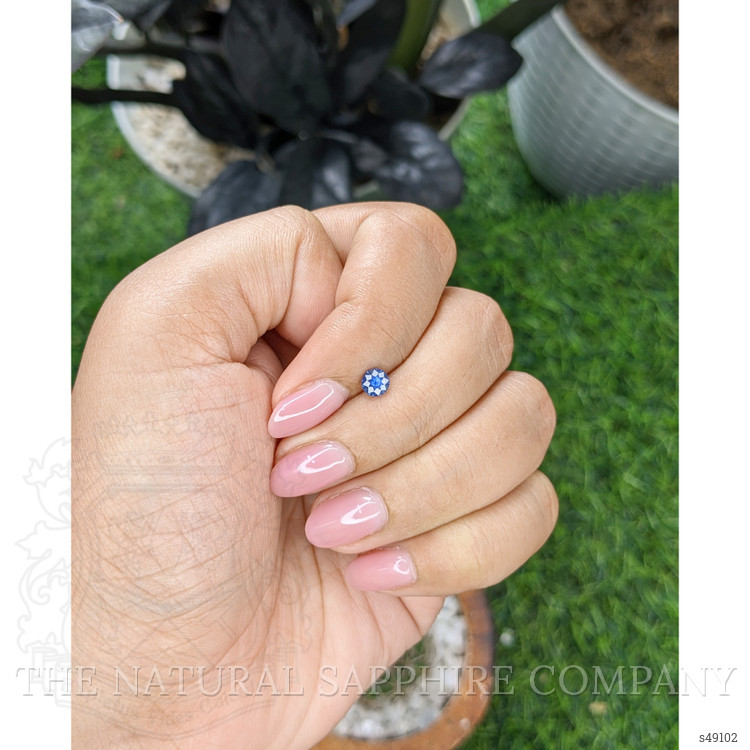
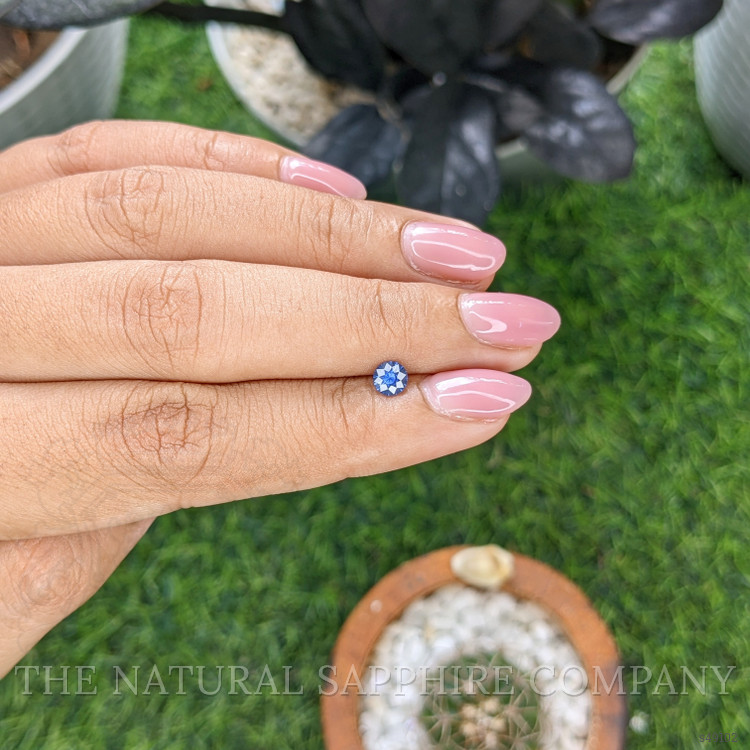


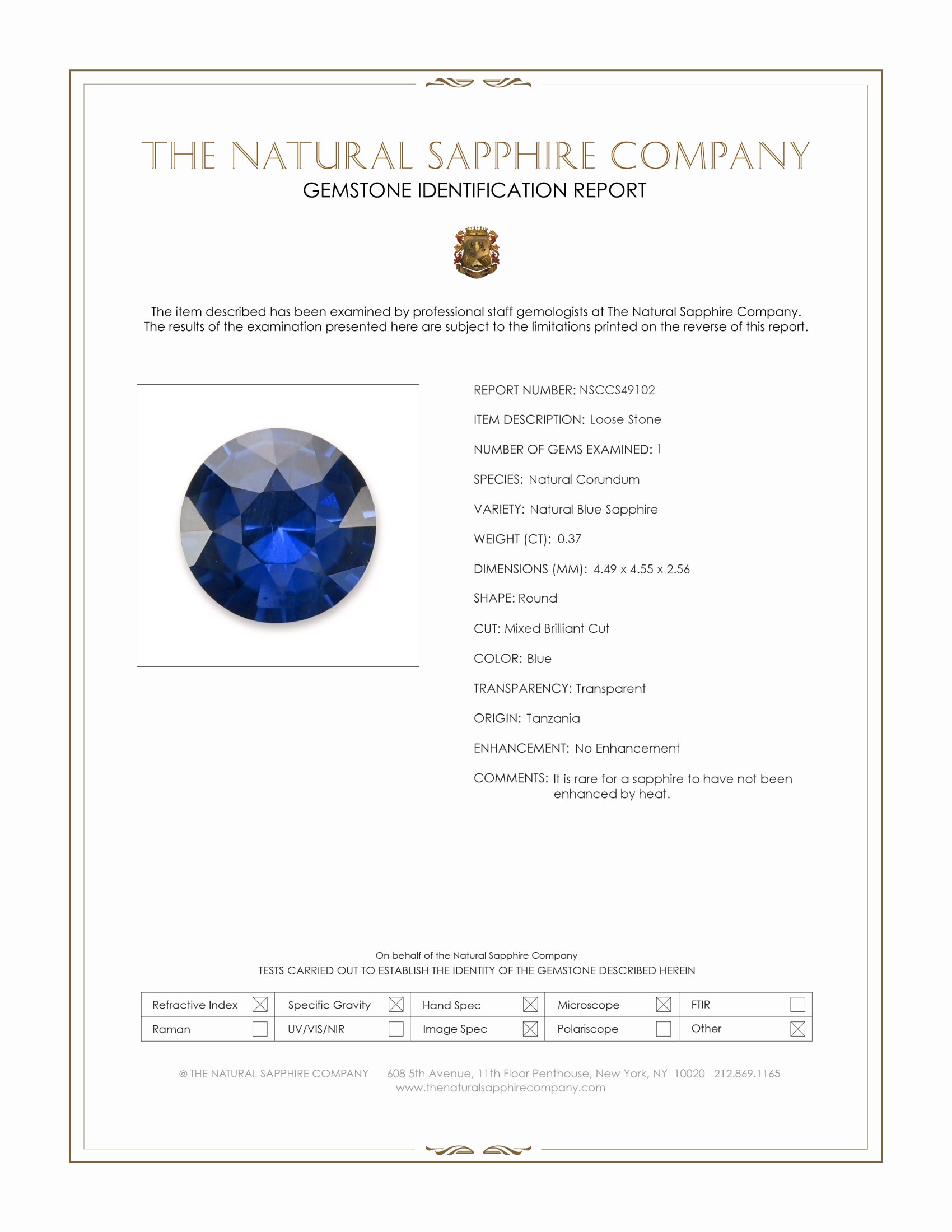

0.37 Ct. Blue Sapphire from Tanzania
This loose stone ships by Nov 30
Item ID: | S49102 |
|---|---|
Dimensions (MM): help | Length: 4.49 Width: 4.55 Height: 2.56 |
Weight: | 0.37 Ct. |
Color: help | Blue |
Color intensity: help | Intense |
Clarity: help | Very Slightly Included |
Shape: help | Round |
Cut: | Mixed Brilliant Cut |
Cutting style: | Faceted |
Enhancements: help | No Enhancement |
Origin: help | Tanzania |
Per carat price: help | $1,351 |
This transparent round blue sapphire weighs 0.37 carat, and measures 4.49 x 4.55 x 2.56 mm, and originates from Tanzania. The gem is faceted in a mixed brilliant cut, and exhibits intense color intensity with a clarity grade of very slightly included as evaluated at eye level. The polish has been assessed as excellent, and the stone has received no enhancement. The Natural Sapphire Company presents this sapphire as an example of natural corundum that combines a deep saturated blue tone with clean visual appeal in a small, wearable package. The round shape and precise dimensions make this stone suitable for a variety of jewelry applications, from a refined solitaire accent to a delicate center in bespoke designs, while the transparent body allows for consistent light interaction across the table and crown facets.
The mixed brilliant cutting style applied to this sapphire balances the benefits of a traditional brilliant facet arrangement with stepped facets on the pavilion to enhance color and light return. The result is a gem that offers lively scintillation from the table, together with a stable color that does not wash out under strong light. Given the stone dimensions and the excellent polish, the facet junctions present clean lines, and the facet symmetry supports efficient reflection and refraction of light. The clarity grade of very slightly included indicates that any inclusions are small and not obtrusive at typical viewing distances, which preserves the gem for strong visual performance. The gem is transparent, so light transmits through the body and interacts with the internal facets, producing a consistent sense of depth and an even distribution of blue across the face.
When comparing the reflective qualities of this Tanzanian sapphire to other gemstones commonly used for blue stones, a few key distinctions emerge. As a corundum, this sapphire exhibits a vitreous luster and high refractive behavior for natural color stones, which produces strong light return without the pronounced spectral dispersion seen in gems with higher fire. Compared to blue spinel, which has a slightly lower refractive index, the sapphire tends to show marginally stronger brilliance and a more pronounced contrast between facets. Versus tanzanite, which is pleochroic and can show different colors and intensity depending on orientation, this sapphire offers more color stability and a more uniform reflective character when viewed from different angles. Against lighter blue gems such as aquamarine or blue topaz, this stone demonstrates greater depth of color and a richer, darker appearance, which can reduce the perceived white flash but enhance overall saturation and body color. Compared to ruby and other corundum of the red family, the reflective mechanics are similar, but the blue hue changes the way the eye perceives brightness and contrast, making the scintillation feel cooler and more crisp. Because this stone has no enhancement, its reflective and color properties are native to the material, which provides a predictable interaction with light that is particularly valued in natural sapphires.
From a practical perspective, this sapphire combines durability and optical performance in a compact format. Corundum is second only to diamond in hardness, and that inherent resilience makes this gem a suitable choice for daily wear in rings, pendants, or paired settings. The mixed brilliant cut and excellent polish support long term retention of surface luster, provided standard care procedures are followed, and the very slightly included clarity assessment indicates that the stone will maintain clean visual appeal without special handling beyond routine maintenance. For designers and clients considering setting options, a low bezel or minimal prong setting will allow the table and crown to interact with ambient light optimally, while a slightly elevated mount can enhance light entry for added presence. The Natural Sapphire Company can provide further documentation and imagery for exact matching or design consultation, and the stone stands as a natural, untreated example of Tanzanian corundum that balances color intensity, clarity, and reflective behavior for refined jewelry applications.


