
A Guide to Precious Metal Alloys, Fineness, and Karatage
Our precious metals of gold, platinum, and silver have faced many changes in their composition over the years as craftsmen have worked with the metals to perfect beautiful pieces of jewelry, cutlery, and decorative objects, to name a few crafted uses for precious metals.
https://www.youtube.com/watch?v=Xc_YnrjukfA
As we explore further in this section, alloys, fineness, and karatage are important concepts that contribute to the ways in which precious metals are incorporated into all of their various uses.
Join us as we reveal the intricacies of how gold, platinum, and silver find their way into jewelry and the issues to be mindful of on the following pages:
Gold Alloys, Fineness, and Karatage | Facts and Figures
Platinum Alloys and Fineness | Facts and Figures
Silver Alloys and Fineness | Facts and Figures
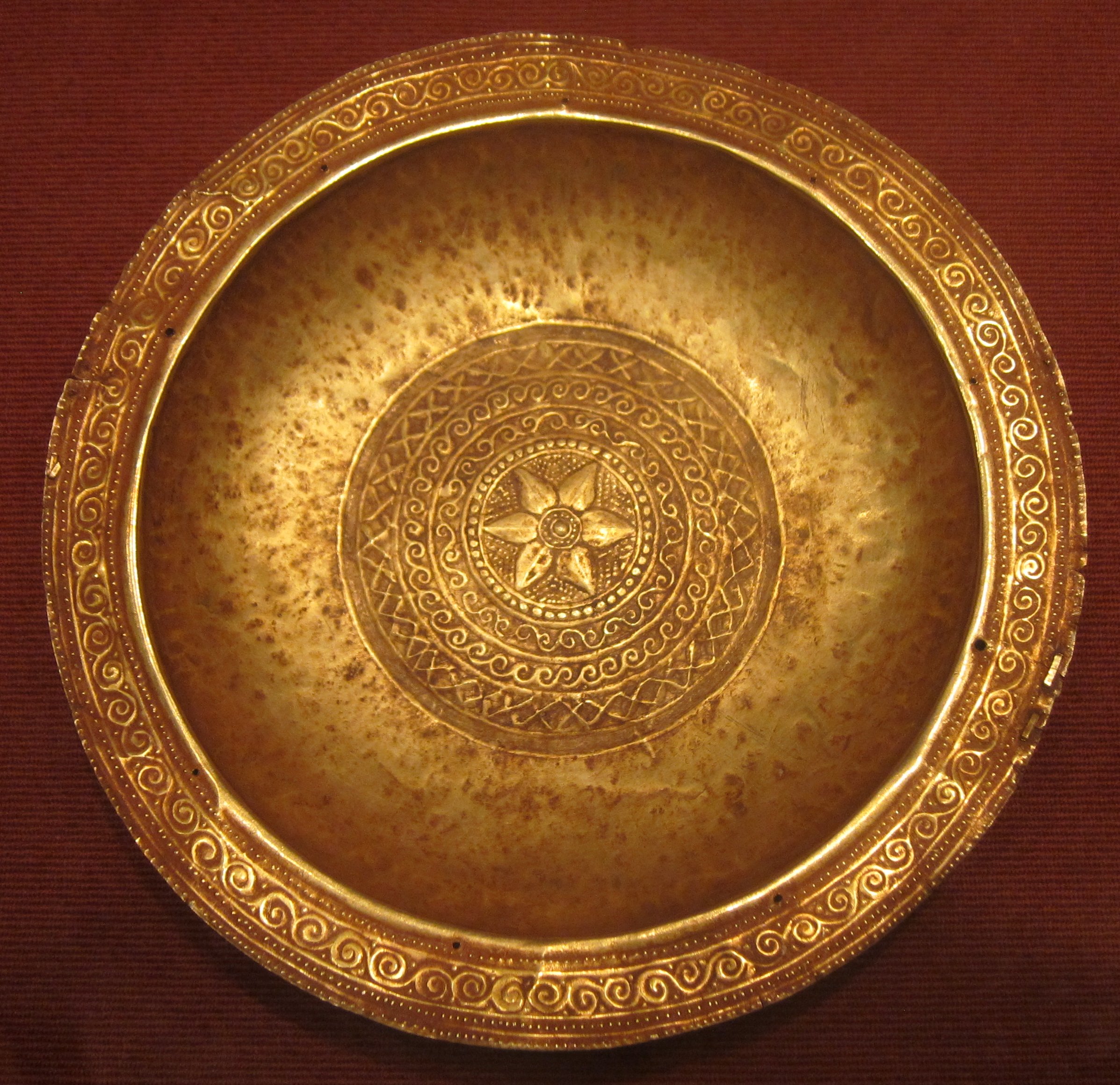
Facts & Figures Of Gold Alloys Pure gold is referred to as fine gold. is not typically used in jewelry because it is very soft and can easily scratch. The market for pure gold jewelry is small; consumers usually consider pure gold pieces to be more of an investment rather than items to be worn. […]
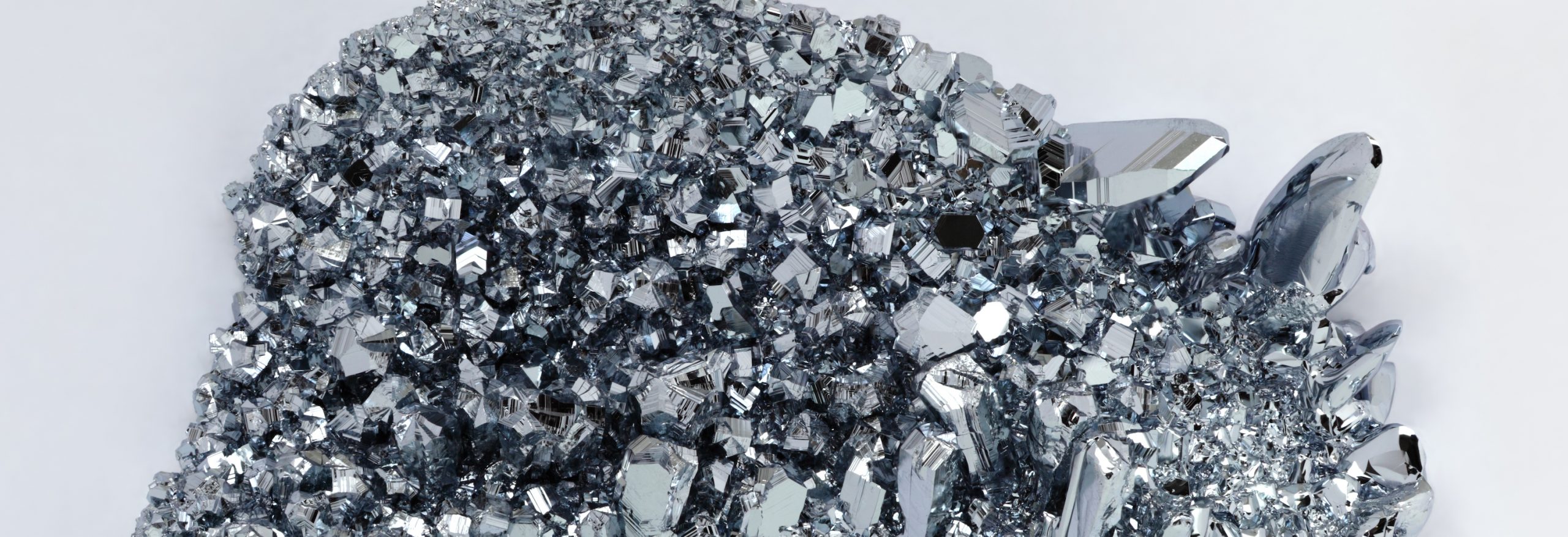
Facts & Figures Of Platinum Alloys Jewelers prize platinum because of its superior strength and its ability to be fashioned into intricate designs. It has been used for centuries in its pure form and then also as an alloy to expand its applications. Platinum is one of six metals in the platinum group metals (PGMs). The […]
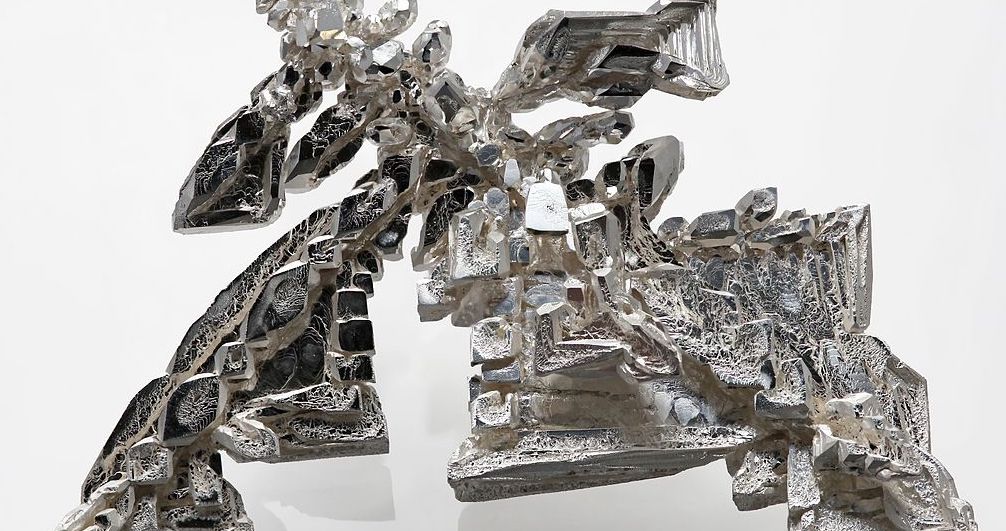
Facts & Figures Of Silver Alloys The amount of silver in a decorative object or piece of jewelry is indicated by its fineness. Fineness is a measure of purity expressed in parts per thousand. Pure silver is referred to as “fine silver,” and it is, at a minimum, 99.9 percent pure silver. It is said […]