
- Stone14
- Reports3
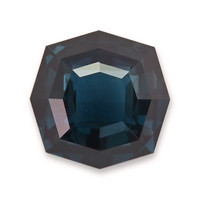


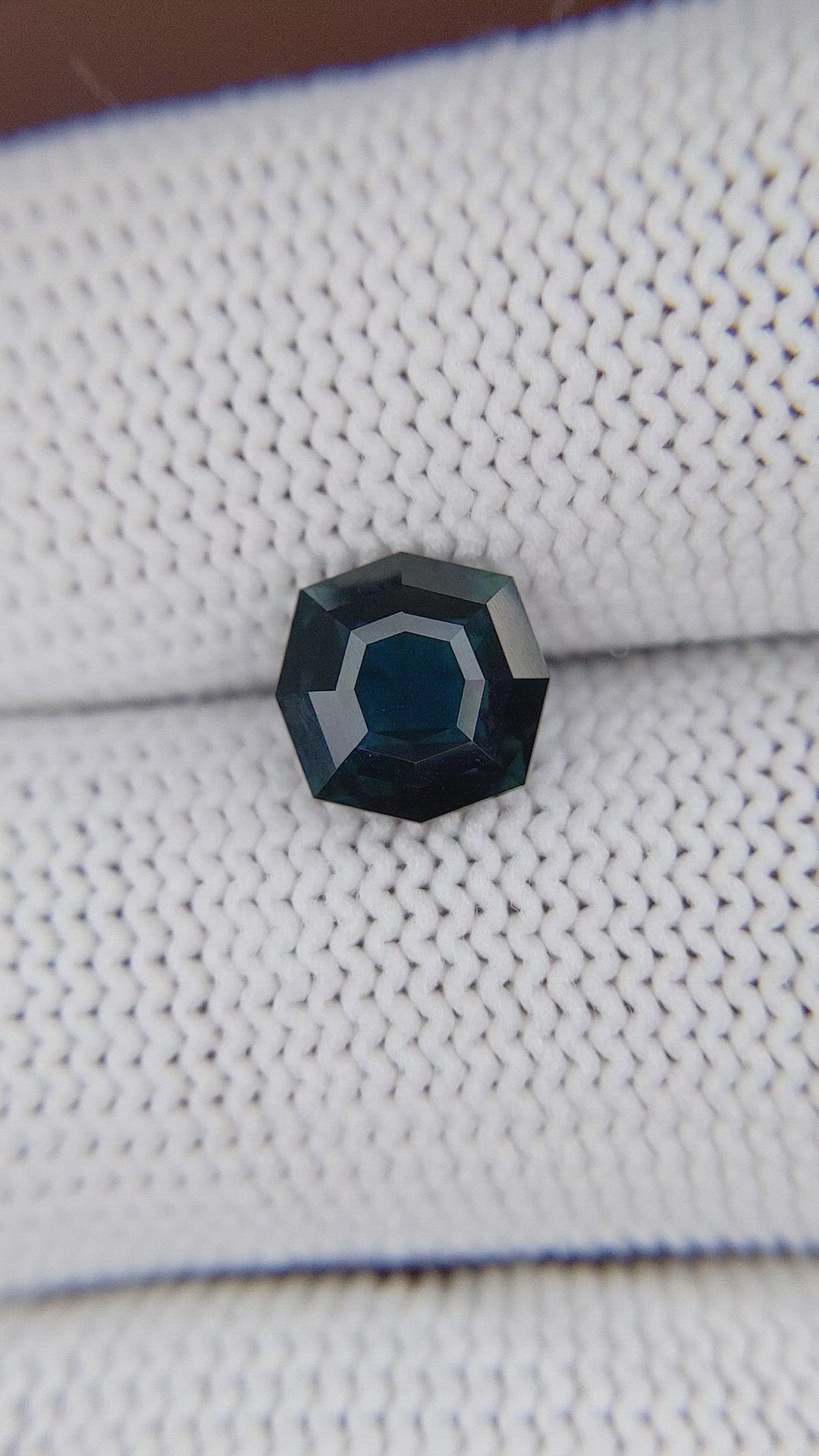
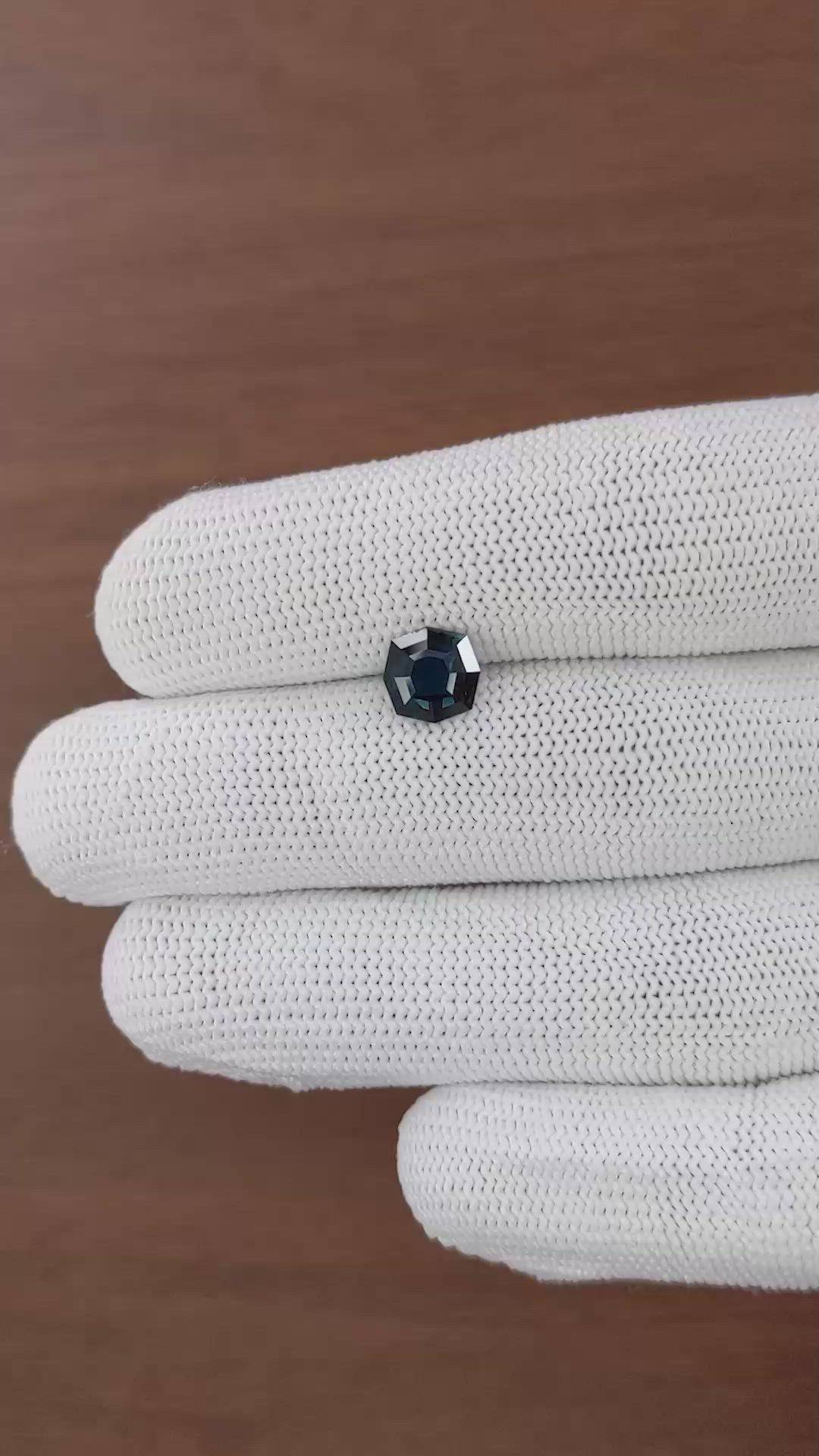
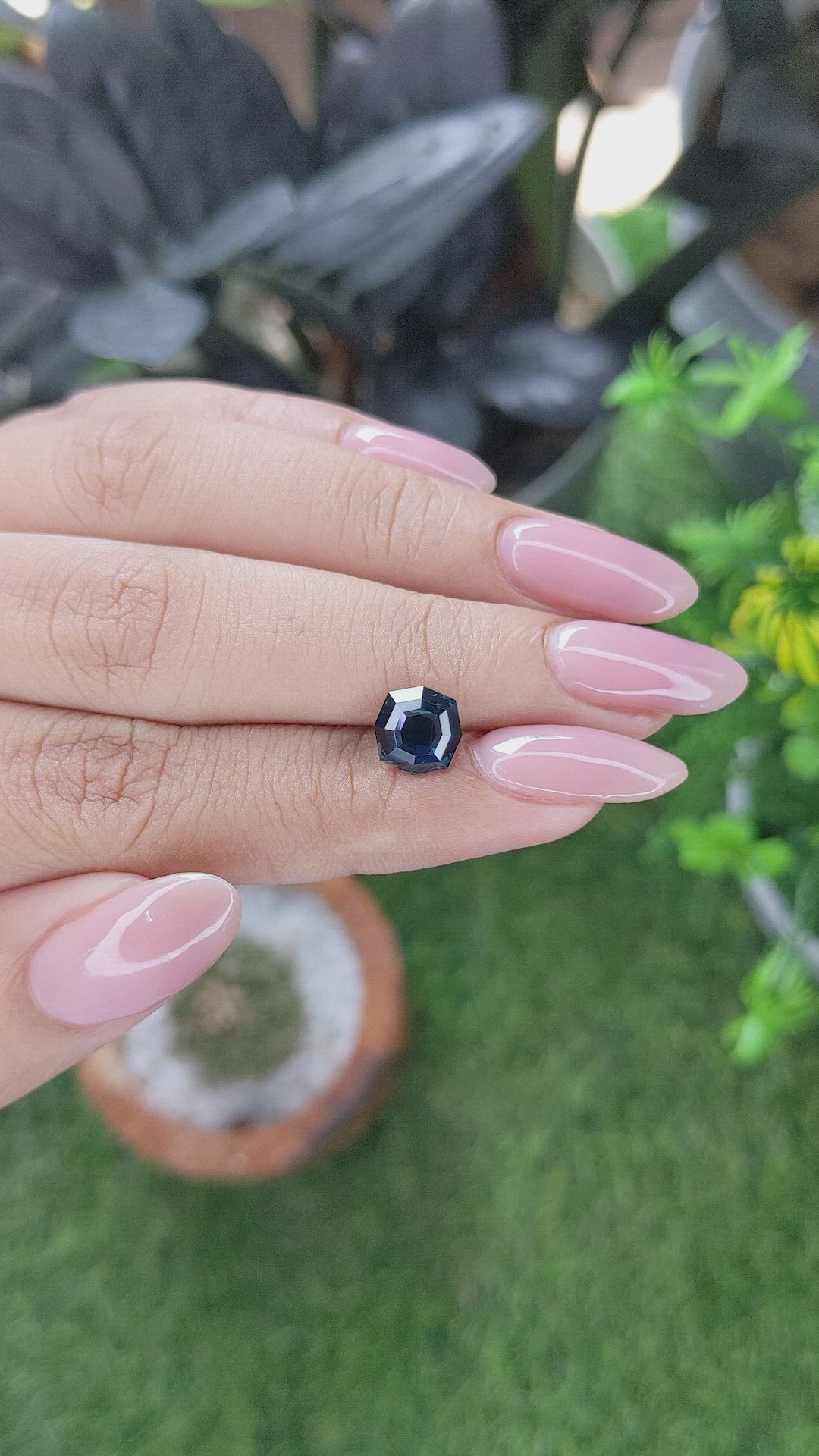
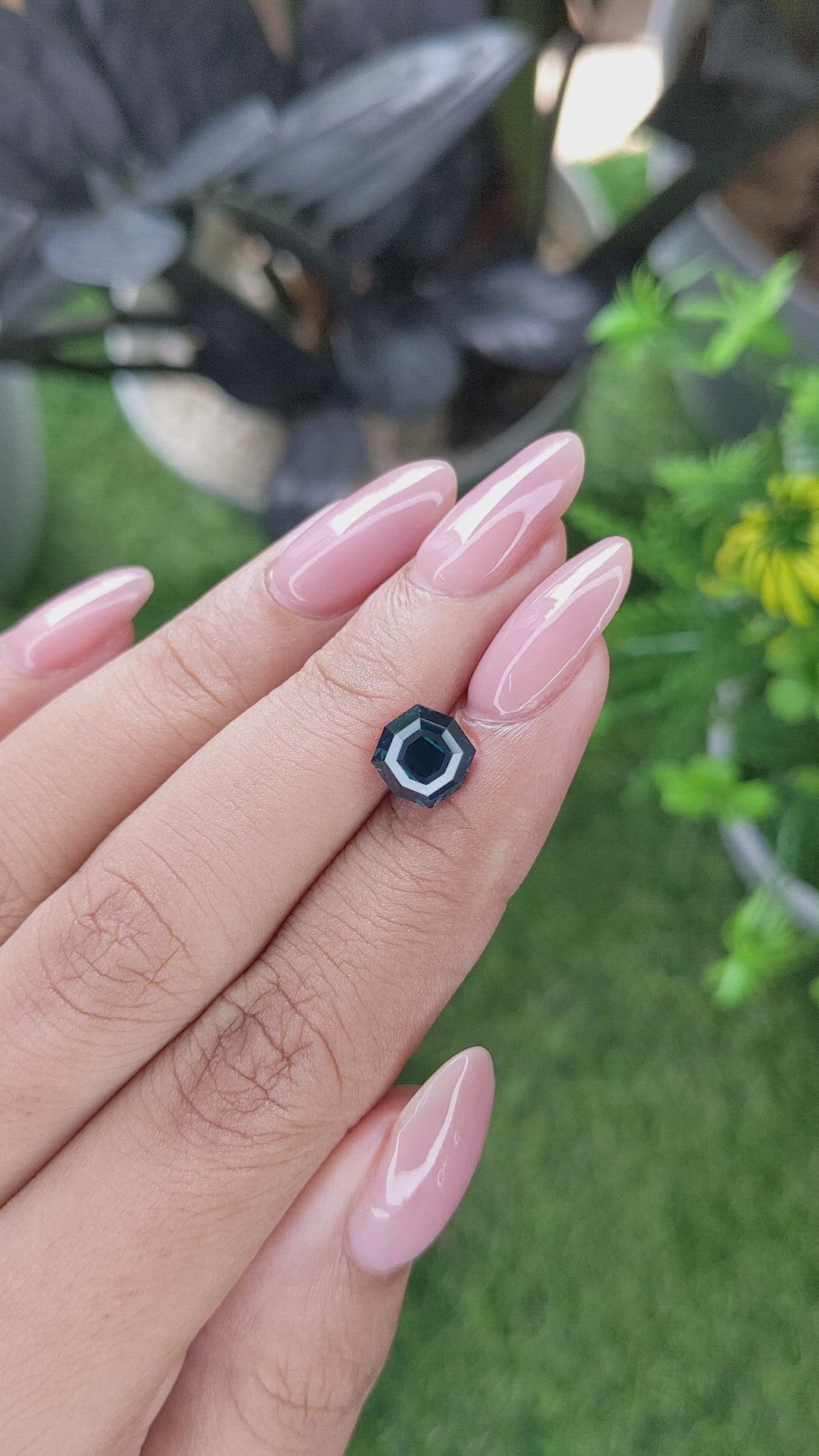
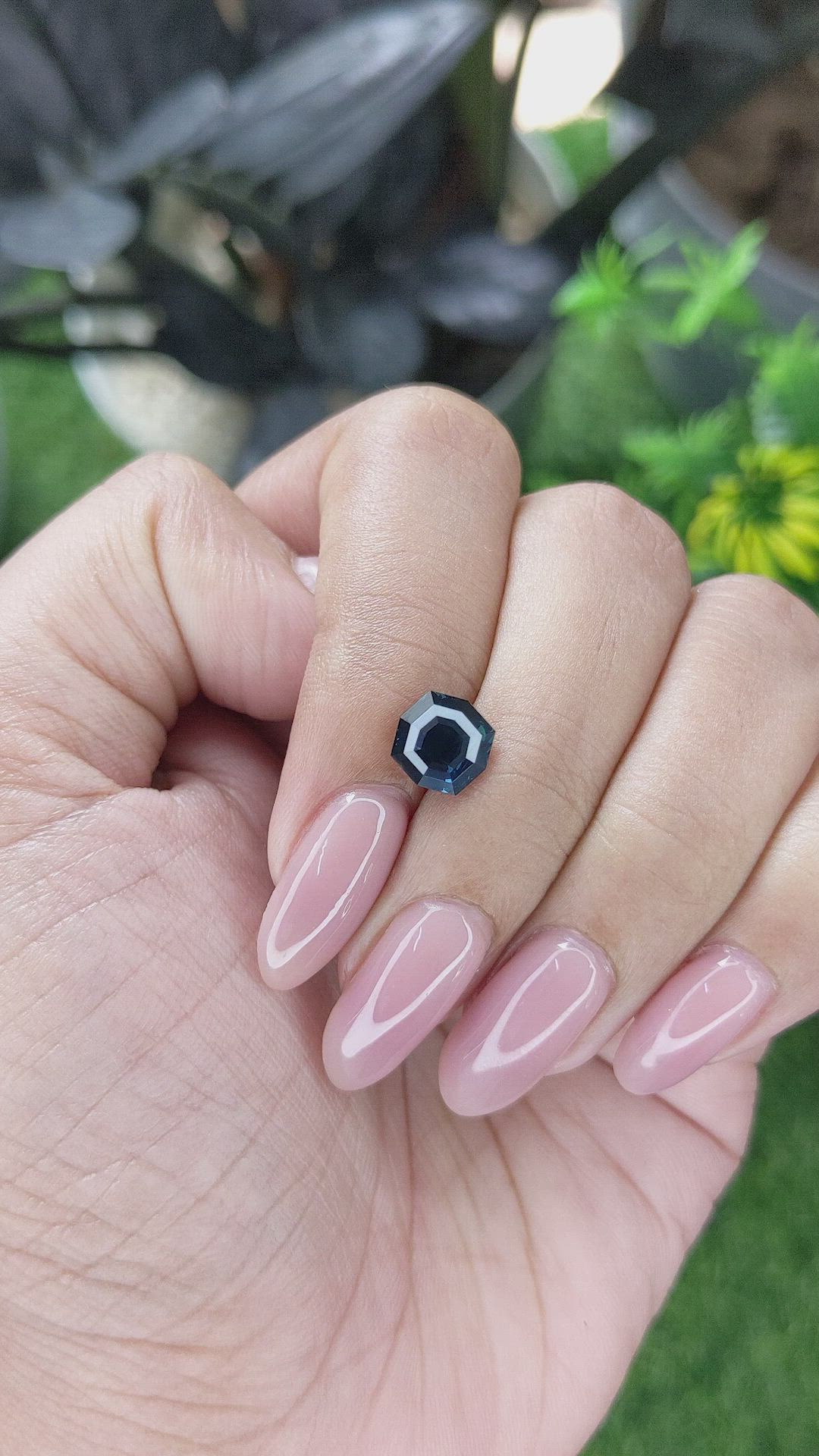




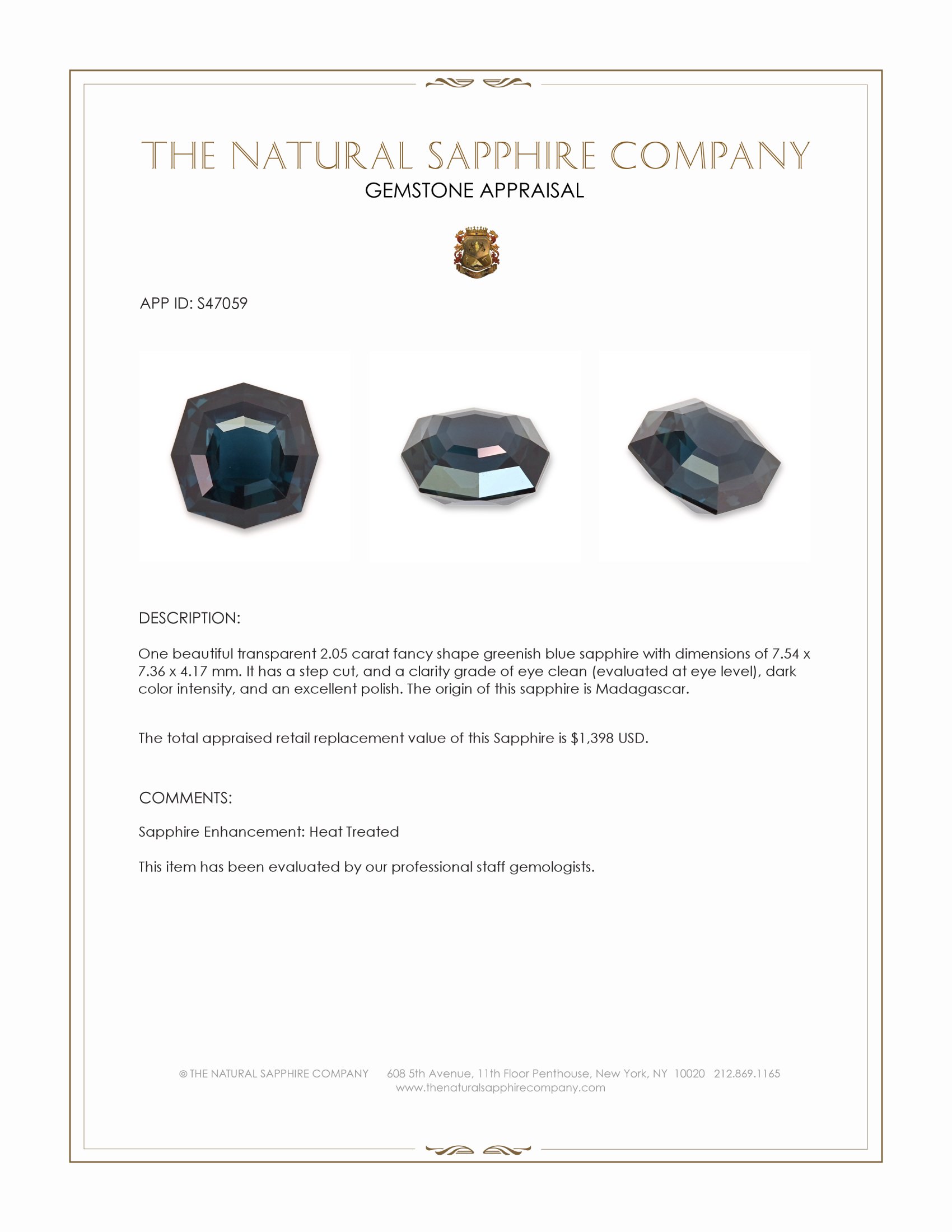
2.05 Ct. Greenish Blue Sapphire from Madagascar
This loose stone ships by Oct 9
Item ID: | S47059 |
|---|---|
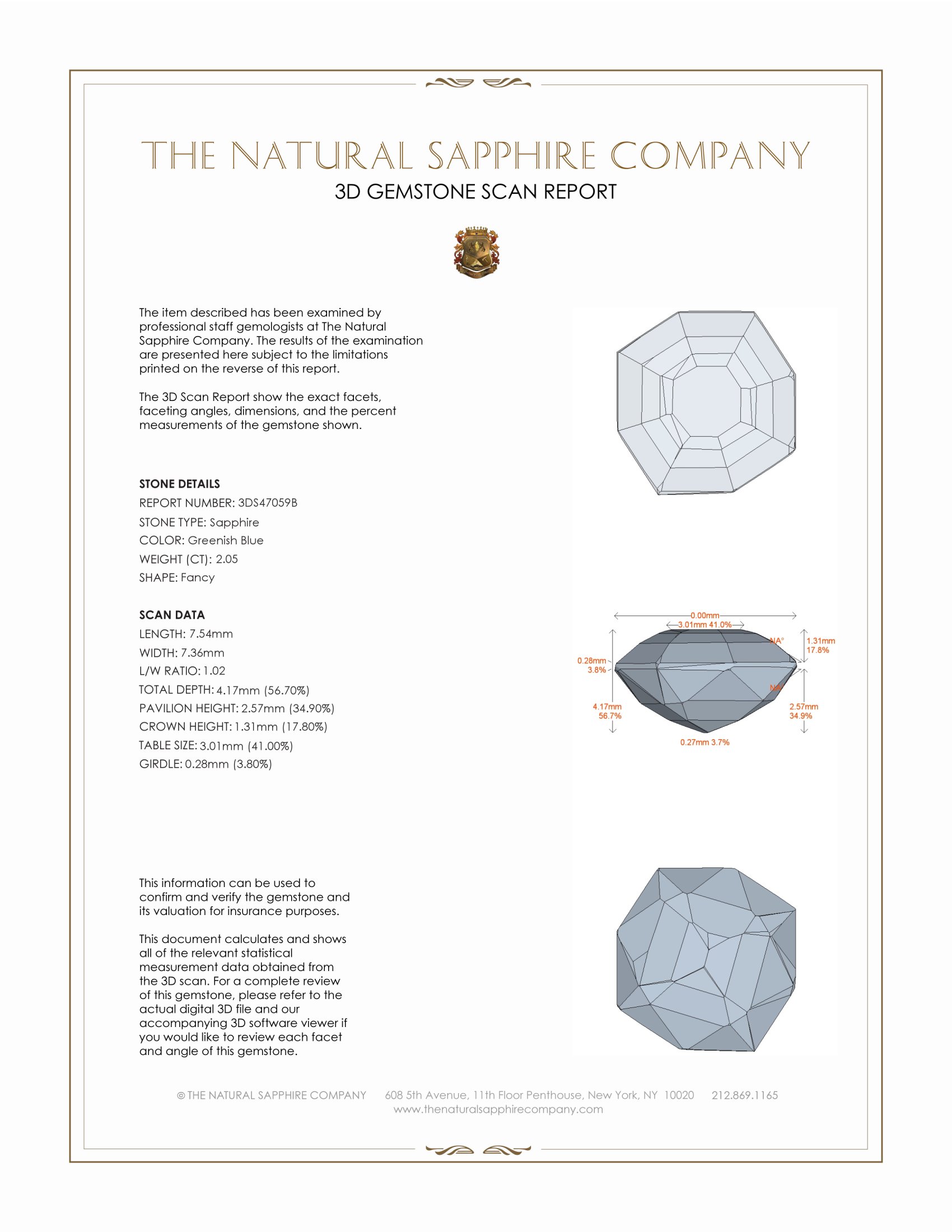
Dimensions (MM): help | Length: 7.54 Width: 7.36 Height: 4.17 |
Weight: | 2.05 Ct. |
Color: help | Greenish Blue |
Color intensity: help | Dark |
Clarity: help | Eye Clean |
Shape: help | Fancy |
Cut: | Step Cut |
Cutting style: | Faceted |
Enhancements: help | Heat Treated |
Origin: help | Madagascar |
Per carat price: help | $682 |
This 2.05 carat greenish blue sapphire, supplied by The Natural Sapphire Company, presents as a fancy shape with precise dimensions of 7.54 x 7.36 x 4.17 mm, a faceted step cut, eye clean clarity at standard gemological viewing distances, dark color intensity, and an excellent polish. The proportions show a table to depth relationship that is optimized for weight retention and face up color saturation, with an overall depth of approximately 55.9 percent, a balance that preserves carat weight while delivering a strong, consistent color field when mounted. The step cut has been executed to emphasize broad, stable color planes rather than scintillation, creating a measured optical presence that suits collectors and connoisseurs who prioritize hue and saturation. Heat treatment has been applied to improve and stabilize the greenish blue hue and to subtly reduce any very fine silk inclusions, a standard and fully documented enhancement that enhances the gem without compromising its natural character or its origin from Madagascar.
The geological story of this sapphire begins millions of years ago in the dynamic crustal environments that produced some of Madagascars finest corundum. Corundum crystals formed where aluminum rich host rocks encountered the right combination of temperature and pressure, typically during regional metamorphism and in contact with silica poor, aluminum rich melts. Trace concentrations of iron and titanium were incorporated into the corundum lattice during crystal growth, and the interaction between iron and titanium is responsible for the greenish blue hue observed in this stone. Over geologic time the crystal grew in a hexagonal prism habit, developing growth zoning and internal strain patterns on a microscopic scale. Subsequent tectonic activity and erosion liberated the crystals from their primary host, and transport processes rounded and concentrated them in alluvial deposits where they were recovered. Throughout this history the crystal gradually expelled large fluid inclusions and healed fractures, leaving a gem that now reads as eye clean, with any remaining microscopic inclusions confined to internal growth features rather than as visible blemishes.
From rough to polished gem the cutting of this sapphire reflects deliberate decisions aimed at maximizing color performance and structural integrity. The faceting plan adopts a classical step motif, arranging broad, parallel facets on the crown and pavilion to produce layered color windows rather than a starburst of brilliant flashes, a strategy that is particularly effective for gems with dark color intensity. The cutter oriented the pavilion angles to manage light leakage and preserve face up saturation, while crown angles were tuned to complement the stone s pleochroic response so that the dominant face up color reads as an even greenish blue under varied lighting conditions. Polishing was completed using progressively finer diamond laps for facet crispness and a final polish that achieves mirror finish facet junctions, enhancing the apparent transparency and depth. The applied heat treatment was controlled in a documented protocol to reduce residual silk and to stabilize color without causing undue diffusion, preserving the core crystal chemistry and the provenance of Madagascar for buyers who value traceable origin information.
For the technically minded buyer, this sapphire offers a compelling synthesis of geological rarity, gemological integrity, and lapidary craft. The combination of a well executed step cut, eye clean clarity at loupe and eye inspection distances, dark yet balanced color intensity, and an excellent polish makes this gem particularly well suited to settings that display broad color planes, such as bezel or bar settings, where the stone s shape and depth can be appreciated without interruption. The Natural Sapphire Company stands ready to provide further technical documentation, high resolution imaging, and lighting orientation guidance to specialists and jewelers who wish to evaluate the stone for design integration or for investment grade acquisition. This sapphire is a specimen that traces its origin to Madagascar, carries a controlled heat enhancement disclosure, and embodies a lineage that began in deep time, was shaped by crustal processes, and was finished by expert hands to present a stable, visually persuasive greenish blue specimen.


