
- Stone18
- Reports3
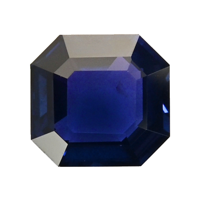
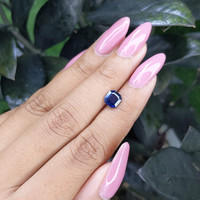
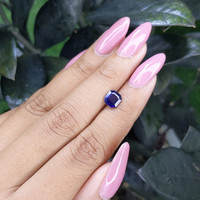
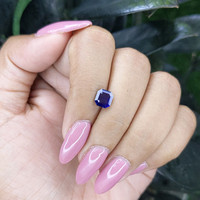
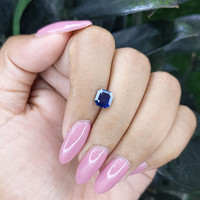
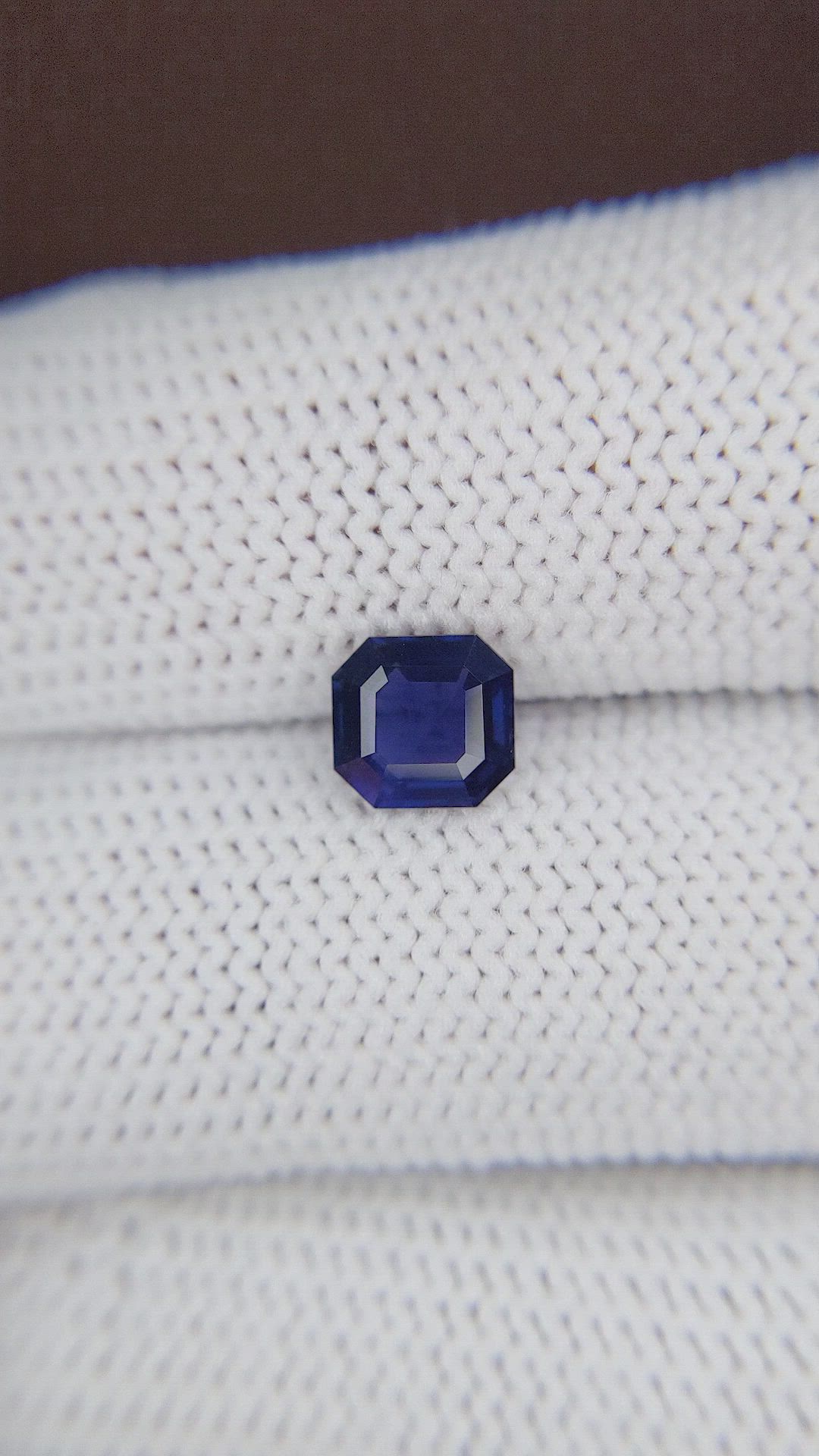
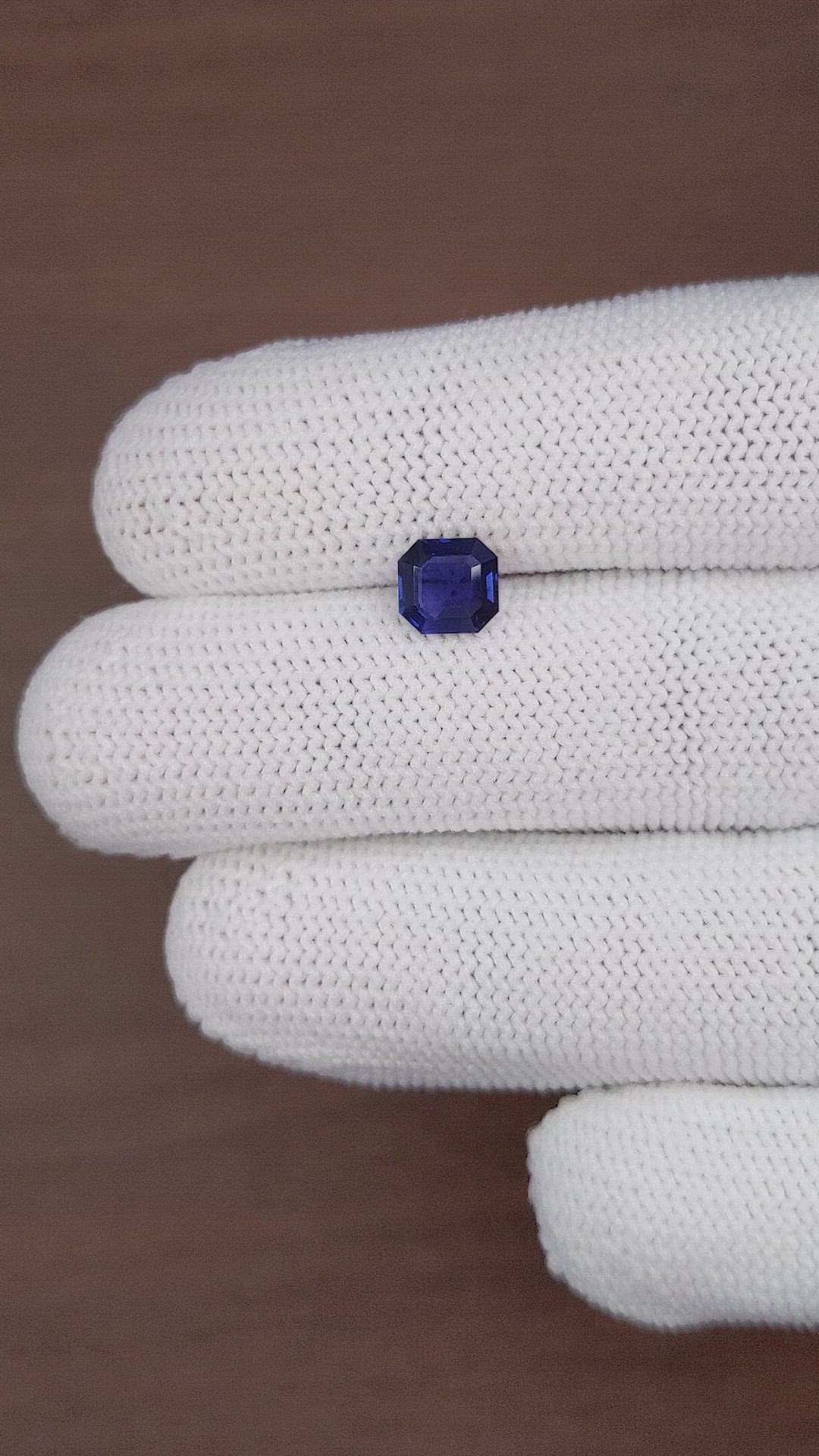
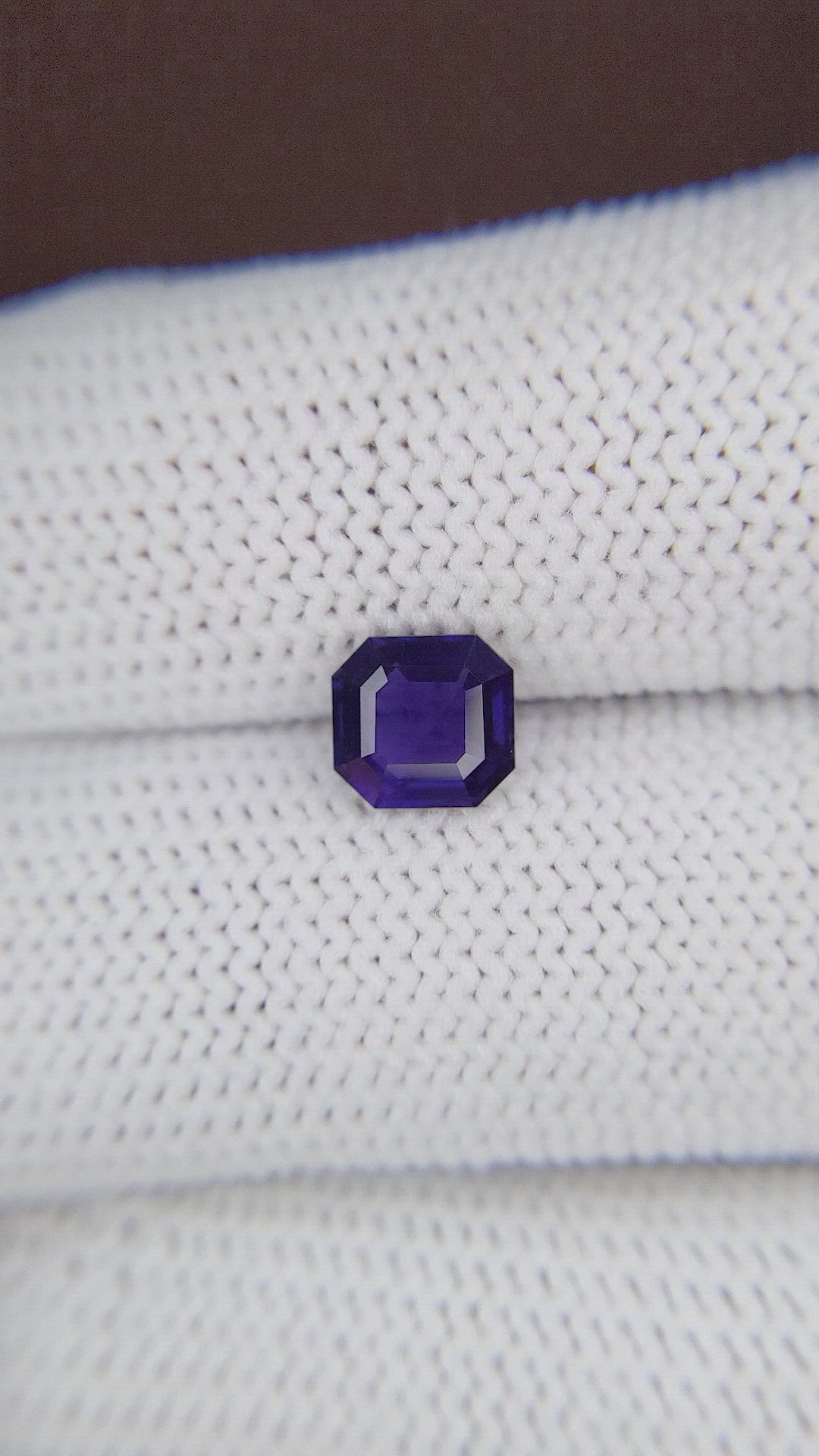
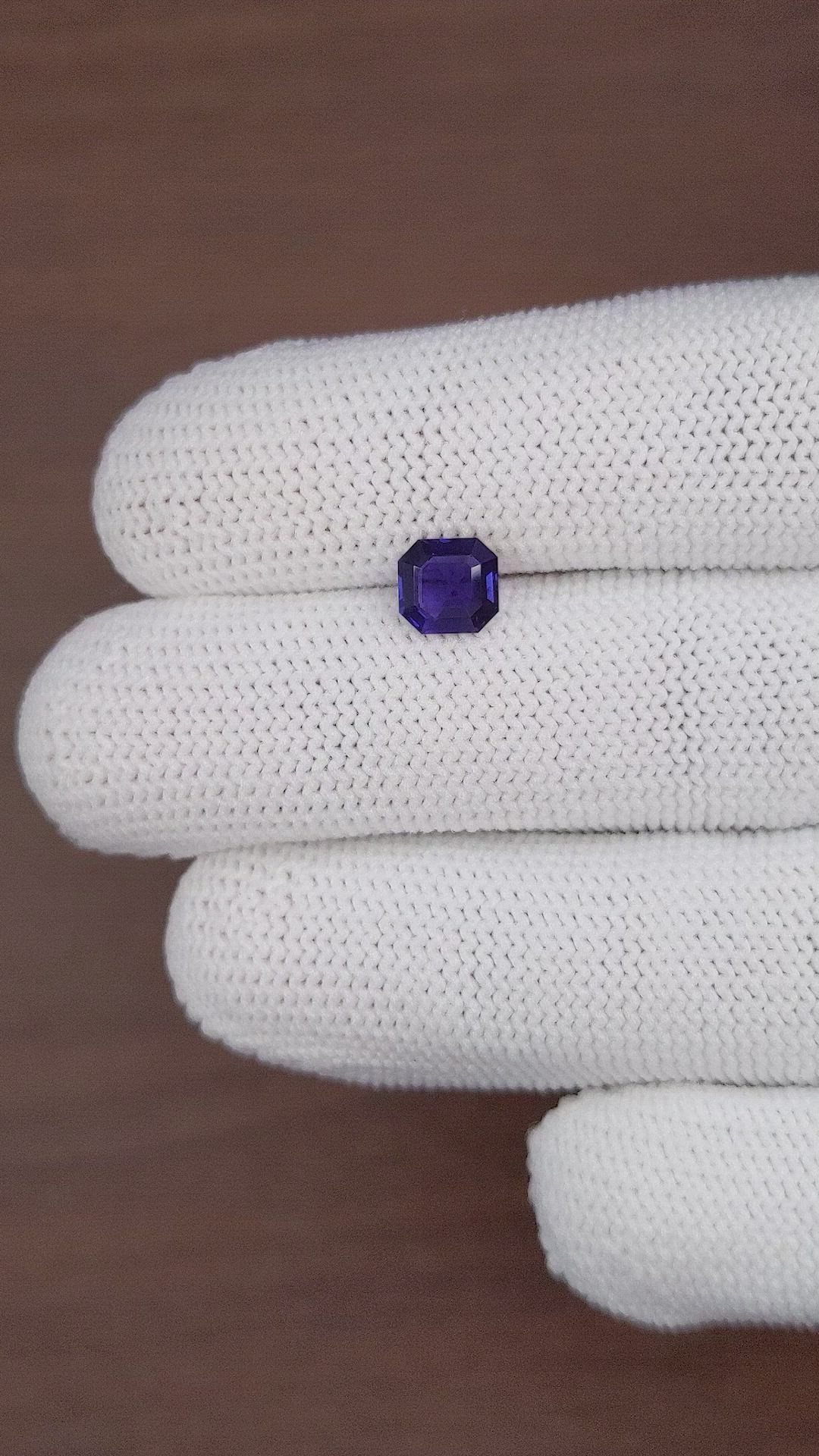
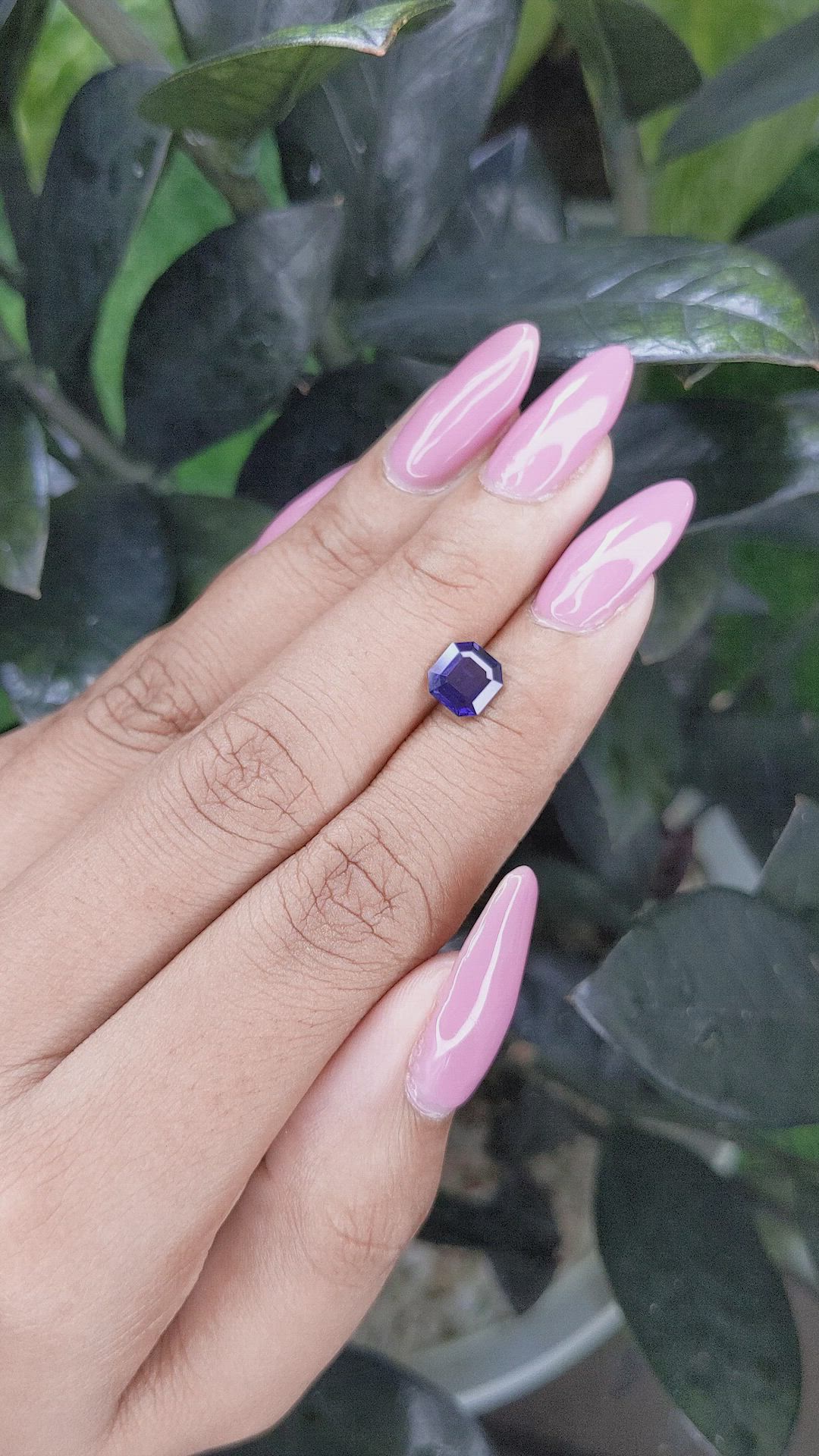
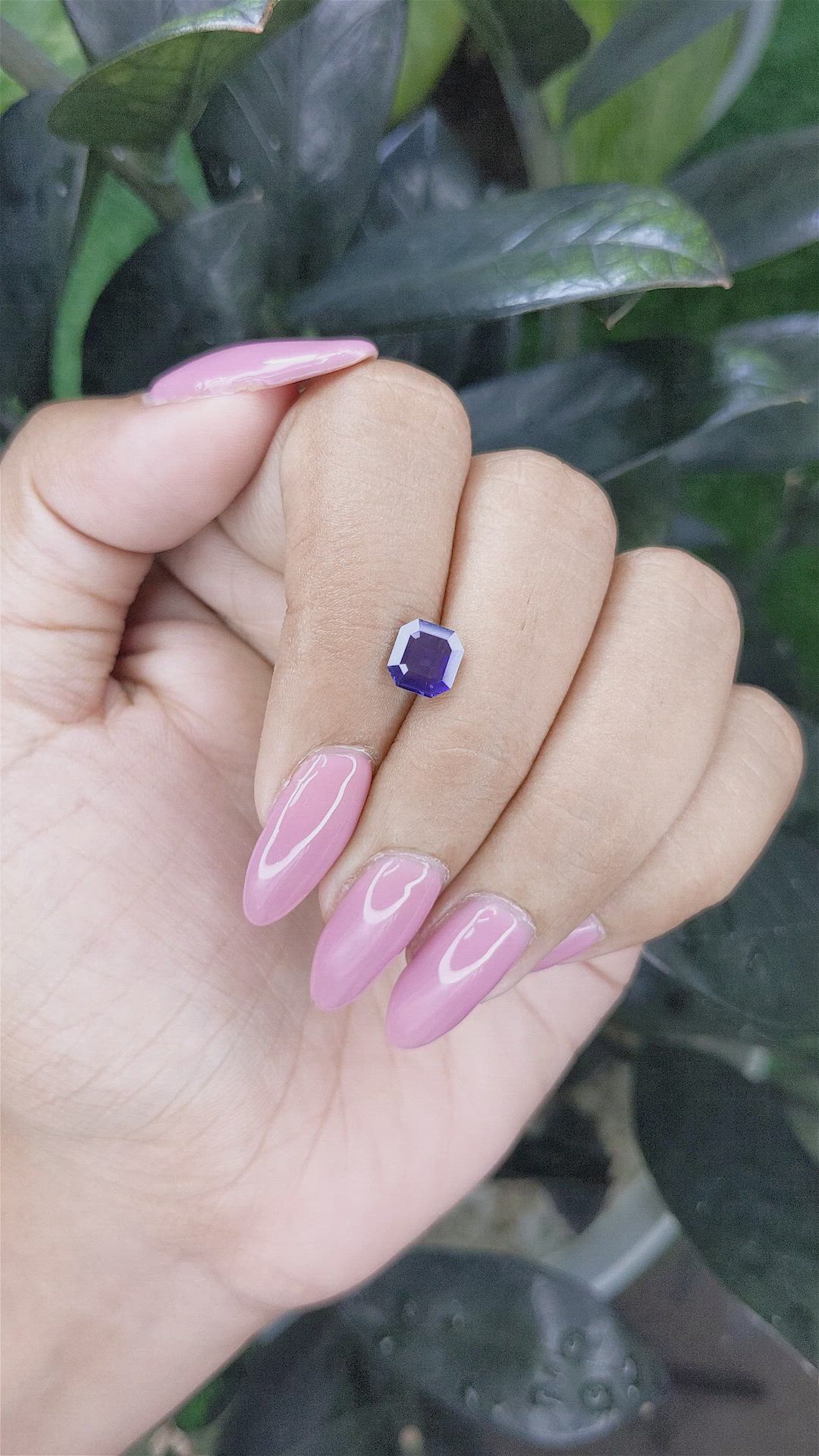
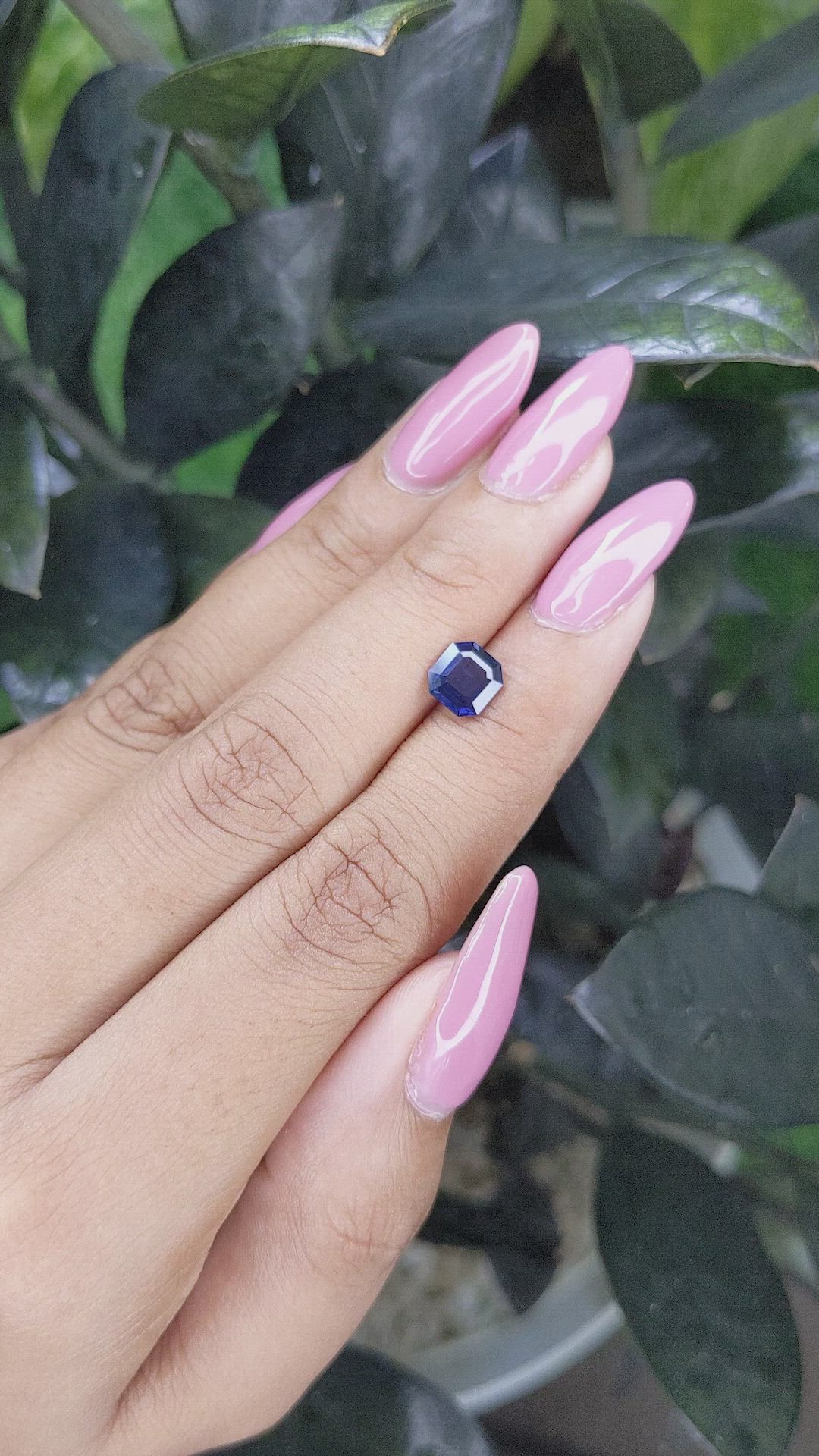
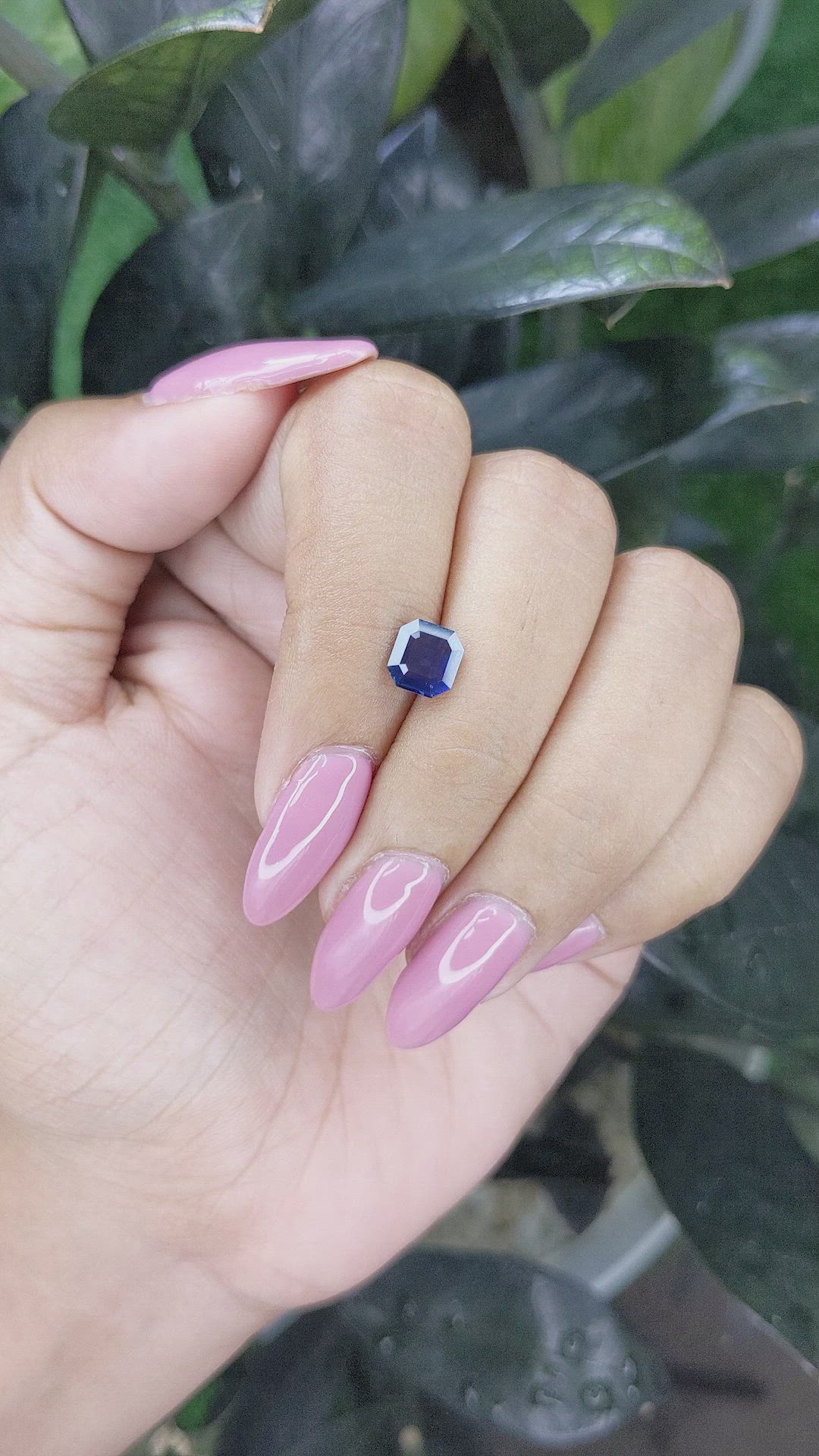


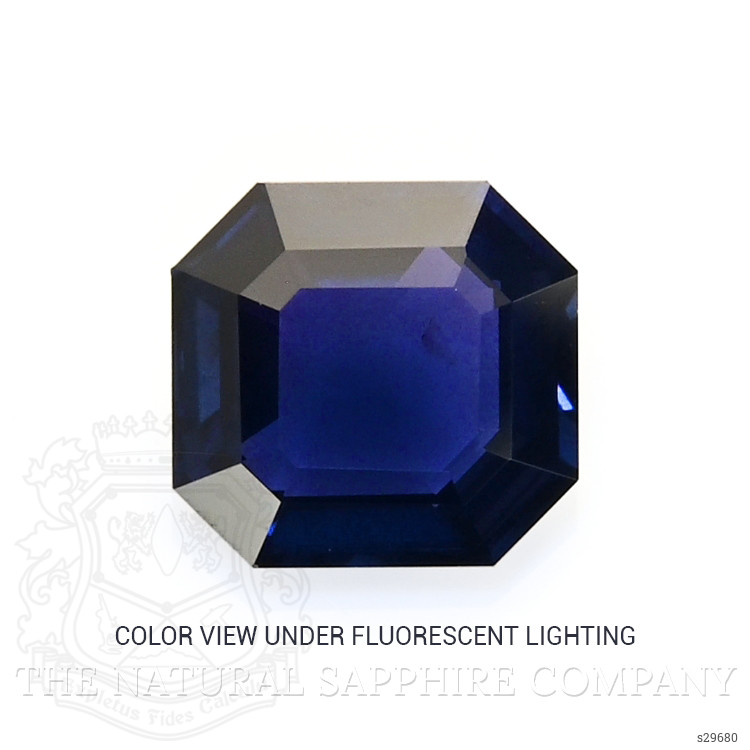
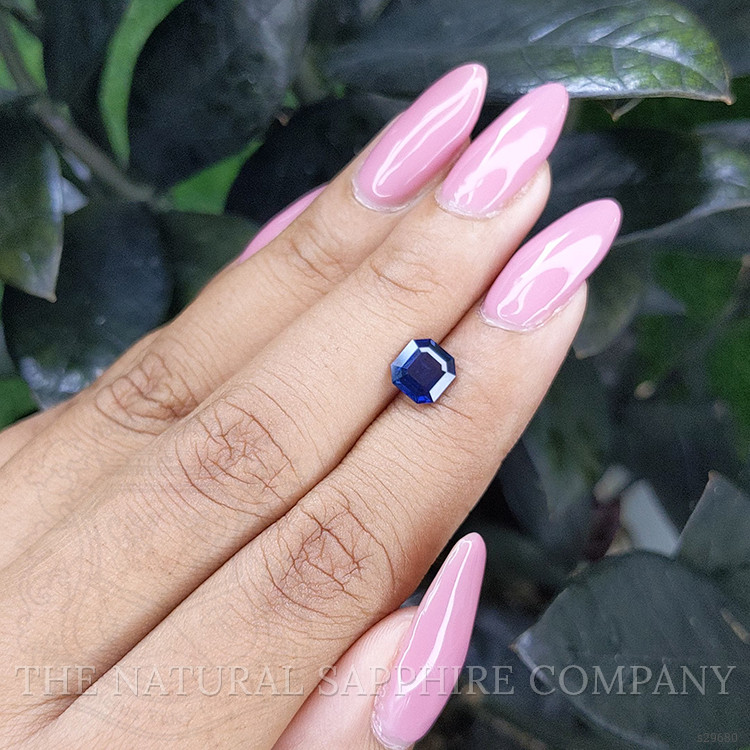
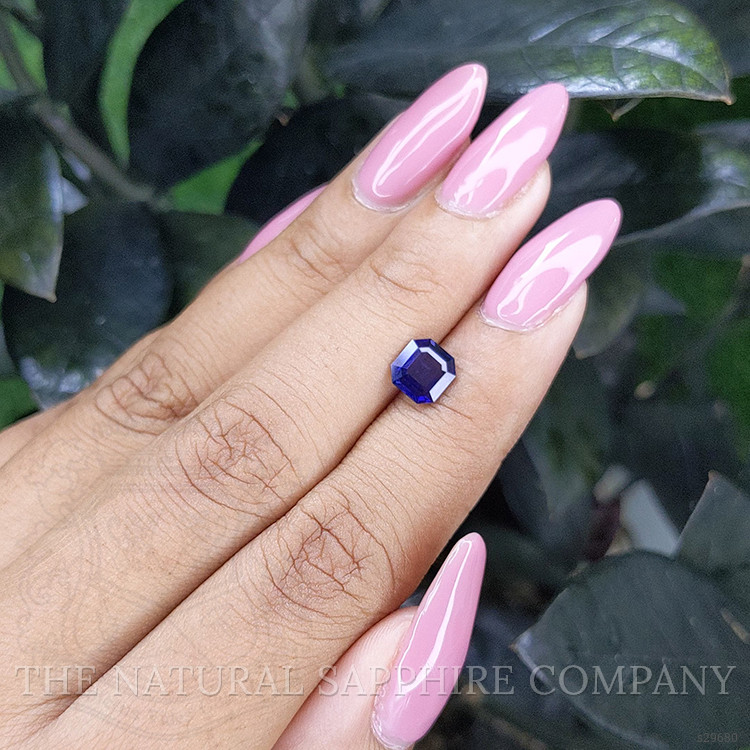
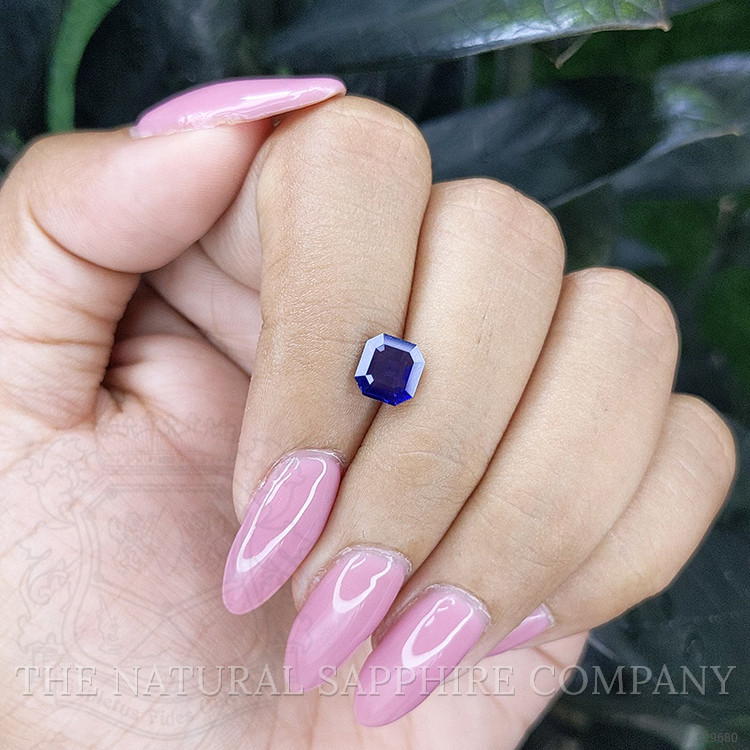
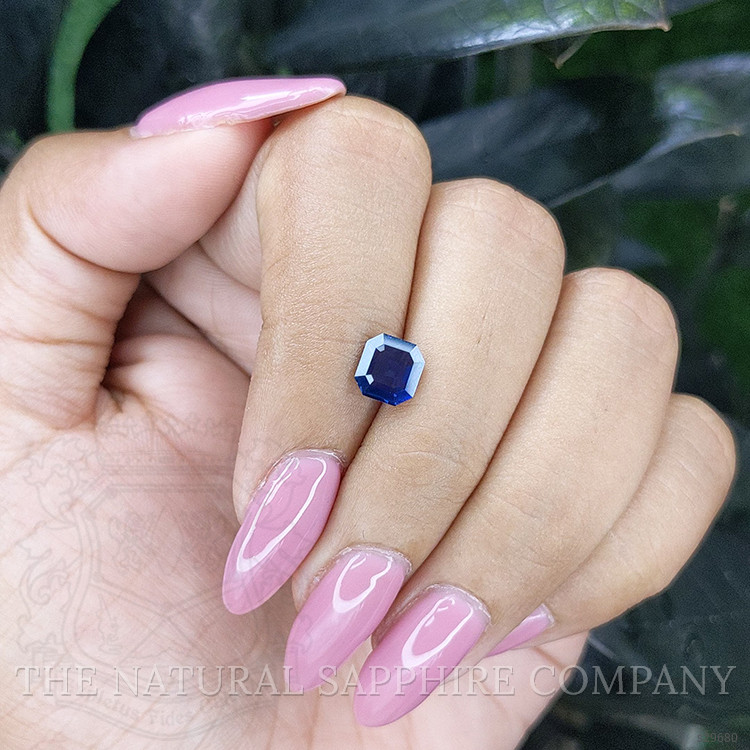



1.28 Ct. Color Change Sapphire from Tanzania
This loose stone ships by Oct 16
Item ID: | S29680 |
|---|---|
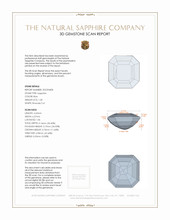
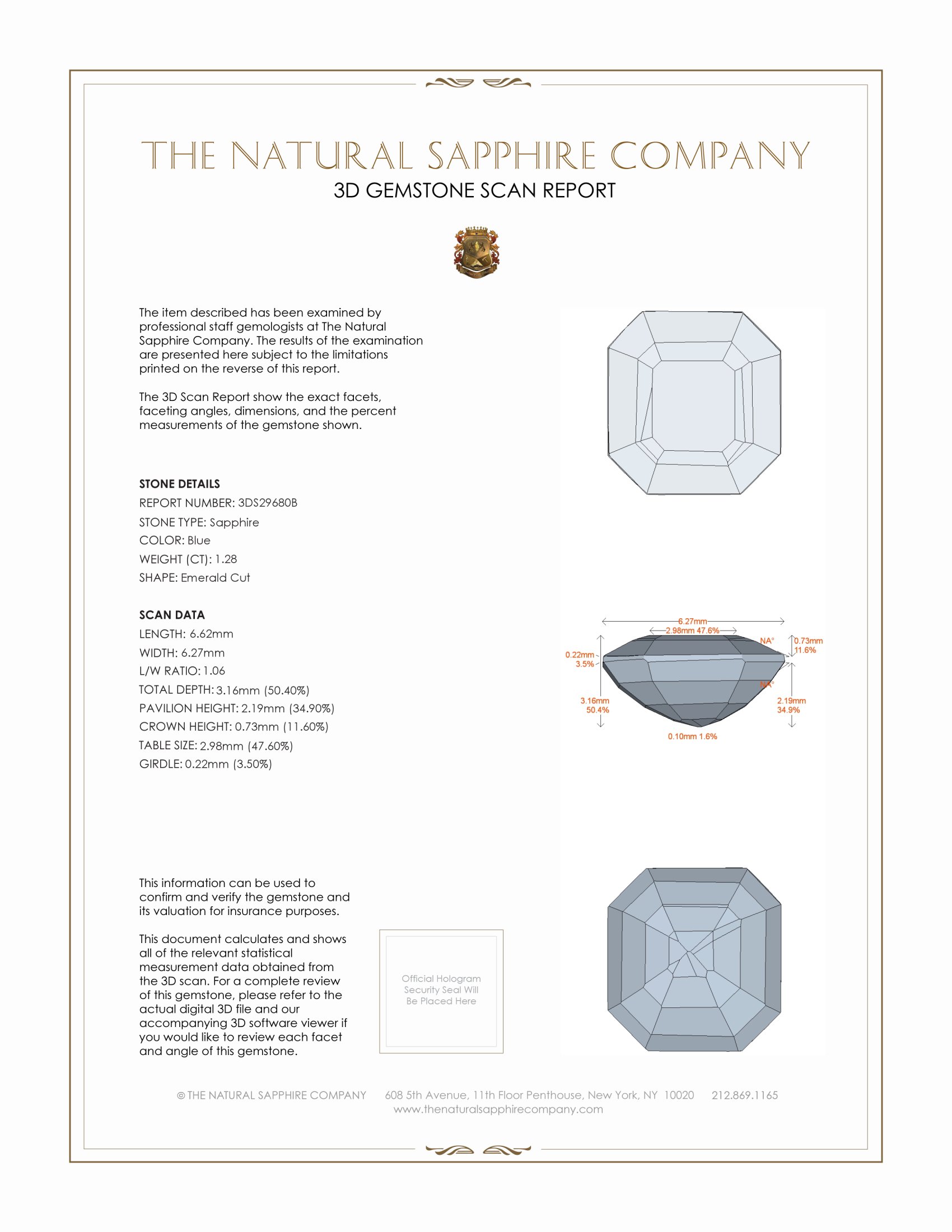
Dimensions (MM): help | Length: 6.62 Width: 6.27 Height: 3.16 |
Weight: | 1.28 Ct. |
Color: help | Color Change |
Color intensity: help | Vivid |
Clarity: help | Very Slightly Included |
Shape: help | Asscher - Octagon |
Cut: | Asscher Cut |
Cutting style: | Faceted |
Enhancements: help | No Enhancement |
Origin: help | Tanzania |
Per carat price: help | $1,200 |
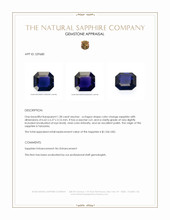
One of the most exacting examples of modern lapidary precision appears in this transparent 1.28 carat asscher octagon shape color change sapphire, supplied by The Natural Sapphire Company, measuring 6.62 x 6.27 x 3.16 mm. The gem is faceted in a classic asscher cut that emphasizes geometric symmetry and parallel step facets, yielding a crisp octagonal outline with clipped corners. Clarity is graded as very slightly included as evaluated at eye level, which in this material allows exceptional transparency while preserving a natural character. Color intensity is vivid, and the stone carries no enhancement, confirming that the color phenomena and saturation are inherent to the material. Polish is excellent, which is a crucial attribute for an asscher cut where facet crispness and mirror like surfaces determine the quality of light return. Origin is Tanzania, a source known for stones with strong saturation and fine crystal structure, and this provenance augments the gemstone narrative for connoisseurs who value traceability and untreated material.
The asscher cut employed here is fundamentally a step faceting style, characterized by concentric, rectangular facets on both the crown and pavilion that recede towards the table and culet in architectural tiers. This cut choice is deliberate for a transparent, color reactive sapphire, because step facets produce broad planes of reflective surface that emphasize depth of color and internal structure, rather than scattering light into small pinpoint brilliance. The crown is cut to produce pronounced, parallel facet planes that act like a series of mirrors, creating the so called hall of mirrors effect that asscher lovers prize. The pavilion depth of 3.16 mm combined with the average table dimension implied by the 6.62 and 6.27 mm diameters yields a depth to diameter ratio that favors balanced light circulation between crown and pavilion, reducing light leakage and preserving the color change effect under varying light sources. Symmetry is executed to tight tolerances, with facet junctions aligned so that reflections remain stable when the stone is rotated, a technical detail that preserves the visual integrity of the color change phenomenon and prevents distracting kaleidoscopic artifacts.
The color change characteristic of this sapphire is enhanced materially by the asscher faceting and by the gem native transparency. Under different illumination spectra, the internal absorption bands shift apparent hue, and the asscher cut translates those spectral shifts into large, coherent color planes that the eye perceives as a clean change in hue and saturation. Where brilliant cuts fragment light into many small flashes, the step style here permits contiguous zones of color to dominate the visual field, which accentuates the perceptual impact of a color shift from one light source to another. Vivid color intensity benefits from the deep but balanced pavilion, because sufficient path length within the crystal allows selective absorption to manifest strongly, while the excellent polish ensures that these saturated wavelengths are returned with minimal diffusion. Clarity that is very slightly included at eye level is advantageous for this configuration, because tiny needle or crystal inclusions that do not affect transparency can act as internal accent points that break otherwise uniform color planes in a controlled fashion, adding depth and complexity to the color change without compromising brilliance.
From a craftsmanship and practical perspective this 1.28 carat asscher octagon color change sapphire represents thoughtful cutting decisions tailored to the material properties of Tanzanian sapphire. The cutter prioritized facet proportion and polish over maximum weight retention, yielding a stone that performs optically rather than simply occupying carat mass. The absence of treatments confirms that the observed vivid color intensity and transparency are natural, which for advanced buyers impacts long term value and grading considerations. For setting recommendations, an open back or low bezel will allow the color change to be observed against ambient lighting, while a halo of small white stones can enhance apparent brightness without masking the step facet planes. The natural inclusions and the step facet structure also inform mounting technique, because secure girdle profile and proportional bezel heights will protect the clipped corners that define the asscher octagon outline. If you require further technical measurements, spectral analysis, or magnified imaging to assess the inclusion types and exact facet geometry, The Natural Sapphire Company can provide detailed documentation and imagery, and our gemmological team will discuss how the cut, clarity, and provenance converge to produce the unique optical performance of this untreated Tanzanian sapphire.


