
- Stone12
- Reports3
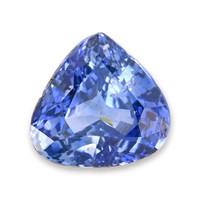
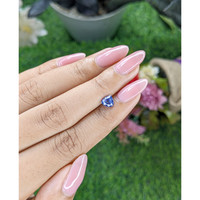
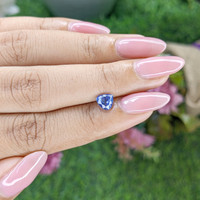
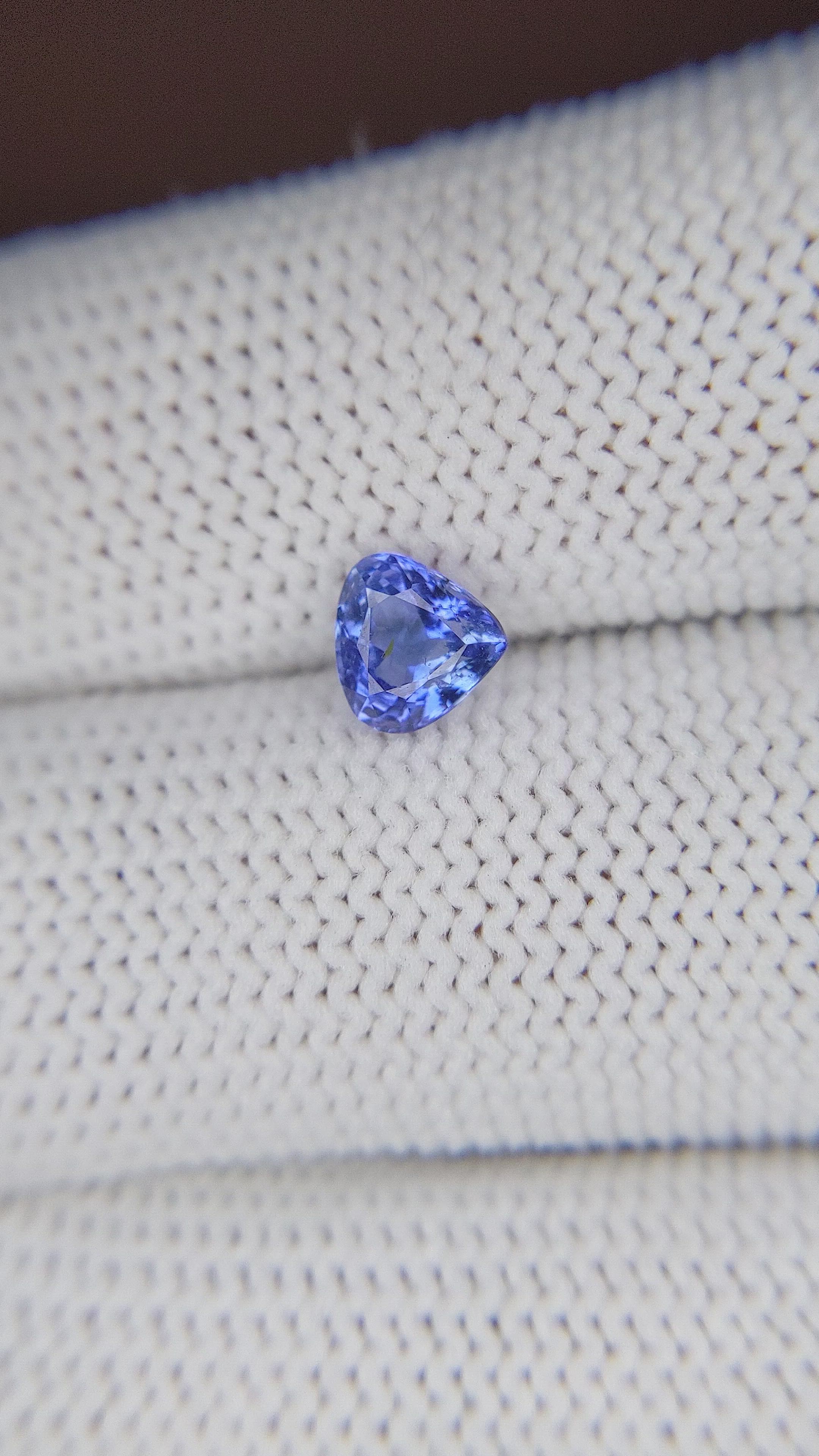




1.00 Ct. Blue Sapphire from Tanzania
This loose stone ships by Oct 13
Item ID: | S40249 |
|---|---|
Dimensions (MM): help | Length: 5.79 Width: 6.06 Height: 3.61 |
Weight: | 1.00 Ct. |
Color: help | Blue |
Color intensity: help | Medium |
Clarity: help | Slightly Included |
Shape: help | Trillion |
Cut: | Trillion Cut |
Cutting style: | Faceted |
Enhancements: help | No Enhancement |
Origin: help | Tanzania |
Per carat price: help | $700 |
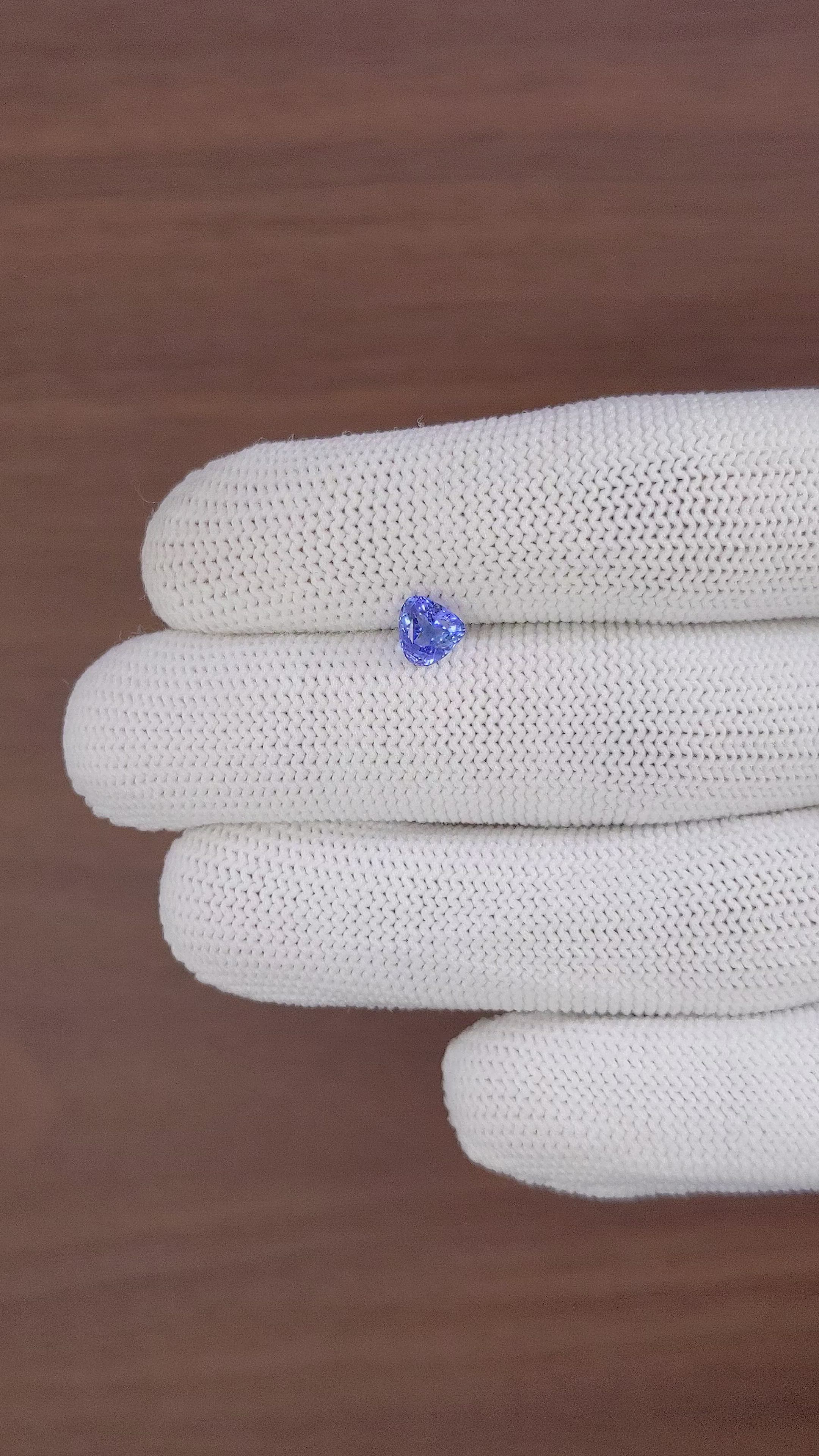
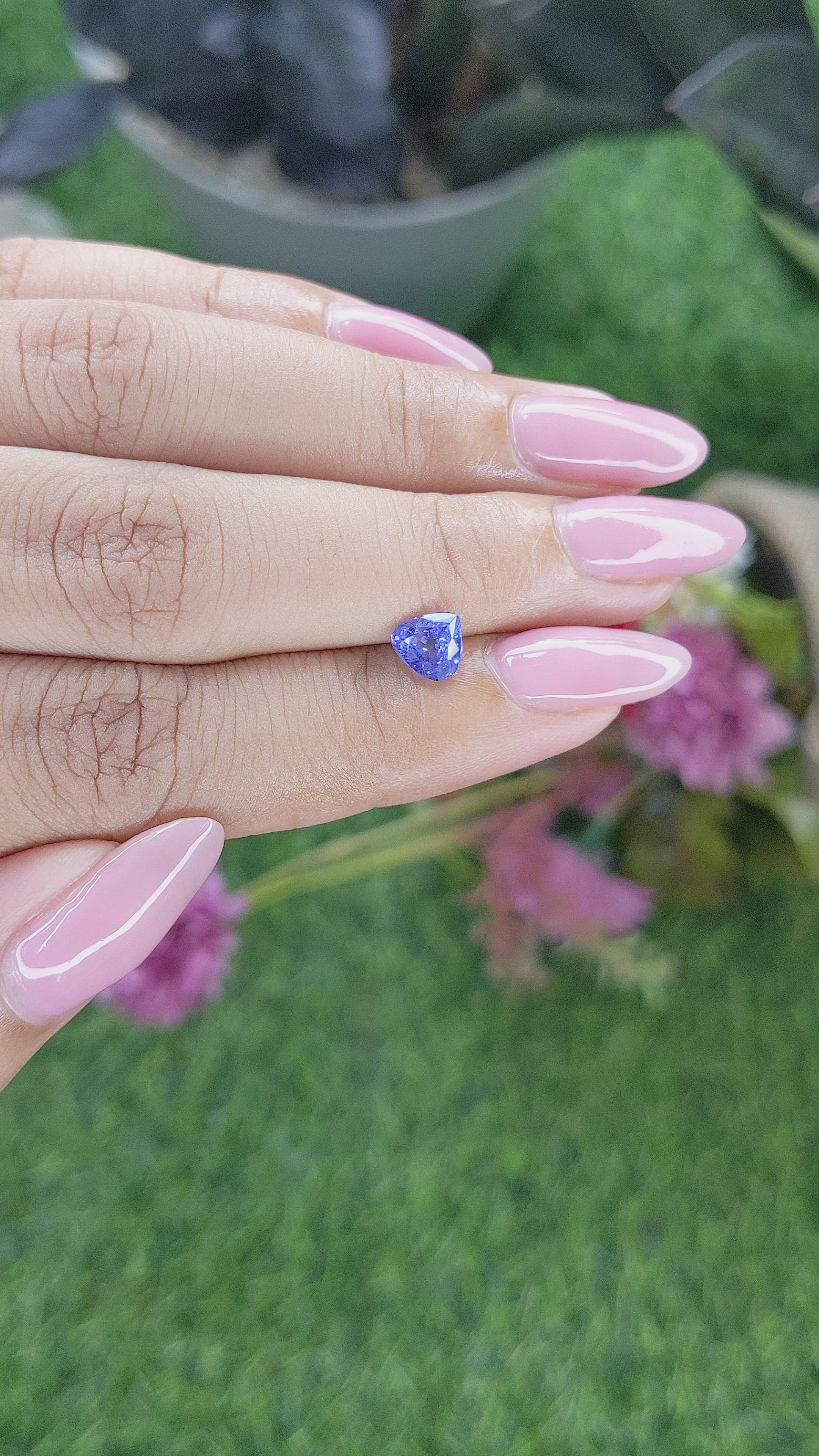
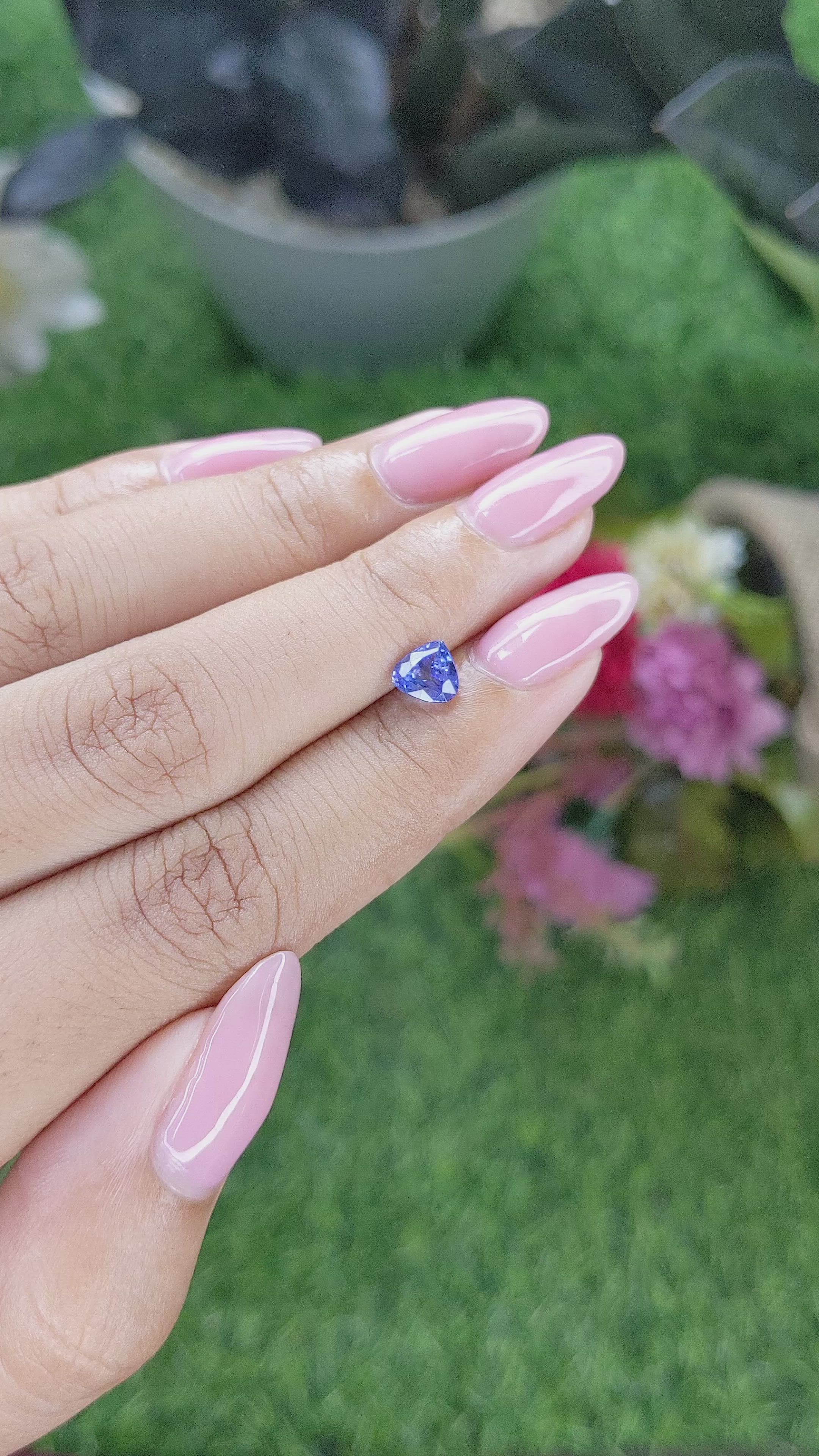
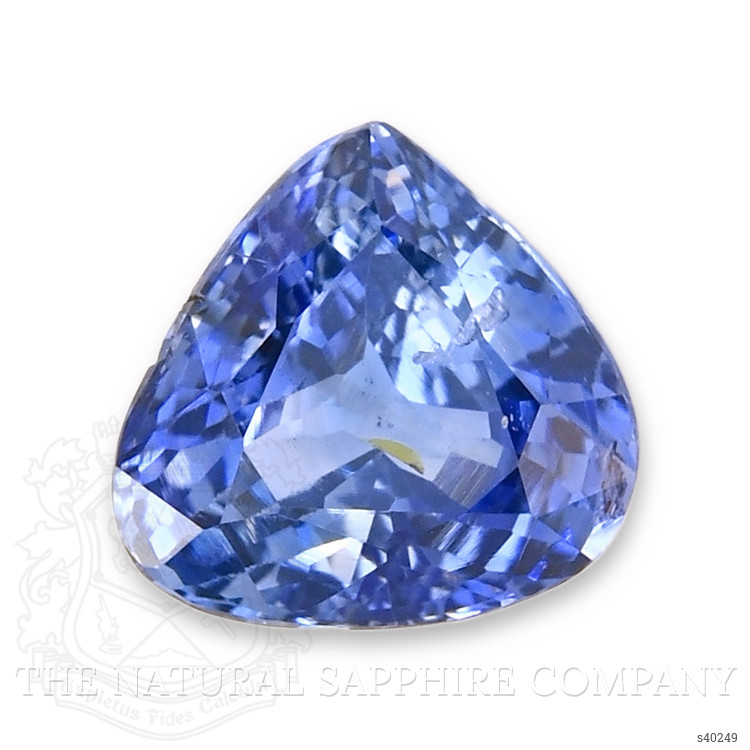
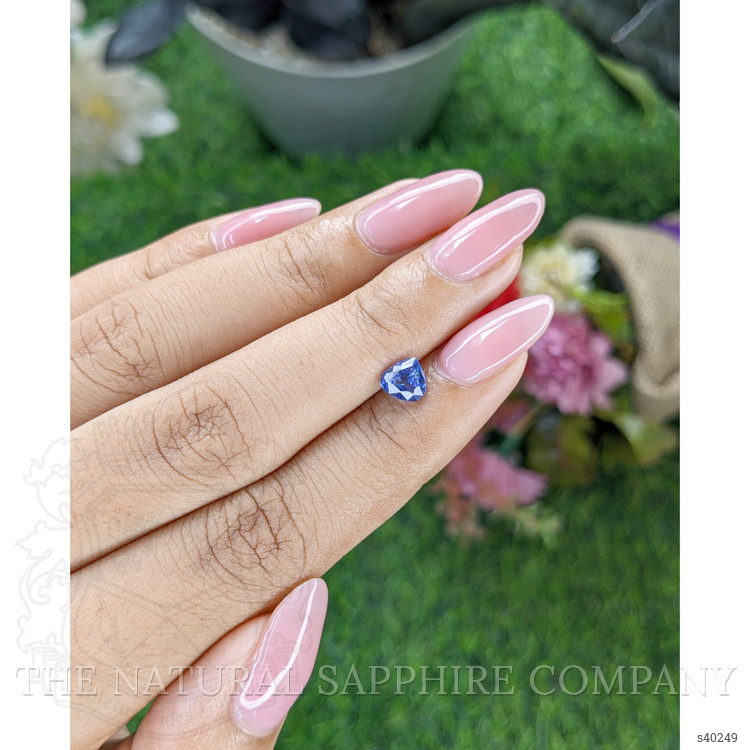
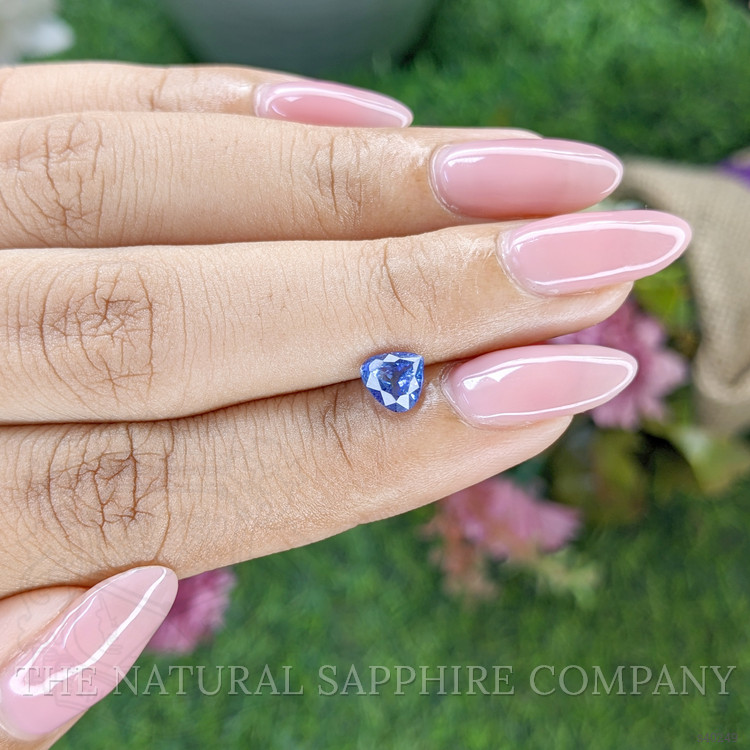
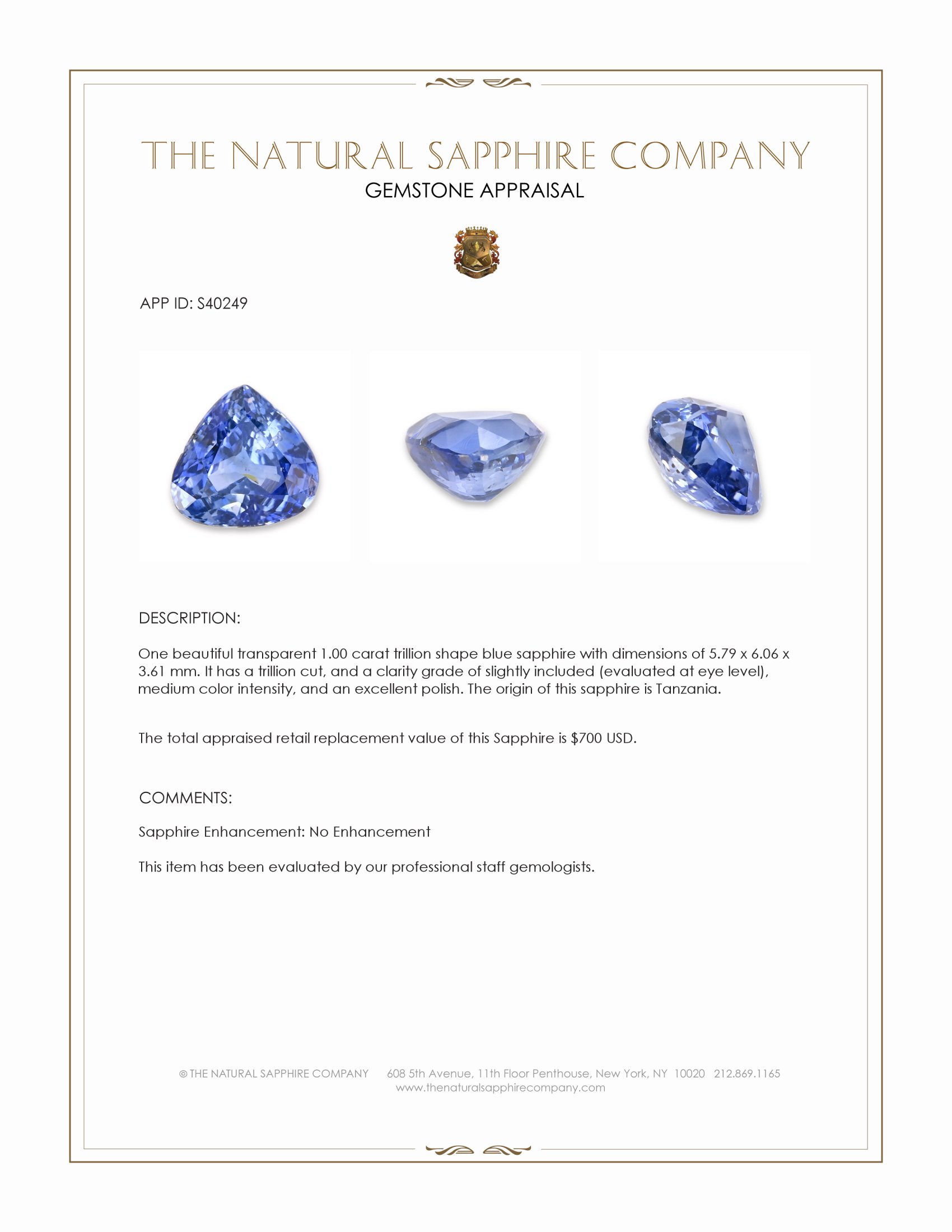
This transparent trillion shape blue sapphire presents itself as a finely balanced gem, weighing 1.00 carat and measuring 5.79 x 6.06 x 3.61 millimeters. Originating from Tanzania, the stone carries a medium color intensity that combines depth with clarity, yielding a color that reads as true blue without overpowering saturation. The trillion cut emphasizes the triangular geometry of the material, creating a compact outline that is at once modern and versatile. The clarity grading is slightly included when evaluated at eye level, a grading that reflects minor natural features that do not detract from the overall transparency. Enhancement testing confirms that the sapphire is natural and unenhanced, preserving the natural crystallographic and color characteristics that collectors and connoisseurs value. The measurements and proportions support predictable performance in bezel and prong settings, and the size is well suited to both solitaire and multi stone designs.
The flawless quality of the cut and polish is immediately apparent when the sapphire is examined under direct light, and it is this aspect that most significantly enhances its beauty from every angle. The trillion cut has been executed with precise facet junctions and consistent facet sizes, generating a balanced interplay of light and shadow across the crown and pavilion. Each facet plane aligns to promote internal reflection, allowing light to enter the stone, bounce between opposing facets, and return to the viewer with lively scintillation. The excellent polish produces mirror like facet surfaces, eliminating surface haze and maximizing the transmission of light through the body of the gem. As the stone is turned, the clean facet boundaries and sharp pavilion angles maintain scintillation and color stability, demonstrating that polish quality and cutting symmetry are critical to the apparent brilliance and evenness of hue.
The slightly included clarity grade has been carefully managed through the cutting process, minimizing the visual impact of natural inclusions and often rendering them insignificant to the unaided eye. Inclusions that do exist tend to be small and preferentially located so that they are masked by facet junctions or lie near the girdle, where they do not interrupt the primary light path. Because the sapphire is untreated, the inclusions are natural identifiers of origin and growth history rather than signs of artificial alteration. This natural character can be desirable to collectors who seek authenticity and provenance, and it provides a point of differentiation from treated material. The medium color intensity combines with the controlled clarity to produce an even distribution of blue across the surface, with no evidence of heavy color zoning when viewed from typical jewelry angles. The overall transparency remains excellent, allowing both brilliance and subtle flashes of color to emerge as the stone is viewed from varying orientations.
For practical use in fine jewelry, the combination of the sapphires trillion outline, its precise dimensions, and its excellent polish make it suitable for a range of design intentions, from a centered engagement gem to an accent stone in a more complex composition. The compact face up dimensions maximize apparent size while retaining structural integrity, and the well proportioned pavilion depth helps safeguard the stone during setting and wear. At The Natural Sapphire Company we document origin and enhancement status for every piece, and this Tanzanian sapphire is supplied with confirmation that no enhancement has been applied. The natural origin, measured proportions, and the high standard of finishing together create an object that performs predictably in light and in design. In a finished piece the cut quality and surface polish will continue to be the principal drivers of perceived quality, ensuring that this sapphire presents a harmonious and refined appearance from every angle.


