
- Stone16
- Reports3
-round-blue-sapphire-0.6800-cts-s45567-1.jpg?d=200x200&v=20260827012027)
-round-blue-sapphire-0.6800-cts-s45567-lifestyleimage-1.jpg?d=200x200&v=20260829012409)
-round-blue-sapphire-0.6800-cts-s45567-lifestyleimage-2.jpg?d=200x200&v=20260829012410)
-round-blue-sapphire-0.6800-cts-s45567-lifestyleimage-3.jpg?d=200x200&v=20260829012410)
-round-blue-sapphire-0.6800-cts-s45567-lifestyleimage-4.jpg?d=200x200&v=20260829012410)


-round-blue-sapphire-0.6800-cts-s45567-1.jpg?d=750x750&s=nsc&v=20260827012027)
-round-blue-sapphire-0.6800-cts-s45567-lifestyleimage-1.jpg?d=750x750&s=nsc&v=20260829012409)
-round-blue-sapphire-0.6800-cts-s45567-lifestyleimage-2.jpg?d=750x750&s=nsc&v=20260829012410)
-round-blue-sapphire-0.6800-cts-s45567-lifestyleimage-3.jpg?d=750x750&s=nsc&v=20260829012410)
-round-blue-sapphire-0.6800-cts-s45567-lifestyleimage-4.jpg?d=750x750&s=nsc&v=20260829012410)



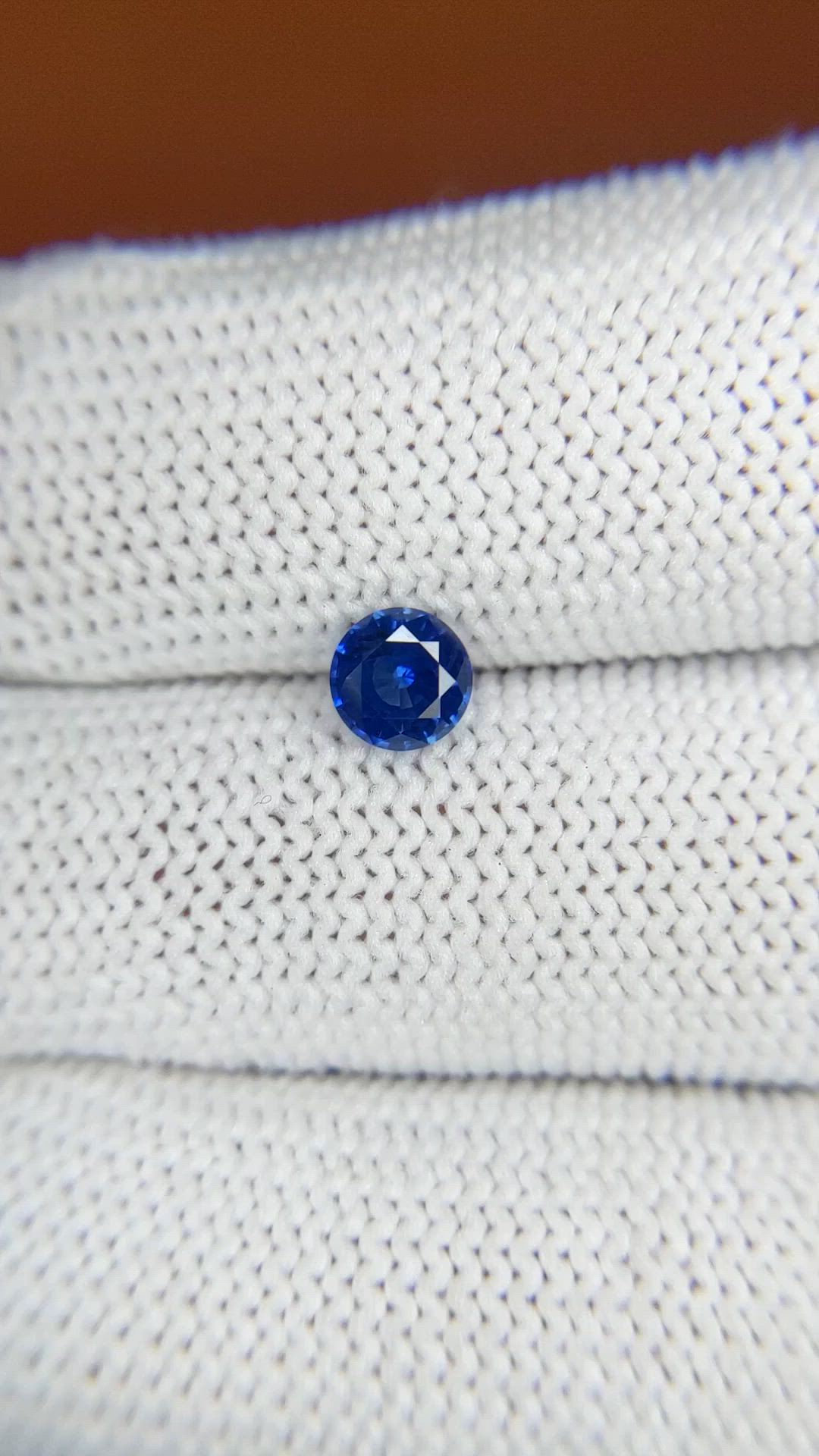
0.68 Ct. Blue Sapphire from Ceylon (Sri Lanka)
This loose stone is available to ship now
Item ID: | S45567 |
|---|---|
Dimensions (MM): help | Length: 5.13 Width: 5.12 Height: 3.27 |
Weight: | 0.68 Ct. |
Color: help | Blue |
Color intensity: help | Vivid |
Clarity: help | Very Very Slightly Included |
Shape: help | Round |
Cut: | Mixed Brilliant Cut |
Cutting style: | Faceted |
Enhancements: help | Heat Treated |
Origin: help | Ceylon (Sri Lanka) |
Per carat price: help | $600 |
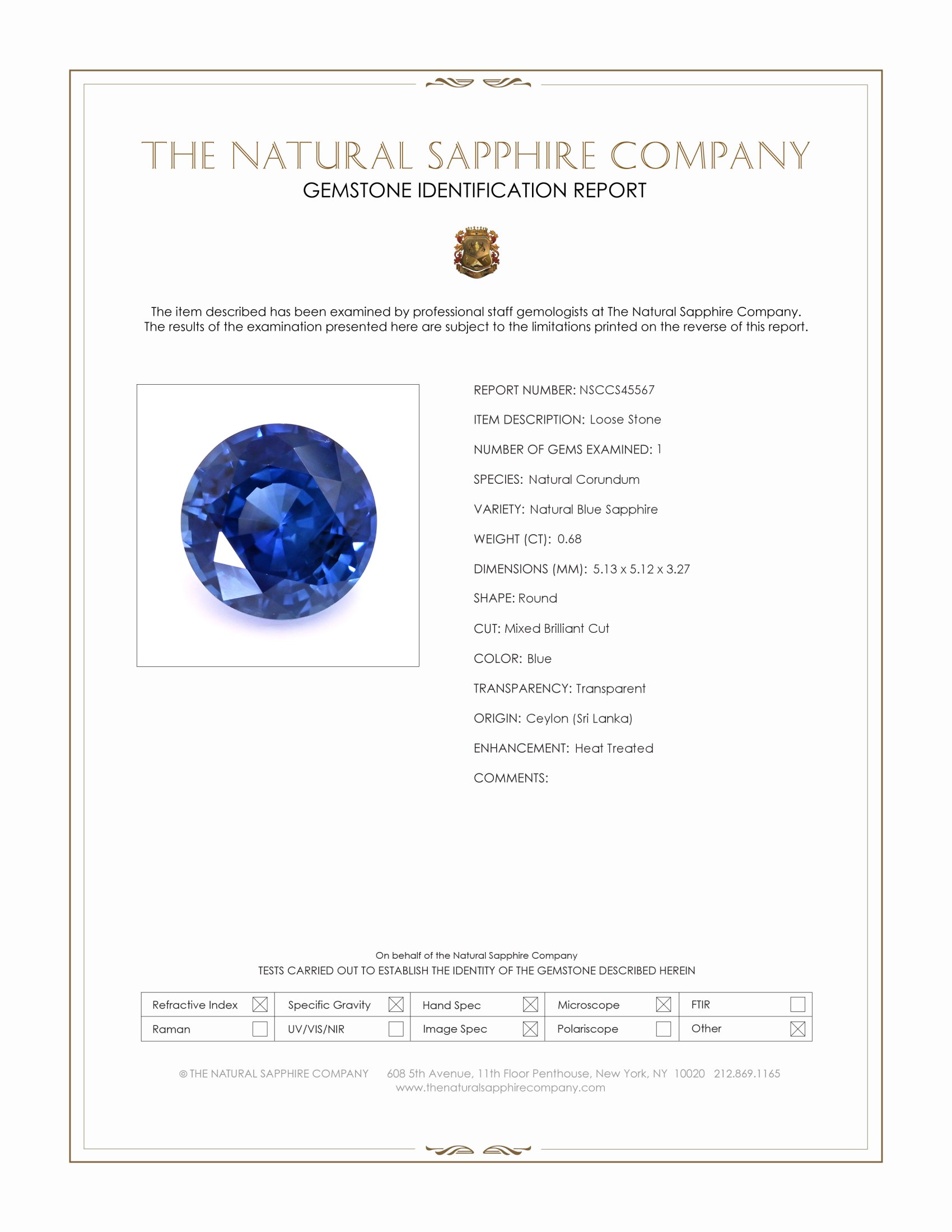
This listing describes one transparent blue sapphire, lot reference from The Natural Sapphire Company, weighing 0.68 carat. The stone is a round shape with dimensions 5.13 by 5.12 by 3.27 millimeters, faceted with a mixed brilliant cut. The cutting style combines a brilliant crown and a step or modified pavilion to optimize both color and light return, resulting in balanced brilliance and scintillation. The clarity grade is very very slightly included, evaluated at eye level, and the gem displays vivid color intensity with an excellent polish. The sapphire is heat treated, a stable and commonly accepted enhancement in sapphire trade, and its origin is Ceylon Sri Lanka. These specifications are provided for accurate assessment, and the measurements and grades reflect laboratory and in house evaluation protocols used by The Natural Sapphire Company.
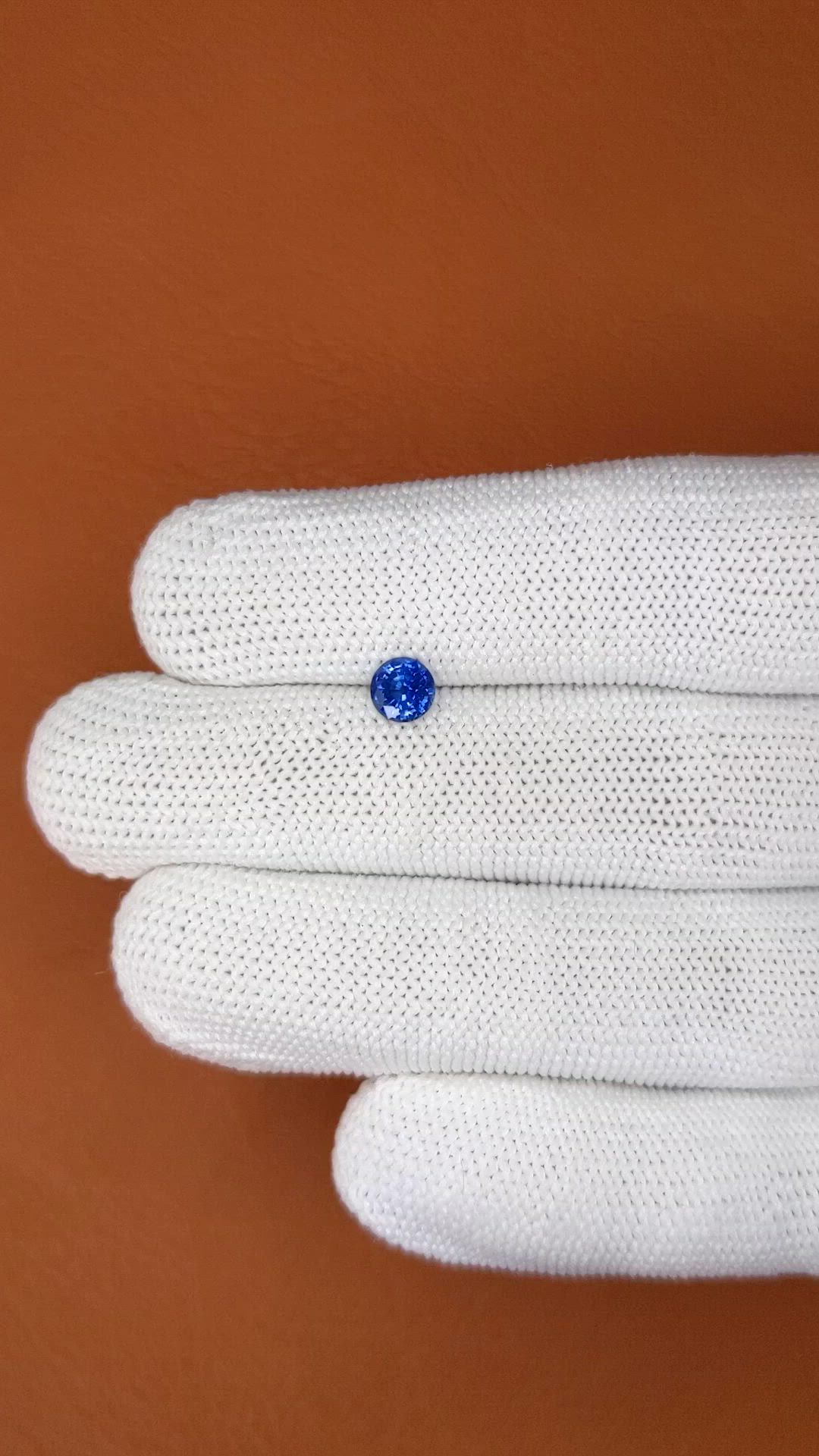
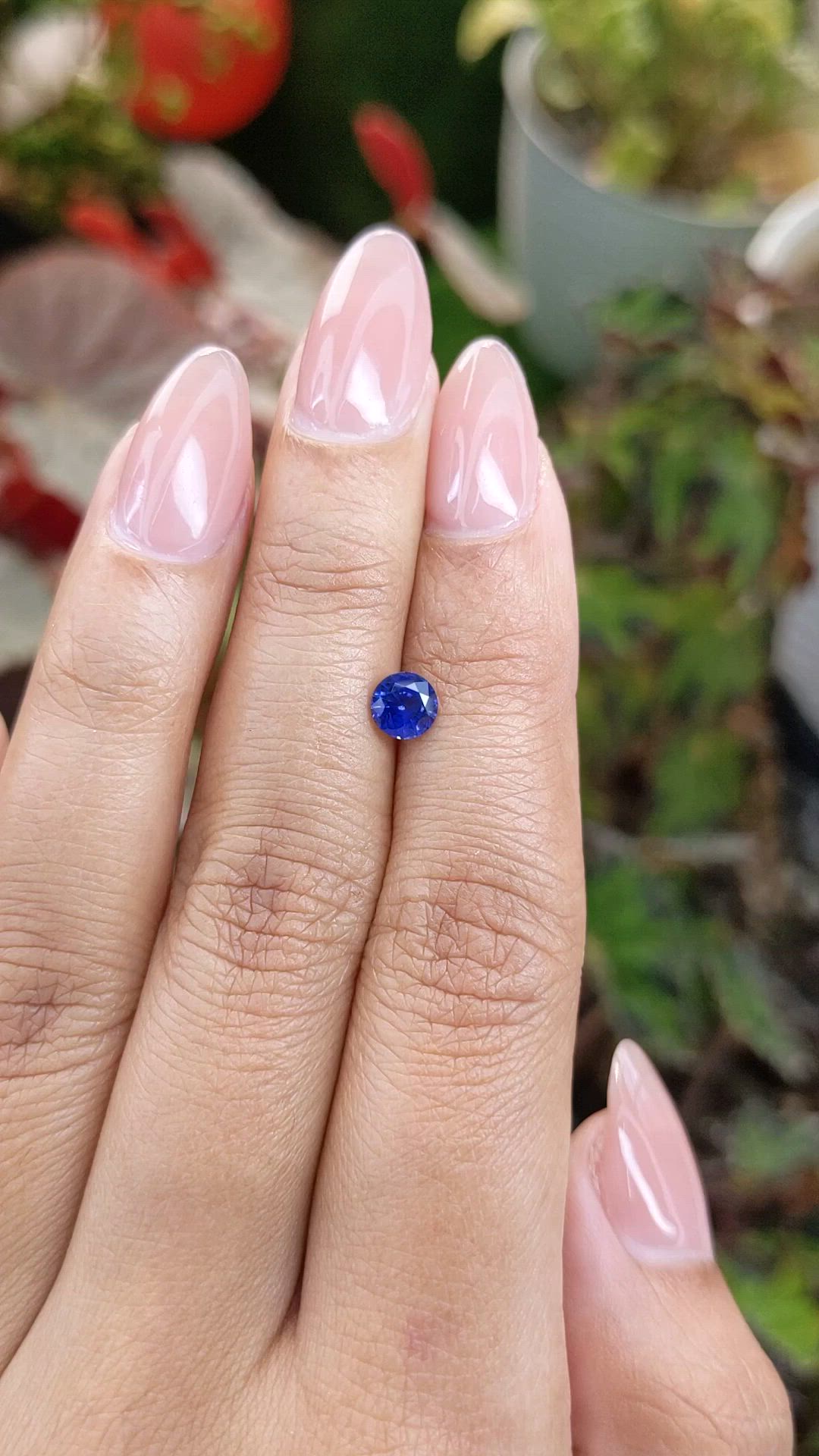
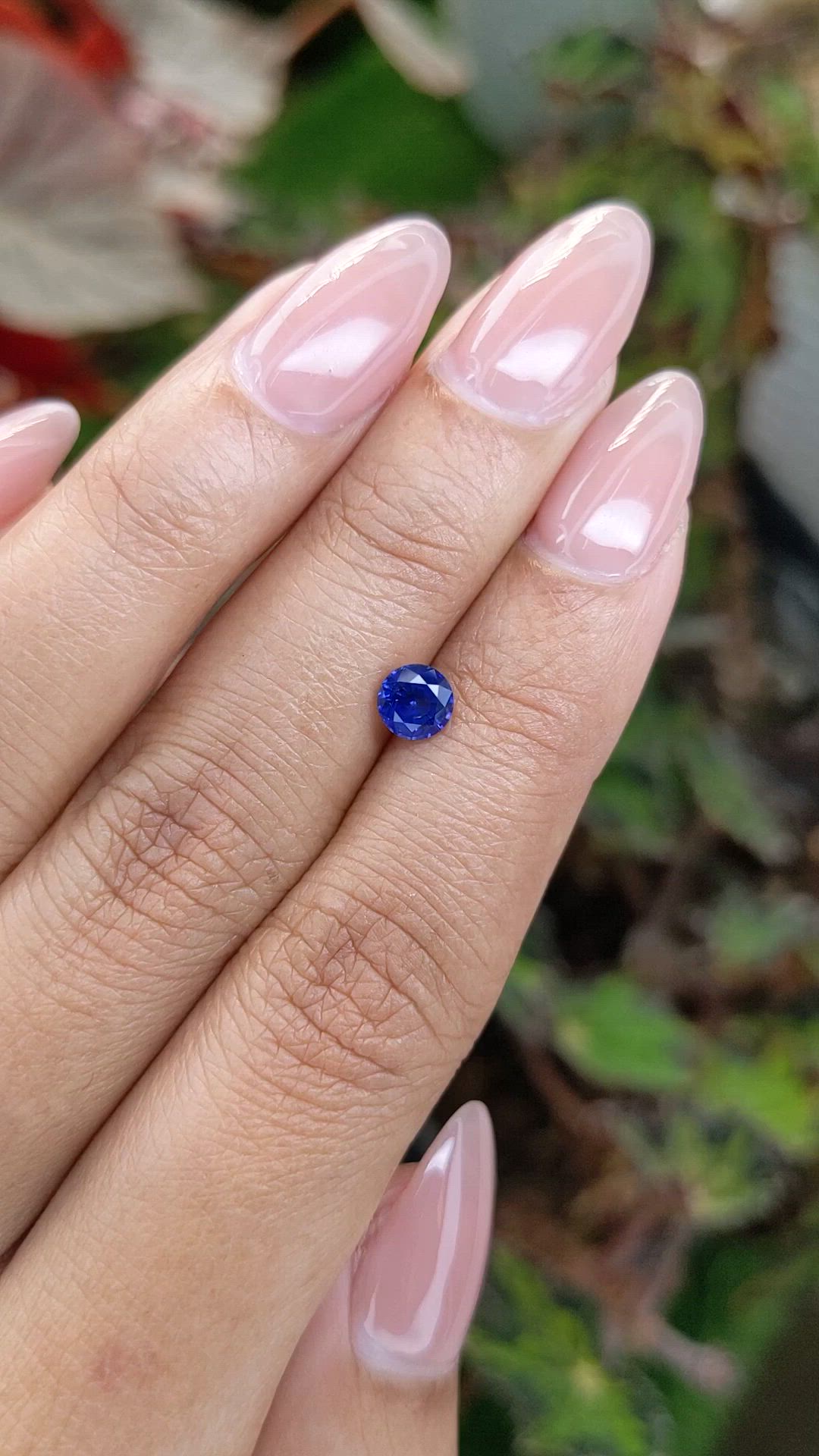
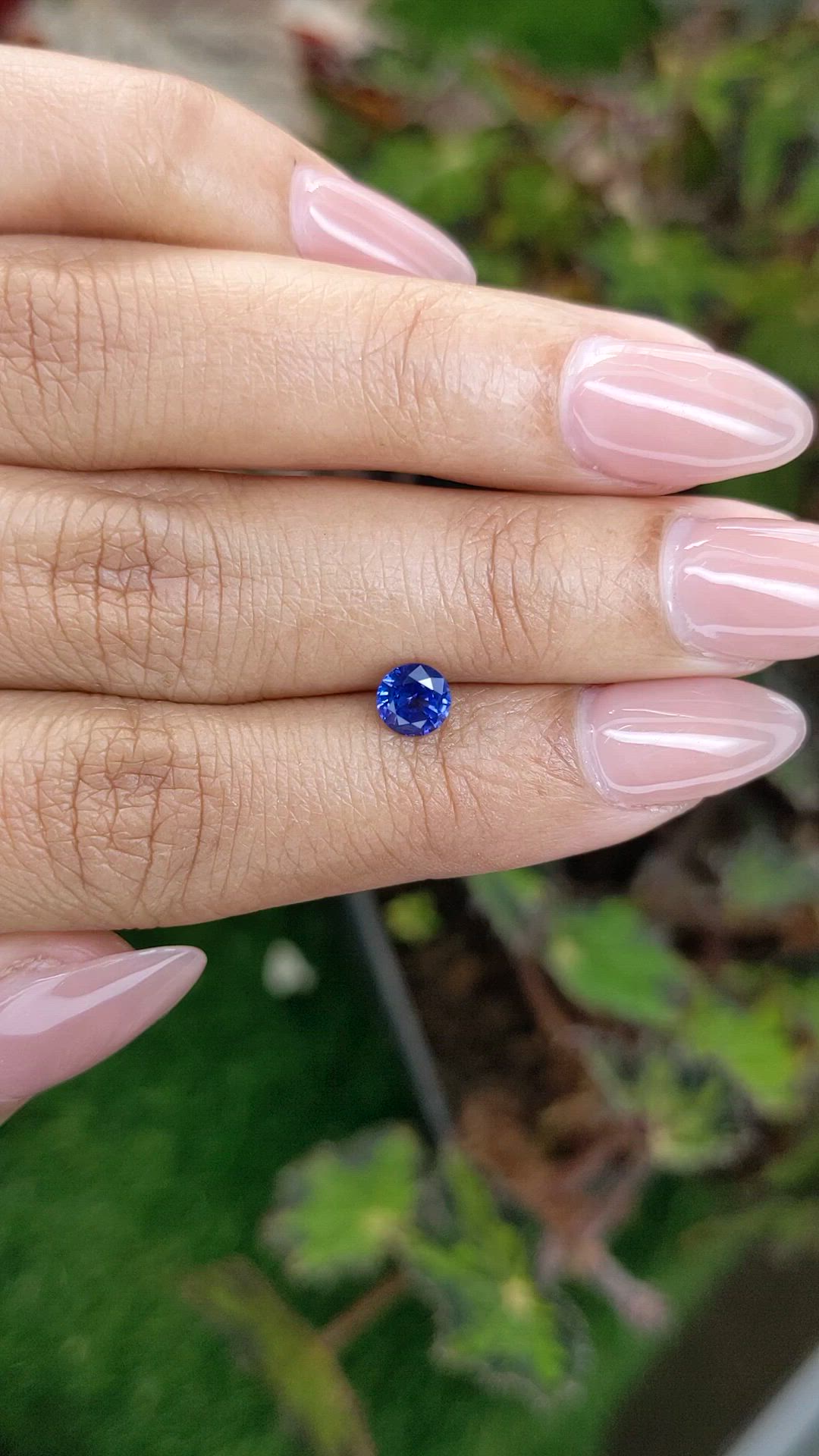
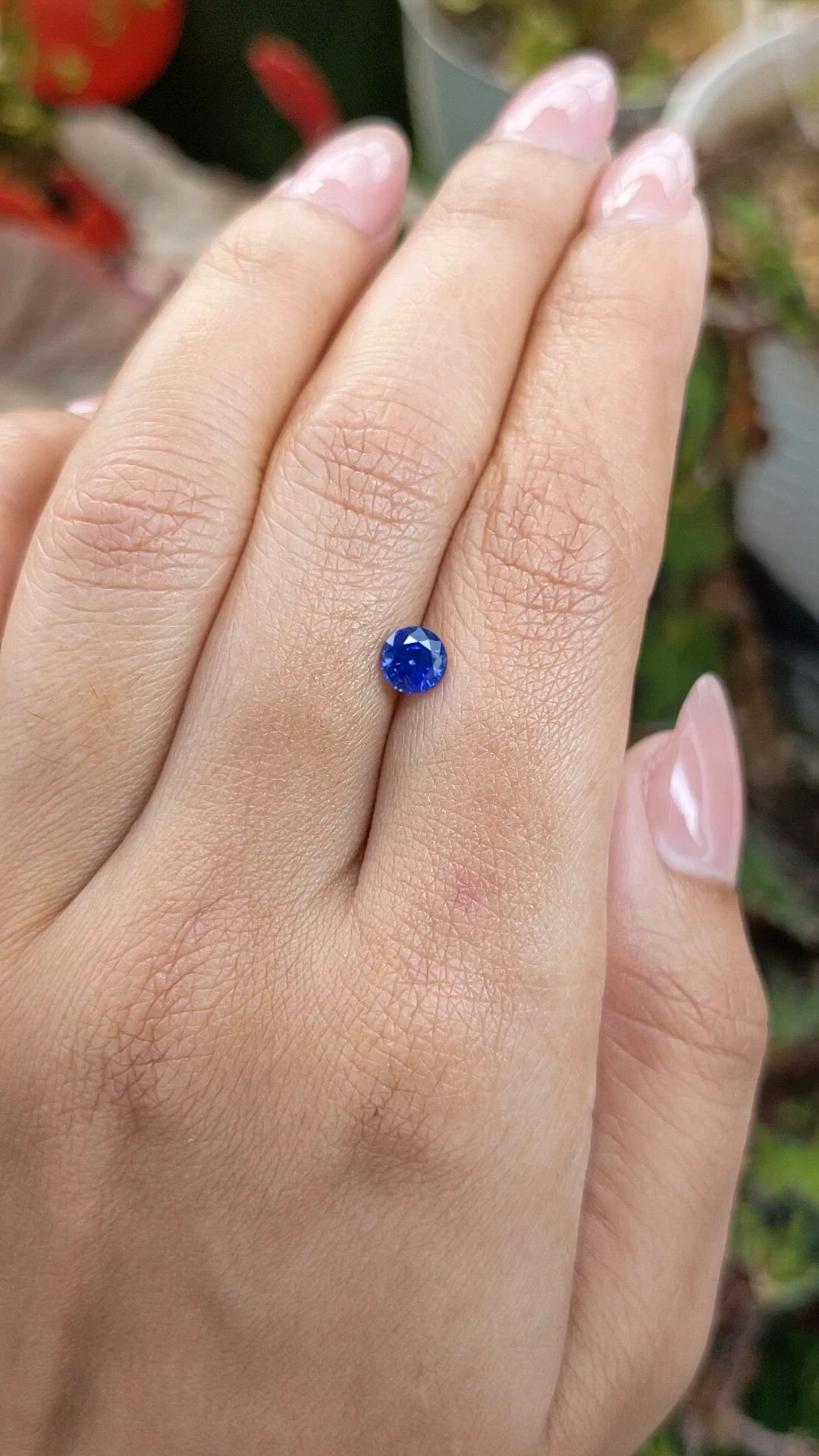
Visually the sapphire presents a lively, saturated blue that reads as vivid under standard lighting. The mixed brilliant faceting enhances both the depth of color and the dispersion of light, producing lively flashes and a pleasing contrast between the pavilion and crown facets. The stone is transparent with minimal to no visible inclusions at normal viewing distances, which supports a clean appearance on the finger as shown in the accompanying images. The depth of 3.27 millimeters paired with the near circular dimensions indicates efficient use of rough material and a cutter intent on preserving color while achieving a proportion that returns light effectively. The excellent polish contributes to crisp facet junctions and strong mirror like surfaces, which help maintain the perceived saturation and clarity across viewing angles.
When comparing hue and tone to sapphires from other notable sources the distinctions are instructive for collectors and designers. Sapphires from Kashmir historically exhibit a velvety cornflower blue, often with a slightly softer, more muted tone due to a natural silk like inclusions pattern and lower clarity, producing a characteristic depth that differs from the transparent clarity seen in this Ceylon stone. Burmese or Myanmar sapphires tend toward a deep, royal blue with strong saturation and a slightly richer, warmer tone, frequently described as pure blue without significant violet overtones, and they often command premium prices for that dense, intense color. By contrast this Ceylon sapphire shows a brighter, more lively blue, with a medium to medium dark tone that emphasizes clarity and brilliance rather than the plush, velvety appearance associated with Kashmir. Madagascar sapphires can display a range similar to Sri Lanka, including vivid blues, but often they present a slightly cooler or greener bias in hue depending on locality and crystallographic factors. Australian sapphires more commonly trend toward darker, inky blues with greenish components, which produce a different visual impact than the vivid, transparent blue of this Ceylon example. Montana sapphires are typically lighter and more pastel or teal leaning, with a distinctly different tonal and hue profile compared with this vivid Ceylon blue.
The overall presentation and treatment history inform practical considerations for setting and wear. Heat treatment is a stable enhancement that is widely accepted in the market, and this stone has been processed to optimize color while preserving clarity and structural integrity. Given the stone dimensions and mixed brilliant cutting style, the sapphire is well suited to a range of mounting designs including a classic solitaire setting that showcases color and brilliance, a halo design that will add perceived size while emphasizing the vivid hue, or a three stone composition for a balanced, refined look. The clean appearance enhances its adaptability to both modern and traditional design aesthetics. Routine care for heat treated sapphires includes avoiding harsh chemicals and extreme thermal shock, regular gentle cleaning with mild detergent and warm water, and professional inspection of the setting at intervals to ensure security. The Natural Sapphire Company stands behind the gemological description provided, and this Ceylon sapphire represents a reliable example of Sri Lankan material that offers bright, vivid blue color with excellent polish and strong optical performance.


