
- Stone15
- Reports3
-round-blue-sapphire-0.3300-cts-s46213-1.jpg?d=200x200&v=20260910015345)
-round-blue-sapphire-0.3300-cts-s46213-lifestyleimage-1.jpg?d=200x200&v=20260910051504)
-round-blue-sapphire-0.3300-cts-s46213-lifestyleimage-2.jpg?d=200x200&v=20260910051504)
-round-blue-sapphire-0.3300-cts-s46213-lifestyleimage-3.jpg?d=200x200&v=20260910051504)
-round-blue-sapphire-0.3300-cts-s46213-lifestyleimage-4.jpg?d=200x200&v=20260910051505)


-round-blue-sapphire-0.3300-cts-s46213-1.jpg?d=750x750&s=nsc&v=20260910015345)
-round-blue-sapphire-0.3300-cts-s46213-lifestyleimage-1.jpg?d=750x750&s=nsc&v=20260910051504)
-round-blue-sapphire-0.3300-cts-s46213-lifestyleimage-2.jpg?d=750x750&s=nsc&v=20260910051504)
-round-blue-sapphire-0.3300-cts-s46213-lifestyleimage-3.jpg?d=750x750&s=nsc&v=20260910051504)
-round-blue-sapphire-0.3300-cts-s46213-lifestyleimage-4.jpg?d=750x750&s=nsc&v=20260910051505)


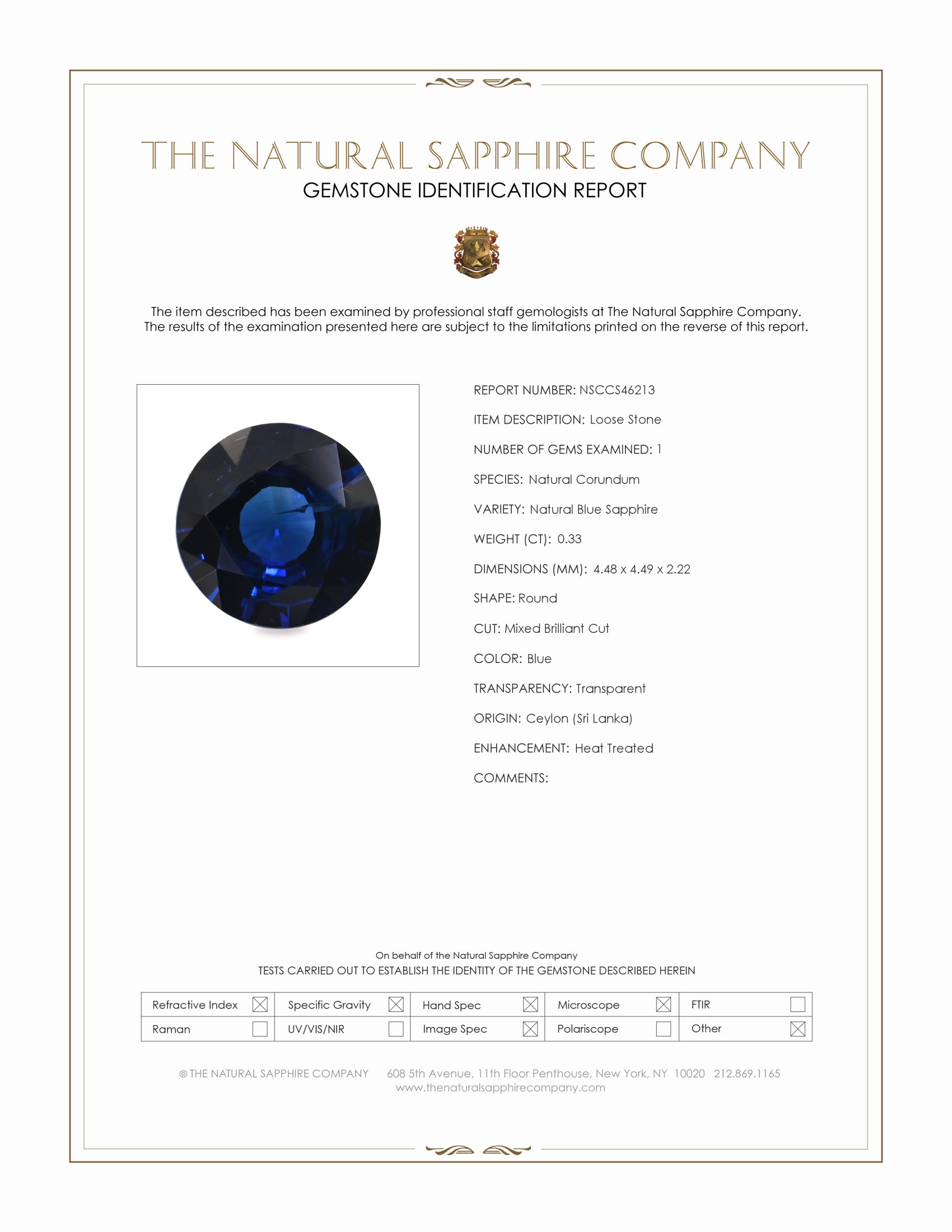

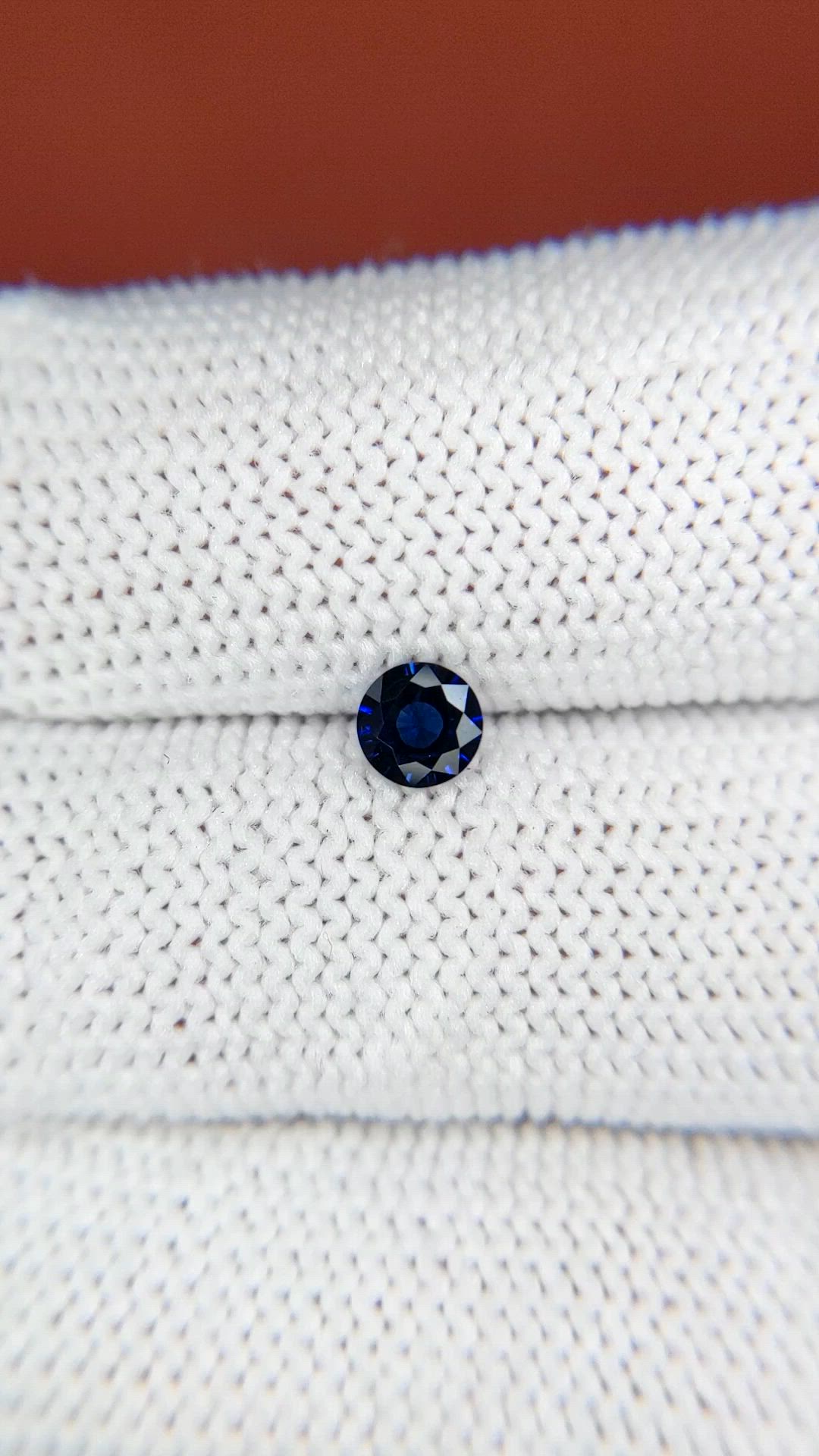
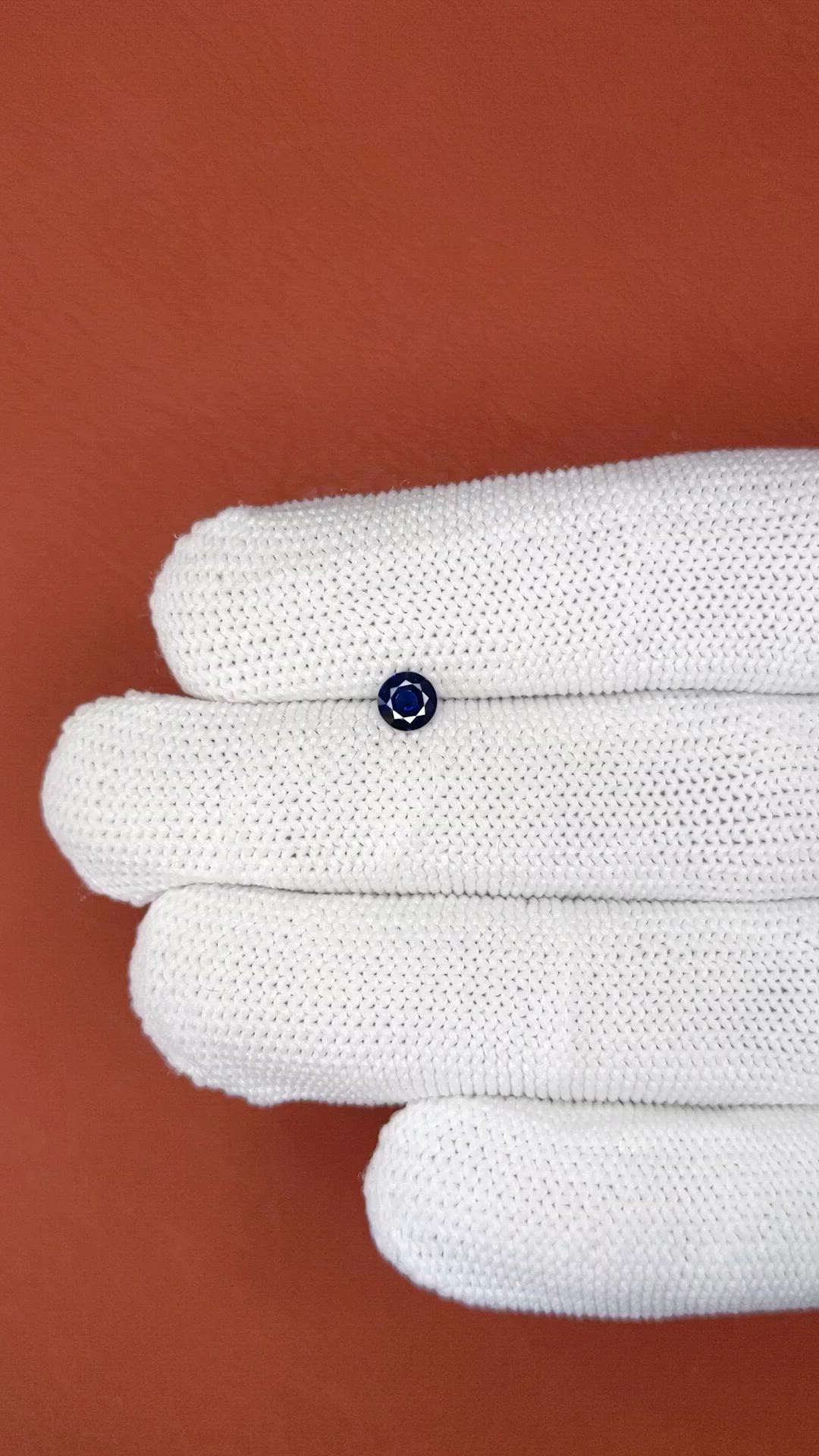
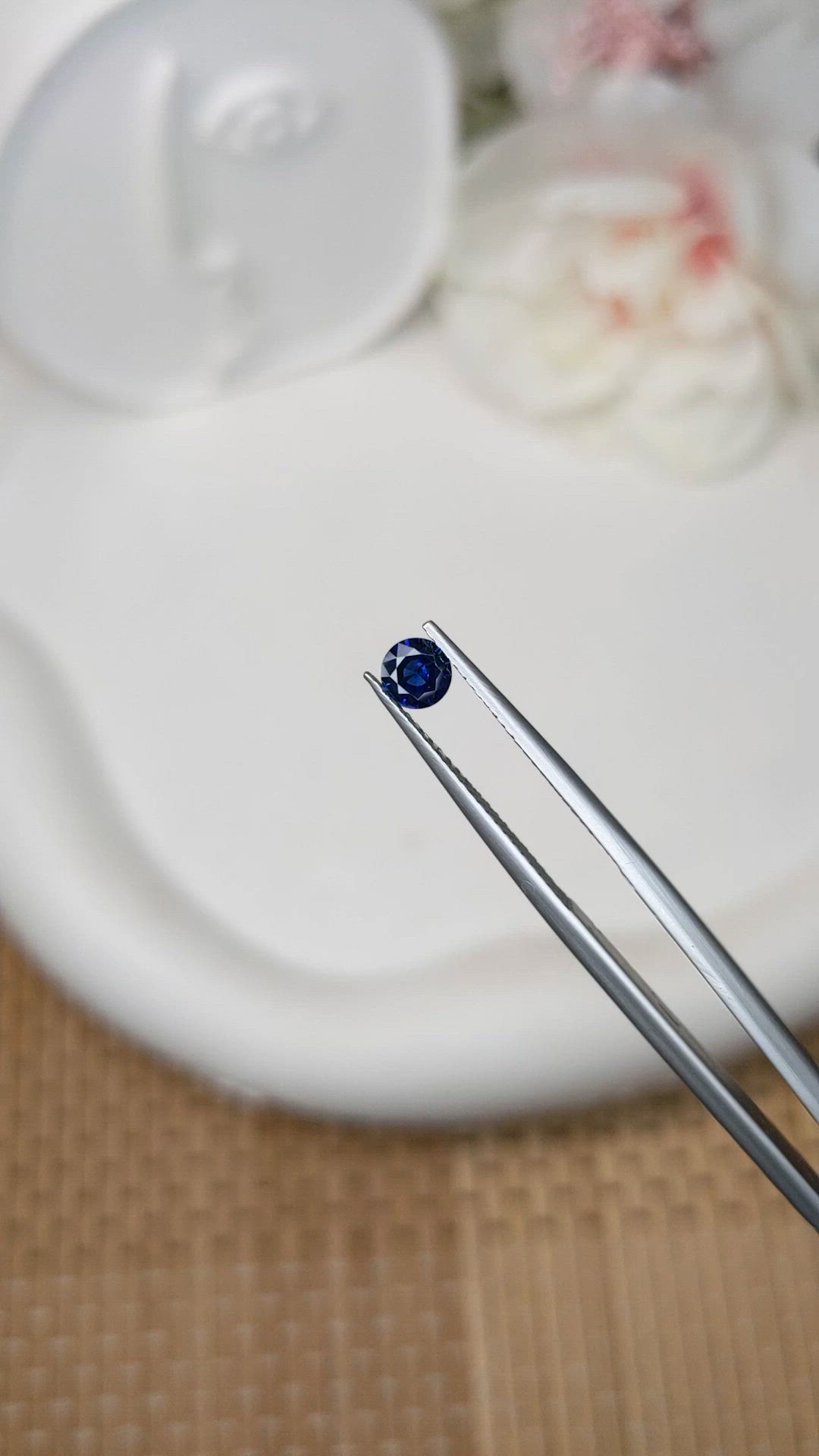
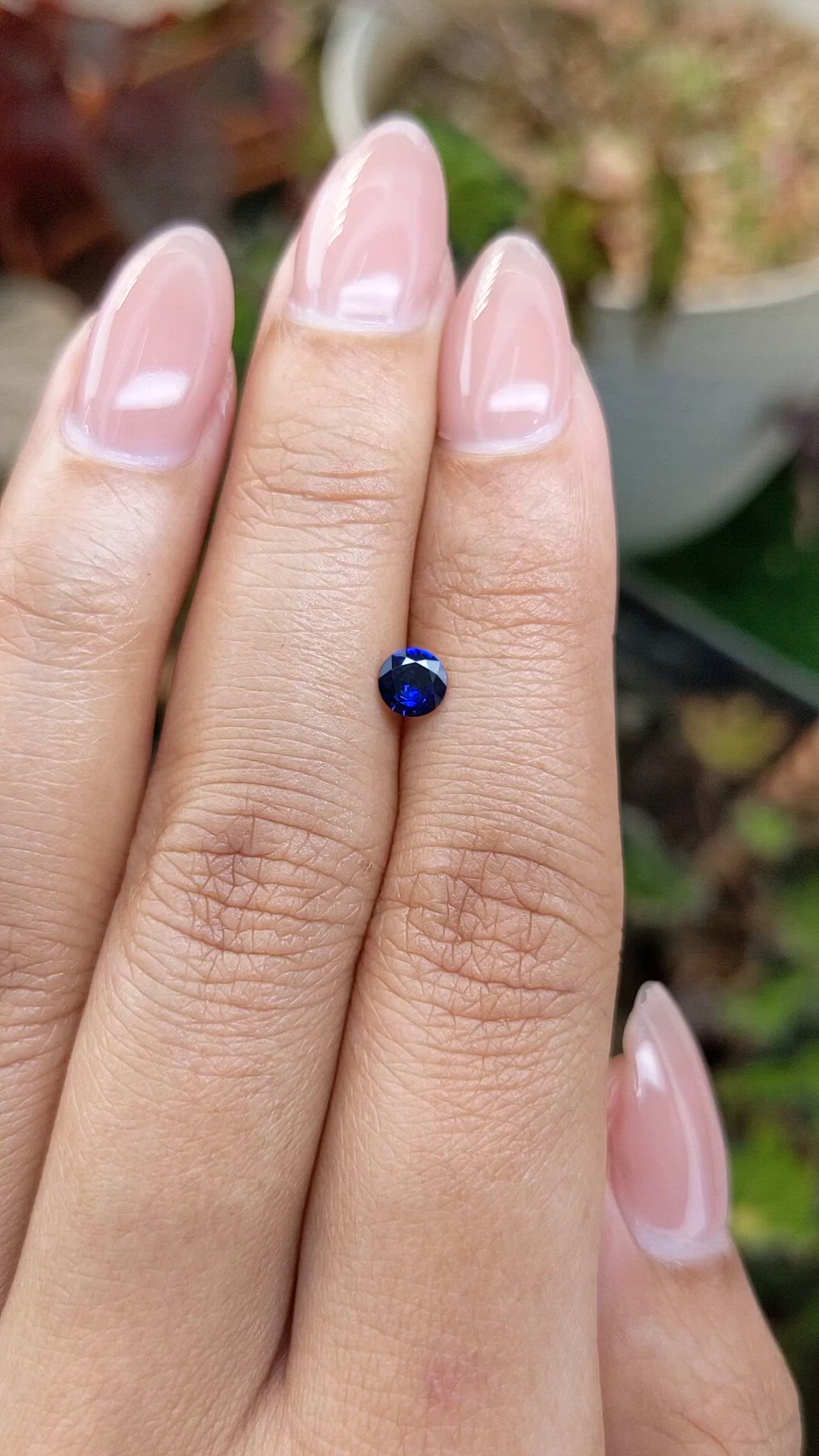
0.33 Ct. Blue Sapphire from Ceylon (Sri Lanka)
This loose stone is available to ship now
Item ID: | S46213 |
|---|---|
Dimensions (MM): help | Length: 4.48 Width: 4.49 Height: 2.22 |
Weight: | 0.33 Ct. |
Color: help | Blue |
Color intensity: help | Dark |
Clarity: help | Very Slightly Included |
Shape: help | Round |
Cut: | Mixed Brilliant Cut |
Cutting style: | Faceted |
Enhancements: help | Heat Treated |
Origin: help | Ceylon (Sri Lanka) |
Per carat price: help | $300 |
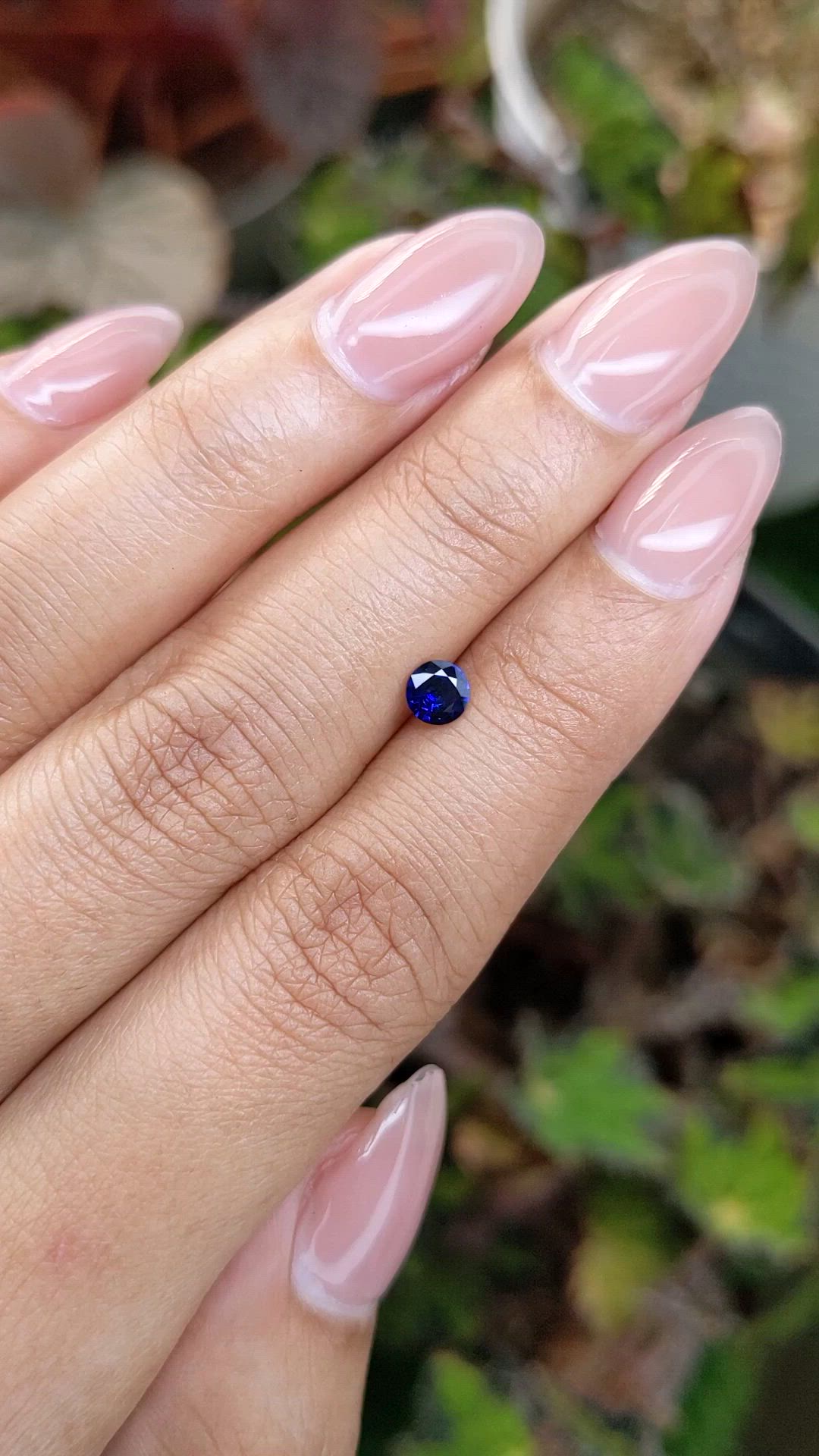
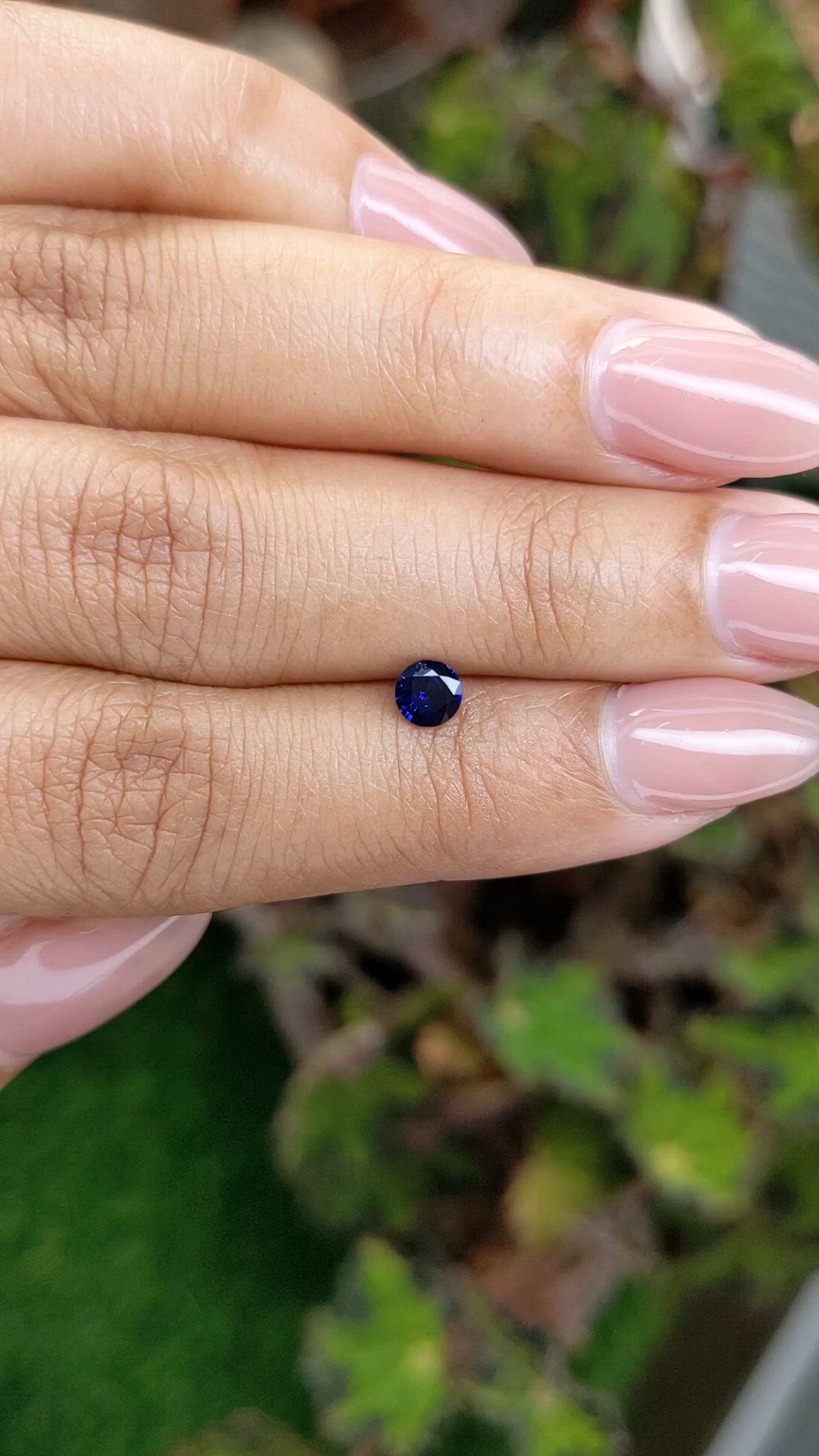
This 0.33 carat round blue sapphire presents itself as a precisely calibrated natural specimen whose deep color and optical behavior are best understood in the context of its geological genesis. Corundum, the mineral species to which sapphire belongs, is aluminum oxide, Al2O3, and this piece crystallized within aluminum-rich metamorphic terrains of Ceylon, now Sri Lanka. Over millions of years, tectonic uplift and contact metamorphism created localized high-temperature, high-pressure microenvironments in which aluminum and trace transition elements could reorganize into dense, trigonal corundum crystals. The blue color in this sapphire arises from intervalence charge transfer and trace substitution, primarily iron and titanium interactions within the corundum lattice, producing the deep blue wavelengths observed face-up. Subsequent weathering and erosional transport liberated corundum crystals from their host gneisses and schists, concentrating them in alluvial gravels where they remained stable and protected, awaiting recovery. The long metamorphic history, coupled with fluvial sorting, is responsible for the gem’s fine crystalline quality and the relatively low incidence of large disruptive inclusions, characteristics typical of Ceylon material.
From an optical and gemological standpoint this sapphire is technical in every measured attribute. It is round, faceted, weighing 0.33 carat, with exact dimensions of 4.48 by 4.49 by 2.22 millimeters, yielding a depth percentage of approximately 49.6 percent. Those proportions, combined with a mixed brilliant cutting style, indicate a crown executed with brilliant facets to enhance scintillation, paired with a modified pavilion geometry engineered to deepen face-up color while maintaining efficient light return. The mixed brilliant configuration exploits both small star and kite facets on the crown and larger pavilion facets to control light leakage and to manage pleochroic effects. Refractive index values typical of corundum, approximately 1.762 to 1.770, and a low dispersion of about 0.018 result in restrained fire but strong saturated blue tone, and the piece exhibits the pleochroism expected of blue sapphires, showing subtle shifts between blue and slightly violet-blue depending on orientation. Clarity is graded as very slightly included, evaluated at eye level, which indicates only minimal internal features that do not materially impact transparency or brilliance when mounted, and the polish has been executed to an excellent standard, producing crisp facet junctions and mirror-smooth facet planes.
Practical treatment and finishing decisions have been made with conservation of natural character in mind. The sapphire has undergone conventional heat treatment, a controlled process commonly used to reduce silk and enhance hue and tone stability, applied under monitored conditions to optimize the iron-titanium chromophore interactions without resorting to surface diffusion or artificial color introduction. The result is a dark color intensity that is clearly natural in origin, with improved homogeneity and reduced cloudiness, preserving the corundum’s transparency. At The Natural Sapphire Company our lapidary team oriented the rough to minimize the visibility of any needle-like silk and to align the pavilion facets to counteract strong pleochroic axes, choosing a mixed brilliant style specifically because it balances face-up color saturation with lively scintillation, an important consideration for a stone with this depth profile. Exacting symmetry control and an excellent girdle execution ensure secure setting options and predictable optical behavior in jewelry.
For the technically minded buyer, this sapphire offers a compact combination of geological authenticity, measurable optical parameters, and considered lapidary engineering. Its dimensions and depth produce a pronounced, velvety face-up blue suitable for a low-profile solitaire, accent stone in a multi-stone composition, or as an elegant focal point in bespoke work, and the very slightly included clarity grade offers a desirable balance of natural fingerprint and visual purity. When set, the stone’s mixed brilliant faceting will present scintillation along the crown while the modified pavilion will retain deep color and controlled light return, attributes that are particularly complementary to white or yellow precious metals depending on design intent. This piece embodies the standard of selection and finishing that customers expect from The Natural Sapphire Company, presenting a scientifically grounded, expertly finished Ceylon sapphire that carries both the narrative of its formation and the precision of contemporary gemcraft.


