
The Blue Belle of Asia
Among the world’s most famous sapphires, few possess the remarkable combination of size, color, origin, and history found in the Blue Belle of Asia. Weighing an extraordinary 392.52 carats, this magnificent Ceylon sapphire has become one of the most celebrated gemstones connected with Sri Lanka.
From its discovery in Sri Lanka in the early twentieth century to its spectacular appearance at a Christie’s auction in Geneva, the Blue Belle of Asia has travelled through nearly a century of gemstone history. Its exceptional size and beautiful blue color eventually helped it achieve a world auction record, strengthening its reputation as one of the great sapphires of modern history.
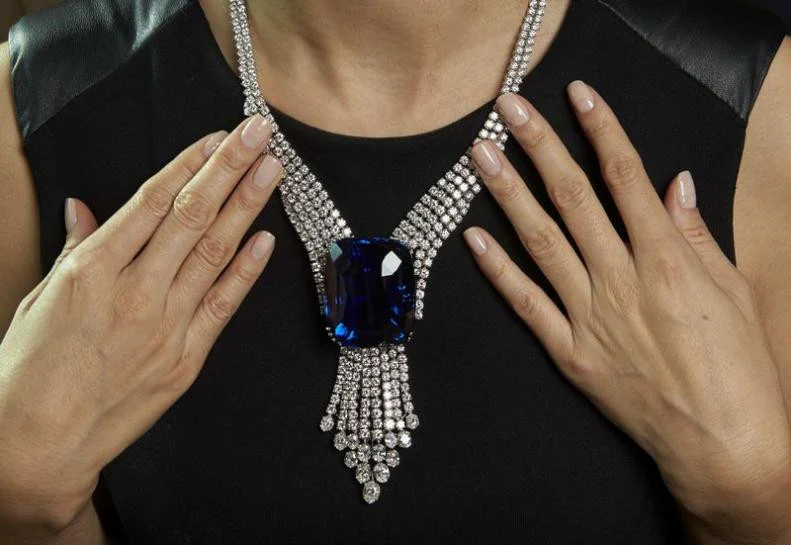
The Discovery of the Blue Belle of Asia
The story of the Blue Belle of Asia begins in Sri Lanka, historically known as Ceylon, a country that has been celebrated for centuries for producing exceptional sapphires.
The gemstone was reportedly discovered in 1926 in the Pelmadulla area of Ratnapura, Sri Lanka’s famous gem-producing region. Ratnapura is widely associated with the country’s long history of gemstone mining and has produced many notable sapphires over the years.
Historical accounts state that the sapphire was later acquired by British automobile magnate Lord Nuffield, founder of Morris Motors. Its history during the decades that followed became less publicly documented, adding an element of mystery to the gemstone’s story.
An Extraordinary 392.52-Carat Ceylon Sapphire
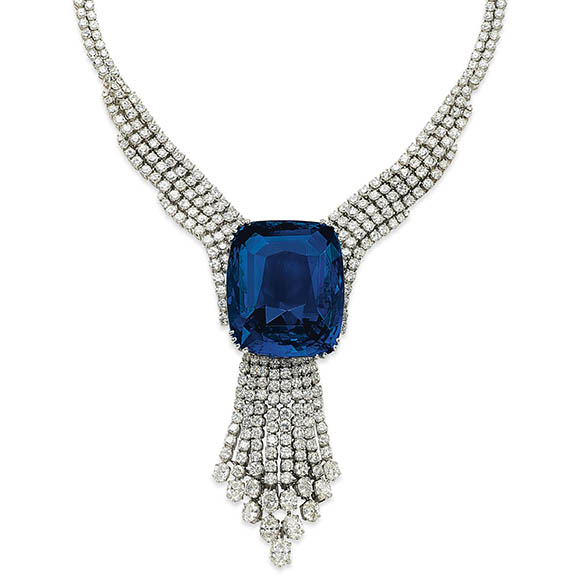
What immediately distinguishes the Blue Belle of Asia is its extraordinary size. At 392.52 carats, the cushion-shaped sapphire is exceptionally large for a faceted gem of such notable quality.
When Christie’s offered the gemstone for sale, it was accompanied by reports from two respected gemological laboratories.
According to the official Christie’s description of the Blue Belle of Asia, a report from the SSEF Swiss Gemmological Institute identified the sapphire as being of Ceylon origin with no indications of heating. A separate report from the Gübelin Gem Lab also concluded that the sapphire was of Ceylon origin and showed no indications of heating.
The absence of detectable heat treatment is particularly noteworthy for an important sapphire. Heat treatment has long been used within the gemstone industry to alter the appearance of some sapphires. A sapphire of this extraordinary size and quality showing no indications of heating therefore carries additional gemological interest.
What Makes the Blue Belle of Asia So Special?
Size alone does not explain the Blue Belle of Asia’s reputation. Its combination of substantial carat weight, attractive color, clarity, Ceylon origin, and unheated condition makes it particularly remarkable.
The laboratory documentation accompanying the gemstone emphasized these qualities. Christie’s records that the SSEF report included a Premium Appendix recognizing the sapphire’s extraordinary characteristics. The Gübelin Gem Lab similarly noted that it was among the largest faceted sapphires the laboratory had examined and possessed an outstanding combination of characteristics.
These assessments demonstrate why the Blue Belle of Asia is more than simply an unusually large sapphire. Its importance comes from the combination of characteristics found within a single natural gemstone.
A Spectacular Sapphire and Diamond Necklace
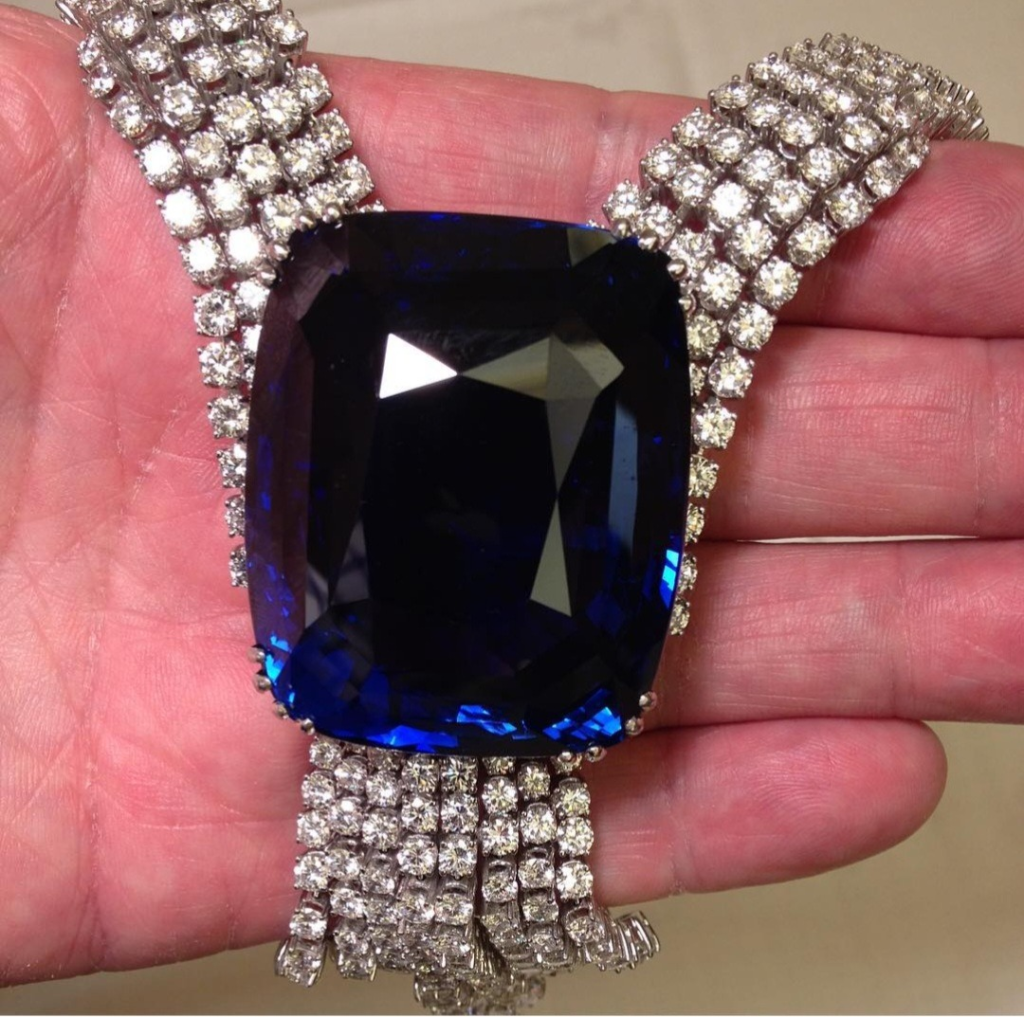
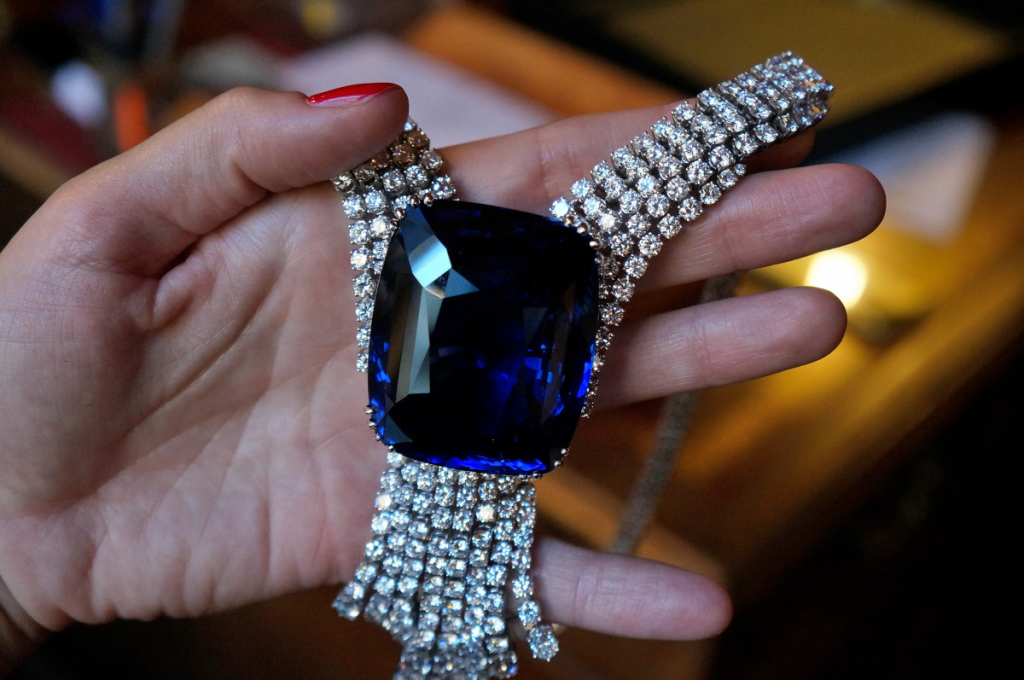
By the time the Blue Belle of Asia appeared at Christie’s in 2014, the sapphire had been incorporated into an elaborate sapphire and diamond necklace.
The 392.52-carat cushion-shaped sapphire formed the dramatic centerpiece of the design. It was suspended from a brilliant-cut diamond neckchain and accompanied by a diamond tassel pendant with oval-shaped diamond terminals. The necklace was mounted in gold and measured approximately 45 centimeters in length.
Despite the elaborate diamond setting, the extraordinary blue sapphire remained the unmistakable focal point of the jewel.
The Record-Breaking Christie’s Auction
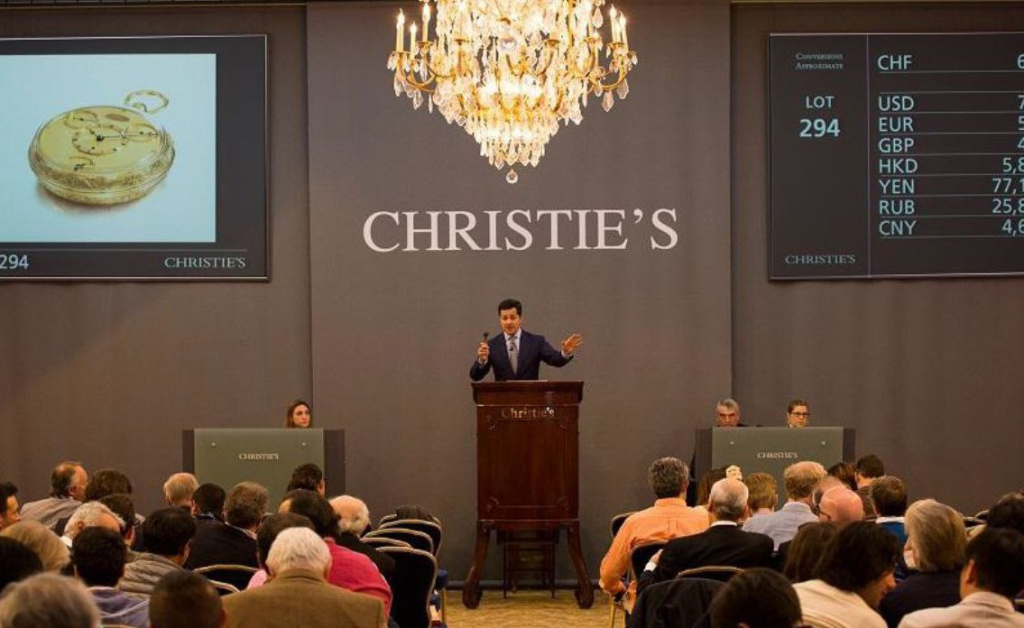
The Blue Belle of Asia entered another important chapter of its history on 11 November 2014, when it appeared in Christie’s Magnificent Jewels auction in Geneva.
The sapphire attracted considerable attention and ultimately sold to a private collector for CHF 16,965,000, approximately US$17.3 million at the time.
The result established a new world auction record for any sapphire at that time. Christie’s described the Blue Belle of Asia as the highlight of an exceptional auction that generated more than US$150 million in total sales.
According to Christie’s official post-sale announcement, the Blue Belle of Asia’s record-breaking result made it the most valuable sapphire ever sold at auction at that point.
The extraordinary sale demonstrated how exceptional provenance, rarity, size, gemological quality, and natural beauty can combine to create enormous demand for an important gemstone.
A Sapphire with Sri Lankan Heritage
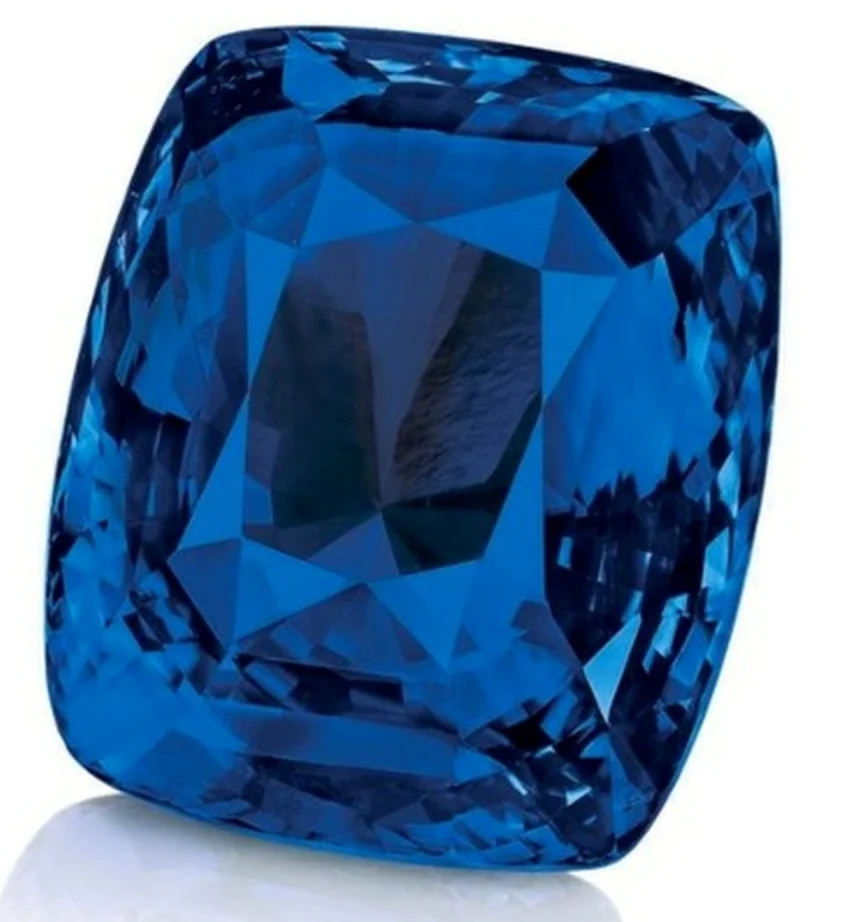
The Blue Belle of Asia also represents an important part of Sri Lanka’s gemstone heritage.
Historically known as Ceylon, Sri Lanka has been associated with sapphires for centuries. The country is particularly famous for blue sapphires displaying attractive combinations of color and brilliance.
The Blue Belle of Asia provides a spectacular example of this tradition. Its laboratory-confirmed Ceylon origin connects one of the world’s most celebrated sapphires directly to Sri Lanka’s renowned gemstone deposits.
Its name itself reflects this geographical connection. The title Blue Belle of Asia evokes both the sapphire’s remarkable blue appearance and its Asian origin, giving the gemstone an identity that extends beyond its carat weight.
The Importance of Its Unheated Status
One of the most significant characteristics of the Blue Belle of Asia is that laboratory examination found no indications of heating.
Many natural sapphires available in the gemstone market have undergone heat treatment, a long-established practice used to modify characteristics such as color or clarity. Treatment does not automatically make a sapphire undesirable, but disclosure is important when evaluating and purchasing gemstones.
For an exceptional historic sapphire such as the Blue Belle of Asia, evidence that its remarkable appearance has not resulted from detectable heating adds another dimension to its rarity.
Both SSEF and Gübelin reports accompanying the jewel reached this conclusion, as recorded in the Christie’s catalogue description.
Why Large Natural Sapphires Are Remarkable
Finding a natural sapphire is one thing; finding one capable of producing a beautifully faceted gemstone weighing hundreds of carats is something entirely different.
Large rough crystals must possess sufficient quality to survive the cutting process while retaining desirable color, clarity, and proportions. Cutting also involves sacrificing part of the original rough material to reveal the best possible appearance.
The Blue Belle of Asia’s finished weight of 392.52 carats therefore makes its scale immediately impressive. Its cushion shape provides broad facets through which its blue color can be appreciated, while the surrounding diamond necklace emphasizes the gemstone’s exceptional proportions.
The combination explains why the sapphire attracted international attention when it returned to the public spotlight.
One of the Most Famous Ceylon Sapphires
Sri Lanka has produced several internationally recognized sapphires, but the Blue Belle of Asia occupies a particularly important place among them.
Its story brings together several elements that make a gemstone legendary: a historic discovery, exceptional size, beautiful color, documented Ceylon origin, no indications of heat treatment, decades of mystery, and a record-breaking appearance at one of the world’s leading jewelry auctions.
Christie’s 2014 results recorded the stone at US$44,063 per carat, with its total price establishing the sapphire auction record at the time.Christie’s 2014 auction results document both the sale price and its record status.
More Than a Record-Breaking Gemstone
Although its multimillion-dollar auction result made international headlines, the Blue Belle of Asia’s importance extends beyond its price.
The sapphire represents the extraordinary natural conditions required to produce exceptional corundum, the centuries-old gemstone heritage of Sri Lanka, and the craftsmanship required to transform an important natural crystal into a magnificent faceted jewel.
It also demonstrates why provenance and gemological documentation matter when evaluating historically important gemstones. Knowing that independent laboratories identified the sapphire as Ceylon in origin and found no indications of heating adds valuable context to understanding its exceptional status.
The Lasting Legacy of the Blue Belle of Asia
Nearly a century after its discovery, the Blue Belle of Asia remains one of the most recognizable names in the world of sapphires.
From the gem-rich region of Ratnapura to the auction rooms of Geneva, its journey demonstrates how an extraordinary natural gemstone can become part of both local heritage and international jewelry history.
Its 392.52-carat weight, Ceylon origin, unheated status, impressive color, diamond necklace setting, and historic auction performance have all contributed to its legendary reputation.
Yet perhaps the most fascinating part of its story is its connection to Sri Lanka itself. The Blue Belle of Asia stands as an extraordinary reminder of the remarkable sapphires that have emerged from the island’s ancient gem deposits and captivated collectors around the world for generations.
For gemstone lovers, the Blue Belle of Asia is therefore much more than a record-breaking sapphire. It is a remarkable piece of Sri Lankan gemstone history and an enduring example of the rarity and beauty that can be found in a truly exceptional natural sapphire.
Explore our collection to view some of the finest natural sapphires we have available and find the perfect stone for you.
References
Christie’s (2014) A Spectacular Sapphire and Diamond Necklace: The Blue Belle of Asia. Magnificent Jewels, Geneva, 11 November 2014. Available at: Christie’s official lot record (Accessed: 18 August 2026).
Christie’s (2014) Post-Sale Release: Highest Total Ever for a Jewellery Auction, Geneva Magnificent Jewels. 11 November. Available at: Christie’s auction results (Accessed: 18 August 2026).
Christie’s (2014) Christie’s Jewelry Achieves Record $754.7 Million in 2014. Available at: Christie’s 2014 jewelry results (Accessed: 18 August 2026).
DeMarco, A. (2014) ‘392-Carat Sapphire Sells For World Auction Record $17.3 Million’, Forbes, 11 November. Available at: Forbes coverage of the Blue Belle of Asia (Accessed: 18 August 2026).